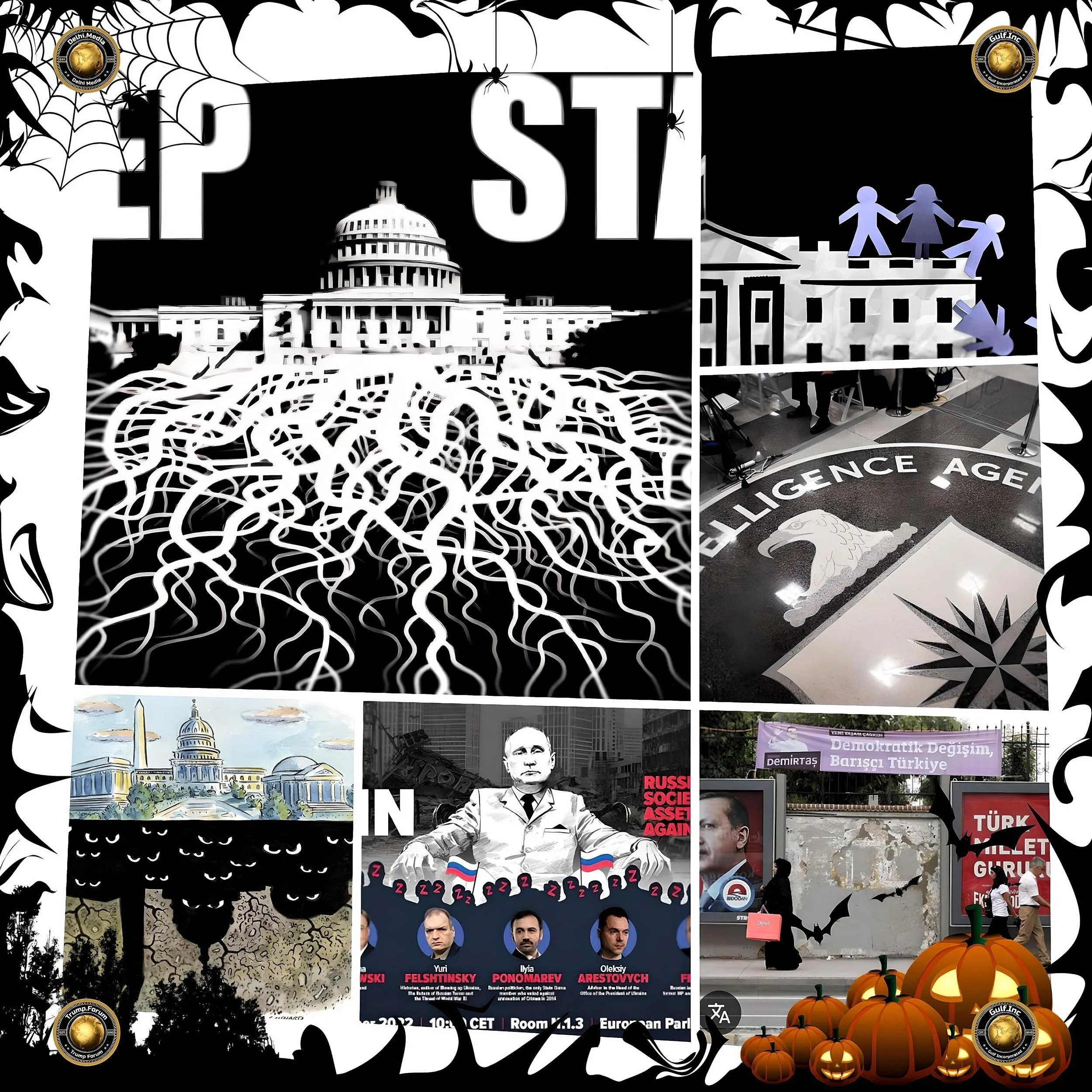
The Deep State: Understanding Its Definition, Historical Roots, and Variations Across Nations
Executive Summary
The term "Deep State" denotes a complex, often clandestine network of actors, institutions, and interests that operate autonomously from elected officials within a government framework.
It encapsulates the notion of entrenched power brokers—including components of the military, intelligence agencies, and established bureaucracies—who exert substantial influence over state policies and decisions, typically beyond the purview of public oversight.
The conceptual roots of the Deep State can be traced through various political and societal contexts, historically characterized by opaque interactions between civilian governance and military entities.
A notable example arises from Turkey in the 1990s, where the term surfaced to describe a covert alliance that intertwined military operatives, organized crime syndicates, and political elites to orchestrate state actions behind the scenes.
National representations of the Deep State are profoundly influenced by the specific political landscapes, cultural contexts, and historical trajectories of each country.
In the United States, discourse surrounding the Deep State has intensified in recent years, particularly regarding governmental institutions perceived to counteract or subvert the directives of elected officials.
This interpretation often points to entrenched bureaucratic mechanisms within the federal administration that some argue prioritize institutional stability over political innovation.
Conversely, in other regions, the Deep State may manifest as a network of collusion and corruption that undermines democratic integrity, impacting electoral processes or hindering systemic reforms.
In conclusion, the Deep State is a multifaceted construct marked by its elusive characteristics and the diverse forms it assumes across various geopolitical contexts, shaped by both historical antecedents and contemporary power dynamics.
A thorough understanding of its implications is essential for grasping the complexities of governance and accountability across different political systems globally.
Introduction
Understanding the Deep State Concept
Deep state refers to unauthorized and often secret networks of power operating independently of a state’s political leadership in pursuit of their agendas and goals.
The term describes potential clandestine networks of government officials, intelligence agencies, military personnel, bureaucrats, and sometimes private sector actors who exercise influence beyond democratic oversight.
The deep state represents what scholars call a “state within a state” - a form of governance where unelected individuals or institutions wield significant power over policy-making, often operating in ways that bypass or undermine the formal democratic process.
Unlike elected officials accountable to voters, deep state actors operate in secrecy and are generally immune to public scrutiny or electoral consequences.
Origins and Evolution of the Term
Turkish Roots
Derin Devlet
The deep state concept originated in Turkey, where the term derin devlet (literally “deep state”) first emerged in the 1990s to describe a clandestine network of military, intelligence, and bureaucratic elements operating independently of elected officials.
The Turkish deep state was characterized by its alleged connections to organized crime, its use of extra-legal methods, and its commitment to protecting the country’s secular, nationalist foundations.
Turkish Prime Minister Bülent Ecevit was the first state official to publicly acknowledge the deep state phenomenon in 1974, referring to the Kontrgerilla (Counter-Guerrilla) organization and its questionable activities.
The concept gained wider public attention following the 1996 Susurluk scandal, which exposed connections between government officials, military officers, and organized crime figures.
Academic Introduction to English
Peter Dale Scott, a professor emeritus at the University of California, Berkeley, introduced the term into English-language academic discourse.
In his 2007 book The Road to 9/11: Wealth, Empire, and the Future of America, Scott first applied the deep state concept to American politics, describing how parallel forces operate alongside the regular “public state”. Scott’s work established the theoretical foundation for analyzing deep state phenomena beyond Turkey.
Norwegian scholar Ola Tunander is credited as the first to internationalize the concept in a 2009 essay, expanding its application from Turkey to other national contexts.
This academic work provided the framework for comparative deep state analysis across different political systems.
Popular Political Usage
The term gained significant mainstream political traction through Mike Lofgren, a former Republican congressional aide who worked 28 years in Congress.
In 2014, Lofgren published an influential essay titled “Anatomy of the Deep State,” followed by his 2016 book The Deep State: The Fall of the Constitution and the Rise of a Shadow Government.
Lofgren defined the American deep state as “a nexus of corporations, banks, and defense contractors that had gained so much financial and political control” - essentially the sources of Washington’s corruption.
His work popularized the concept in American political discourse, though he later expressed concern about how the term was being misused.
The concept became particularly prominent during Donald Trump’s presidency (2017-2021), when it was frequently invoked by Trump and his supporters to describe alleged resistance within government agencies, particularly the FBI and CIA.
This usage transformed the term from an analytical concept into a political weapon, often deployed to discredit career government officials and intelligence agencies.
Universal Characteristics vs. National Differences
Universal Elements
Deep state phenomena share several common characteristics across nations
The Unelected Power Structures
Deep states consist of individuals and institutions that wield influence without being subject to democratic elections or direct public accountability.
Institutional Autonomy
These networks operate with high degrees of independence from formal government oversight, often justified by national security or state continuity claims.
Covert Operations
Deep state actors typically work behind the scenes, using informal channels and secret methods to achieve their objectives.
Resistance to Democratic Control
A defining feature is the ability to maintain influence regardless of electoral outcomes or changes in elected leadership.
National Security Justification
Deep state activities are often rationalized by appealing to the protection of national interests against existential threats.
National Variations
Despite these commonalities, deep state manifestations differ significantly between countries based on their unique historical, political, and institutional contexts.
Deep State Differences
Russia, Europe, and the United States
Russian Deep State
The Siloviki System
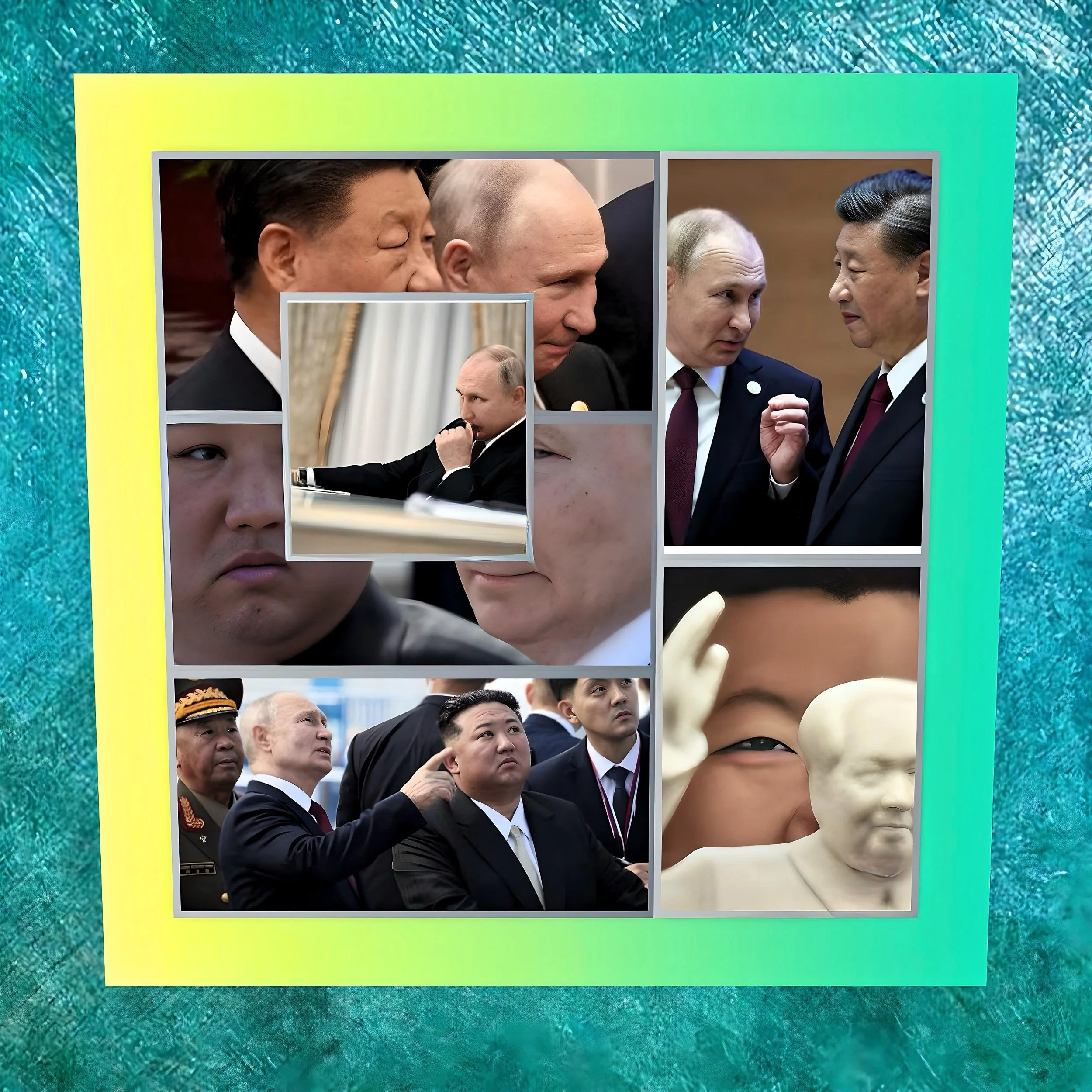
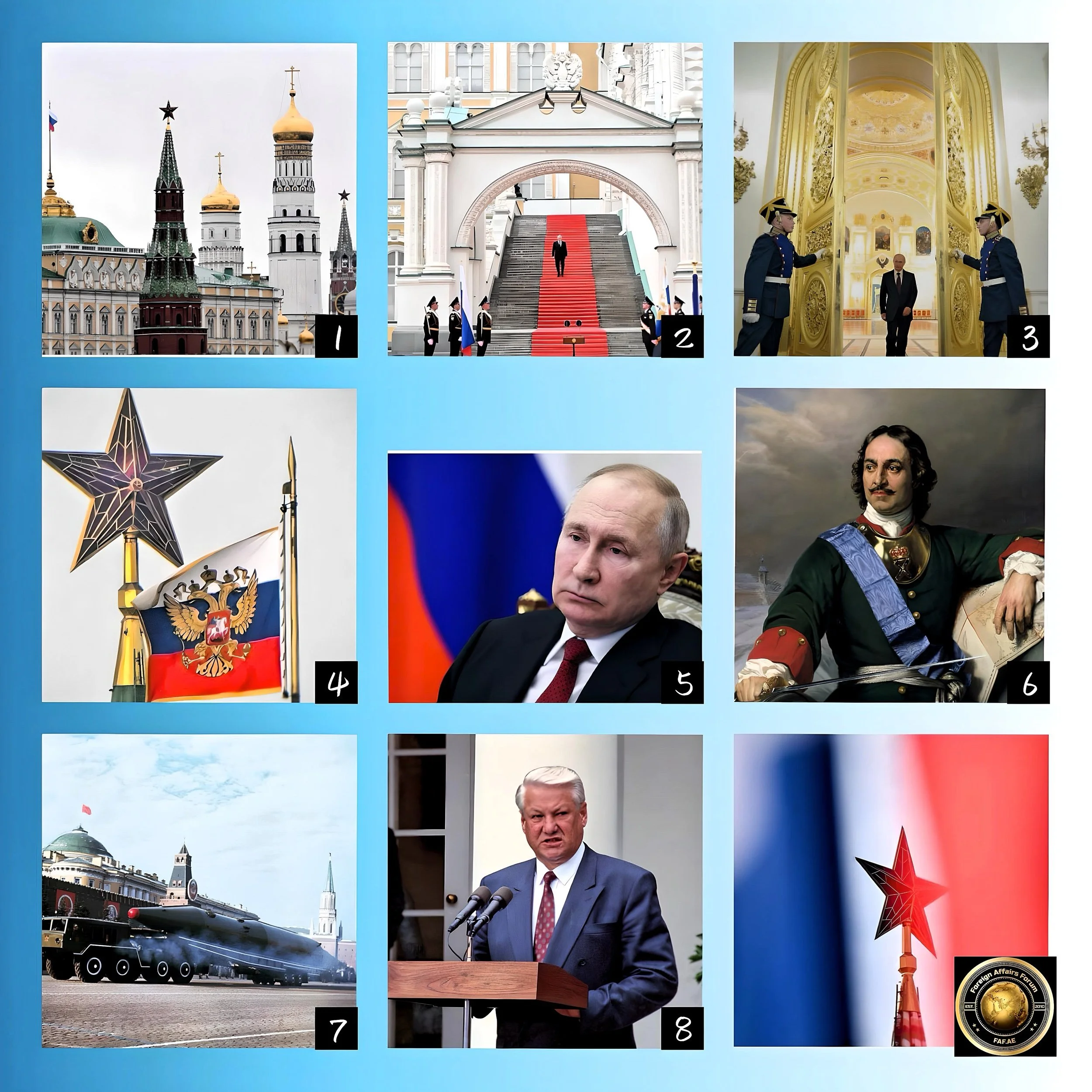
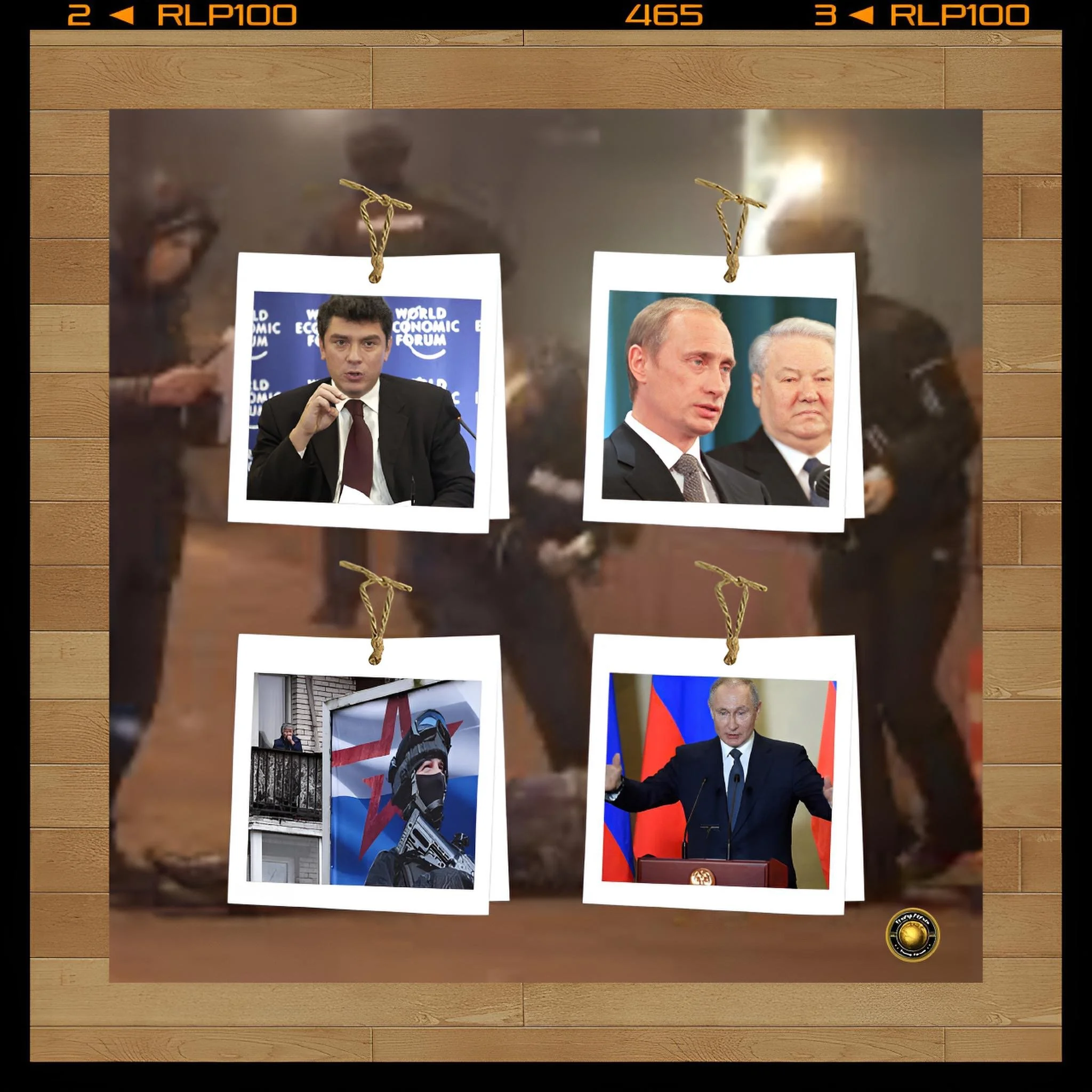
Russia’s deep state is dominated by the siloviki - former and current members of the security services, military, and law enforcement agencies.
This system emerged during Vladimir Putin’s rise to power, with 78% of Russia’s government, business, and social leadership currently linked to the Federal Security Service (FSB).
Key Characteristics of the Russian Deep State:
KGB/FSB Dominance
The FSB operates as essentially “a second government of Russia,” controlling other government institutions including the Defense Ministry, Investigative Committee, and Prosecutor-General’s Office.
The agency has been transformed into what critics call “a semicriminal structure” that influences court decisions and operates beyond legal constraints.
Economic Integration
Russian deep state actors control vast economic resources through state-owned enterprises and “silovarch” networks - hybrid businessmen-security officials who combine corporate power with intelligence backing.
The system functions through “Putin’s children” - a new generation of elites who have benefited from two decades of Putin’s patronage.
Organized Crime Connections
The Russian deep state maintains extensive ties to criminal organizations, with Putin himself having connections to significant gangs dating back to the 1990s in St. Petersburg.
This creates a “mob enterprise” where state power is used for criminal enrichment.
Asset Consolidation
Facing economic pressures, the FSB is actively seizing assets from oligarchs and military officials to consolidate resources for Putin’s inner circle, using shell companies and forced auctions to redistribute wealth.
European Deep State
NATO’s Hidden Networks
Europe’s deep state history is fundamentally shaped by Operation Gladio - NATO’s secret “stay-behind” armies established after World War II.
This network reveals how external powers (primarily the US and UK) created parallel structures within European governments.
Operation Gladio’s Legacy
Transnational Coordination: Unlike purely domestic deep states, European networks were internationally coordinated by the Pentagon and NATO through committees like the Allied Clandestine Committee.
This created standardized deep state structures across Western European nations.
Cold War Anti-Communist Mission
European deep state networks were explicitly designed to prevent communist parties from gaining power, using methods ranging from electoral manipulation to false flag terrorism.
The Italian branch carried out the notorious “strategy of tension” - bombing campaigns blamed on left-wing groups to discredit communists.
Integration with Right-Wing Extremists
Gladio networks recruited extensively from fascist and far-right organizations, particularly in countries like Italy and Germany.
This created lasting connections between state security apparatus and extremist political movements.
Contemporary Questions
While Operation Gladio was officially terminated in 1990, scholars debate whether similar structures persist in modified forms, potentially adapted for different strategic objectives.
United States Deep State
The Military-Industrial-Intelligence Complex
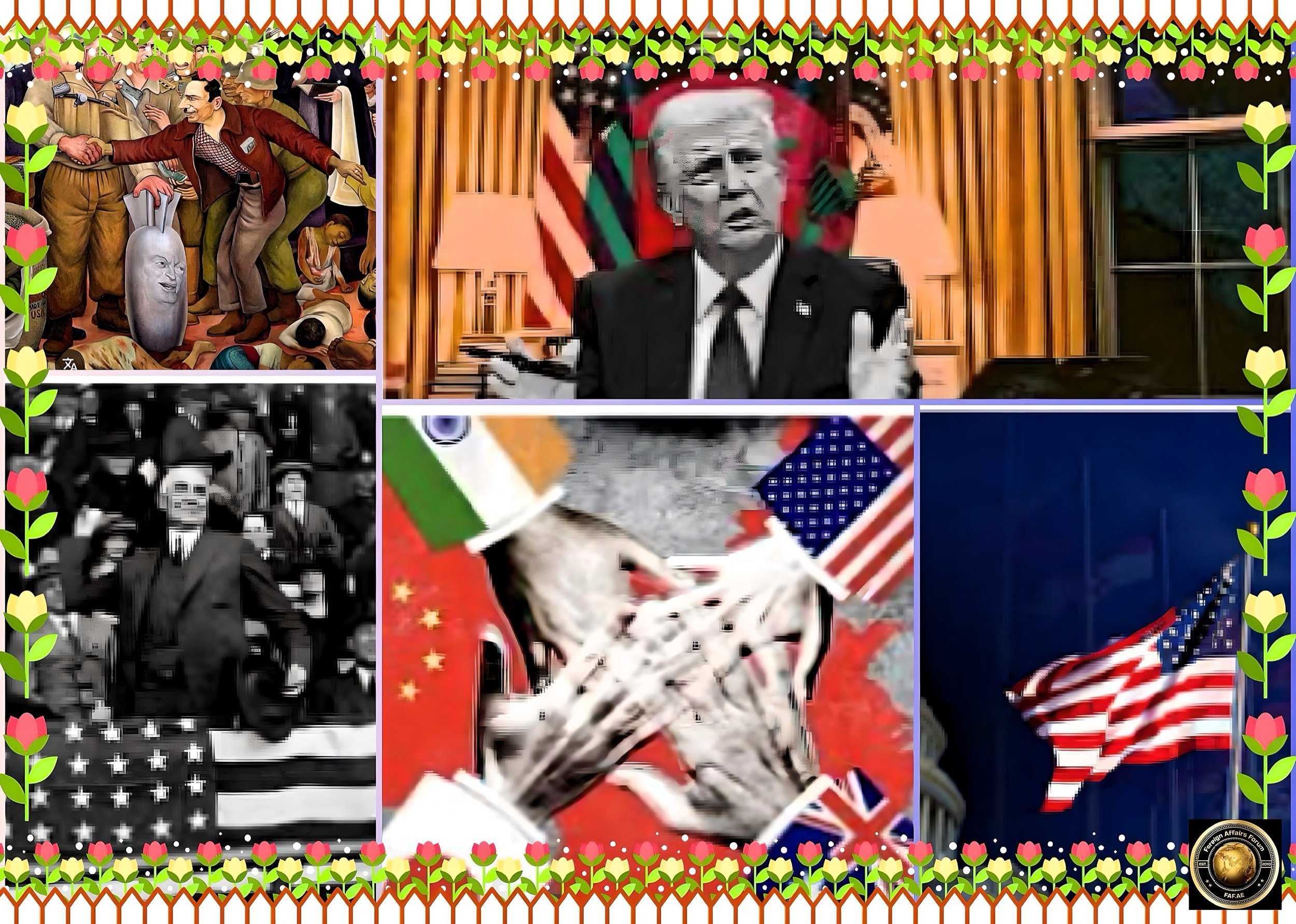
The American deep state differs from its Russian and European counterparts in several key ways, reflecting the country’s unique political system and global role.
Structural Characteristics
Intelligence Community Autonomy
The US deep state centers on the 18-agency intelligence community, including the CIA, NSA, FBI, and military intelligence services.
These agencies operate with substantial independence and classified budgets that limit oversight.
Corporate Integration
Unlike the Russian model’s direct state control, the American deep state involves extensive collaboration between government agencies and private contractors.
This creates a “revolving door” between public service and private sector positions in defense, intelligence, and technology.
Bureaucratic Continuity
The American deep state includes career bureaucrats and civil servants who remain in position across different administrations, potentially creating policy continuity that transcends electoral changes.
Critics argue this creates “unaccountable experts” who operate beyond constitutional oversight.
Constitutional Constraints
Unlike more authoritarian systems, the US deep state must navigate constitutional separation of powers and judicial review, though critics argue these constraints are increasingly ineffective.
Dual Shadow Government Structure
Some analysts identify two distinct shadow governments: the Continuity of Government (COG) system designed for emergencies, and the everyday “permanent bureaucracy” that influences policy implementation.
Comparative Analysis
Legitimacy and Control
Levels of Public Acknowledgment
Russia
The deep state operates relatively openly, with Putin’s FSB background and siloviki dominance being widely recognized.
Europe
Historical deep state activities are partially documented through parliamentary investigations and academic research, though much remains classified.
United States
Deep state allegations remain highly contested, with supporters viewing it as necessary expertise and critics seeing it as undemocratic power concentration.
Methods of Operation
Russia
Employs direct coercion, asset seizure, and criminal methods integrated with state power.
Europe
Historically used false flag terrorism, electoral manipulation, and paramilitary operations coordinated internationally.
United States
Relies more on policy influence, media management, and legal/regulatory mechanisms rather than direct violence.
Relationship to Democracy
Russia
The deep state openly suppresses democratic institutions while maintaining electoral facades.
Europe
Historical networks subverted democracy covertly while claiming to protect it from communist threats.
United States
The debate centers on whether deep state activities strengthen or undermine democratic governance through expertise versus accountability tensions.
Contemporary Relevance and Concerns
The deep state concept has evolved from its Turkish origins into a global framework for understanding unelected power structures.
While manifestations differ significantly between nations, the core tension between democratic accountability and technocratic governance remains universal.
Modern deep state analysis reveals how globalization, technology, and security concerns create new opportunities for unelected influence while traditional democratic oversight struggles to adapt.
Whether viewed as necessary expertise or dangerous subversion, deep state phenomena continue to shape political discourse and governance structures worldwide.
The term’s evolution from academic concept to political weapon demonstrates how analytical frameworks can be weaponized for partisan purposes, complicating efforts to understand these complex power structures objectively.
This highlights the importance of rigorous, comparative analysis in studying deep state phenomena across different national contexts.