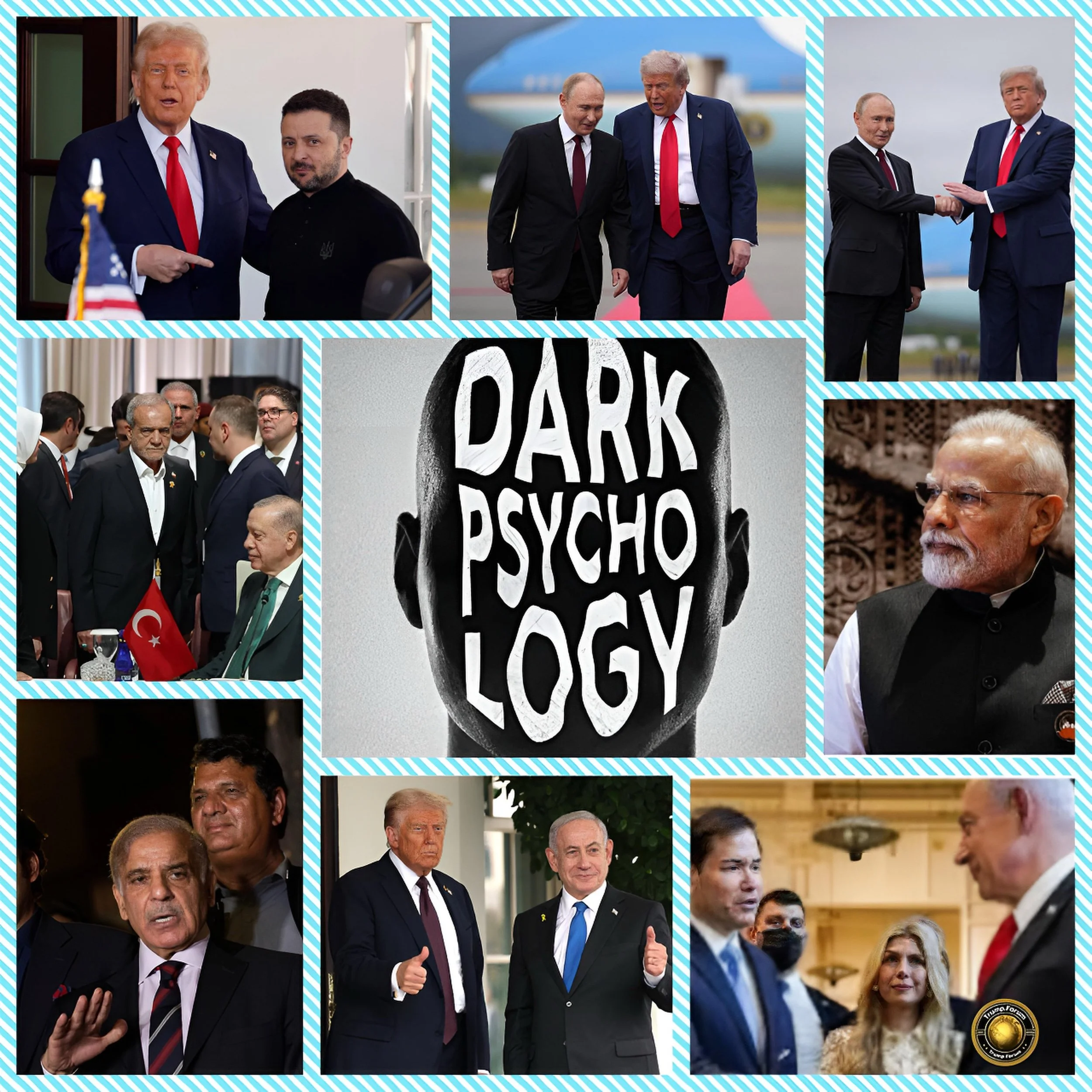
FAF - Mission & Objectives- A transdisciplinary framework to analyze the complex interconnections among political systems, corporate dynamics, theological perspectives, and psychological principles
Introduction
FAF, engages in Interdisciplinary Framework for Analyzing Politics, Business, Theology, and Psychology encompasses a sophisticated integration of diverse disciplines, extending from conceptual analysis to empirical synthesis.
This framework facilitates a nuanced understanding of complex thought processes through extensive research and knowledge accumulation. It encourages scholars to engage in comprehensive examinations that bridge theoretical and practical insights across these interconnected fields.
Let’s review this futher.
Framework Overview
A practical inter-disciplinary framework for examining the intricate relationships among politics, business, theology, and psychology requires a systems thinking approach that recognizes these domains' complex, interconnected nature.
This framework integrates multiple theoretical perspectives and methodological approaches to understand how these four spheres influence and shape each other in contemporary society.
Core Theoretical Foundations
Systems Thinking and Complexity Theory
The foundation of this inter-disciplinary framework rests on systems thinking, which involves a holistic approach to understanding complex problems by considering the interactions and interdependencies of various components within a system.
This approach emphasizes that the whole system is more than the sum of its parts, making it particularly suitable for analyzing the relationships among politics, business, theology, and psychology.
Complexity theory provides another crucial foundation, offering tools to understand how social systems emerge from the interactions of multiple agents and how these systems exhibit properties that cannot be predicted from studying individual components alone.
This theoretical framework is especially relevant when examining how political, business, theological, and psychological factors create emergent properties in social systems.
Institutional Analysis and Development (IAD) Framework
The Institutional Analysis and Development (IAD) framework is a powerful analytical tool for understanding how formal and informal institutions shape behavior across these four domains.
The IAD framework analyzes actors, norms, institutional settings, incentive structures, and rules that govern interactions within and between political, business, theological, and psychological spheres.
Domain-Specific Integration Points
Political-Business Nexus
The relationship between politics and business can be analyzed through several interconnected frameworks:
Public Choice
Theory applies economic principles to political decision-making, recognizing that political actors, like business actors, are motivated by self-interest while operating within institutional constraints.
This approach helps explain how political and business interests intersect in policy formation and implementation.
Stakeholder
Theory bridges business ethics and political considerations by recognizing that businesses must account for multiple constituencies, including political actors and communities.
This theory emphasizes the interconnected relationships between businesses and their broader social and political environment.
Theological-Political Integration
Political theology represents a well-established interdisciplinary field that examines the relationship between religious beliefs and political ideologies.
This approach analyzes how theological concepts shape political thought, institutions, and practices while considering how political structures influence religious expression and interpretation.
The framework recognizes three primary modes of interaction between theology and politics: separation, critical engagement, and integration as complementary systems that produce organizing metaphysical frameworks.
Psychology-Business Interface
Behavioral economics provides a crucial bridge between psychology and business by combining insights from psychology with economic analysis to understand human decision-making in commercial contexts.
This field examines how cognitive biases, emotions, and social influences affect economic choices and business outcomes.
Organizational psychology analyzes how psychological factors, including organizational politics, leadership, and decision-making processes, affect workplace dynamics.
This perspective is essential for understanding how individual psychological factors aggregate to influence organizational and broader business behaviors.
Psychology-Politics Integration
The psychology of political decision-making examines how cognitive processes, emotional responses, and social influences shape political choices and behaviors.
This includes analyzing cognitive biases influencing political judgment, such as confirmation bias, anchoring bias, and availability heuristics.
Behavioralism in political psychology offers methodologies for analyzing the psychological underpinnings of political actions, providing tools for understanding how individual psychological factors influence collective political outcomes.
Methodological Approaches
Network Analysis
Social network analysis provides tools for mapping and understanding the relationships between actors across political, business, theological, and psychological domains.
This approach can reveal how influence flows between spheres and identify key bridging actors or institutions.
Game Theory Applications
Game theory offers mathematical models for analyzing strategic interactions between actors in all four domains.
This approach is particularly useful for understanding how actors make decisions when outcomes depend on the choices of others, which is common in political-business interactions and organizational settings.
Cultural Political Economy
Cultural Political Economy (CPE) provides a framework for understanding how economic systems are products of specific human, technical, and natural relations, incorporating both material and cultural factors.
This approach bridges economic analysis with cultural and theological considerations.
Integrative Mechanisms
Social Capital Theory
Social capital theory serves as a unifying concept that spans all four domains, examining how social networks and relationships create value and facilitate cooperation.
This theory analyzes both individual and collective benefits of social connections, making it applicable to understanding how trust and reciprocity operate across political, business, theological, and psychological contexts.
Institutional Economics
New Institutional Economics (NIE) provides tools for analyzing how institutions (formal and informal rules) shape behavior across all four domains.
This approach recognizes that individuals operate within institutional constraints while seeking to maximize their preferences, making it applicable to understanding behavior in political, business, religious, and psychological contexts.
Implementation Framework
Multi-Level Analysis
The framework operates at three analytical levels
Micro-level
Individual psychological processes, personal beliefs, individual business decisions, and personal political choices.
Meso-level
Organizational dynamics, community religious practices, local political processes, and small business networks.
Macro-level
National political systems, global business networks, denominational theological structures, and broad psychological trends in society.
Cross-Domain Feedback Loops
The framework recognizes multiple feedback loops between domains:
Political decisions influence business regulations, which affect organizational psychology and may challenge or support theological values
Business practices shape economic conditions that influence political outcomes and individual psychological well-being
Theological perspectives inform ethical frameworks that guide both political and business decision-making
Psychological research informs policy decisions that affect both business practices and religious freedom
Dynamic Temporal Considerations
The framework incorporates temporal dynamics, recognizing that relationships between these domains evolve over time due to technological change, cultural shifts, policy innovations, and theological developments.
This includes analyzing how historical legacies influence current interactions and how present decisions shape future relationships.
Practical Applications
This inter-disciplinary framework can be applied to analyze
Policy Formation
Understanding how theological values, psychological biases, and business interests influence political decision-making
Organizational Ethics
Examining how religious principles, psychological factors, and political considerations shape business ethics
Social Movement Analysis
Analyzing how theological motivations, psychological processes, political opportunities, and business interests interact in social change
Crisis Response
Understanding how different domains respond to and influence each other during economic, political, or social crises
Conclusion
This inter-disciplinary framework provides a comprehensive approach to examining the intricate relationships among politics, business, theology, and psychology.
By integrating systems thinking, complexity theory, and domain-specific theoretical frameworks, it offers tools for understanding how these spheres interact to shape contemporary social reality.
The framework’s emphasis on institutional analysis, network relationships, and multi-level dynamics makes it particularly suitable for analyzing complex social phenomena that span traditional disciplinary boundaries.
The framework’s strength lies in its ability to maintain analytical rigor while recognizing the inherently interconnected nature of human social systems.
Rather than reducing complex phenomena to single-domain explanations, it provides tools for understanding emergence, feedback loops, and system-level properties that arise from the interaction of political, business, theological, and psychological factors.