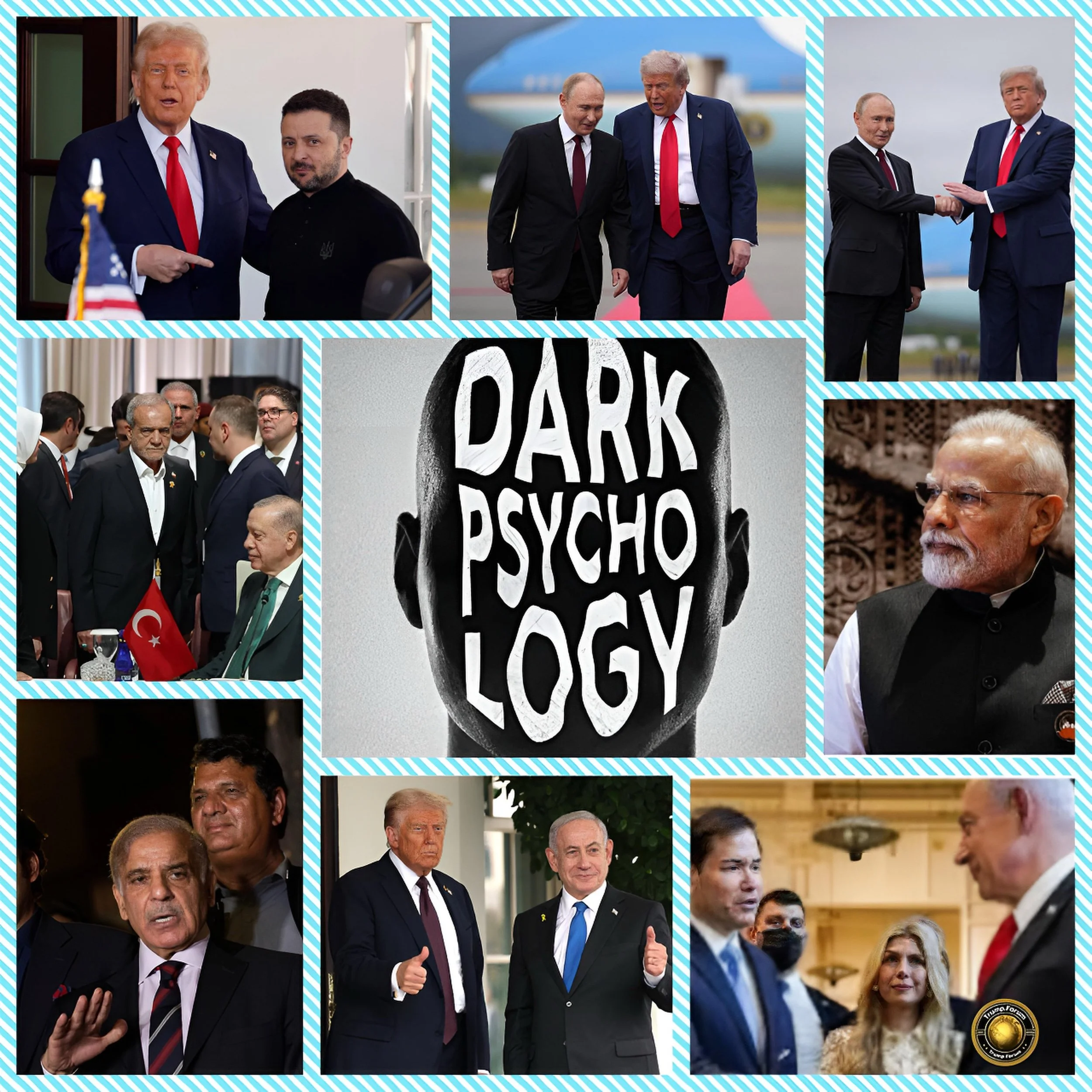
The Ultimate Guide to Dark Psychology and How to Analyze People
Introduction
⬇️
Dark psychology represents the application of psychological principles to manipulate, influence, or control people in ways that typically benefit the perpetrator while potentially harming the target.
Unlike traditional psychology, which aims to understand and help, dark psychology focuses on the exploitation of human vulnerabilities and emotional triggers.
This field examines how individuals use their understanding of human behavior to achieve personal goals at others’ expense, often through deception, coercion, and manipulation.
The term encompasses techniques that exploit basic human tendencies such as the desire to help others, trust in authority figures, fear responses, and social conformity.
While not recognized as an official psychological discipline, understanding these concepts is crucial for identifying and protecting oneself from manipulation attempts.
Historical Context and Origins
⬇️
The roots of dark psychology can be traced back to ancient philosophical works, where thinkers like Plato and Machiavelli explored themes of manipulation and control.
Plato warned against the dangers of persuasive rhetoric being used to deceive people. At the same time, Machiavelli’s “The Prince” explicitly advised rulers on using deception and manipulation for political control.
These early works established the foundation for understanding how psychological principles could be weaponized for personal or political gain.
The formalization of dark psychology as a field of study emerged much later, building upon developments in traditional psychology during the 19th and 20th centuries.
Sigmund Freud’s exploration of the unconscious mind revealed hidden desires and impulses that could drive harmful behavior. At the same time, Carl Jung’s concept of the “shadow self” – the part of the psyche we deny or conceal – provided insights into how people might engage in destructive actions.
The connection between psychology and warfare became particularly evident during the 20th century, especially during World War II. Propaganda campaigns employed sophisticated psychological tactics to control public opinion and manipulate entire populations.
Nazi Germany’s propaganda ministry, led by Joseph Goebbels, demonstrated the terrifying potential of psychological manipulation on a massive scale, using techniques like scapegoating, emotional appeals, and systematic censorship to consolidate power and promote discriminatory policies.
The Dark Triad: A Scientific Foundation
One of the most significant contributions to the scientific understanding of dark psychology is the Dark Triad model, first published by Delroy L. Paulhus and Kevin M. Williams in 2002.
This psychological theory identifies three personality types that share malevolent qualities: Machiavellianism, narcissism, and psychopathy. Each trait is considered “dark” because it contains inherently harmful characteristics that can lead to the manipulation and exploitation of others.
Research has consistently shown that individuals high in Dark Triad traits are statistically more likely to commit crimes, create social distress, and cause severe problems in organizations, particularly when they occupy leadership positions.
These traits are associated with reduced compassion, agreeableness, and empathy, decreased satisfaction with life, and a lower likelihood of believing in humanity's fundamental goodness.
The scientific validation of the Dark Triad has provided researchers with measurable constructs for studying malevolent behavior patterns, leading to the development of assessment tools like the Dirty Dozen and the Short Dark Triad (SD3) scales.
However, the model has also faced criticism from some researchers who argue that the three traits may be less distinct than initially proposed, with some studies suggesting significant overlap between Machiavellianism and psychopathy.
Distinction from Traditional Psychology
Traditional psychology primarily focuses on understanding human behavior to promote healing, growth, and optimal functioning.
It operates under ethical frameworks designed to protect individuals and promote their well-being. In contrast, dark psychology examines how these same principles can be inverted and weaponized for harmful purposes.
While a traditional psychologist might use techniques like cognitive-behavioral therapy to help someone overcome anxiety, a practitioner of dark psychology might exploit that same anxiety to manipulate and control the individual.
This fundamental difference in intent and application makes dark psychology inherently controversial and ethically problematic.
The distinction becomes even more critical in professional contexts. Therapists, for instance, might legitimately use psychological techniques to help patients overcome fears and anxieties, while law enforcement professionals might employ similar techniques to extract confessions from criminals.
However, when these same techniques are used without consent, transparency, or beneficial intent, they cross into the realm of dark psychology.
Contemporary Relevance and Applications
⬇️
In the modern digital age, dark psychology has found new venues for expression and study. Cybersecurity experts increasingly recognize that human psychology represents the weakest link in digital defense systems.
Social engineering attacks exploit fundamental psychological vulnerabilities such as trust in authority, fear responses, and the desire to be helpful.
The rise of social media and digital communication has created unprecedented opportunities for psychological manipulation.
Online platforms can amplify the reach and impact of manipulative tactics, allowing individuals to simultaneously influence large numbers of vulnerable people.
This has led to growing concern about the spread of misinformation, the creation of echo chambers, and the potential for mass psychological manipulation through digital means.
Ethical Considerations and Academic Debate
Studying and teaching dark psychology raises significant ethical questions within the academic and professional psychology communities.
Critics argue that focusing on the “dark” aspects of human behavior can be stigmatizing and sensationalistic, potentially deterring individuals with certain personality traits from seeking therapeutic help.
Recent scholarly debates have questioned whether terms like “dark” should continue to be used in psychological literature.
Some researchers argue that such labels are imprecise, potentially problematic, and may connect serious clinical science with popular culture references that delegitimize the field.
However, defenders of the terminology maintain that it accurately captures the malevolent nature of these traits and behaviors.[news.vcu]
The field also grapples with whether knowledge of dark psychology techniques should be widely disseminated.
While understanding these concepts can help individuals protect themselves from manipulation, some concerns arise about providing detailed information about manipulative techniques, which could enable their misuse.
Critical Importance in Today’s Geopolitical Environment
⬇️
In our current era of strategic competition and information warfare, understanding dark psychology has become essential for analyzing global leadership and protecting democratic institutions.
The intersection of psychological manipulation with state power creates unprecedented challenges that require sophisticated understanding and defensive capabilities.
The New Battleground of Minds
Modern geopolitics has shifted from purely military and economic competition to what experts term “cognitive warfare” - the deliberate targeting of human consciousness to influence individual, group, and national decision-making.
This transformation makes dark psychology knowledge critical for several reasons.
Information as a Weapon
Today’s conflicts are fought as much in information spaces as on physical battlefields.
The Ukraine-Russia war exemplifies this shift, where online platforms serve as primary theaters for cognitive warfare, with both sides attempting to shape global perception through sophisticated psychological operations.
Democratic Vulnerability
Open societies with free media and democratic discourse prove particularly susceptible to psychological manipulation campaigns designed by authoritarian regimes.
Understanding these vulnerabilities is essential for maintaining democratic resilience.
Scale and Speed
Modern technology allows psychological manipulation to reach unprecedented scale and speed, with AI-powered content generation and social media amplification enabling single actors to influence millions simultaneously.
Core Manipulation Tactics in Dark Psychology
⬇️
Gaslighting
Gaslighting stands as one of the most insidious manipulation tactics, involving systematic attempts to make victims question their own memory, perception, and sanity.
This technique goes beyond simple disagreement - it involves deliberate distortion of reality designed to create self-doubt and psychological dependence.
Perpetrators may deny conversations that definitely occurred, minimize the significance of hurtful actions by claiming the victim is “too sensitive,” or completely rewrite history.
The psychological impact is profound, as victims gradually lose confidence in their own perceptions and begin relying on the manipulator’s version of events.
Common gaslighting phrases include “it wasn’t that bad,” “you must be losing your mind,” and “it didn’t happen like that”.
Love Bombing and Devaluation
This manipulation cycle involves overwhelming targets with excessive affection, attention, and gifts during the initial phase, creating powerful emotional bonds.
Love bombing makes victims feel uniquely special and creates an intoxicating emotional high that they naturally want to maintain.
However, once the manipulator feels confident in their target’s emotional investment, they begin the devaluation phase, gradually withdrawing the intense attention and affection.
This contrast creates an addictive cycle where victims constantly chase the return of the love bombing phase, becoming increasingly willing to compromise their boundaries and values.
The technique is particularly effective because it exploits the victim’s desire for validation and connection.
Triangulation
Triangulation involves using a third party to create tension, division, and competition among individuals. Manipulators position themselves as the central authority or mediator, creating mistrust and competition among the manipulated parties.
This tactic serves multiple purposes: it weakens relationships between potential allies, increases the manipulator’s control, and prevents targets from forming unified resistance.
Examples include playing people against each other, gossiping to create conflict, or bringing up other relationships to make the current target feel insecure.
Projection
Projection occurs when manipulators attribute their unacceptable feelings, thoughts, or behaviors to others.
This serves multiple functions: deflecting attention from their problematic behaviors, putting targets on the defensive, and confusing situations to the point where victims question their motivations.
For instance, a manipulator who lies habitually might constantly accuse others of dishonesty, or someone who is controlling might claim their partner is the controlling one.
Social Engineering Techniques
⬇️
Exploiting Authority Bias
Social engineers frequently exploit people’s conditioned obedience to authority figures.
From childhood, individuals are trained to comply with those perceived as having higher status, making victims rarely question authority figures.
Attackers may impersonate managers, IT personnel, or other officials, using correct terminology and name-dropping to establish credibility.
Fear-Based Manipulation
Fear causes people to act out of character to avoid threatening situations. Social engineers create false urgencies, such as claiming bank accounts have been compromised or that immediate action is required to prevent dire consequences.
This emotional manipulation clouds judgment and leads to quick, unthoughtful actions.
Exploiting Helpfulness and Kindness
Manipulators can weaponize the natural human desire to help others. Attackers may present themselves as distressed individuals, appealing to targets’ empathy and caregiving instincts.
Examples include claiming to be locked out of systems, having forgotten access cards, or needing urgent assistance with tasks.
The Dark Triad: Understanding Malevolent Personality Types
⬇️
The Dark Triad represents three notable personality types that share malevolent qualities: Machiavellianism, narcissism, and psychopathy. Individuals high in these traits are statistically more likely to commit crimes, create social distress, and cause severe problems in organizations.
Machiavellianism
Characterized by manipulativeness, indifference to morality, lack of empathy, and calculated focus on self-interest.
Machiavellian individuals view relationships as opportunities for exploitation and use strategic thinking to achieve their goals, regardless of the cost to others.
Narcissism
Marked by grandiosity, pride, egotism, and lack of empathy. Narcissists display excessive self-importance and superiority while constantly seeking admiration.
Despite appearing completely in love with themselves, they often harbor deep feelings of inferiority and can never admit to being wrong.
Psychopathy
Characterized by continuous antisocial behavior, impulsivity, selfishness, and remorselessness.
Psychopaths lack the natural reflex for pro-social behavior and are inclined toward anti-social actions.
They may engage in seemingly helpful behavior only to avoid suspicion or make themselves look good.
Reading People: Understanding Nonverbal Communication
⬇️
Body Language Analysis
Body language provides crucial information about people’s internal states, accounting for approximately 55% of all communication. Key areas to observe include.
Eye Contact Patterns
Direct eye contact during conversation indicates interest and attention, while frequent looking away might suggest discomfort, distraction, or attempts to conceal feelings. However, cultural factors and neurodivergence can affect eye contact patterns.
Facial Expressions
Changes in complexion, mouth movements, and muscle tension can reveal concealed emotions. Rolling lips back until they almost disappear may indicate withholding information, while pursed lips suggest reluctance to engage.
Posture and Positioning
Crossed arms and legs signal resistance to ideas, even when someone engages in pleasant conversation.
Leaning forward with eye contact suggests interest, while defensive posturing may indicate discomfort.
Microexpressions: Windows to True Emotions
Microexpressions are involuntary facial expressions lasting less than half a second that reveal genuine emotions people may be trying to conceal.
These fleeting expressions occur in 1/25th of a second and express seven universal emotions: disgust, anger, fear, sadness, happiness, contempt, and surprise.
Key Characteristics of Microexpressions
It occurs in everyone without their knowledge.
It cannot be prevented from occurring.
Provide critical information for emotional intelligence and deception detection.
Often contradict verbal communication
Practical Application: Training in microexpression recognition can significantly improve the ability to detect concealed emotions and potential deception.
The face offers the best window into others’ emotional states, regardless of culture, language, or background.
Detecting Deception Through Body Language
Research indicates several behavioral patterns associated with dishonesty
Hand Movements
Liars tend to gesture with their hands after speaking rather than during or before a conversation.
They’re also more likely to gesture with both hands simultaneously and face palms away from others.
Facial Cues
Deceptive individuals may stare intensely or look away at crucial moments. They often display “grooming behaviors” like playing with hair and may purse their lips when asked sensitive questions.
Physical Responses
Autonomic nervous system changes can cause fidgeting, itching, rocking, or changes in complexion.
Sweating in the T-area of the face or excessive blinking may also indicate deception.
Personality Profiling for Better Analysis
⬇️
The Myers-Briggs Type Indicator (MBTI)
The MBTI categorizes individuals into 16 personality types based on four dimensions.
Energy Focus
Extraversion vs. Introversion - where individuals direct their attention
Information Processing
Sensing vs. Intuition - how people gather and process information
Decision Making
Thinking vs. Feeling - how judgments and decisions are made
Lifestyle Approach
⬇️
Judging vs. Perceiving - how people approach structure and closure
Understanding these preferences helps predict how individuals respond to situations, process information, and make decisions.
The Four Temperament Model
This classical model identifies four basic personality types.
Type A (Choleric)
Controlling, outcome-driven, protocol-focused individuals who don’t display much emotion and prefer maintaining control over situations and others.
Type B (Sanguine)
Social, expressive individuals who are people-oriented and seek approval and acceptance from others.
Type C (Melancholic)
Detail-oriented, analytical individuals prefer working alone and focus on accuracy and perfectionism.
Type D (Phlegmatic)
Steady, reliable individuals who avoid conflict and prefer stable, harmonious environments.
Psychological Defense Mechanisms
⬇️
Understanding defense mechanisms is crucial for recognizing them in others and developing personal protection strategies against manipulation.
Common Defense Mechanisms
Denial: Refusing to accept reality or facts when situations are too overwhelming to handle.
This temporary relief can lead to unhealthy patterns if relied upon excessively.
Projection
Attributing one’s own undesirable feelings or thoughts to another person allows individuals to express emotions without accepting them as their own.
Rationalization
Explaining unacceptable behavior logically while avoiding the valid reasons. This mechanism protects self-esteem and self-concept.
Displacement
Shifting emotions from a threatening target to a less threatening one. This helps release pent-up emotions in ways that feel safer.
Sublimation
Channeling unacceptable impulses into socially acceptable activities. This is considered a healthy defense mechanism that allows constructive dealing with feelings.
Protection Strategies Against Dark Psychology
⬇️
Developing Emotional Intelligence
Emotional intelligence serves as a crucial defense against manipulation by enabling recognition of emotional triggers and maintaining rational decision-making under pressure.
Key components include.
Self-awareness
Recognizing when emotions like fear or anger influence decisions.
Emotional regulation
Taking time to assess feelings before reacting to potentially manipulative situations.
Empathy management
Understanding that excessive empathy can be exploited while maintaining healthy compassion.
Establishing Strong Boundaries
⬇️
Practical boundary setting involves.
Clear communication
Directly expressing limits and expectations rather than hoping others will understand implicitly
Consistency
Maintaining boundaries even when pressure increases
Recognition of boundary testing
⬇️
Identifying when others push limits to gauge tolerance levels.
Critical Thinking Skills
Developing analytical thinking patterns helps resist manipulation.
Question authority
Verify claims made by supposed authority figures through independent channels.
Seek multiple perspectives
Avoid relying on single sources of information, especially during high-pressure situations.
Recognize cognitive biases
Understanding how scarcity, reciprocity, and social proof can be exploited.
Building Support Networks
⬇️
Strong social connections protect against isolation tactics:
Maintain diverse relationships
Avoid allowing any individual to become the sole source of validation or information
Regular check-ins
Schedule consistent contact with trusted friends or family members who can provide objective perspectives
Professional support
Consider therapy or counseling when dealing with persistent manipulation attempts
Ethical Considerations and Limitations
⬇️
Responsible Application
Knowledge of dark psychology should be used primarily for defensive purposes - recognizing and protecting against manipulation rather than engaging in manipulative behavior.
Understanding these techniques helps individuals maintain autonomy and make informed decisions about relationships and interactions.
Cultural and Individual Variations
Body language and communication patterns vary significantly across cultures, requiring careful consideration before interpreting.
Neurodivergent individuals may display nonverbal communication patterns that shouldn’t be misinterpreted as deceptive or manipulative.
Professional Boundaries
While this knowledge is valuable for personal protection, it should not replace professional assessment when dealing with serious mental health concerns or potentially dangerous individuals.
Licensed mental health professionals should be consulted when encountering persistent or severe manipulative behavior.
Stark Examples at the Global Leadership Level
Putin’s Systematic Psychological Manipulation
⬇️
Vladimir Putin represents perhaps the most sophisticated practitioner of dark psychology in contemporary international relations.
His approach combines KGB-trained psychological manipulation with modern information warfare capabilities.
Manipulation of Western Leaders
Putin has demonstrably manipulated five consecutive U.S. presidents through carefully crafted psychological operations.
His approach with Trump exemplifies classic manipulation tactics.
Flattery and Ego Stroking
Putin consistently portrayed Trump as a “pragmatic outsider” willing to challenge the U.S. “deep state,” feeding Trump’s narcissistic need for validation.
Asked by reporters whether Putin thinks Trump was unjustly passed over for the Nobel Peace Prize in favor of Venezuelan opposition leader María Corina Machado, Putin replied that he wasn't the one to decide but extolled Trump's efforts toward a ceasefire in Gaza and in Ukraine.
Putin knows how to feed Trump's ego.
Transactional Framing
Putin exploited Trump’s business-oriented worldview by framing international relations as “leader-to-leader deals” rather than institutional negotiations.
Nuclear Intimidation
Putin weaponized Trump’s fear of nuclear confrontation, using threats as psychological leverage rather than genuine strategic signaling.
Historical Revisionism as Manipulation
Putin systematically rewrites historical narratives to justify aggression and manipulate both domestic and international audiences.
His lengthy references to World War II during diplomatic meetings serve as psychological anchoring, attempting to frame current conflicts within favorable historical contexts.
The Firehose of Falsehood
Russian information operations employ the “firehose of falsehood” technique - rapidly, repetitively, and continuously broadcasting large volumes of messages without regard for truth or consistency.
This approach aims to overwhelm cognitive defenses and create confusion where citizens cannot distinguish fact from fiction.
Xi Jinping’s Narrative Control and Coercive Diplomacy
⬇️
China under Xi Jinping has developed sophisticated psychological manipulation capabilities that operate across multiple domains simultaneously.
Taiwan Gaslighting Campaign
The Chinese Communist Party engages in systematic gaslighting regarding Taiwan, employing “abusive patterns of misleading propaganda and controlling behavior to make foreign countries, media, and the United Nations alter their histories, perceptions, and reality”.
This campaign involves.
Reality Distortion
Claiming Taiwan “belongs” to the People’s Republic of China despite the Republic of China’s continuous existence since 1912.
International Institutional Manipulation
Pressuring international organizations to adopt Beijing’s narrative through economic and diplomatic leverage.
Information Saturation
Deploying over 2.16 million instances of false or biased information annually to shape public opinion.
Coercive Diplomacy Tactics
China employs eight categories of coercive diplomacy that combine psychological pressure with material consequences.
Arbitrary Detention
Using “hostage diplomacy” to create psychological pressure on foreign governments
Economic Coercion
Leveraging economic dependence to compel behavioral changes
State-Issued Threats
Employing quick, cost-effective psychological pressure is the most common form of coercion.
The Russia-China Psychological Operations Alliance
The convergence of Russian and Chinese information manipulation represents a new form of authoritarian cooperation that poses unprecedented challenges to democratic societies.
Coordinated Disinformation
Research shows systematic coordination between Russian and Chinese state media, amplifying each other’s narratives to increase credibility and reach.
During the Ukraine conflict, Chinese media consistently echoed Russian disinformation themes while avoiding direct condemnation of Russian aggression.
Technology and AI Integration
Both nations employ AI-driven content generation to craft tailored propaganda that can influence domestic and foreign audiences.
China has particularly advanced in using AI to generate fabricated news stories and social media posts designed to distort reality.
Global South Targeting
The Russia-China information alliance targets developing nations with limited Western media influence. It uses economic partnerships and cultural programs to embed its narratives in local information ecosystems.
Trump’s Domestic and International Psychological Manipulation
⬇️
Donald Trump’s presidency demonstrated how dark psychology techniques traditionally associated with authoritarian regimes could be employed within democratic systems.
Donald Trump’s psychological profile during his two terms as President has been characterized by researchers and psychologists primarily in terms of traits commonly associated with the “dark triad” of personality: narcissism, psychopathy, and Machiavellianism.
Studies consistently describe Trump as high in these traits, which relate to manipulativeness, callousness, lack of empathy, impulsivity, and aggressive dominance.
Key points about Trump’s dark psychology include.
High Narcissism
Trump exhibits grandiosity, a strong need for admiration, and an inflated sense of self-importance.
He is often seen as highly extroverted and energized by public attention. However, he scores low on agreeableness, empathy, kindness, and conscientiousness, which are related to impulsivity and a lack of orderliness or discipline.
This displays a pattern of being “impulsive mean” and disinhibited.
Psychopathy and Machiavellian Traits
He is callous, manipulative, and inclined to exploit others for personal gain.
Psychologists note his comfort with aggression and hierarchical dominance, often endorsing brutal tactics when it suits political goals.
Research also suggests a shared psychological profile with many of his supporters who exhibit similar dark traits.
Psychological Instability and Delusion
Some assessments suggest Trump exhibits emotional instability, distrustfulness, and possible early signs of paranoia.
Forensic psychiatrists have noted his potential delusional tendencies and an autocratic disposition driven by extreme narcissism.
This disposition resists democratic norms due to intolerance of equality and alternative views.
Leadership Style
Trump’s leadership is described as charismatic, dominant, and impulsive. He is driven to mobilize and engage his base through aggressive rhetoric and actions.
His style is non-deliberative and marked by high dominance and outgoing behavior, often impulsive rather than strategically careful.
Overall, Trump’s dark psychology during his presidency can be seen as a composite of high narcissistic, psychopathic, and Machiavellian traits, coupled with impulsivity, low empathy, and emotional instability, which fueled his unconventional and polarizing political leadership style.
Political Gaslighting
Trump’s systematic use of gaslighting includes
⬇️
Reality Denial
He made over 10,000 false or misleading claims during his presidency.
Projection
Attributing his own behaviors to opponents (calling others “fake news” while spreading misinformation)
Victim Narrative
Positioning himself as persecuted while engaging in persecution of others.
Exploitation of Psychological Vulnerabilities
Trump’s approach exploited several key psychological principles.
Authority Bias
Using presidential authority to legitimize false claims.
As of early October 2025, President Donald Trump has signed 209 executive orders during his second term, which began on January 20, 2025.
This count covers executive orders issued in 2025, numbered from EO 14147 through EO 14355.
Confirmation Bias
Donald Trump has masterfully harnessed fear to rally his supporters by painting a vivid picture of threats targeting their sense of identity and status.
He casts external groups and political adversaries as existential dangers to the very fabric of 'authentic' America—stoking worries about immigration, crime, racial and cultural shifts, and domestic unrest.
This relentless strategy fuels fears of losing control, cultural displacement, and societal chaos, turning his base into defenders of traditional American values and security.
Trump’s fear-driven appeals
During the 2016 campaign, he depicted undocumented immigrants as invasive threats to the American Dream, a message that deeply resonated with voters.
In more recent efforts, he shifted focus to portray Black Lives Matter protests, urban crime waves, and left-wing violence as threats to law, order, and societal stability.
His administration responded with militarized measures—sending National Guard troops to protect his supporters from perceived threats of domestic terrorism and unrest.
Trump frequently warns of cultural and demographic changes, exploiting fears among predominantly white voters that their social standing and identity are in jeopardy due to rising diversity.
He positions himself as the sole guardian of his in-group, using fear to strengthen loyalty and drive political action.
His provocative rhetoric against political enemies and glorification of violence foster a siege mentality, deepening fears of societal collapse.
This emotional strategy effectively energizes his supporters, forging a powerful sense that they are under attack and that only Trump can defend their identity, standing, and security.
International Manipulation Susceptibility
According to his former national security adviser, H.R. McMaster, Donald Trump is susceptible to international manipulation.
McMaster indicated that while Trump can make sound decisions with the right information, he often struggles to stick to those decisions because people know how to exploit his ego and desire to maintain political support.
For example, Putin was described as playing to Trump’s ego and insecurities with flattery, which McMaster suggested made Trump vulnerable to influence from foreign leaders like Putin.
This susceptibility is linked to Trump’s transactional, short-term approach to policy rather than strategic, relationship-based diplomacy.
Internationally, Trump’s foreign policy approach, including his aggressive tariff policies and withdrawal from multilateral agreements, has left the U.S. isolated and vulnerable to manipulation by other global powers such as China, Russia, and Israel.
Many scholars have reported that the United States has been involved in military operations related to Israel's conflicts in Palestine, Lebanon, Yemen, Syria, Iran, and Qatar.
Clearly, Israel has faced increasing international isolation, as has the United States.
These countries reportedly see Trump as lacking diplomatic skill and leverage this to their advantage.
His unilateral actions—like withdrawing from the Paris Agreement, the Iran nuclear deal, and the WHO, and implementing strict tariffs—have sparked reciprocal actions that increase economic and diplomatic risks for the U.S.
Moreover, many experts see Trump’s style as weakening the liberal international order and increasing vulnerabilities in U.S. national security and global standing.
In summary, Trump’s susceptibility to international manipulation arises from his ego-driven decision making, inconsistent policy follow-through, and a foreign policy approach that prioritizes short-term gains over long-term alliances and strategic thinking, which other global leaders and nations have exploited.
Modern Information Warfare: The Weaponization of Psychology
⬇️
The COVID-19 Information Pandemic
The COVID-19 pandemic created ideal conditions for psychological manipulation on a global scale, with multiple state and non-state stakeholders exploiting public fear and uncertainty.
Crisis Amplification
Political leaders worldwide used the pandemic to employ psychological manipulation techniques including.
Reality Distortion
Downplaying or exaggerating threats based on political calculations.
Scapegoating
Blaming ethnic or political groups for disease spread.
Authority Exploitation
Using emergency powers to suppress dissent and control information.
International Coordination
Russian and Chinese media coordinated to promote narratives questioning Western vaccine effectiveness while promoting their own, demonstrating how health crises become vehicles for geopolitical influence.
The Ukraine Conflict as Psychological Warfare Laboratory
⬇️
The Russia-Ukraine conflict represents the most comprehensive integration of kinetic warfare with psychological operations in modern history.
Cognitive Battlefield
The conflict demonstrates how psychological operations now operate across multiple domains simultaneously.
Traditional Media
State-controlled outlets coordinating messaging.
Social Media
Bot networks and troll farms shaping online discourse.
Diplomatic Channels
Using negotiations themselves as psychological pressure tactics.
Economic Messaging
Framing sanctions and aid as psychological rather than purely material tools.
Targeting Democratic Decision-Making
Russian psychological operations specifically target democratic decision-making processes, attempting to create war fatigue and pressure for premature concessions.
This approach recognizes that democracies’ strength - public participation in policy - can become a vulnerability when manipulated.
The Imperative for Psychological Literacy
Understanding dark psychology in the geopolitical context is no longer optional for informed citizens, policymakers, or security professionals.
The sophistication and scale of modern psychological manipulation operations require comprehensive defensive knowledge that includes.
Recognition Capabilities
The ability to identify manipulation attempts across multiple platforms and contexts, from individual interactions to mass media campaigns.
Institutional Resilience
Understanding how psychological operations target democratic institutions and developing organizational defenses against such attacks.
International Cooperation
Recognizing that defending against psychological manipulation requires coordinated responses among democratic allies, as individual nations cannot effectively counter state-sponsored information warfare alone.
Ethical Boundaries
Maintaining clear distinctions between defensive knowledge and offensive capabilities, ensuring that understanding dark psychology serves to protect rather than exploit human vulnerabilities.
The stakes of this psychological battlefield could not be higher.
As one expert noted regarding the Trump-Putin dynamic: “The battle for Ukraine’s future is being fought not on Ukrainian soil, but in the minds of Western leaders.
And right now, Putin is winning”. This observation captures the essence of why dark psychology knowledge has become critical for geopolitical analysis - the fate of nations increasingly depends on the psychological resilience of their leaders and populations.
In this environment, the ultimate guide to dark psychology serves not as a manual for manipulation, but as essential intelligence for survival in an age where the human mind has become the primary battlefield for global power competition.
Pakistan Dark psychology strategy
⬇️
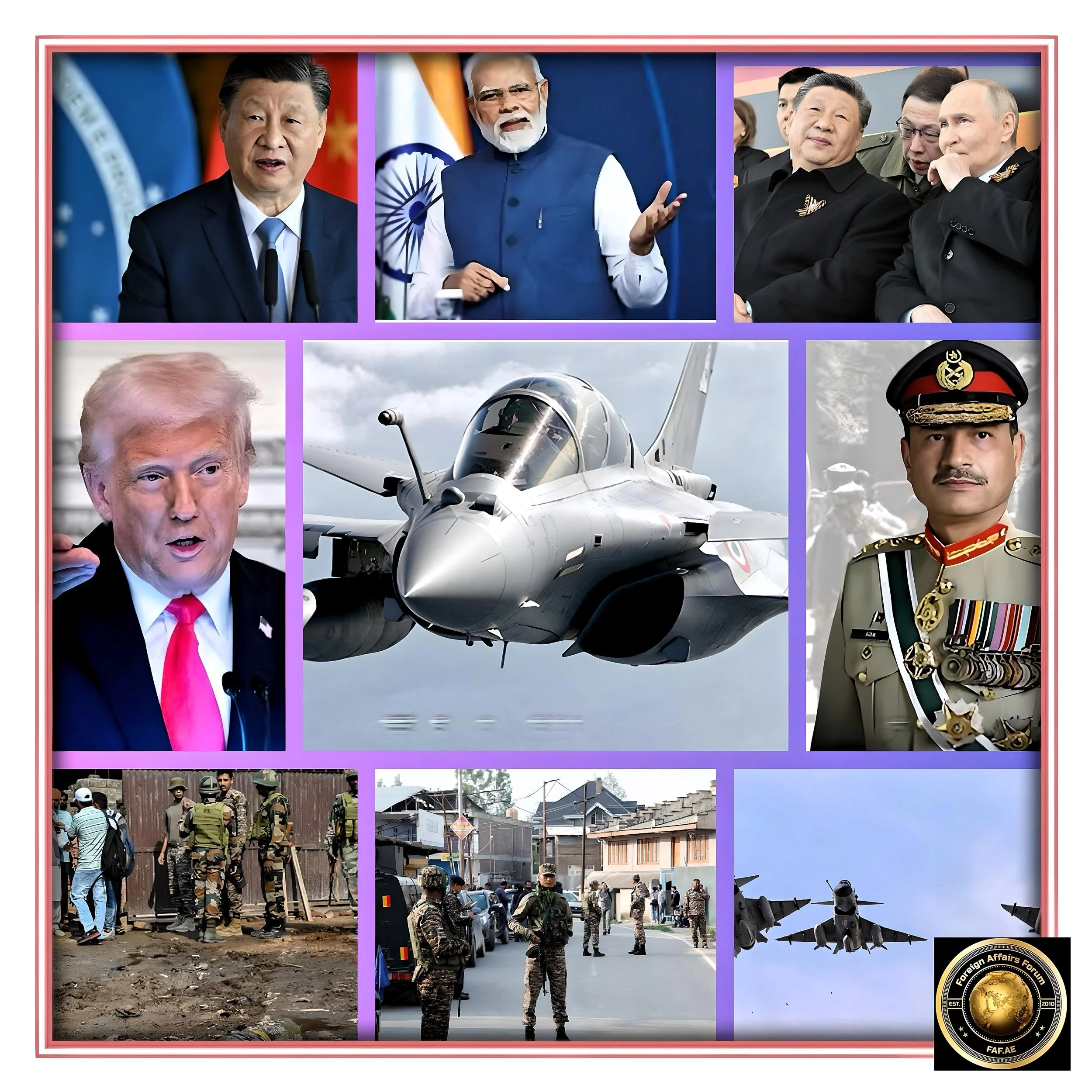
Pakistan has employed sophisticated dark psychological operations against India in recent conflicts, utilizing advanced misinformation, disinformation, and psychological tactics aimed at securing international support and undermining opposition within India.
Gaining International Support
Following incidents such as the Pahalgam terror attack and India’s retaliatory strikes, including Operation Sindoor, Pakistan has accused India of “acts of war” and depicted itself as a victim of Indian aggression on platforms such as the United Nations.
The objective has been to garner diplomatic sympathy by portraying Pakistan as defending its sovereignty against unwarranted Indian military actions.
Pakistan has proposed participation in neutral and transparent investigations into incidents like the Pahalgam attack, intending to improve its international image as a cooperative and rational actor committed to peace, while simultaneously framing India as reckless and provocative.
Diplomatic messaging has emphasized Pakistan's role as a frontline state combating regional terrorism and instability, seeking reassurance from international partners and attempting to divert accusations of state-sponsored militant activities.
By framing India as a violator of bilateral agreements, such as the Simla Agreement, Pakistan has aimed to foster skepticism within international diplomatic circles regarding India’s narratives, seeking to influence global opinion or at least create doubt over India’s moral authority.
Strategic communications have also highlighted Pakistan’s position as a regional counterterrorism actor, seeking to bolster its reputation as a stabilizing force and to discredit Indian military actions.
Undermining Indian Opposition Parties
Pakistan has exploited internal political divisions within India by amplifying narratives critical of the ruling Bharatiya Janata Party (BJP) through targeted propaganda.
Prime Minister Narendra Modi appeared to face a challenging period when responding to the opposition party of the Congress regarding the issue of the suspension of Operation Sindoor and Pakistan's false propaganda about downing Indian aircraft.
What was commendable on the part of Indian political leadership was their refusal to succumb to the psychological tactics employed by the Western bloc, which purportedly acted as intermediaries in brokering peace between India and Pakistan.
Prime Minister Narendra Modi explicitly stated that the Western bloc had no role in the peace process, asserting that the intervention was made at the request of Pakistan's high command to cease hostilities based on conditions set forth by Indian leadership.
On the contrary it is evident, Pakistan’s efforts continue to focus on alleged misuse of political authority, human rights violations in Kashmir, and nationalist excesses, aiming to strengthen opposition voices and sow doubt regarding the government’s credibility among Indian voters, including appeasing President Trump to get the noble prize for his efforts.
Through social media campaigns and digital propaganda networks, Pakistan has circulated disinformation and emotionally charged content targeting opposition leaders.
These efforts depict opposition figures as weak on national security or complicit in state repression, thereby deepening societal polarization.
Furthermore, Pakistan has leveraged sensitive issues such as communal tensions and Kashmir politics to foster societal division, weakening internal cohesion within India and providing opposition groups with strategic material for political criticism.
Disinformation about Indian military failures and alleged dissent within the armed forces has also been utilized to erode public confidence and create political instability advantageous to Pakistan’s broader objectives.
Documented Operations since 2024
Since 2024, Pakistan’s military and intelligence communities have orchestrated extensive misinformation campaigns during periods of heightened tension, notably during the 2025 India-Pakistan crisis.
These operations have involved the dissemination of false narratives through fake news, doctored videos, and social media bots, often claiming Indian military failures, such as the downing of Indian jets, or spreading false information about military operations including Operation Sindoor.
Efforts have also included accusations against India of attacking religious sites and civilian areas to incite communal unrest and garner international sympathy.
During this period, Pakistan has strategically employed digital propaganda intertwined with support for insurgent and separatist groups within India and Pakistan, such as in Balochistan and Kashmir.
These campaigns aim to exploit ethnic and religious fissures, undermine Indian stability, and promote narratives portraying Pakistan as a victim of Indian hostility.
The military exercise "Exercise Hammer Strike,” publicly disclosed in 2025, exemplifies Pakistan’s dual strategy of demonstrating military strength and psychological influence, aimed at shaping global and regional perceptions of Pakistan’s capabilities and resolve.
The May 2025 border clashes further exemplify Pakistan’s information warfare, with coordinated dissemination of exaggerated or fabricated reports of Indian casualties and military successes, utilizing artificial intelligence-generated visuals and fake news to create confusion, panic, and internal political discord within India.
These disinformation efforts also seek to influence international opinion against Indian military actions.
Pakistan's Inter-Services Public Relations (ISPR) and related entities have been identified as orchestrating comprehensive misinformation campaigns to criticize Indian political figures, particularly opposition leaders, and to intensify internal discord.
These activities aim to undermine trust in India's security policies and human rights record.
In summary, Pakistan’s recent use of dark psychology reveal a multifaceted approach integrating traditional propaganda, cyber misinformation, insurgent support, and military signaling.
The overarching goal is to influence domestic and international audiences and to destabilize India internally.
Pakistan’s employment of psychological tactics combines diplomatic messaging aimed at garnering global support with targeted efforts to exploit internal political vulnerabilities.
Through disinformation, emotional manipulation, and strategic narratives, Pakistan seeks to erode international trust in India’s conduct while deepening domestic political fissures, thereby advancing its broader geopolitical objectives.
Some of many stark successes as a result of Pakistan dark psychology have been.
Securing loans
loan extensions and new financial agreements with the IMF. Most recently, Pakistan is discussing reviews and progress on an $8.4 billion loan package including the Extended Fund Facility (EFF) and the Resilience and Sustainability Facility (RSF).
These agreements showed “significant progress” and the IMF is optimistic about near staff-level agreement approval after ongoing negotiations through 2025.[imf +3]
Indus valley treaty
World Bank has expressed principled support for Pakistan amid India’s unilateral suspension of the treaty.
This backing favors Pakistan as the treaty governs crucial water sharing and India suspending the treaty harms Pakistan’s irrigation-dependent agriculture and water security. Pakistan has welcomed this stance as important international support.
White house invite - Field Marshal Asim Munir
The invitation of Pakistan’s Army Chief, Field Marshal Asim Munir, by President Trump to the White House in June 2025 marked an unprecedented high-level engagement.
This closed-door meeting focused on regional security, economic ties, and Iran-related intelligence. Trump praised Munir and highlighted his role in calming India-Pakistan hostilities, which averted potential nuclear escalation.
Saudi-Pakistan defense agreement
Pakistan and Saudi Arabia signed a Strategic Mutual Defense Agreement (SMDA) on September 17, 2025, significantly strengthening their defense cooperation.
This pact includes an implicit nuclear umbrella arrangement whereby Pakistan’s nuclear deterrent is extended to Saudi Arabia, marking a historic non-NPT state nuclear deterrence guarantee.
The exact terms are undisclosed, but the agreement is a major geopolitical development signaling solidarity and mutual defense obligations.
In sum, Pakistan’s diplomatic and strategic “dark psychology” tactics have helped it obtain favorable financial deals from the IMF, gain World Bank support on water issues, and garner significant military alliances highlighted by Trump’s high-level invitation to Munir and its nuclear defense pact with Saudi Arabia.
These moves reinforce Pakistan’s regional positioning amid ongoing tensions with India and shifting Middle Eastern alliances.
This context supports the observation that Pakistan has succeeded in advancing its interests through complex geopolitical maneuvering, leveraging economic, military, and diplomatic channels effectively, using dark psychology.
ISRAEL- Hamas Dark psychology
⬇️
The conflict between Israel and Hamas involves significant elements of dark psychology and psychological warfare, which have global geopolitical ramifications.
Dark Psychology in Israel-Hamas Conflict
Hamas uses psychological warfare tactics notably characterized by “psychological asymmetry,” where a militarily weaker opponent exploits psychological tactics to gain advantage.
This includes portraying themselves as victims to manipulate global opinion and using graphic, sometimes staged scenes of civilian suffering to influence international media narratives.
Hostage-taking is also employed by Hamas as a cognitive warfare tool to fracture Israeli public unity and manipulate international empathy, creating emotional attrition.
The cruelty and sadistic behaviors promoted within Hamas are possibly rooted in social and psychological conditions in Palestinian territories, reinforcing cycles of trauma and violence which Hamas exploits for dominance and control.
Geopolitical Impacts and Global Effects
The conflict has rewired key Middle Eastern geopolitical alignments, reversing recent normalization efforts such as the Abraham Accords and straining Israel’s relations with the arab world.
The war inflames domestic instability in several Arab states by swelling Palestinian support among populations frustrated with their autocratic regimes.
Globally, the conflict distracts from other geopolitical crises like the war in Ukraine and threatens to escalate tensions involving Iran and the wider Middle East.
Europe and United States faces increased antisemitism, political polarization, and fragmentation along fault lines over support for Israel or Palestinians.
Energy markets are affected due to potential escalation impacting oil prices, influencing the West’s sanctions policies on Russia.
Psychological Warfare Strategies from Both Sides
Hamas’s psychological campaign has been effective in undermining Israeli morale and public cohesion through its use of terror, hostage situations, and media manipulation.
Israel responds with overwhelming military force, targeting not only militants but also critical civilian infrastructure in Gaza to break morale, creating a continuous atmosphere of fear and vulnerability.
This response also entails a psychological dimension within its military operations to weaken Hamas and its support base, despite the humanitarian consequences.
The Israel-Hamas conflict embodies a complex interplay of dark psychology used as a weapon of war, influencing both the immediate military landscape and broader geopolitical relations.
Its global impact is profound, affecting regional stability, international alliances, public sentiment, and global markets.
Conclusion
Dark psychology is a multifaceted discipline that involves the study of manipulation techniques, personality assessment, and human behavioral patterns.
In the context of contemporary geopolitics and the increasingly multipolar world, awareness of these concepts underscores their significance for national survival as nations adapt to evolving global dynamics.
Acquiring knowledge in this field offers essential protection against exploitation while also enhancing emotional intelligence and interpersonal skills.
The prudent application of this knowledge emphasizes ethical considerations—using it to defend rather than harm, to comprehend rather than exploit, and to foster relationships grounded in mutual respect and sincere communication.
By developing competencies such as interpreting body language, identifying manipulation strategies, understanding various personality types, and establishing psychological resilience, individuals can better navigate social interactions.
This approach safeguards their autonomy and well-being. It is important to recognize that true strength resides not in the capacity to manipulate others, but in the wisdom to identify manipulation and maintain authentic, ethical relationships.