Comparative Analysis of US LGM-30 Minuteman III and Russia RS-28 Sarmat (Satan II ) ICBMs: Strategic Capabilities and Global Implications
Introduction
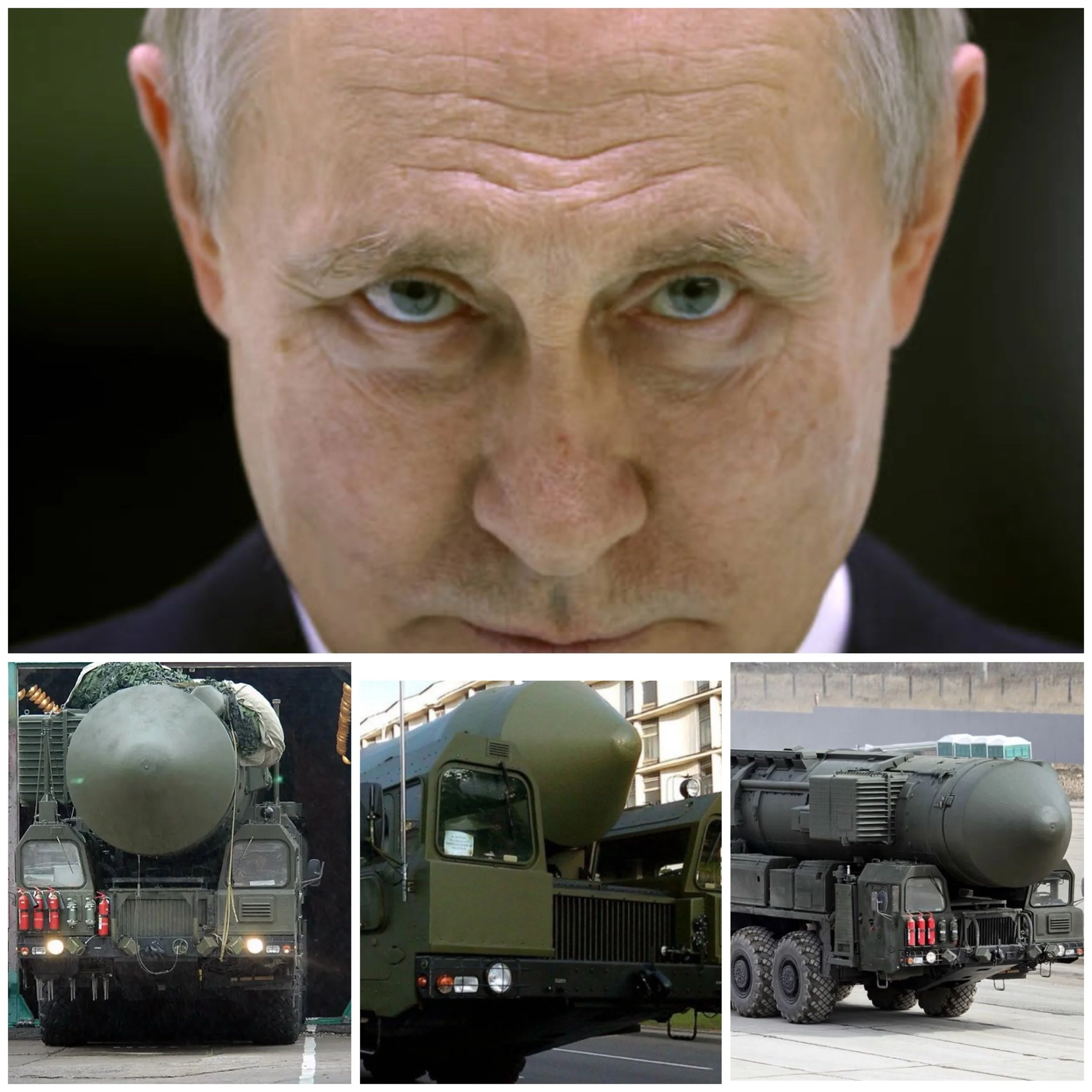
The LGM-30 Minuteman III and RS-28 Sarmat represent the pinnacle of intercontinental ballistic missile technology for the United States and Russia, respectively, embodying decades of nuclear weapons development and strategic deterrence doctrine.
While both missiles serve as cornerstones of their nations’ nuclear triads, they demonstrate fundamentally different design philosophies and operational approaches.
The Minuteman III, operational since 1970, emphasizes proven reliability and accuracy through solid-fuel propulsion and extensive testing, whereas the newer Sarmat, which entered service in 2023, prioritizes overwhelming payload capacity and anti-defense penetration through liquid-fuel technology and advanced countermeasures.
FAF, Defense.Forum analysis reveals that while the Sarmat possesses superior range and payload capabilities, the Minuteman III maintains advantages in operational reliability and deployment flexibility, creating a complex strategic balance between these two nuclear superpowers.
Technical Specifications and Design Philosophy
The fundamental differences between the Minuteman III and RS-28 Sarmat begin with their physical dimensions and propulsion systems.
The Minuteman III stands 18.2 meters tall with a diameter of 1.85 meters and weighs 34,467 kilograms at launch. In stark contrast, the Sarmat is a significantly larger weapon system, measuring 35.3 meters in length with a 3.0-meter diameter and an imposing launch weight of 208,100 kilograms.
This substantial size difference reflects the divergent design philosophies underlying each missile system.
The propulsion technologies employed by these missiles represent contrasting approaches to ICBM design.
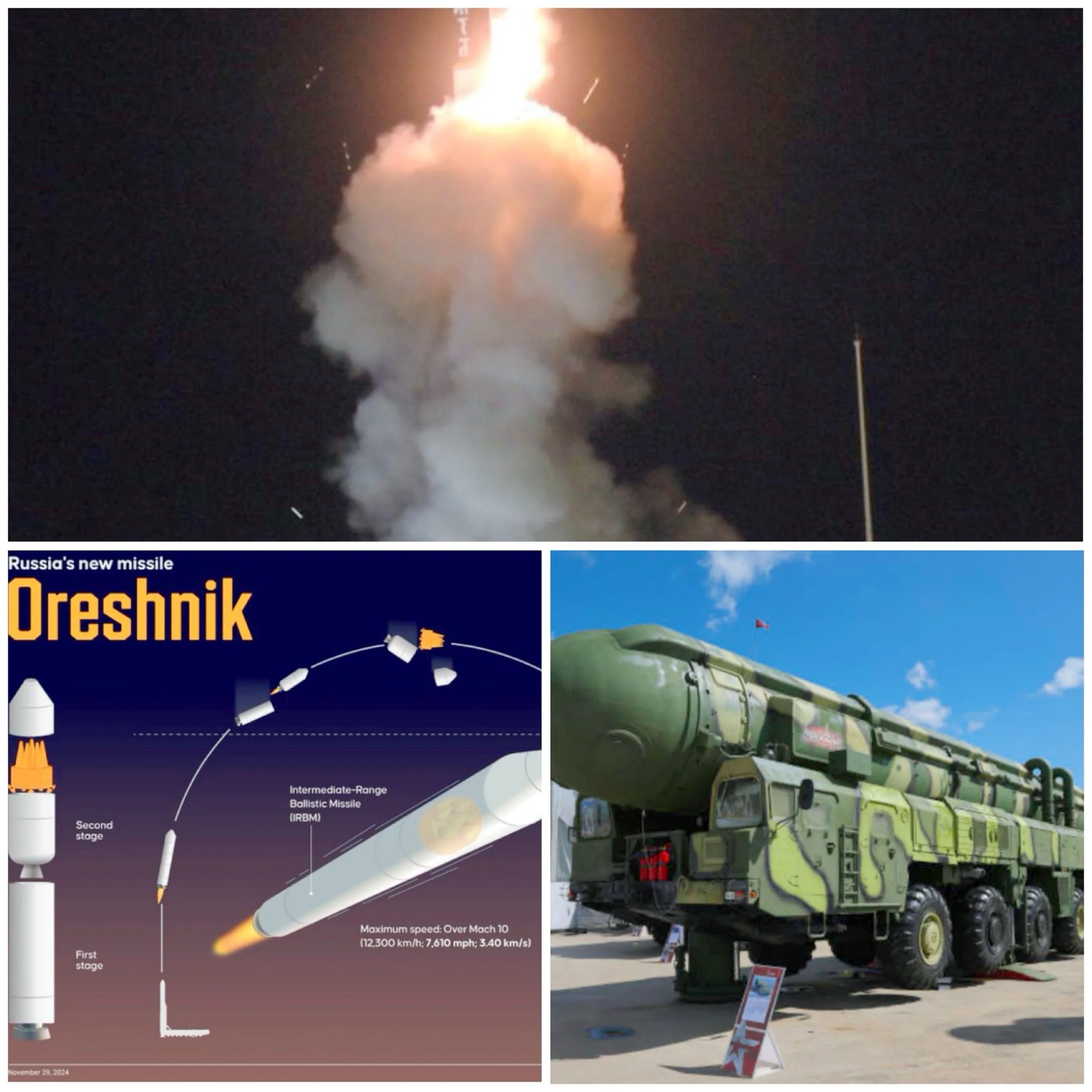
The Minuteman III utilizes a three-stage, solid-fuel rocket engine system. It consists of an Orbital ATK-refurbished M55 first stage producing 202,600 pounds of thrust, an SR19 second stage generating 60,721 pounds, and an SR73 third stage delivering 34,400 pounds of thrust.
This solid-fuel design provides immediate readiness and simplified maintenance, allowing the missile to remain alert for extended periods without fueling procedures. Conversely, the Sarmat employs a three-stage, liquid-fueled propulsion system.
While liquid fuel systems require more complex handling and preparation procedures, they typically offer superior specific impulse and greater payload capacity, which aligns with Russia’s strategy of maximizing warhead delivery capability.
Both missiles' guidance and accuracy systems reflect their operational requirements and technological development timelines. The Minuteman III employs an inertial guidance system that provides a circular error probability (CEP), allowing for precise targeting of hardened military installations.
The Sarmat, a recent development, incorporates advanced guidance technologies designed to penetrate modern anti-ballistic missile systems through unpredictable flight paths and reduced boost phase signatures.
Range, Speed, and Payload Capabilities
The operational parameters of these missiles reveal distinct strategic emphases in their respective nuclear doctrines.
The Minuteman III's maximum range is approximately 13,000 kilometers, enabling it to reach targets across continents from its Montana, North Dakota, and Wyoming deployment sites.
The missile achieves speeds of approximately 15,000 mph (Mach 23-24) at burnout, classifying it as a hypersonic weapon system.
Recent test flights have demonstrated the missile’s ability to complete a 4,200-mile course in approximately 22 minutes, striking test targets near the Kwajalein Atoll in the Pacific Ocean.
The RS-28 Sarmat demonstrates superior range capabilities, with an operational reach of 10,000 to 18,000 kilometers.
This extended range allows Russia to engage targets worldwide through multiple flight paths, including polar and counter-polar trajectories that can circumvent existing missile defense installations.
While specific speed data for the Sarmat remains classified, its liquid-fuel propulsion system and advanced design suggest comparable or superior velocity to the Minuteman III.
The payload capacities of these systems reflect their distinct strategic roles.
The Minuteman III originally carried three multiple independently targetable reentry vehicles (MIRVs) during the Cold War era, with each W62 warhead delivering approximately 170 kilotons of explosive yield.
However, under current New START treaty obligations, the Minuteman III has been configured to carry a single warhead, either a W78 (335 kilotons) or W87 (300 kilotons).
This de-MIRVing process, completed in 2016, significantly reduces the missile’s theoretical destructive capacity but maintains compliance with bilateral arms control agreements.
In contrast, the Sarmat maintains its multiple warhead capability, designed to carry up to 10 large nuclear warheads, 16 smaller warheads, or various combinations of warheads and penetration aids.
The missile can also deploy hypersonic boost-glide vehicles, representing an advanced capability to defeat current and projected missile defense systems. With a maximum payload capacity of 10 tons, the Sarmat can deliver significantly more destructive power per missile than the current Minuteman III configuration.
Strategic Deployment and Operational Readiness
The deployment strategies for these missile systems reflect their nations’ geographic constraints and strategic doctrines.
The United States maintains 400 Minuteman III missiles deployed across three Air Force bases: F.E. Warren Air Force Base in Wyoming, Malmstrom Air Force Base in Montana, and Minot Air Force Base in North Dakota.
These missiles are housed in hardened underground silos connected to launch control centers through reinforced cable systems, with two-officer crews maintaining around-the-clock alert status.
The Minuteman III’s operational concept emphasizes rapid response capability and survivability through dispersion. Should primary command and control systems be compromised, specially configured E-6B airborne launch control center aircraft can assume command of isolated missile installations.
This redundancy ensures continuity of deterrent capability even under severe attack conditions.
Russia’s deployment strategy for the Sarmat focuses on replacing the aging SS-18 Satan missiles at existing silo installations.
The missile’s enhanced capabilities are designed to overcome the United States’ Ground-Based Midcourse Defense system and other missile defense installations. It can carry multiple types of penetration aids and decoy systems.
Potential Strategic Impact and Destructive Capacity
The destructive potential of these weapon systems in a hypothetical global conflict scenario would be catastrophic for both nations and the international community.
A single Minuteman III missile, carrying either a W78 or W87 warhead, would deliver between 300-335 kilotons of nuclear explosive power.
For comparison, the atomic bomb dropped on Hiroshima yielded approximately 15 kilotons, making each Minuteman III warhead roughly 20 times more potent than the weapon that devastated that Japanese city.
The RS-28 Sarmat’s capacity to carry up to 10 large warheads per missile exponentially increases its destructive potential.
If each warhead carried a yield similar to current Russian strategic weapons (estimated at 500 kilotons to 1 megaton), a single Sarmat could deliver the equivalent of 5-10 megatons of explosive power across multiple targets.
The missile’s ability to target different locations independently through MIRV technology means that one Sarmat could simultaneously strike multiple American cities or military installations.
In a full-scale exchange scenario, the United States’ 400 deployed Minuteman III missiles could theoretically deliver 400 nuclear warheads with a combined yield of approximately 120-134 megatons.
Russia’s planned deployment of approximately 50 Sarmat missiles, assuming maximum warhead loading, could deliver up to 500 warheads with potentially 250-500 megatons of combined explosive power.
These calculations exclude submarine-launched ballistic missiles and air-delivered weapons, which would significantly increase the total destructive capacity available to both nations.
International Missile Capabilities and Comparisons
China has developed several intercontinental ballistic missiles that provide strategic capabilities comparable to those of the Minuteman III and Sarmat systems.
The DF-41 (Dong Feng-41) is China’s most advanced mobile ICBM.
It has an operational range of 12,000-15,000 kilometers and can carry 10 MIRV warheads.
The missile’s road-mobile design provides enhanced survivability compared to silo-based systems, as it can be relocated to avoid targeting by enemy forces.
The DF-41’s solid-fuel propulsion system enables rapid deployment and launch, similar to the operational advantages of the Minuteman III.
China’s earlier DF-5 series demonstrates the nation’s capability to deploy heavy, silo-based ICBMs comparable to the Sarmat.
The DF-5B variant can carry multiple warheads and possesses a range of 13,000 kilometers, sufficient to reach targets throughout the United States and Western Europe.
China’s development of these systems reflects its growing strategic nuclear capabilities and desire to maintain credible deterrence against the United States and Russia.
The European Union, through France, maintains the M51 submarine-launched ballistic missile (SLBM) as its primary strategic nuclear delivery system.
The M51 carries 6-10 independently targetable TN 75 thermonuclear warheads, each yielding approximately 110 kilotons, launched from nuclear submarines.
While the M51’s range of 8,000-10,000 kilometers is less than that of the major nuclear powers' intercontinental missiles, it provides France with credible nuclear deterrence capability within European and regional contexts.
The submarine-based deployment enhances survivability compared to land-based systems, as nuclear submarines can remain undetected for extended periods.
Anti-Missile Defense Systems and Countermeasures
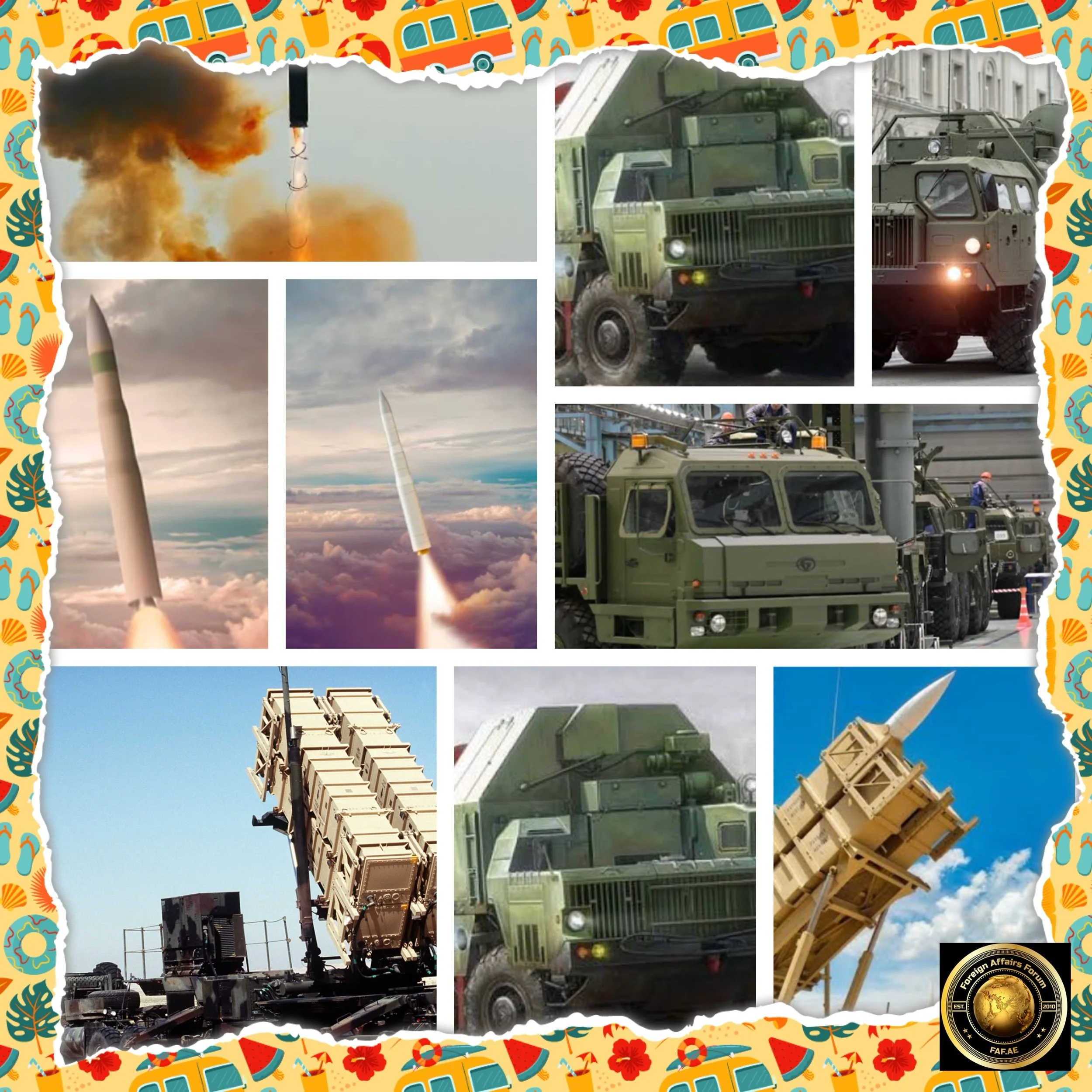
The United States operates the Ground-Based Midcourse Defense (GMD) system as its primary defense against intercontinental ballistic missile attacks.
The system employs Ground-Based Interceptors (GBIs) stationed at Fort Greely, Alaska, and Vandenberg Space Force Base in California. A total of 64 interceptors are planned for deployment.
Each GBI utilizes an Exoatmospheric Kill Vehicle designed to destroy incoming warheads through direct collision during the midcourse phase of their trajectory.
However, the effectiveness of the GMD system against modern ICBM threats remains limited.
The system has achieved mixed results in testing, with recent improvements showing promise but significant limitations against multiple warhead attacks.
The Sarmat’s ability to carry up to 10 warheads plus decoys and penetration aids would likely overwhelm the current GMD system’s capacity, as the limited number of interceptors could not engage all incoming threats simultaneously.
Russia maintains the A-135 anti-ballistic missile system around Moscow, designed to intercept incoming warheads targeting the capital city.
The system consists of the Don-2N battle management radar and two types of ABMs capable of engaging threats at different altitudes. While operational since 1995, the A-135 system provides limited geographical coverage compared to the GMD system’s national scope.
Russia has also developed the S-500 surface-to-air missile system, which reportedly achieved a record intercept at 480 kilometers distance and can engage hypersonic missiles, aircraft, and ballistic missile warheads.
The technological arms race between offensive missiles and defensive systems continues to evolve.
The Minuteman III and Sarmat incorporate features designed to defeat missile defense systems, including maneuverable reentry vehicles, electronic countermeasures, and decoy deployment capabilities.
The Sarmat’s advanced penetration aids and hypersonic glide vehicle capability represent specific responses to current and projected improvements in American missile defense.
Conclusion
The comparison between the LGM-30 Minuteman III and RS-28 Sarmat highlights divergent technological approaches to strategic nuclear deterrence, reflecting the strategic doctrines and resource allocation priorities of the United States and Russia.
The RS-28 Sarmat exhibits superior specifications in several key areas, including payload capacity, range, and advanced penetration capabilities.
This aligns with Russia’s strategy of overwhelming missile defense systems through technological advancements and significant destructive potential.
Conversely, while the Minuteman III is smaller and less sophisticated in specific metrics, it offers critical advantages in operational reliability, deployment versatility, and a proven track record built on decades of rigorous testing and upgrades.
In terms of sheer destructive power, the Sarmat presents a heightened threat due to its capability to deploy multiple high-yield warheads and implement sophisticated countermeasures against missile defense frameworks.
However, the strategic calculus surrounding these systems extends beyond their technical attributes, encompassing factors such as deployment quantities, command and control infrastructure, and the broader nuclear force structure.
Currently, the United States boasts a deployed ICBM arsenal of 400 Minuteman III missiles in contrast to Russia's projected 50 Sarmat deployments.
This disparity creates a complex strategic environment where numerical superiority may balance the impact of individual missile capabilities.
In a hypothetical nuclear exchange between these superpowers, the potential for catastrophic devastation would be historically unprecedented, with both nations equipped to cause societal collapse and significant environmental disruption on a global scale.
Existing missile defense systems from both countries offer limited efficacy against these advanced delivery platforms, particularly when countering multiple warhead strikes or sophisticated penetration aids.
Additionally, the rise of comparable capabilities from China and the ongoing advancements in missile defense technologies among all major powers imply an evolving strategic competition that necessitates continual diplomatic efforts to uphold stability and avert the deployment of these existentially threatening weapons.