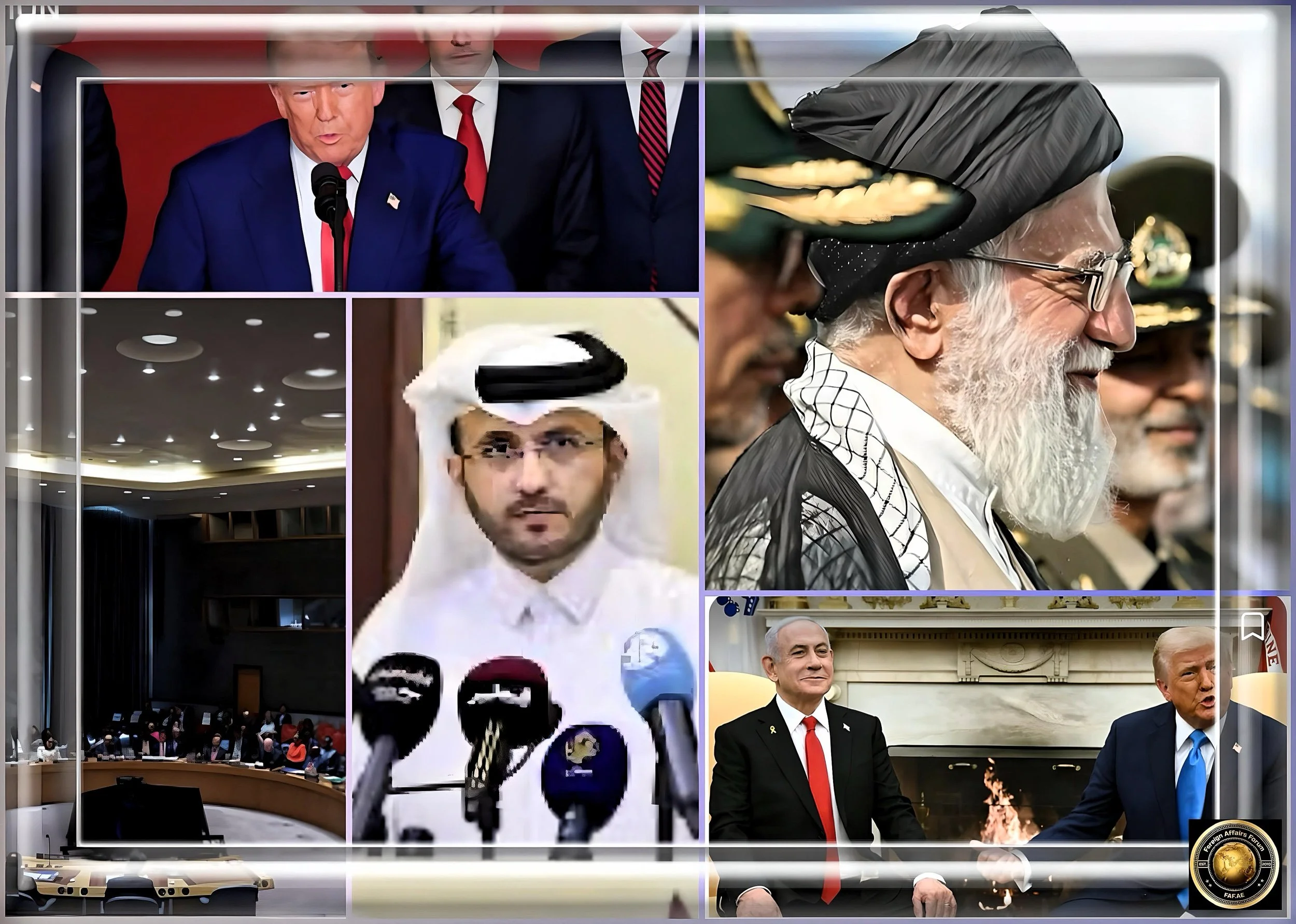
War.Live- A New Chapter in the Ongoing Struggle The situation surrounding the U.S. involvement in this conflict is raising crucial questions: Have we really lost this war? If so, to whom?
Introduction
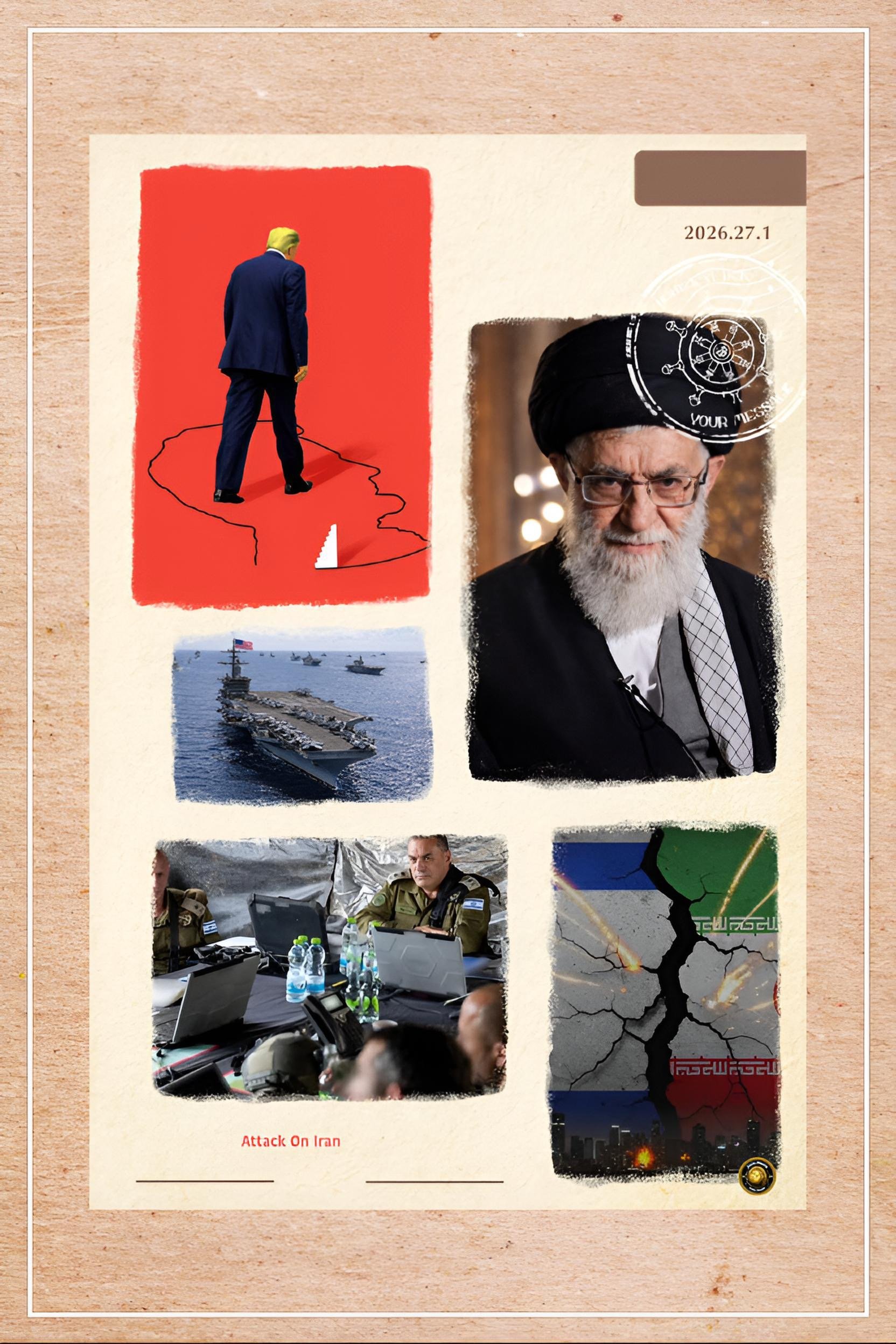
The geopolitical narrative concerning U.S.-Iran relations is evolving significantly, with just recent developments underscoring that the conflict is far from resolved.
This analysis will unpack the recent hostilities, cessation attempts, and the global ramifications of these events.
The sequence of Iran's missile strike on a U.S. facility in Qatar, juxtaposed with the Trump administration's proclamation of a ceasefire, prompts critical scrutiny of U.S. strategic coherence and overarching geopolitical consequences.
Timeline of Recent Events
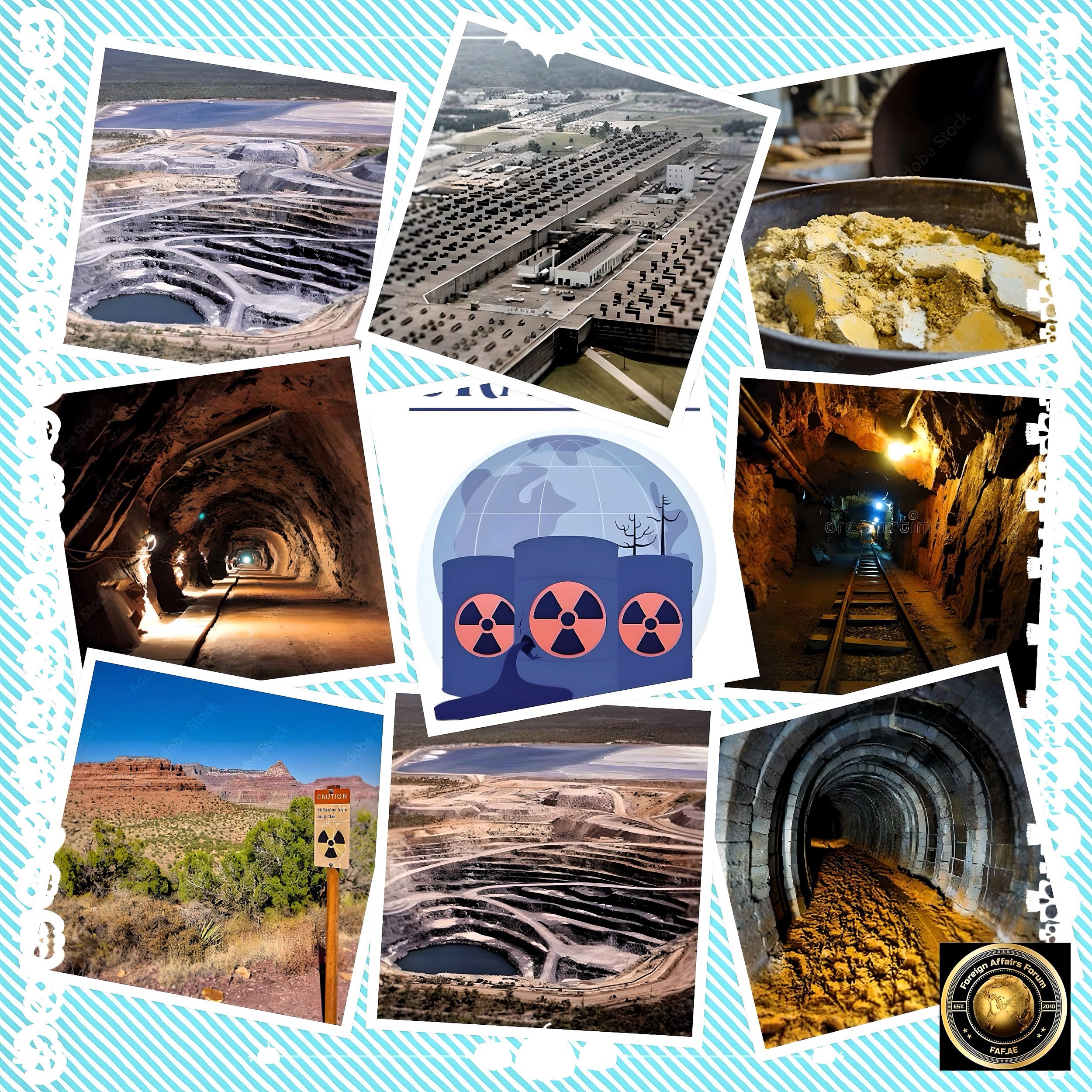
The crisis was instigated by the United States launching **Operation Midnight Hammer** on June 21, 2025, targeting three pivotal Iranian nuclear sites: Fordow, Natanz, and Isfahan.
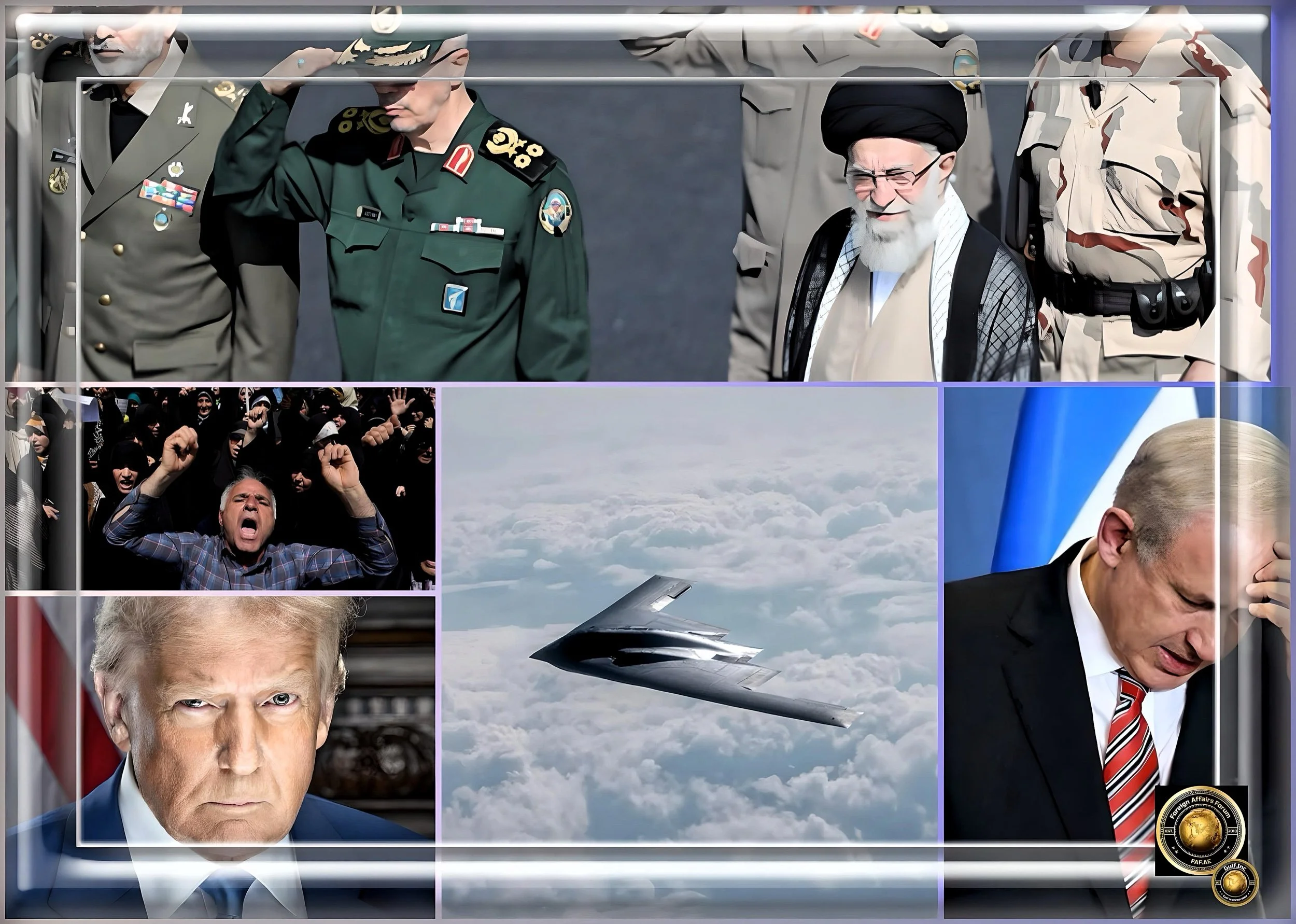
This marked a significant escalation in U.S. military engagement, employing over 125 military aircraft, including advanced stealth bombers—a historic moment as it was the first time U.S. forces directly struck Iran’s nuclear infrastructure.
In retaliation, Iran executed a missile strike on June 23, 2025, against the ‘Al Udeid Air Base’ in Qatar—home to approximately 8,000 U.S. troops and the cornerstone of American military presence in the region.
The Iranian Revolutionary Guard Corps (IRGC) characterized this offensive as a potent and decisive response to U.S. actions.
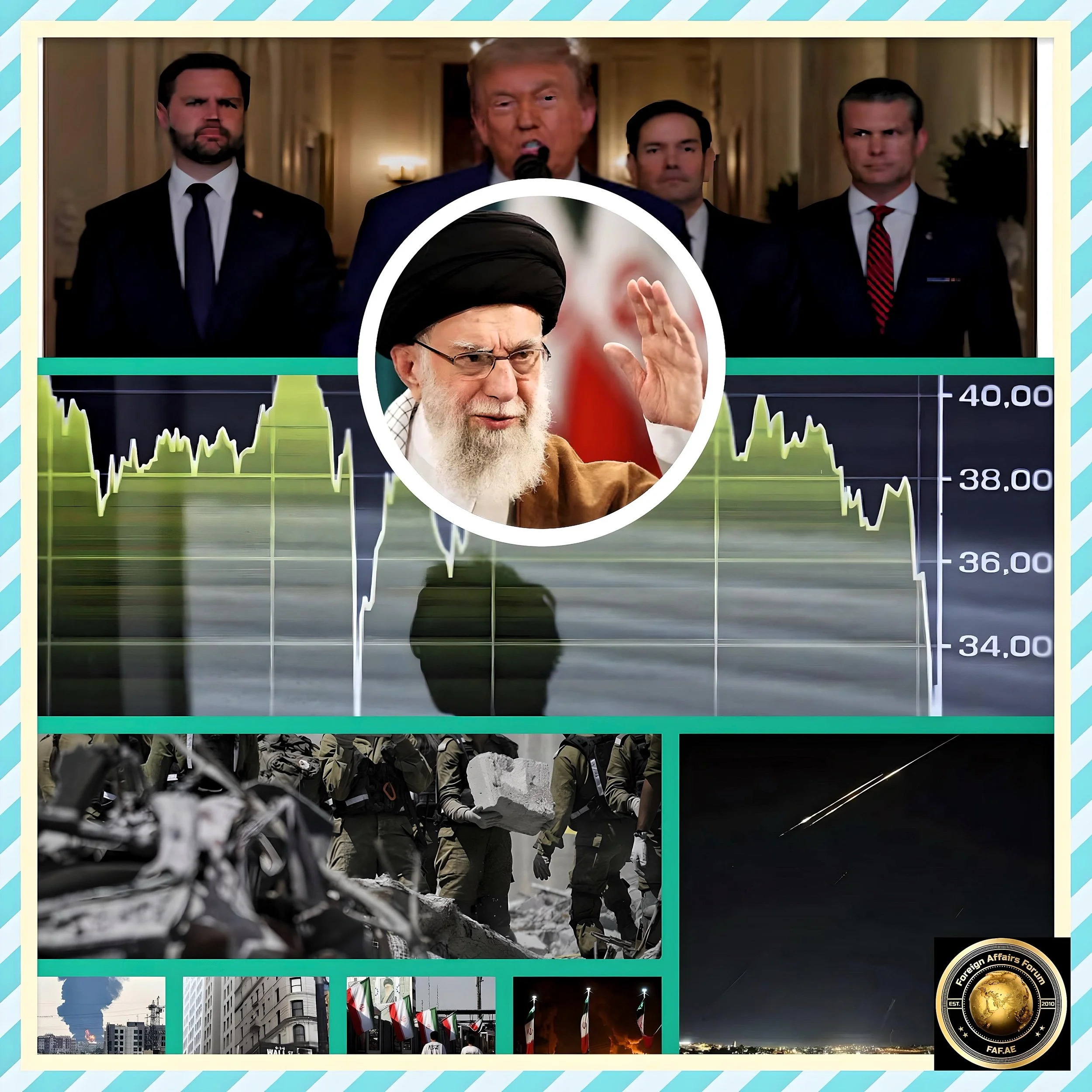
In a remarkable turn of events, President Trump announced a "complete and total ceasefire" mere hours after the Iranian strike, asserting that the conflict would resolve within 24 hours.
He termed this the 12 Day War and outlined a phased ceasefire process, starting with Iran ceasing its offensive operations, followed by Israel's accord shortly thereafter.
Apparent Contradictions in Trump’s Approach
Mixed Messages on Regime Change
Trump’s rhetoric on Iran has exhibited notable inconsistencies.
While the ceasefire was announced, he simultaneously questioned the competence of the Iranian leadership via social media, implying a potential shift in regime: “It’s not politically correct to use the term ‘Regime Change,’ but if the current Iranian Regime is unable to MAKE IRAN GREAT AGAIN, why wouldn’t there be a Regime change??? MIGA!!!”.
This statement contrasts sharply with Defense Secretary Pete Hegseth’s assertion that the U.S. mission did not intend to effect regime change. Additionally, Vice President JD Vance reiterated that U.S. objectives focus on curtailing Iran’s nuclear capabilities rather than altering its governance.
Strategic Timing Questions
The abrupt transition from military confrontation to a ceasefire announcement raises fundamental questions regarding U.S. strategic calculus. Possible interpretations of this pivot include:
Calculated De-escalation
It appears the U.S. may have accomplished its primary goal of debilitating Iran's nuclear ambitions and opted to accept Iran's restrained retaliation to stave off a broader conflagration.
Concern Over Vulnerability
With approximately 40,000 U.S. personnel deployed throughout the Middle East, there may have been a recognition of their susceptibility to further Iranian counterstrikes.
Diplomatic Maneuvering
Qatar's role in mediating the situation, including direct communication between its Prime Minister and Iranian officials, indicates that diplomatic backchannels may have been in place prior to the engagemen
Iran’s Response Strategy
Iran's retaliation was strategically designed, employing a measured approach. The missile strike on the Al Udeid Air Base appears to have been calibrated to assert a position without triggering a disproportionate response.
Key aspects of Iran’s response include
Advance Warning
Iran provided prior notice to U.S. forces about the impending missile strike, allowing for preparatory measures that minimized potential casualties.
Limited Scope
The strike was directed exclusively at military installations, carefully avoiding civilian areas in Qatar.
Symbolic Proportionality
Iran asserted that the missiles launched corresponded in quantity to the bombs deployed by the U.S. in its initial attack on Iranian facilities.
U.S. Military Vulnerability Concerns
The ongoing crisis has exposed critical vulnerabilities within the U.S. military’s operational posture in the Middle East.
Notably, the Pentagon began repositioning its assets in anticipation of Iranian retaliation, including the withdrawal of aircraft from Al Udeid Air Base.
This suggests acute awareness among military planners of the risks posed to American forces.
The U.S. maintains key military installations in the region that could be susceptible to Iranian aggression, including:
- Al Udeid Air Base in Qatar (the largest U.S. base in the region)
- Navy Fifth Fleet headquarters in Bahrain
- Multiple bases in Iraq and Syria
- Al Dhafra Air base
International Reactions
Middle Eastern Responses
Gulf States
Despite their strategic partnerships with the United States, countries in the Gulf have expressed unease regarding the escalating tensions. Qatar publicly condemned the attack on its sovereignty while also playing an active role in mediating a ceasefire.
Saudi Arabia, despite its security alliance with the US, voiced “great concern” and urged for restraint. Similarly, the UAE and Bahrain criticized Iran’s actions and called for de-escalation.
Arab League Nations
Egypt warned of the potential for the region to descend further into chaos, while Lebanon’s President Joseph Aoun noted that the attacks heightened fears of escalation. Iraq, which hosts US military installations, expressed “deep concern and strong condemnation” regarding the situation.
Global Powers
China and Russia
Both nations issued strong denunciations of the US military strikes on Iranian nuclear facilities.
Chinese President Xi Jinping cautioned that instability in the Middle East has global ramifications, asserting, “if the Middle East is unstable, the world will not be at peace.” Russia’s foreign ministry characterized the US actions as “irresponsible” and a “gross violation of international laws.”
European Union
EU officials collectively called for de-escalation, with some members openly critiquing the legality of the US strikes. The director general of the International Atomic Energy Agency (IAEA) emphasized the necessity of diplomatic resolutions.
United Nations
Secretary-General António Guterres articulated grave concern, labeling the situation as “a dangerous escalation in a region already on the brink,” while emphasizing that “there is no military solution” to the issues at hand.
Regional Security Implications
The ongoing crisis has illuminated deep-seated anxieties among regional partners regarding potential entanglement in a wider conflict.
Despite hosting US military assets, many Gulf states fear that heightened tensions could imperil their security and economic stability.
This apprehension has been evident in their concerted calls for diplomatic solutions, despite their alignment with the United States.
Assessment
Strategy or Improvisation?
The series of events indicates a complex interplay between strategic calculations and reactive decision-making rather than a coherent conspiracy narrative. Key factors supporting this interpretation include:
Strategic Elements
- The timing of the ceasefire announcement suggests substantial diplomatic groundwork had already been laid.
- Qatar’s successful mediation highlights the existence of established communication channels.
- The measured nature of military actions on both sides indicates a mutual interest in averting full-scale conflict.
Reactive Elements
- Varied statements on regime change reflect potential divergences within the US administration.
- The swift transition from military action to a ceasefire announcement appears to respond directly to Iran’s calibrated retaliation.
- The vulnerability of US forces likely influenced the expedited de-escalation.
Conclusion
The recent developments should not be misconstrued as a conspiracy; instead, they reflect the intricate dynamics of contemporary geopolitical crisis management.
The United States has achieved a degree of success in undermining Iran’s nuclear ambitions, while Iran has proven its ability to retaliate against American forces.
However, Iran's breach of the ceasefire through an attack on Israel adds a new layer of complexity to the dynamics at play.
The prospect of disengagement from further escalation via diplomatic means remains uncertain, though Qatar’s role as a pivotal mediator is clear.
The risk of further military conflict appears significant at this juncture, with the international community displaying considerable concern for regional stability.
Most nations advocate for diplomatic resolutions, albeit with varying levels of support for the involved parties.
This crisis underscores the dangers of military escalation in the Middle East and highlights the critical need for robust diplomatic channels to prevent broader conflicts.
Furthermore, the inconsistencies in US communications may stem from the inherent complexities of balancing domestic political pressures, alliance dynamics, and strategic objectives within a volatile context where miscalculations could yield severe repercussions.