Riyadh.Media- Syria’s Christians Ask ‘Why Us?’ After Damascus Church Bombing
Introduction
The devastating suicide attack on Mar Elias Church in Damascus has left Syria’s Christian community grappling with profound questions about their safety and future under the country’s new Islamist-led government.
The bombing, which killed 25 people and wounded over 60 others, represents the first successful Islamic State attack on a church since the fall of Bashar al-Assad’s regime in December 2024.
The Attack and Its Aftermath
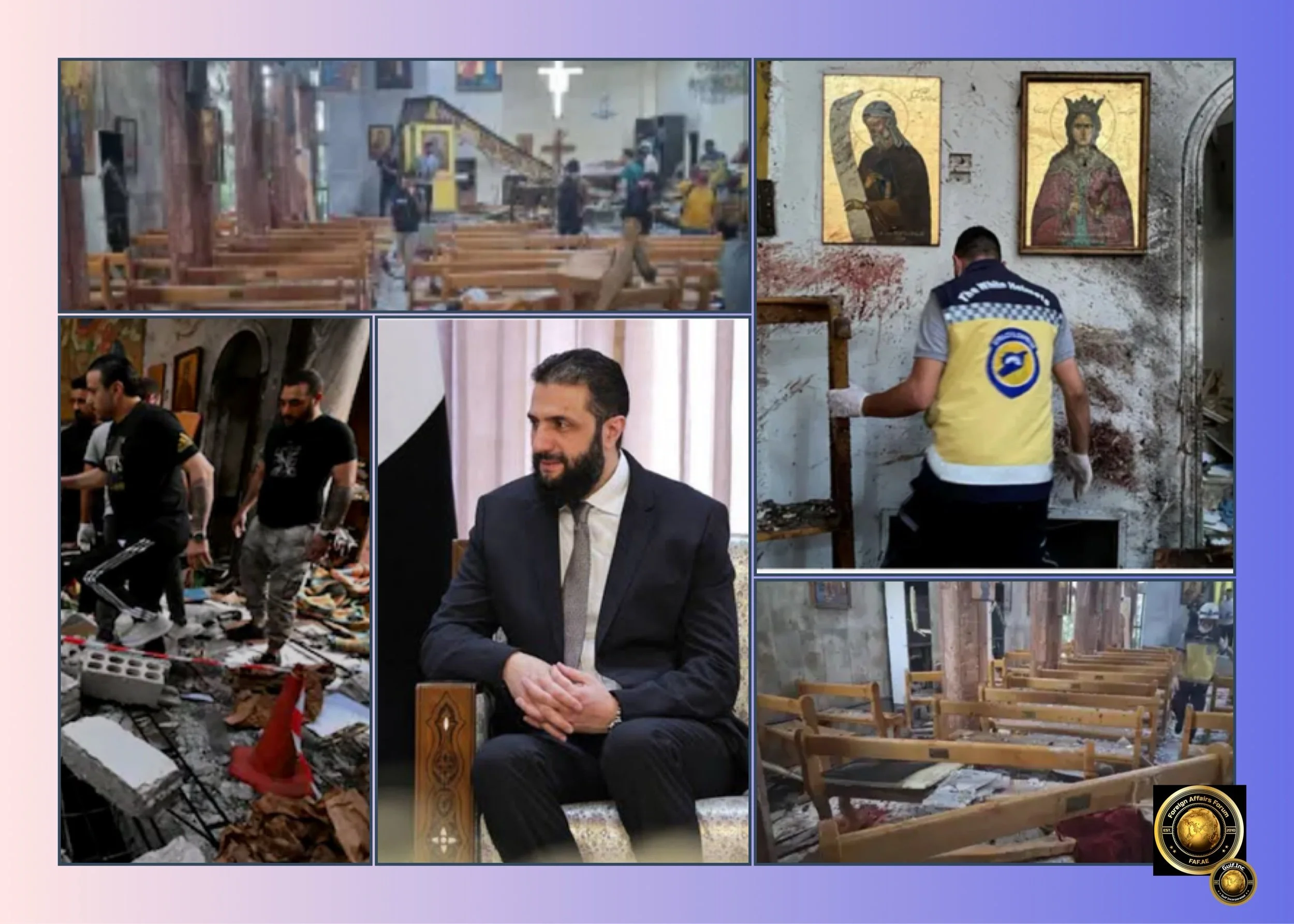
On Sunday, June 22, 2025, a suicide bomber affiliated with the Islamic State entered the Mar Elias Greek Orthodox Church in the Dweila neighborhood of Damascus during evening prayers.
The attacker first opened fire on the approximately 350 worshippers present before detonating an explosive vest, causing massive casualties and destruction.
Witnesses described scenes of horror, with the perpetrator’s face covered as he began shooting, ultimately blowing himself up as crowds attempted to remove him from the building.
The Syrian government responded swiftly, conducting raids on Islamic State hideouts in Damascus and surrounding areas.
These operations resulted in the deaths of two militants and the arrest of six others, including the leader of the terrorist cell responsible for the attack. Security forces also killed a militant who had facilitated the bomber’s entry into the church.
A Community Under Siege
The attack has intensified existing fears within Syria’s already vulnerable Christian population. As one Damascus Christian resident, Bassim Khoury, poignantly asked: “I wonder why they target us.
We had no interest in any of the events that happened in our country. We have no interests besides Syria living in peace”.
His words echo the sentiment of a community that has remained largely apolitical, seeking only stability and security.
The Islamic State has systematically targeted Christians throughout its existence, viewing them as incompatible with its extremist interpretation of Islam.
This strategy aims to stir up religious violence and destabilize the transitional government, which has been working to maintain close ties with Christian communities to demonstrate effective governance.
The Dramatic Decline of Syria’s Christian Population
Syria’s Christian community has experienced catastrophic demographic decline over the past decade and a half.
Before the civil war began in 2011, Christians constituted approximately 8-10% of Syria’s 22 million population, numbering around 1.5 million people.
Today, estimates suggest only 300,000 to 500,000 Christians remain in the country, representing a mere 3% of the population.
Multiple factors, including direct persecution, economic hardship, international sanctions, and the general instability of war, have driven this exodus.
In Kurdish-majority areas like Jazira in northeastern Syria, the Christian population plummeted from 150,000 to just 55,000.
The decline has been particularly pronounced among young people, threatening the long-term viability of Christian communities.
Historical Context of Persecution
The recent church bombing fits within a broader pattern of the Islamic State's persecution of religious minorities.
Since 2014, ISIS has systematically targeted Christians across Iraq and Syria, implementing forced conversions, sexual slavery, massacres, and the destruction of churches and cultural heritage sites.
The group previously controlled large swaths of Syrian territory, where it reinstated the jizya tax on non-Muslims and forced many Christians to either convert to Islam or face severe persecution.
Even after losing territorial control, ISIS has maintained sleeper cells throughout Syria, particularly in desert regions, continuing to pose threats to minority communities.
The organization has attempted multiple attacks on Syrian churches since Assad’s fall, with the Mar Elias bombing being the first to succeed.
Government Response and Community Criticism
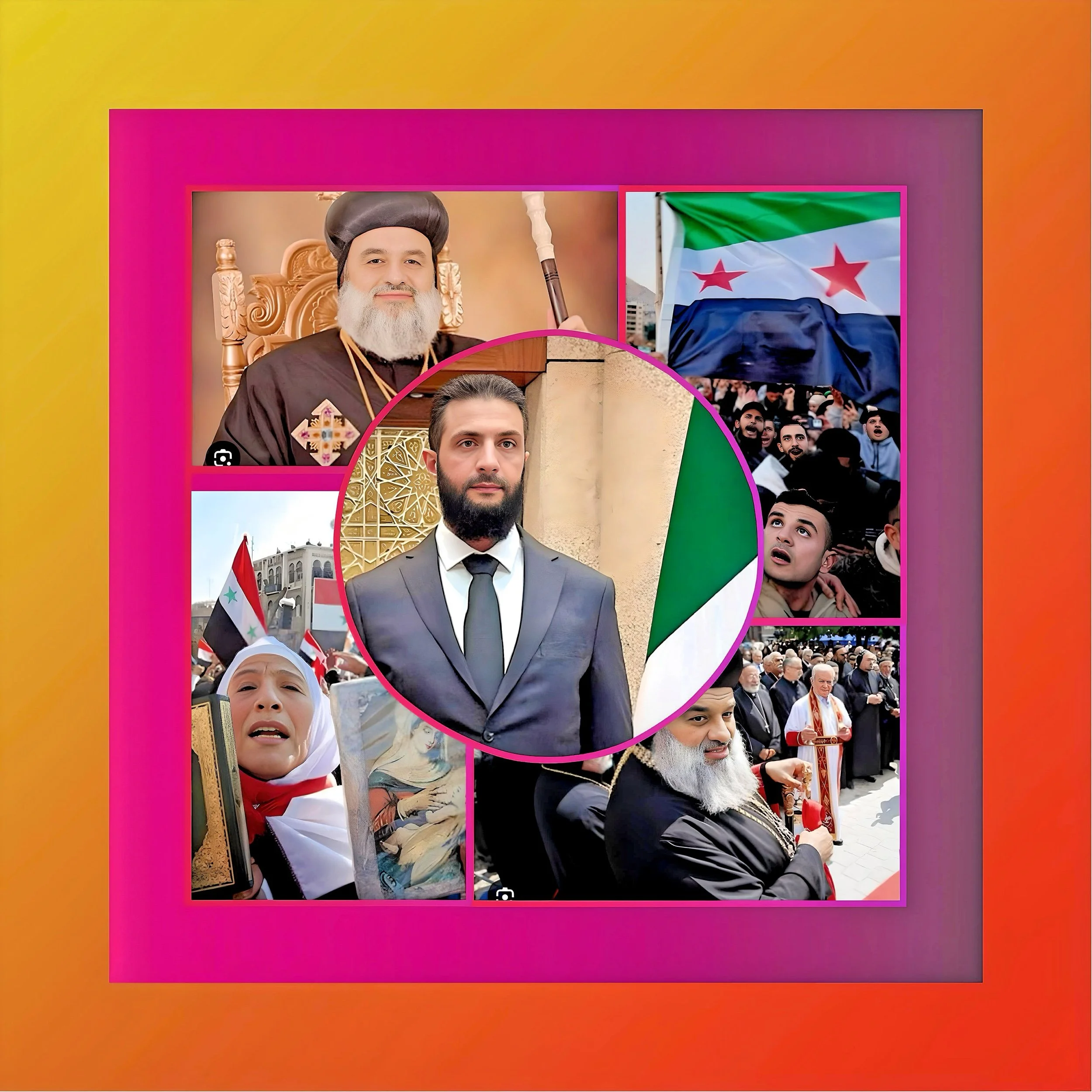
Syria’s transitional government, led by President Ahmed al-Sharaa, has repeatedly promised to protect minority communities and maintain the country’s religious diversity.
The government includes representatives from Christian, Kurdish, Druze, and Alawite communities in its 23-member cabinet. However, critics argue that the new constitutional framework concentrates excessive power in the president’s hands and lacks sufficient protections for minorities.
The church bombing has prompted sharp criticism from Christian leaders.
At the funeral for the victims, Greek Orthodox Patriarch John X Yazigi directly challenged President al-Sharaa, stating: “With all due respect, Mr. President, your phone call yesterday to convey your condolences does not suffice.
We appreciate the call, but the atrocity that occurred is far more significant than that”.
This public rebuke reflects growing frustration with what many perceive as inadequate security measures.
Broader Security Challenges
The attack highlights the new government’s struggle to maintain security across Syria.
While Damascus remains relatively safe, conditions outside the capital are more concerning, with reports of violence, looting, and harassment by unruly armed factions taking advantage of security gaps.
The government’s forces, numbering approximately 30,000 fighters, appear stretched thin and often reactive rather than proactive in their security responses.
Recent months have also seen sectarian violence targeting other minority communities, including attacks on Alawites in March and Druze communities in late April and early May.
These incidents follow a similar pattern where rumors or allegations against minority groups lead to the mobilization of armed extremists seeking vigilante justice.
International Condemnation and Support
The church bombing drew widespread international condemnation.
The European Union described it as a “heinous and cowardly violence against Christians” and an “attack against all Syrians”.
The Greek government demanded that Syrian authorities implement immediate measures to guarantee the safety of Christian communities.
Pope Leo XIV sent a telegram expressing deep condolences and calling for healing and peace.
The Question of ‘Why Us?’
The plaintive question posed by Syria’s Christians reflects a community caught between their desire for peace and the reality of being targeted for their faith.
According to local Christian sources, the community faces “daily threats by fundamentalists” and pressure from “armed gangsters who are spread all over the country and are thirsty for more killing”.
Many Christians report feeling that, despite government assurances, the authorities are “pretending to protect the rights of everybody in Syria” while their followers have been “fed” extremist ideology for years.
The bombing serves as a stark reminder that despite political transitions, the fundamental challenges facing Syria’s Christians persist.
Their demographic decline, combined with ongoing security threats and economic hardship, raises serious questions about the community’s long-term survival in their ancestral homeland.
As one Christian leader observed, the trauma of the attack has left the community with “mixed feelings of anger and questioning why this had to happen again”.
The Mar Elias Church attack represents more than an isolated terrorist incident—it symbolizes the broader struggle of Syria’s Christian minority to maintain their presence and identity in a country undergoing profound transformation.
Their question “Why us?” reflects not just confusion about this specific attack, but deep uncertainty about their place in Syria’s future.