Ukraine’s “Operation Spider’s Web”: Major Drone Strike on Russian Air Bases Ahead of Istanbul Peace Talks
Introduction
Ukraine has executed one of its most ambitious and far-reaching military operations since the war began, launching coordinated drone strikes against Russian air bases deep within Russian territory, including locations in Siberia thousands of kilometers from the Ukrainian border.
The operation, codenamed “Spider’s Web,” reportedly destroyed or damaged over 40 Russian strategic aircraft just hours before both nations prepared for renewed peace negotiations in Istanbul.
FAF, War.events analyzes this unprecedented attack, which has raised significant questions about operational coordination with international allies, the tactical innovation employed by Ukrainian forces, and the strategic timing of diplomatic efforts to end the three-year conflict.
Scope and Scale of Operation Spider’s Web
Targets and Geographic Reach
The Ukrainian Security Service (SBU) conducted simultaneous strikes against four major Russian military airfields on June 1, 2025, marking the most extensive single-day attack on Russian aviation assets since the conflict began.
The targeted facilities included the Belaya air base in Russia’s Irkutsk region, approximately 4,300 kilometers from Ukraine; the Olenya airbase near Murmansk, about 1,800 kilometers from the Ukrainian border; the Dyagilevo airbase in Ryazan region; and the Ivanovo airbase.
The geographic scope of these strikes demonstrates Ukraine’s enhanced capability to project force far beyond the immediate combat zone.
According to Ukrainian intelligence sources, the operation successfully struck 41 strategic Russian aircraft, including Tu-95 “Bear” nuclear-capable bombers, Tu-22M3 supersonic long-range bombers, and A-50 early warning and control aircraft.
These aircraft types represent the backbone of Russia’s strategic bomber fleet, regularly employed for long-range missile strikes against Ukrainian territory.
Ukrainian officials estimated the total damage to Russian military assets to be over $2 billion, with some sources claiming damages as high as $7 billion.
Operational Planning and Execution
The complexity and duration of the operation’s planning phase underscores its strategic significance.
Ukrainian President Volodymyr Zelenskyy personally supervised the mission, which required more than 18 months of preparation.
The operation involved deploying 117 drones across multiple Russian regions spanning three different time zones, with Ukrainian personnel operating covertly within Russian territory.
The SBU source revealed that the operation’s coordination center was established “directly next to FSB headquarters in one of their regions,” highlighting the audacious nature of the intelligence penetration.
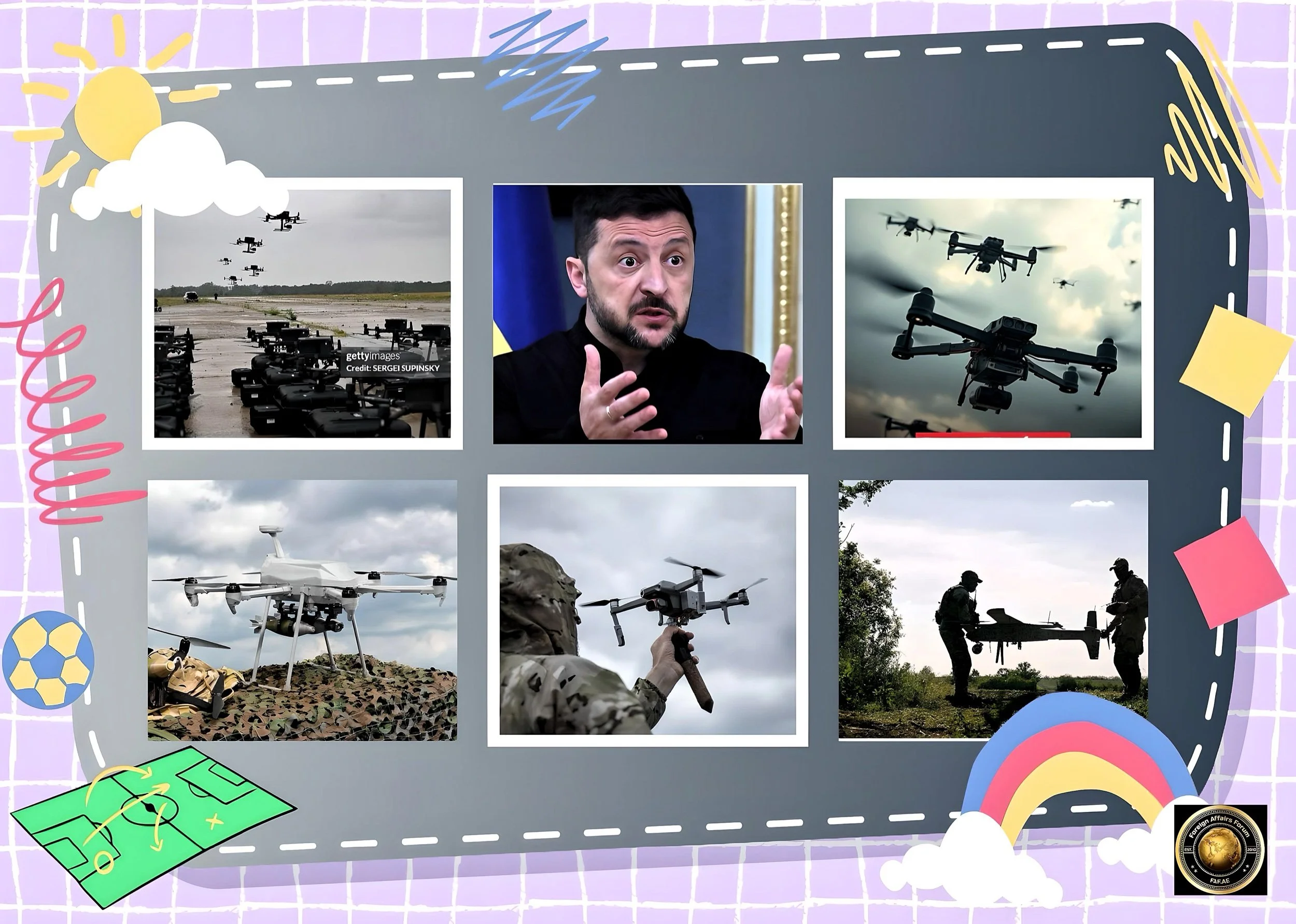
The tactical execution demonstrated remarkable innovation in drone warfare. Ukrainian operatives smuggled drones into Russia concealed within wooden mobile homes mounted on cargo trucks.
These specially designed containers featured remote-controlled roof mechanisms that could be activated to allow drones to launch their attacks.
Video footage released by Ukrainian sources shows drones emerging from truck-mounted containers, with the operation’s success evident in dramatic images of aircraft engulfed in flames at targeted airfields.
Intelligence Coordination and International Notification
Conflicting Reports on U.S. Notification
One of the most significant diplomatic questions surrounding Operation Spider’s Web concerns whether Ukraine notified the United States in advance.
Multiple sources present contradictory information on this critical issue. Initial reports from Axios suggested that Ukraine had informed the Trump administration of the attack.
However, these reports were subsequently corrected, with Axios stating that “Ukraine did NOT warn the Trump administration about the attacks.”
Several other major news outlets confirmed that the White House was unaware of the operation.
CBS News reported that administration sources stated the White House had no advance knowledge of the impending strike.
Hill’s sister network, NewsNation & Trump Forum, confirms that President Trump was not informed of the Ukrainian attack on Russia. An administration official indicated that the president had not received prior notice.
This lack of coordination represents a significant departure from typical intelligence-sharing protocols between allied nations during primary military operations.
Strategic Implications of Non-Notification
Given the operation's extensive planning timeline and high-level supervision, the decision not to inform the United States appears deliberate rather than an oversight.
Ukrainian officials may have chosen this approach to maintain operational security or to avoid potential diplomatic constraints that could have limited the mission’s scope.
The timing of the attack, occurring just before peace negotiations, suggests Ukraine sought to strengthen its negotiating position without external interference or pressure to moderate the operation’s objectives.
The lack of advance notification has potential implications for U.S.-Ukraine relations during the Trump administration.
Given President Trump’s stated goal of ending the conflict quickly and his previous criticisms of both Ukrainian and Russian leadership, the unilateral nature of this significant military action could complicate future coordination efforts.
However, the operation’s success may demonstrate Ukraine’s continued military capability and determination, potentially strengthening its negotiation position.
Operational Innovation and Tactical Evolution
Drone Technology and Delivery Systems
Operation Spider’s Web represents a significant evolution in Ukraine’s drone warfare capabilities, demonstrating sophisticated logistical planning and technological innovation.
Truck-mounted container systems to transport and launch drones deep within enemy territory marks a new approach to long-range strike operations.
This method allowed Ukrainian forces to position strike assets thousands of kilometers from their home territory while maintaining the element of surprise.
The operation employed First Person View (FPV) drones, which provide operators with real-time visual feedback for precision targeting.
The 117 drones used in the operation were coordinated across vast distances, requiring sophisticated communication networks and operational coordination.
The successful execution of simultaneous strikes across multiple time zones demonstrates Ukraine’s growing capacity for complex, multi-domain operations.
Intelligence Penetration and Operational Security
Establishing operational infrastructure within Russia, including placing drone-equipped trucks near target airfields, required extensive intelligence preparation and asset positioning.
Ukrainian sources indicated that personnel involved in the operation were successfully extracted from Russian territory before the strikes commenced, highlighting sophisticated exfiltration planning.
The operation’s security was maintained despite its extended preparation period, suggesting effective compartmentalization and operational discipline within Ukrainian intelligence services.
Strategic Timing and Peace Negotiation Context
Diplomatic Leverage and Negotiating Position
Operation Spider’s Web's timing, occurring just hours before the scheduled resumption of peace talks in Istanbul, appears strategically calculated to strengthen Ukraine’s negotiating position.
By demonstrating its capability to strike high-value targets deep within Russian territory, Ukraine sought to counter Russian advances in the Sumy region and the recent intensification of drone attacks against Ukrainian cities.
Despite three years of conflict, the operation sends a clear message about Ukraine’s continued military capabilities.
Ukrainian President Zelenskyy’s announcement of the peace talks delegation, led by Defense Minister Rustem Umerov, came on the same day as the operation’s execution.
This coordinated approach suggests Ukraine aimed to enter negotiations from a position of demonstrated strength rather than as a party seeking relief from military pressure.
The operation’s success provides Ukrainian negotiators with evidence of their forces’ continued effectiveness and Russia’s vulnerability to innovative tactical approaches.
Russian Response and International Reaction
Russia’s Defense Ministry characterized the attacks as “terrorist attacks” while acknowledging that several aircraft were damaged in the strikes. Russian officials confirmed attacks in the Murmansk and Irkutsk regions but claimed to have repelled attacks in other targeted areas.
The Russian response included launching 472 drones against Ukraine overnight, the largest single-night drone barrage since the conflict began, indicating an escalatory spiral in the lead-up to negotiations.
International reactions have varied, with some retired U.S. military officials drawing comparisons to Pearl Harbor in terms of the operation’s surprise and scope.
Military analysts have noted the operation’s significance as potentially Ukraine’s most successful single-day attack on Russian military aviation.
The timing and scale of the operation have been interpreted as Ukraine’s attempt to demonstrate that it remains capable of imposing significant costs on Russia despite ongoing territorial losses.
Implications for Conflict Dynamics and Leadership
Impact on Military Balance
Operation Spider’s Web has potentially altered the tactical balance in the conflict by degrading Russia’s strategic bomber fleet, which has been instrumental in conducting long-range strikes against Ukrainian infrastructure and civilian targets.
The destruction or damage of 34% of Russia’s strategic cruise missile carriers stationed at targeted air bases represents a significant reduction in Russia’s capacity for deep-strike operations.
This tactical success may force Russia to reconsider its approach to aerial operations and infrastructure targeting.
The operation also demonstrates Ukraine’s growing sophistication in planning and executing complex military operations across vast distances.
The successful coordination of simultaneous strikes across multiple time zones and the innovative use of concealed drone platforms suggests continued evolution in Ukrainian military capabilities.
This technological and tactical advancement may influence future conflict dynamics and international perceptions of the war’s trajectory.
Leadership Assessment and Strategic Decision-Making
President Zelenskyy’s personal supervision of the operation reflects the high-level strategic importance Ukraine placed on this mission.
The decision to proceed with such an ambitious operation while simultaneously preparing for peace negotiations demonstrates a calculated approach to combining military pressure with diplomatic engagement.
This dual-track strategy suggests Ukrainian leadership’s assessment that military demonstrations of capability enhance rather than undermine prospects for favorable negotiation outcomes.
The operation’s execution also highlights the effectiveness of Ukraine’s intelligence and special operations capabilities under wartime conditions.
The SBU’s successful penetration of Russian territory and establishment of operational infrastructure demonstrates institutional competence that has developed throughout the conflict.
International observers may view this capability demonstration as evidence of Ukraine’s continued viability as a strategic partner despite prolonged conflict pressures.
Conclusion
Operation Spider’s Web proved successful in the ongoing conflict between Ukraine and Russia.
It showed that Ukraine is capable of carrying out complex military actions over long distances, while also bringing up important questions about how countries work together and make diplomatic decisions.
The operation was a success, as it hit over 40 Russian aircraft across four different air bases.
This achievement highlights how much Ukraine has improved in planning and executing military strategies during the past three years of conflict.
Ukraine chose to carry out this operation without informing the United States beforehand.
This demonstrates Ukraine’s desire to make its own decisions and act independently in achieving its goals. While this decision might create some diplomatic challenges, it shows that Ukraine believes military victories can actually help strengthen its position in negotiations, rather than weaken it.
The timing of the operation, just hours before important peace talks in Istanbul, suggests that Ukraine wanted to show its military strength before entering negotiations.
This way, they could approach discussions from a position of power instead of weakness. The impact of this operation goes beyond just immediate military successes; it raises questions about what the future holds for the conflict and the chances of finding a resolution.
By successfully damaging Russia’s fleet of strategic bombers, Ukraine may have changed the balance of power in the conflict, demonstrating its ability to challenge and impose costs on Russian military resources.
As both countries get ready for more diplomatic talks, Operation Spider’s Web reminds us that military strength plays a significant role in shaping diplomatic opportunities in this ongoing conflict.