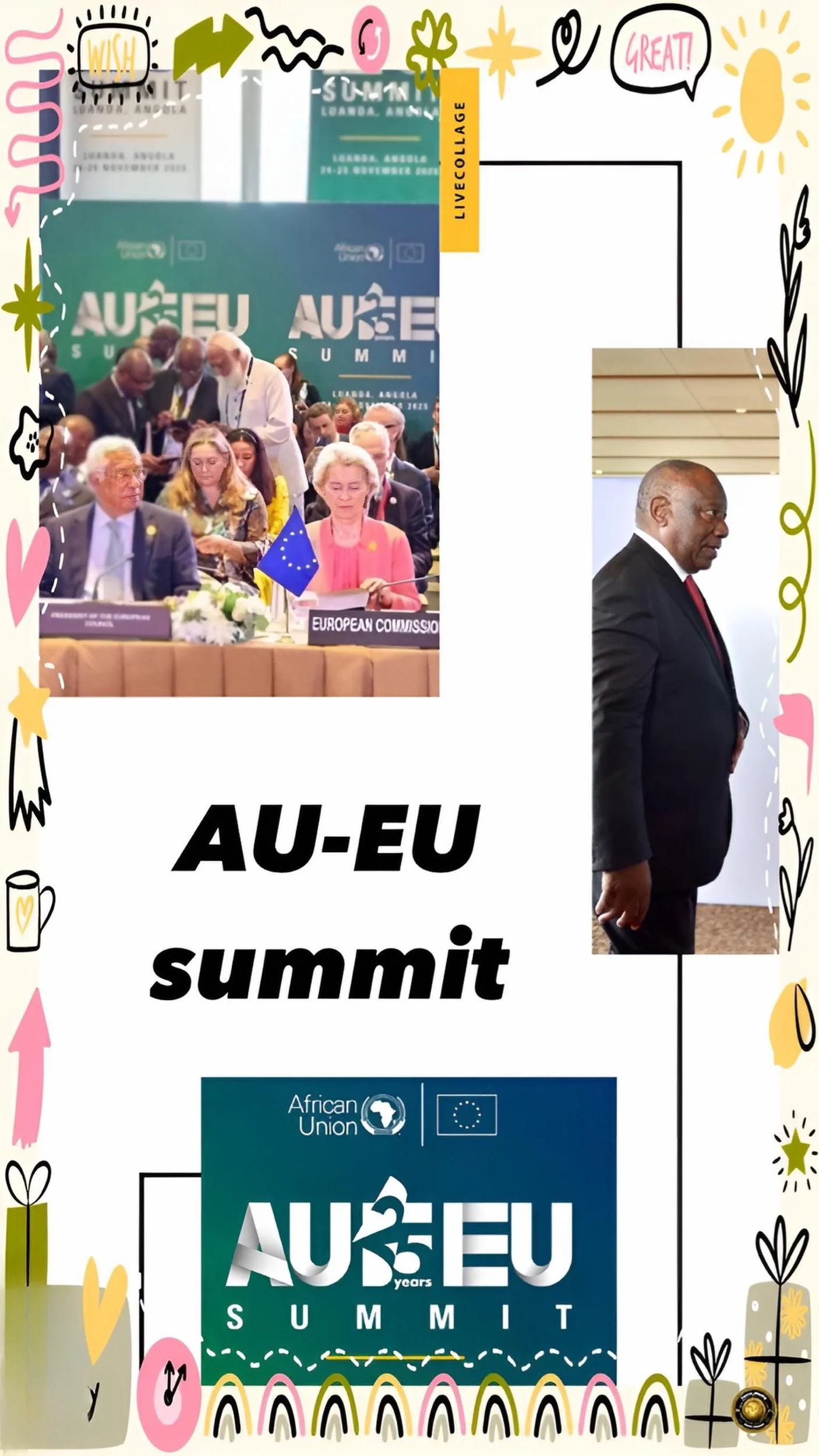
The 7th African Union–European Union Summit in Luanda, Angola : Key Discussion Topics and Global Engagement
Introduction
The 7th African Union–European Union Summit in Luanda, Angola (November 24–25, 2025) marks the 25th anniversary of AU-EU partnership under the theme “Promoting Peace and Prosperity through Effective Multilateralism.”
Nearly 80 heads of state and government from both blocs are attending, alongside key global figures including UN Secretary-General António Guterres.
Key Discussion Topics and Prioritized Areas
The summit’s agenda centers on two primary thematic tracks
Peace, Security, Governance, and Multilateralism represent the first pillar.
African leaders are advocating for permanent African representation on the UN Security Council, addressing protracted conflicts in Sudan, the Democratic Republic of Congo, Mali, Somalia, and the Sahel.
The UN Secretary-General specifically called for “sustainable, flexible and predictable funding for African Union-led peace operations,” referencing Security Council resolution 2719.
The summit also addresses counterterrorism, organized crime, cyber, maritime, and space security cooperation.
Prosperity, People, Migration, and Mobility form the second track. Critical priorities include
Critical Raw Materials and Industrial Sovereignty
The EU has presented its RESourceEU initiative, modeled after REPowerEU’s energy independence strategy.
The plan responds to China’s October 2025 export restrictions on rare earths, which threatens European automotive, defense, aerospace, and semiconductor industries.
Over 90% of EU rare earth magnet consumption comes from China. The RESourceEU strategy includes:
Accelerated critical minerals partnerships with Ukraine, Australia, Canada, Kazakhstan, Uzbekistan, Chile, and Greenland
A €9 million joint EU purchasing mechanism for collective procurement and strategic stockpiling
Emphasis on circular economy initiatives to extract critical raw materials from existing products in Europe
Enhanced in-EU processing and refining capabilities for critical minerals
Economic Integration and Trade
The EU Commission signed a Memorandum of Understanding with the African Continental Free Trade Area (AfCFTA) Secretariat, accompanied by €25.5 million in funding, to connect Europe’s and Africa’s single markets.
Intra-African trade currently accounts for only 15% of total trade, presenting significant untapped potential.
The African Development Bank estimates a true African single market could increase continental income by $400-450 billion.
Infrastructure Development
The flagship Lobito Corridor—a 1,300-kilometer railway connecting mineral-rich regions of the Democratic Republic of Congo and Zambia to Angola’s Atlantic port—remains central to EU strategy.
The EU committed approximately €2 billion to this project, positioning it as an alternative to China-dependent infrastructure. The initiative represents efforts to shift from extractive colonial models toward value-added processing in African countries.
Global Gateway Expansion
The EU’s broader Global Gateway initiative has committed €150 billion in investments by 2027, with over €120 billion already mobilized.
Additional investments announced include €94 million for young entrepreneurs and businesses across West and Central Africa (Ghana, The Gambia, Côte d’Ivoire, Mali, Senegal, Niger, Burkina Faso, Guinea, Uganda, Madagascar, Cameroon, and Sierra Leone).
Green Energy and Climate Finance
The summit emphasizes Africa’s abundant renewable resources—sun, wind, and critical minerals—as opportunities for high value-added processing and production within African countries rather than raw material exports. Demand for critical minerals is projected to triple by 2030.
Migration and Mobility
Rather than framing migration as a security threat, the EU seeks managed mobility arrangements that address root causes while benefiting both continents.
European Union Proposals on China Dependence
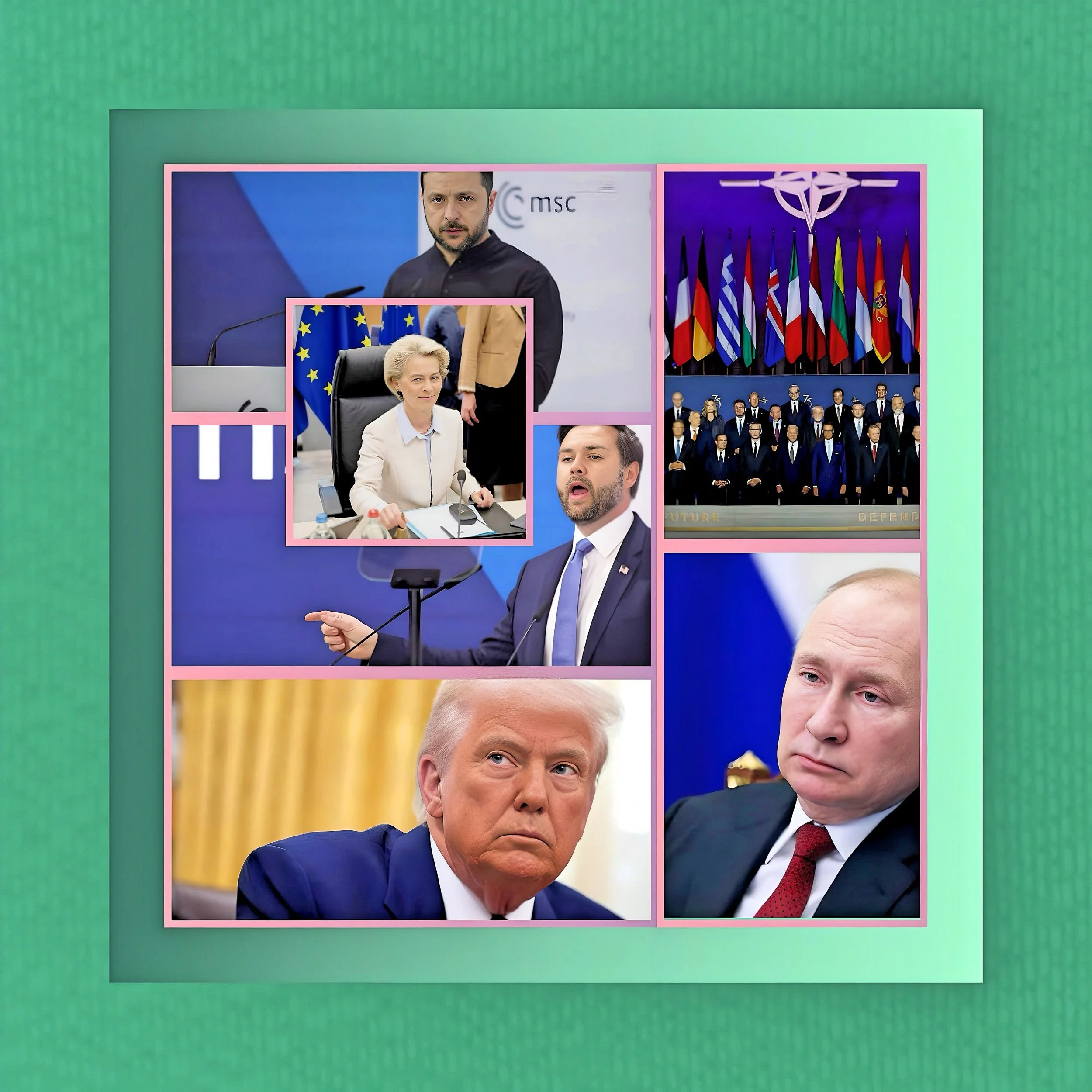
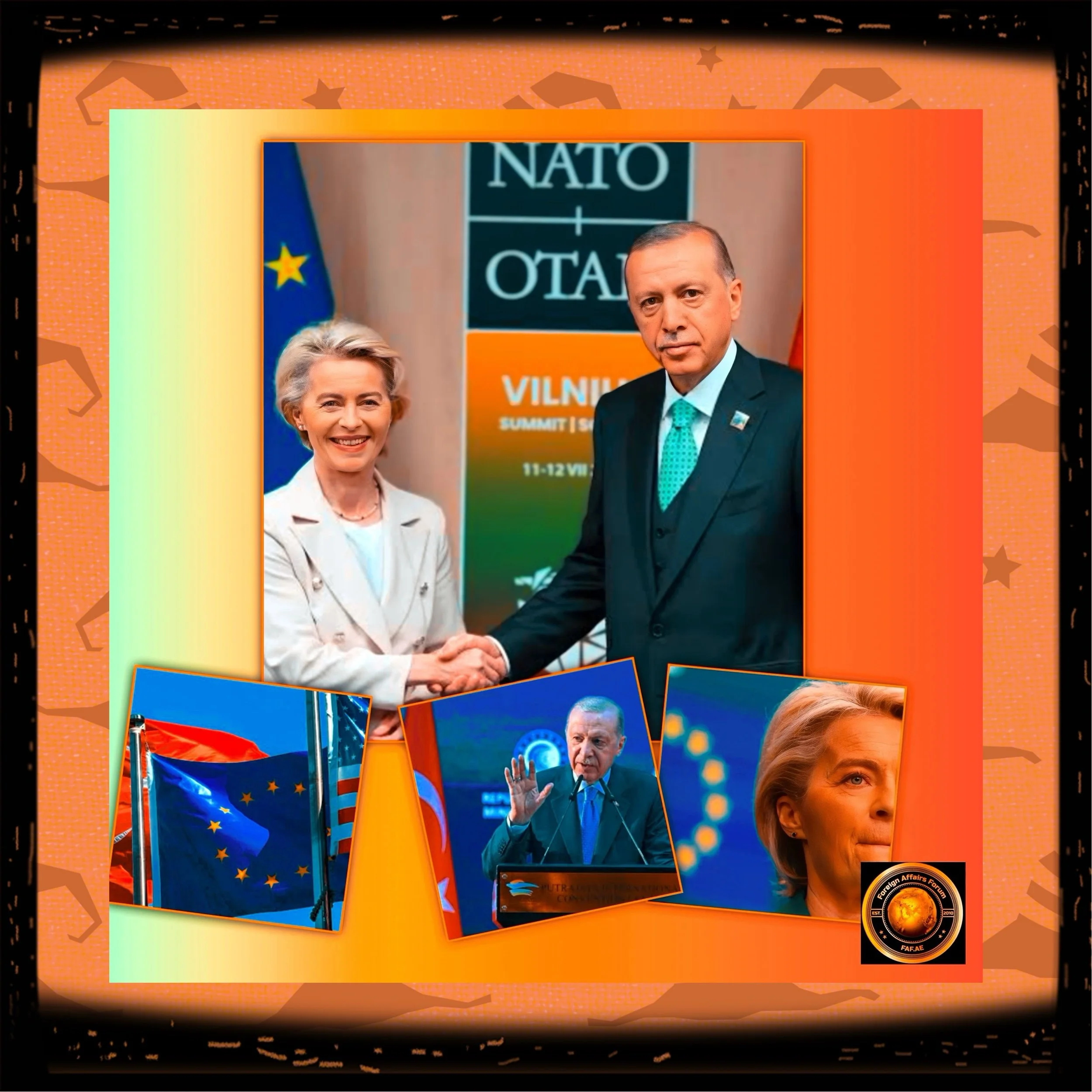
Von der Leyen emphasized the EU’s multifaceted approach: “In the short term, we are concentrating on finding solutions with our Chinese partners. Nevertheless, we are prepared to utilize all available tools to respond if necessary.”
This includes potential invocation of the EU’s anti-coercion instrument (adopted in 2023), which enables the EU to impose surcharges, export restrictions, or block market access for hostile actors—though it has never been deployed.
The South Africa–EU critical minerals partnership, signed November 20, 2025, serves as a template for African cooperation.
South Africa committed to moving beyond raw mineral extraction toward local processing and value addition, with South African President Cyril Ramaphosa stating: “We are no longer going to rely solely on extracting minerals.
We want to extract these resources and process them on-site, allowing South Africa to ascend the value chain.”
Key Leader Statements and Reactions
European Leadership
Von der Leyen and Council President António Costa stated: “The challenges we face today – climate change, digital transformation, irregular migration, conflicts and insecurity – know no borders. Together, Africa and Europe can lead the way.”
They emphasized intentions to shape “a fairer, greener, and more secure world based on shared values and mutual respect.”
French Perspective
President Emmanuel Macron’s presence signals France’s commitment to resetting its African partnerships, though African nations increasingly distance themselves from historical colonial powers.
German Engagement
German President Frank-Walter Steinmeier’s pre-summit visit to Angola demonstrated Germany’s intent to diversify partnerships post-Russian energy dependence.
UN Secretary-General
António Guterres called for reform of the global financial architecture to end the “crushing debt cycle,” triple multilateral development banks’ lending capacity, and provide developing countries greater influence in global financial institutions.
He framed climate action as an opportunity: “Africa has the resources and a dynamic, young workforce. Europe has the capital and the technological know-how.”
African Union Perspective
AU Commission Chairperson Mahmoud Ali Youssouf emphasized that “Africa is looking not for new declarations but for credible, implementable commitments.”
This signals skepticism about previous summit pledges not translating to ground-level results.
South Africa’s Role
President Ramaphosa’s G20 presidency (concluding November 23, 2025) established critical minerals protection and climate finance as continental priorities, despite US boycott.
Regional Geopolitical Context
The summit occurs amid significant geopolitical realignment.
Angola’s August 2025 Comprehensive Economic Partnership Agreement with the United Arab Emirates—pledging to triple bilateral trade from $3 billion to $10 billion by 2033—signals African nations’ willingness to diversify partnerships beyond traditional Western and Chinese partners.
China, Russia, and the United States are simultaneously increasing their influence on the continent.
EU diplomats acknowledge concerns that initiatives like the Lobito Corridor risk repeating extractive colonial practices if local communities don’t see tangible benefits. African critics call for immediate poverty reduction over “extravagant summits.”
Conclusion
Institutional Commitments
The summit is producing commitments on peace operations funding, AfCFTA-EU trade integration, youth entrepreneurship, green energy transition financing, and debt restructuring support for African nations.
The final joint declaration is expected to address security, global governance reform, infrastructure investment, and migration.
The partnership reflects a broader acknowledgment that Europe and Africa face complementary challenges—Europe’s demographic deficit and aging population paired with Africa’s youth and markets; Europe’s capital and technology paired with Africa’s resources and growth potential.