The forgotten Gaza - The wall of Grace - Gaza’s Humanitarian Crisis: Power, Visibility, and the International Response in 2025
Introduction
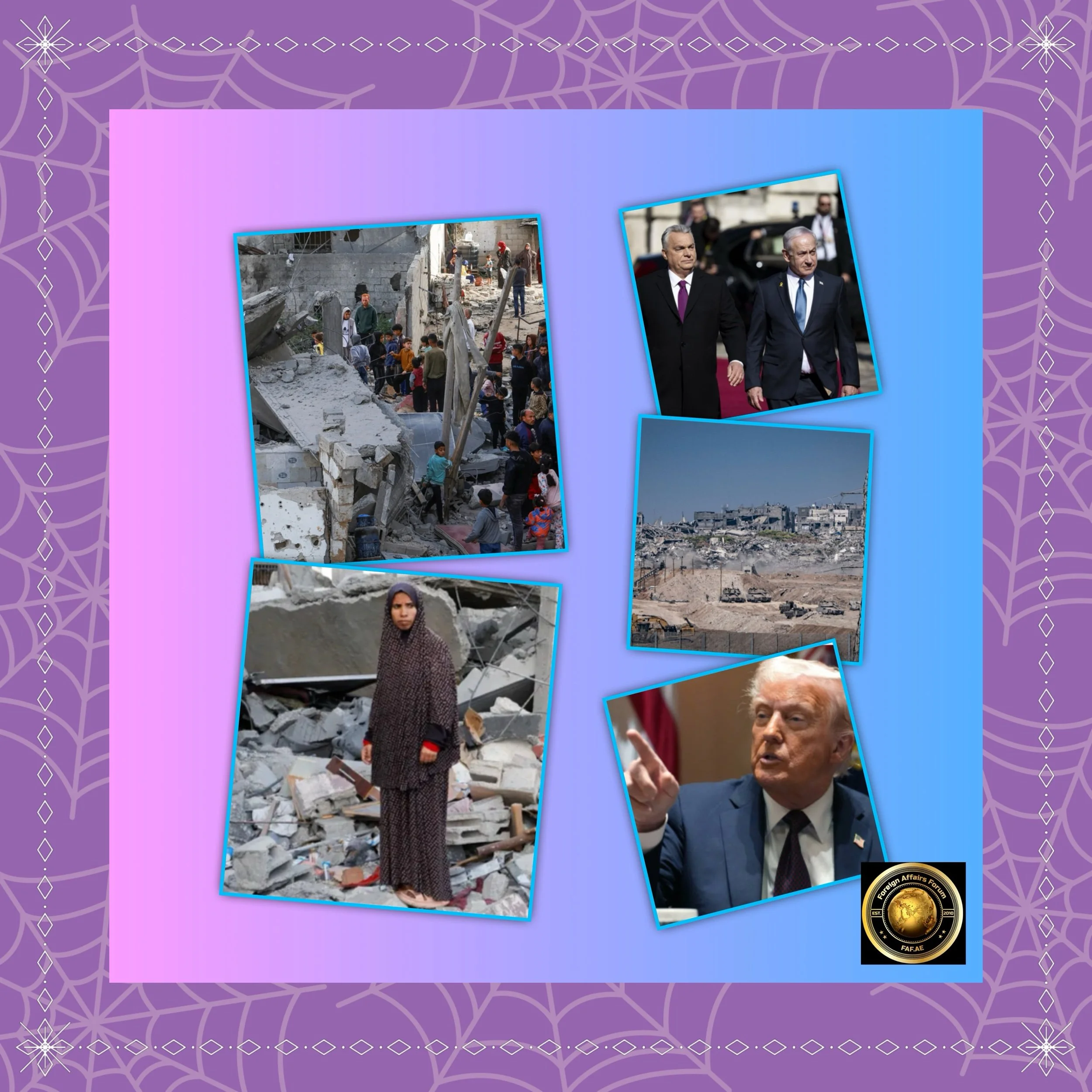
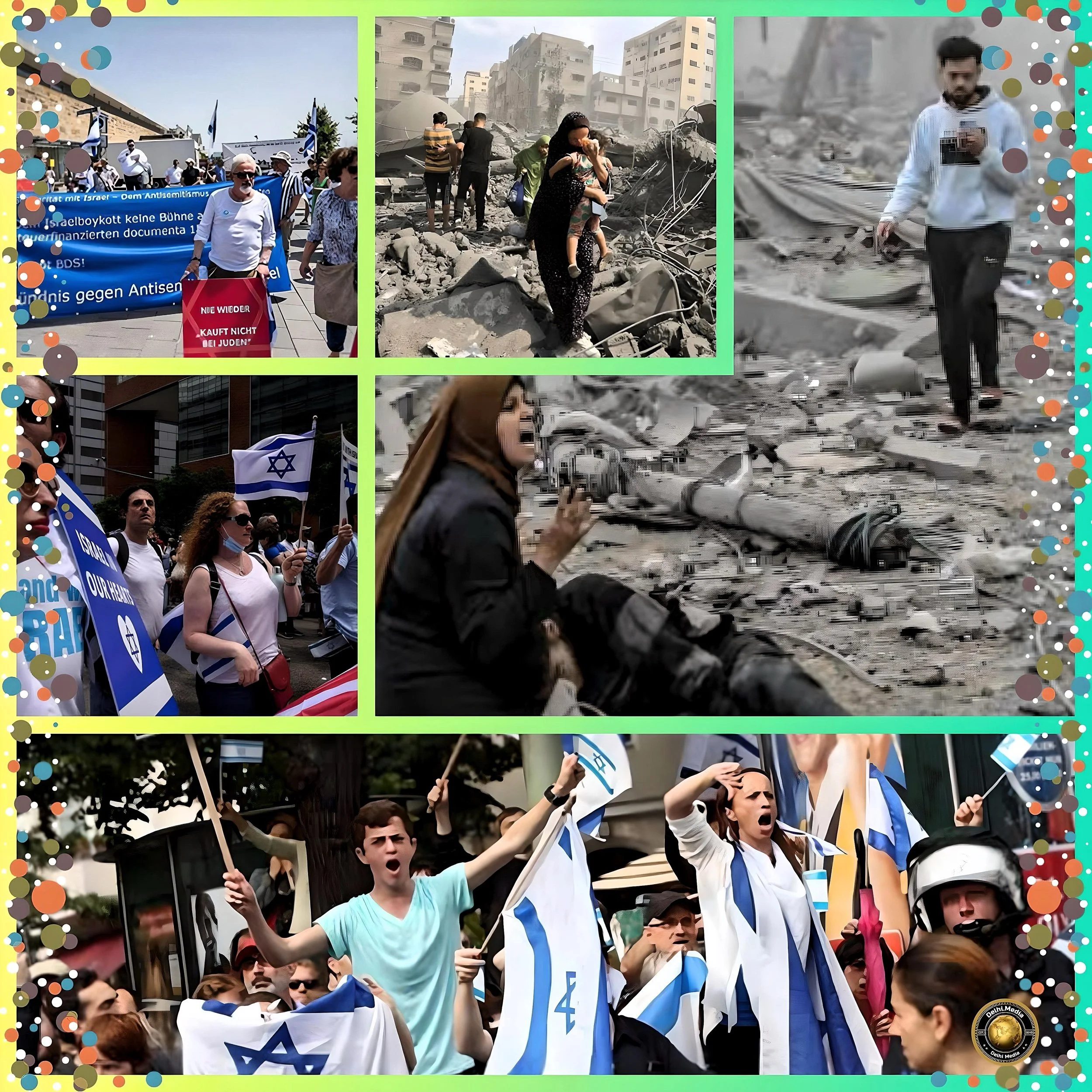
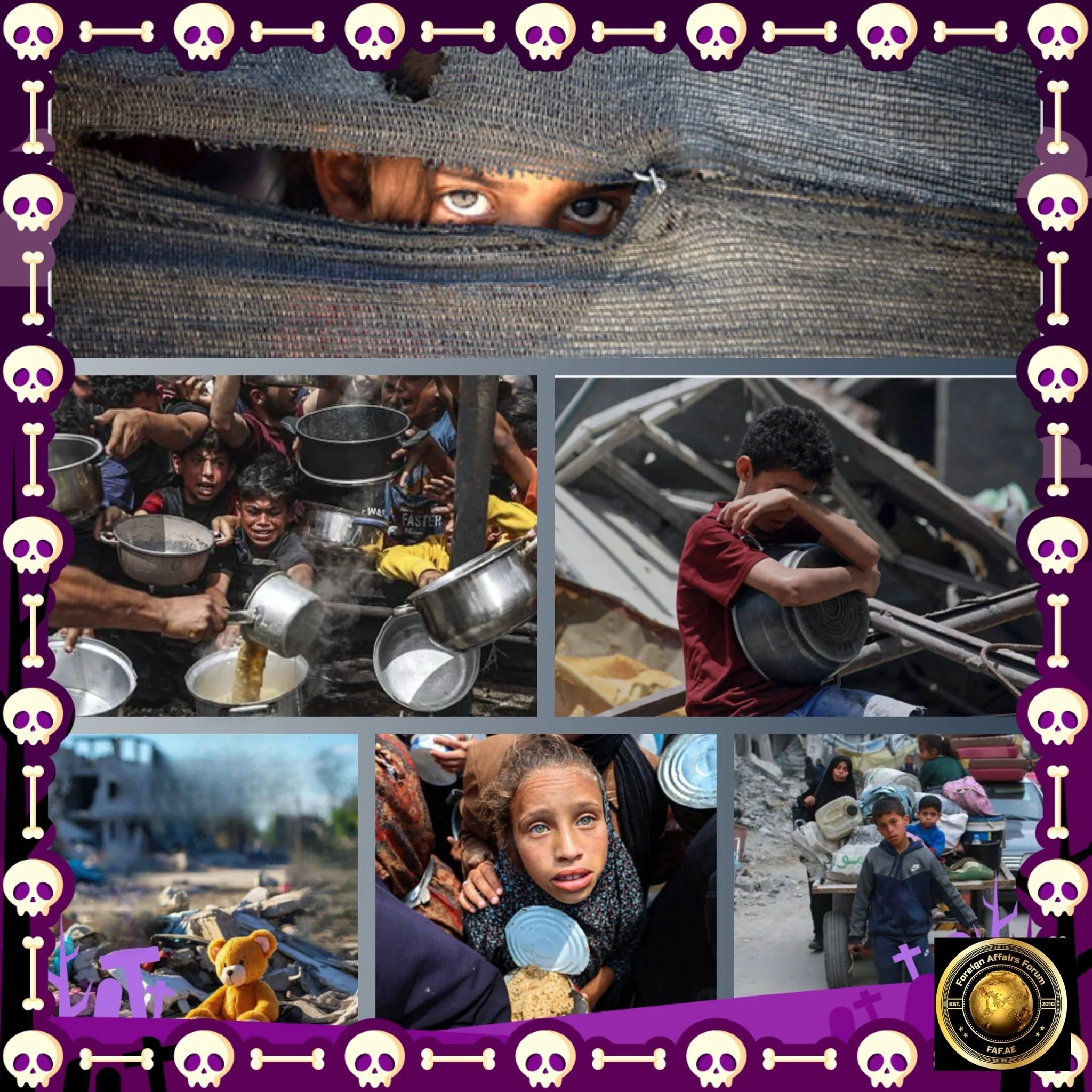
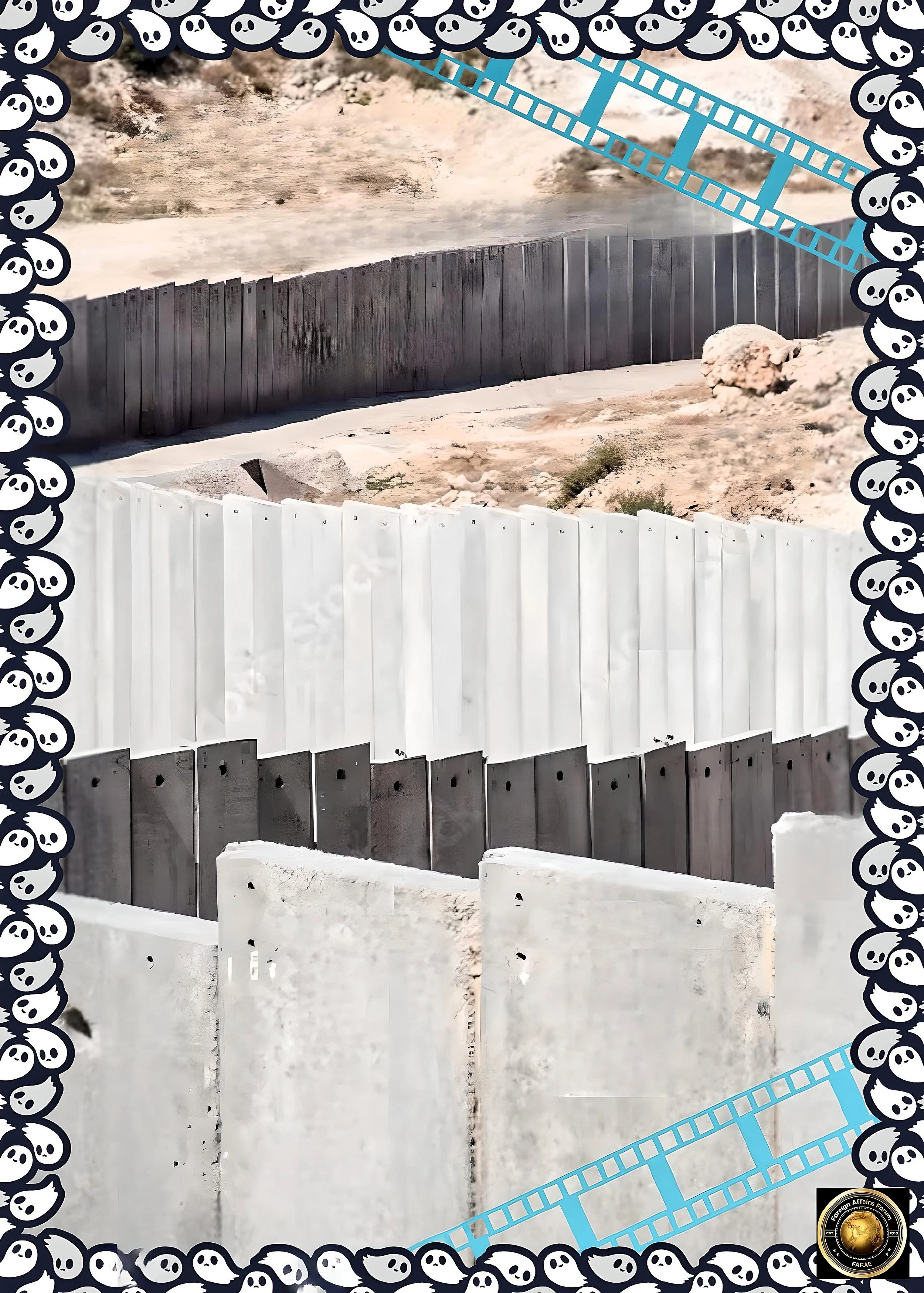
The forgotten Gaza - Wall of grace : MAN to guess which side is heaven and hell
The humanitarian catastrophe unfolding in Gaza presents one of the most severe crises of our time, raising profound questions about international accountability, the relationship between power and visibility, and the effectiveness of global humanitarian mechanisms.
As of May 2025, Gaza faces what experts describe as an unprecedented combination of starvation, displacement, and systematic destruction, with over 2.1 million people trapped in conditions that many international observers characterize as genocidal.
The crisis has intensified dramatically since March 2, 2025, when Israel imposed a complete blockade on humanitarian aid, food, fuel, and medical supplies entering Gaza.
While significant international funding appeals have been launched, including a $4 billion UN request for 2025, the situation on the ground continues to deteriorate, with 470,000 people facing starvation and nearly half a million in catastrophic hunger conditions.
FAF, Gulf.Inc reports the disconnect between global humanitarian commitments and the reality of continued suffering raises fundamental questions about whether Gaza has been “forgotten” by the international community or whether structural power imbalances render humanitarian responses inadequate in the face of ongoing military operations.
The Scope of Gaza’s Humanitarian Catastrophe
The magnitude of the current crisis in Gaza represents an escalation beyond previous humanitarian emergencies in the region.
Since October 2023, the Israeli military has killed tens of thousands of Palestinians and displaced more than 90% of the population.
The situation has reached critical levels since March 2025, when Israel reimposed a total siege that has blocked virtually all humanitarian assistance for over eleven weeks.
The Integrated Food Security Phase Classification (IPC) report released in May 2025 classified the entire Gaza Strip population as facing crisis-level food insecurity, with over one million people in emergency phase conditions and nearly 470,000 people facing catastrophic levels of acute food insecurity.
The systematic destruction of infrastructure has been particularly devastating. Israeli attacks have destroyed approximately 70% of Gaza’s water infrastructure, including desalination plants, pipelines, and water wells, with around 180 kilometers of water networks fully or partially destroyed.
The targeting of civilian infrastructure extends beyond water systems to include healthcare facilities, schools, and residential buildings, creating what Human Rights Watch describes as conditions that “inch closer to extermination.”
The World Health Organization reports that since the aid blockade began on March 2, 2025, 57 children have reportedly died from malnutrition effects, a number likely underestimated and expected to increase significantly.
Medical infrastructure has collapsed under the combined pressure of attacks and supply shortages.
The healthcare system operates on the edge of complete failure, with medicines and medical consumables rapidly running out, including critically low levels of supplies for maternal and child health.
WHO’s ability to support malnutrition treatment centers has been severely compromised, with remaining supplies inside Gaza sufficient to treat only 500 children with acute malnutrition—a fraction of the urgent need.
The targeting of medical personnel has been systematic, with 412 aid workers killed since October 2023, including 291 UN staff members.
International Response and the Question of “Forgotten” Gaza
Contrary to assertions that Gaza has been forgotten, the international community has mobilized substantial financial resources and diplomatic attention toward the crisis.
The UN Office for the Coordination of Humanitarian Affairs launched a flash appeal seeking $4.07 billion for Gaza and West Bank operations in 2025, with $3.6 billion allocated explicitly for Gaza.
This represents a significant increase from previous appeals, including $1.2 billion for October 2023-March 2024 and $2.8 billion for April-December 2024. The scale of these funding requests indicates sustained international attention rather than neglect.
However, Israel’s control over access points and distribution mechanisms has severely constrained the effectiveness of these financial commitments.
The controversy surrounding the Gaza Humanitarian Foundation (GHF), a newly established organization supported by Israel and the United States, illustrates the complex politics of humanitarian aid delivery.
The GHF has faced substantial criticism from UN officials and humanitarian organizations who argue it violates fundamental humanitarian principles of impartiality, humanity, and independence.
A coalition of eleven humanitarian and human rights organizations rejected the GHF’s establishment, describing it as “a led by connected Western and military, coordinated alongside Israeli government” without Palestinian involvement in its design or implementation.
International pressure has shown some signs of effectiveness. Western governments, including the UK, France, and Canada, have issued unprecedented criticism of Israel’s military operations, with the UK suspending trade talks and imposing additional sanctions.
These diplomatic responses suggest that Gaza has not been forgotten at the highest levels of international politics.
However, the continued provision of military support to Israel by key allies, particularly the United States, undermines the effectiveness of diplomatic pressure.
Power Dynamics and Visibility in Humanitarian Crises
The Gaza crisis exemplifies how power imbalances shape the visibility of humanitarian emergencies and the international community’s capacity to respond effectively.
Israel’s position as a strategic ally of major Western powers, combined with its military superiority in the region, creates structural constraints on international intervention that do not exist in other humanitarian contexts.
The ability to control information flows, restrict journalist access, and frame military operations in security terms demonstrates how powerful states can influence international perceptions of humanitarian crises.
Media coverage and public advocacy have been crucial in maintaining international attention on Gaza.
Organizations like the American Friends Service Committee have mobilized grassroots campaigns, including fasting initiatives and congressional pressure campaigns, to keep Gaza visible in public discourse.
Similarly, Amnesty International and other human rights organizations have documented violations of international law and called for arms embargoes.
These efforts suggest that civil society organizations are critical in preventing humanitarian crises from being “forgotten” when geopolitical considerations constrain state-level responses.
The systematic targeting of humanitarian workers and journalists represents an attempt to reduce visibility and accountability.
With 412 aid workers killed since October 2023, including substantial numbers of UN staff, the deliberate erosion of humanitarian presence serves to limit both aid delivery and documentation of conditions.
This targeting pattern suggests maintaining visibility requires sustained effort against active attempts to obscure the crisis.
Support versus Financial Aid: Mechanisms and Effectiveness
The distinction between financial support and meaningful assistance has become particularly stark in the Gaza context.
While billions of dollars have been pledged for humanitarian assistance, the fundamental obstacle remains Israel’s control over access and distribution mechanisms.
The blockade imposed since March 2025 has rendered much of this financial support ineffective, as supplies cannot reach those in need. Life-saving medical supplies sit outside Gaza borders, ready for deployment with safeguards in place, but remain blocked by Israeli authorities.
The Gaza Humanitarian Foundation controversy illustrates how politicized aid delivery undermines humanitarian effectiveness. Critics argue that the GHF represents an attempt to legitimize Israeli control over aid distribution while providing minimal actual relief.
The International Committee of the Red Cross expressed concern that the proposed aid mechanism would not allow for distribution by core humanitarian principles.
This suggests that the structure of aid delivery mechanisms may be more important than the absolute amount of funding available.
Alternative forms of support have emerged to supplement traditional humanitarian channels. Organizations like Zaytoun support Palestinian farmers through fair trade initiatives, providing economic support outside traditional aid structures.
Divestment campaigns target companies involved in Israel’s military operations, attempting to create economic pressure for policy change.
These approaches recognize that addressing the Gaza crisis requires systemic changes beyond immediate humanitarian relief.
Civil society organizations have developed diverse strategies to maintain support for Gaza that go beyond financial contributions.
The American Friends Service Committee’s “Fast for Gaza” initiative combines symbolic solidarity with concrete advocacy. It encourages participants to contact representatives and demand policy changes.
Oxfam UK promotes various forms of engagement, from displaying solidarity posters to supporting Palestinian cultural products
These approaches recognize that sustained political pressure may be more effective than financial donations alone in addressing the structural causes of the crisis.
What We Know: Evidence and Documentation
The documentation of conditions in Gaza has been extensive despite significant obstacles to information gathering.
International organizations have compiled detailed evidence of violations of international humanitarian law, including systematic attacks on civilian infrastructure and the use of starvation as a weapon of war.
The Integrated Food Security Phase Classification partnership, which includes WHO, has provided authoritative assessments of food security conditions, documenting that three-quarters of Gaza’s population faces “Emergency” or “Catastrophic” food deprivation.
Human rights organizations have documented evidence of potential genocide, ethnic cleansing, and crimes against humanity.
Human Rights Watch describes Israel’s plans to demolish remaining civilian infrastructure and concentrate the Palestinian population into a tiny area as an “abhorrent escalation” of ongoing crimes.
Amnesty International characterizes the two-month siege as constituting “a genocidal act, a blatant form of unlawful collective punishment, and the war crime of using starvation of civilians as a method of warfare.”
These assessments are based on extensive documentation and legal analysis rather than political rhetoric.
The systematic nature of infrastructure destruction has been particularly well-documented.
Al Mezan’s fact sheet on Gaza’s water crisis details the destruction of approximately 70% of water infrastructure, including the calculated cutting of electricity to desalination facilities and the severing of water pipelines.
This documentation suggests deliberate targeting rather than incidental damage from military operations.
The precision and scope of destruction across multiple sectors—water, healthcare, education, housing—indicate systematic planning rather than tactical military decisions.
Medical documentation has been particularly crucial in establishing the humanitarian impact.
The World Health Organization’s reporting on malnutrition-related deaths, particularly the 57 children who have died since the March blockade began, provides concrete evidence of the humanitarian toll.
The organization’s documentation of medical supply shortages and the inability to treat acute malnutrition cases demonstrates the immediate life-and-death consequences of the aid blockade.
Conclusion
Whether Gaza has been “forgotten” reveals the complex relationship between international attention, political power, and humanitarian effectiveness.
While substantial financial resources have been mobilized and significant diplomatic pressure applied, the continued deterioration of conditions suggests that traditional humanitarian responses are inadequate when confronting systematic policies of destruction and displacement.
The crisis demonstrates that visibility and funding, while necessary, are insufficient without the political will to challenge the structural causes of humanitarian emergencies.
The Gaza crisis illustrates how power imbalances shape the nature of humanitarian crises and the international community’s capacity to respond.
Israel’s strategic relationships with major powers create constraints on intervention that do not exist in other contexts. At the same time, the systematic targeting of humanitarian workers and infrastructure represents an active attempt to limit both aid delivery and documentation.
Maintaining visibility requires sustained civil society advocacy and creative forms of solidarity beyond traditional humanitarian approaches.
The disconnect between international humanitarian commitments and on-ground realities suggests that addressing crises like Gaza requires fundamental changes in how the international community responds to systematic violations of international law.
Financial support, while necessary, cannot substitute for political action to address the underlying causes of humanitarian emergencies.
The Gaza crisis thus serves as a test case for whether international humanitarian principles can function effectively when confronted with deliberate policies of collective punishment and potential genocide.
The answer to whether Gaza has been “forgotten” may depend less on the level of international attention and more on whether this attention translates into practical action to protect civilian populations and uphold international law.