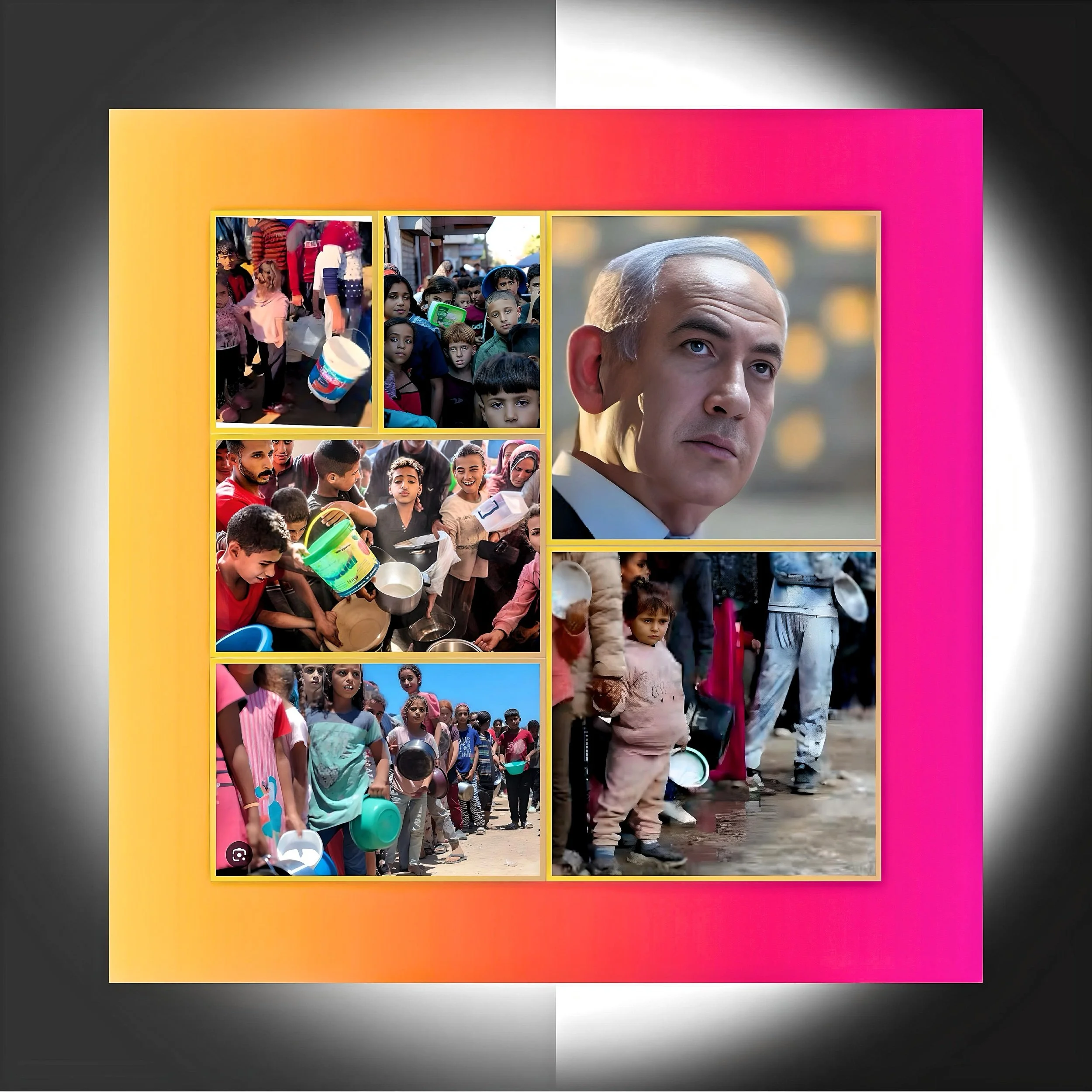
Israel’s Cessation of Humanitarian Aid to Gaza: Strategic Calculations and Global Repercussions
Introduction
The Israeli government’s decision to halt all humanitarian aid deliveries into the Gaza Strip on March 2, 2025, following the expiration of the first phase of its ceasefire agreement with Hamas, has intensified the humanitarian crisis in the region and sparked widespread international condemnation.
This move, framed by Israel as a pressure tactic to compel Hamas to accept an extension of the initial ceasefire terms, has raised urgent legal, ethical, and geopolitical questions.
The blockade disrupted a fragile six-week truce that had facilitated the release of hostages and prisoners, increased aid flows, and temporarily halted hostilities.
With over 2 million Palestinians in Gaza now facing renewed shortages of food, medicine, and fuel, the decision carries profound implications for regional stability, international law, and the prospects of lasting peace.
Contextualizing the Ceasefire Breakdown
The Expiration of Phase One and Divergent Demands
The first phase of the Israel-Hamas ceasefire, implemented on January 19, 2025, established a six-week pause in fighting that enabled the release of 33 Israeli hostages and approximately 1,500 Palestinian prisoners.
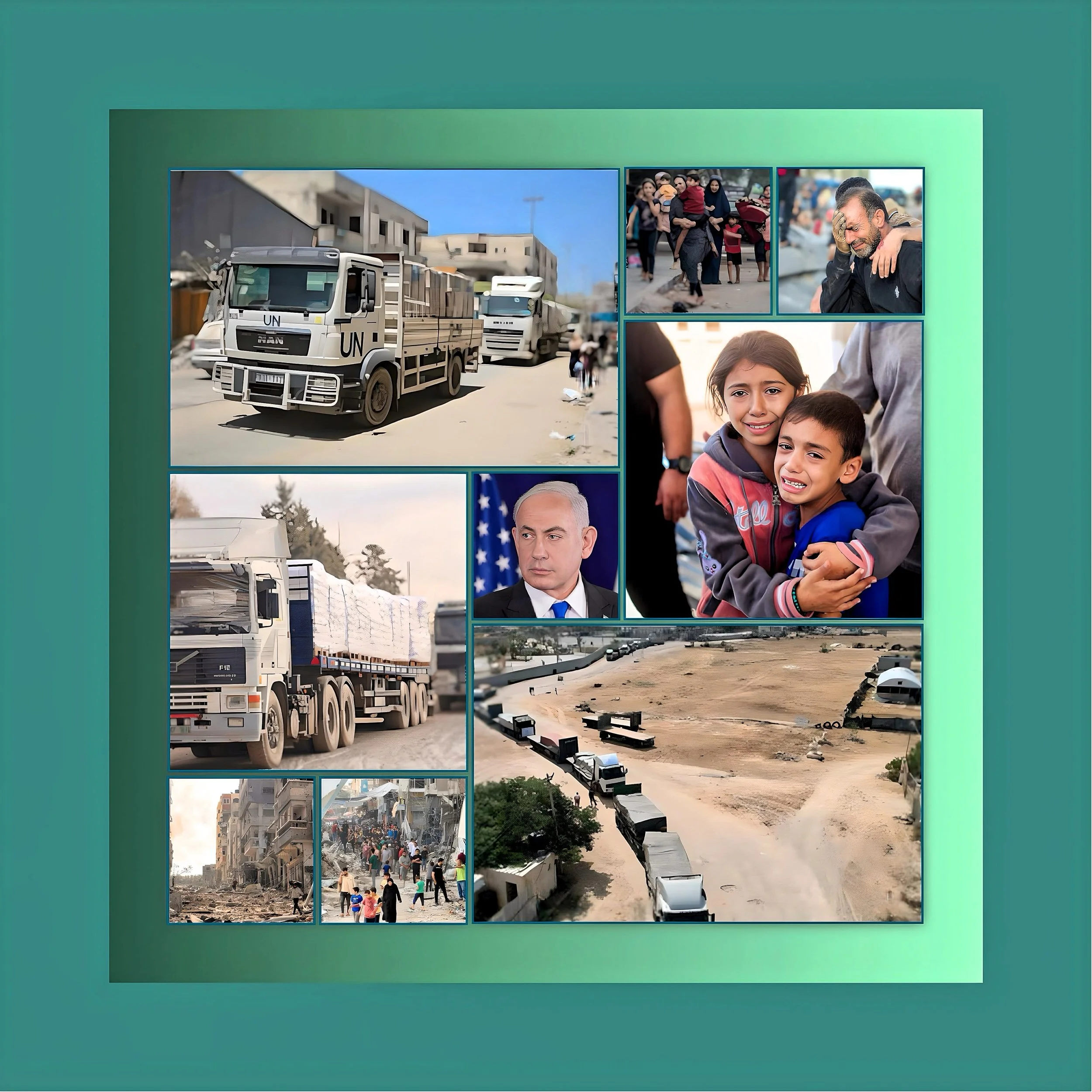
It also permitted a significant increase in humanitarian aid, with over 4,000 trucks entering Gaza during this period. However, the agreement’s expiration on March 1, 2025, exposed irreconcilable differences between the parties.
Israel sought to extend the first phase indefinitely under a U.S.-backed proposal by Special Envoy Steve Witkoff, which required Hamas to release half of the remaining hostages (estimated at 24 alive) immediately and the remainder contingent on a permanent ceasefire.
Hamas, conversely, demanded an immediate transition to Phase Two, which would mandate a complete Israeli military withdrawal from Gaza and a commitment to ending the war.
Israel’s refusal to withdraw troops and Hamas’s insistence on linking further hostage releases to a permanent ceasefire created a diplomatic impasse.
Prime Minister Benjamin Netanyahu framed the aid suspension as a response to Hamas’s “rejection of the Witkoff framework,” asserting that “Israel will not allow a ceasefire without the release of our hostages.” This hardline stance reflects domestic political pressures from Israeli families of hostages and right-wing factions demanding stricter terms.
The Strategic Rationale for Aid Suspension
Israel’s decision to weaponize humanitarian aid represents a calculated escalation aimed at leveraging Gaza’s dependency on external supplies.
By halting all goods—including food, medicine, and fuel—Netanyahu’s government seeks to force Hamas into accepting an extended Phase One without concessions on troop withdrawals.
An Israeli official stated the move was “coordinated with the Trump administration,” signaling U.S. support for this coercive strategy. The timing coincides with Ramadan and Passover, periods of heightened religious significance, amplifying the psychological and material impact on Gaza’s population.
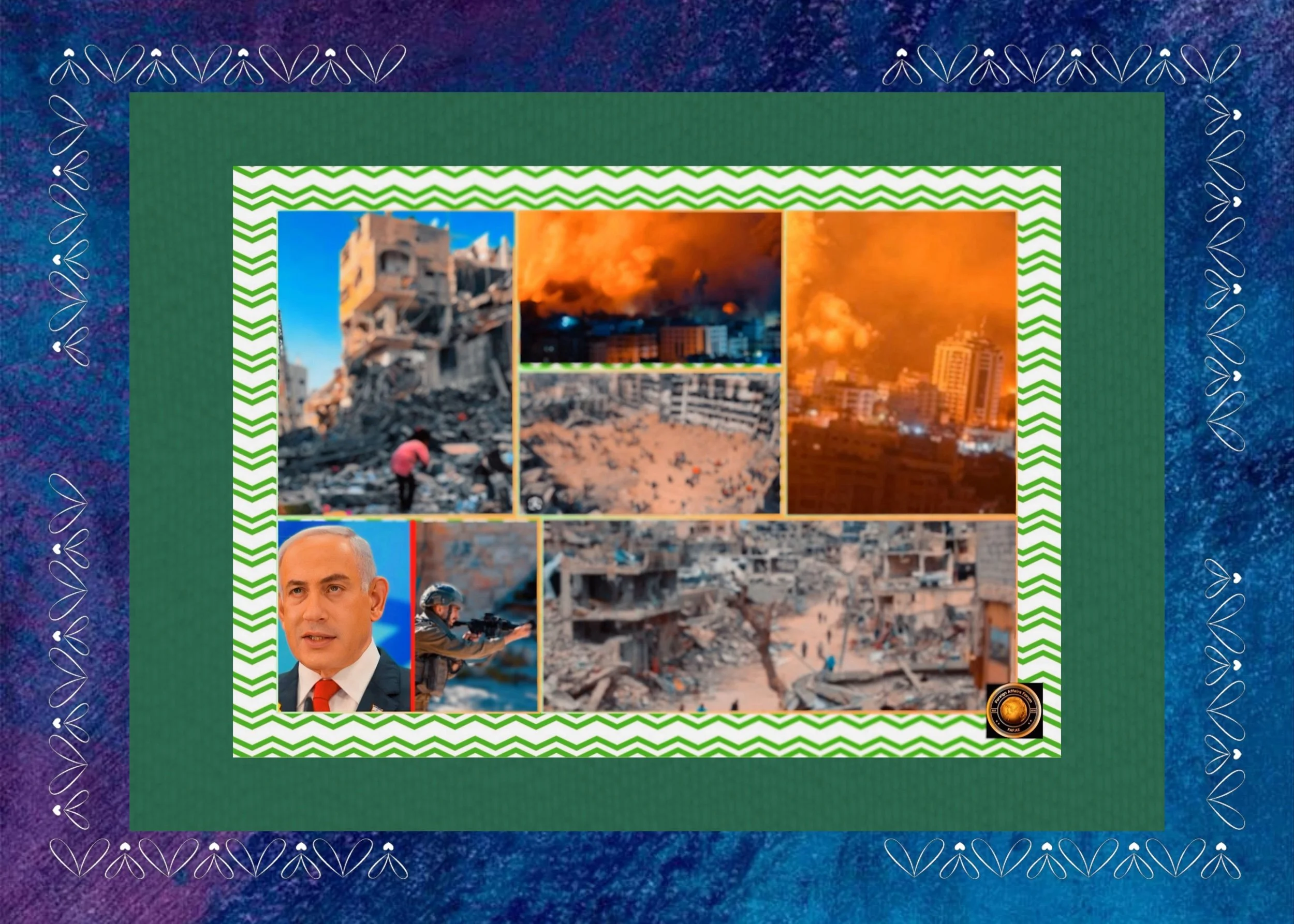
Critics argue that this approach risks undermining the ceasefire’s foundational humanitarian objectives. The Norwegian Refugee Council noted that while Phase One provided “essential relief,” it failed to address systemic shortages exacerbated by 15 months of conflict. With 60% of homes and 65% of roads destroyed, Gaza’s infrastructure remains ill-equipped to withstand renewed deprivation.
Humanitarian Catastrophe and Palestinian Realities
Immediate Impacts on Gaza’s Population
The aid blockade has triggered panic buying and price inflation, with reports of staple goods tripling in cost within hours. Abdulrahman Mohammed, a Gaza City resident, described how “prices for flour, rice, and canned foods skyrocketed as soon as the announcement came.”
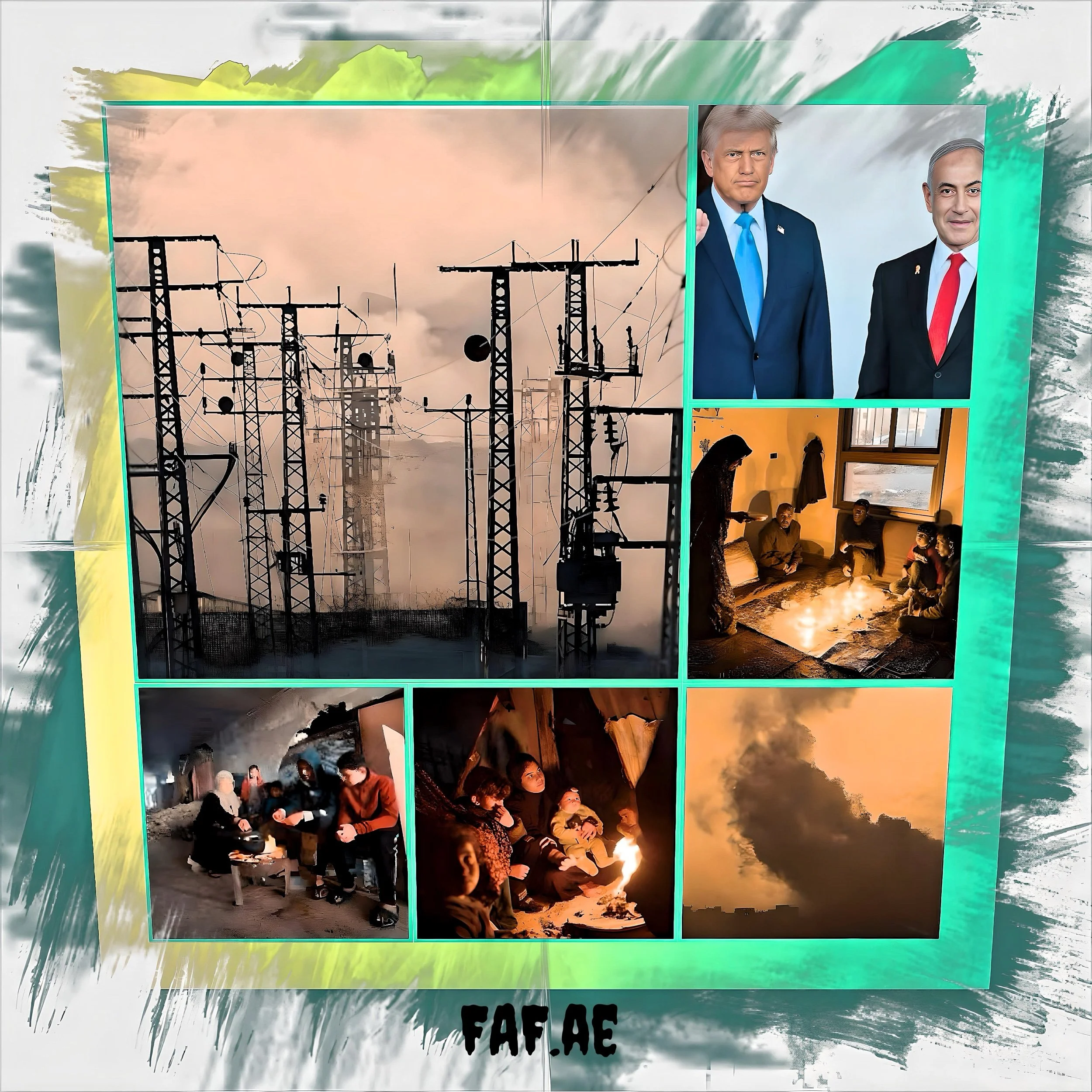
The suspension of fuel shipments threatens bakeries, hospitals, and water pumps, compounding disease risks and malnutrition. Fayza Nassar, a resident of Jabaliya refugee camp, warned of “famine and chaos” if the blockade persists.
The timing during Ramadan exacerbates suffering, as families traditionally gather for communal meals.
Mahmoud Shalabi of Medical Aid for Palestinians noted that “people are scavenging for scraps among the rubble” to break their fasts. The UN estimates that 85% of Gaza’s population remains displaced, with many sheltering in damaged buildings or tents ill-suited for winter conditions.
Hamas’s Response and Strategic Dilemmas
Hamas has denounced the aid suspension as “cheap blackmail” and a “war crime,” accusing Israel of reneging on its obligations under the ceasefire. The group insists that further hostage releases depend on Israel’s adherence to the original agreement’s second phase, including complete withdrawal and a permanent truce.
This position reflects Hamas’s dual role as both a militant organization and de facto governing authority; conceding to Israeli demands without tangible gains could undermine its credibility among Palestinians.
However, Hamas’s capacity to mitigate the crisis is limited. While it stockpiled some supplies during Phase One, its resources are insufficient to offset a prolonged blockade.
The group has appealed to mediators—Egypt, Qatar, and the U.S.—to pressure Israel, but with the Trump administration tacitly endorsing Netanyahu’s strategy, diplomatic options appear constrained.
International Condemnation and Legal Challenges
Violations of International Humanitarian Law
The aid blockade has been widely condemned as a violation of the Fourth Geneva Convention, which prohibits collective punishment and mandates access to humanitarian relief.
Egypt’s Foreign Minister Badr Abdelatty accused Israel of using “starvation as a weapon,” while Saudi Arabia labeled the move “a tool of extortion.” UN Humanitarian Chief Tom Fletcher emphasized that “international law is explicit: aid access must be allowed.”
Legal experts, including former Human Rights Watch director Kenneth Roth, argue that the blockade constitutes a “war crime” under the Rome Statute, which defines starvation of civilians as a prohibited tactic.
These allegations echo the International Criminal Court’s (ICC) 2024 arrest warrant for Netanyahu, which cited evidence of Israel using starvation as a method of warfare. South Africa’s genocide case against Israel at the International Court of Justice (ICJ) may also gain traction, as the blockade reinforces claims of intent to destroy Palestinian livelihoods.
Geopolitical Repercussions
The crisis has strained Israel’s relations with key Arab states. Jordan’s Foreign Ministry warned that the blockade “risks reigniting the conflict,” while Qatar condemned Israel’s “use of food as a weapon.” Even traditionally neutral actors like the International Committee of the Red Cross (ICRC) cautioned that unraveling ceasefire gains “risks plunging people back into despair.”
The U.S. faces scrutiny for its muted response. Despite the Witkoff proposal’s origins in Trump-era diplomacy, the administration’s reluctance to publicly critique Israel reflects broader geopolitical priorities, including countering Iranian influence and maintaining regional alliances.
However, bipartisan pressure may mount as humanitarian groups like Oxfam decry the blockade as “reckless collective punishment.”
Pathways Forward and Unresolved Tensions
Negotiation Scenarios and Stumbling Blocks
Two potential pathways exist: a resumption of Phase One under revised terms or an escalation into renewed conflict. The Witkoff proposal’s extension through Ramadan and Passover (until April 20) offers a temporary fix but fails to address core disputes.
Hamas remains unwilling to release hostages without guarantees of Israeli withdrawal, while Netanyahu’s coalition resists concessions that could be perceived as rewarding terrorism.
Mediators face an uphill battle. Egypt and Qatar retain channels with Hamas, but their leverage is diminished without U.S. pressure on Israel.
The EU’s call for “an immediate reversal of the aid suspension” lacks enforcement mechanisms, leaving the UN and NGOs to mitigate suffering through limited airdrops and advocacy.
Long-Term Implications for Gaza and Regional Stability
The blockade underscores the unsustainable nature of Gaza’s aid dependency. Even before the suspension, 90% of Gaza’s water required purification, and agricultural capacity was decimated by the war.
Reconstruction remains impossible without open borders and international funding, which Israel opposes absent Hamas’s disarmament.
For Palestine, the crisis deepens divisions between Hamas and the Palestinian Authority (PA), which governs parts of the West Bank. PA
President Mahmoud Abbas has criticized Hamas’s governance but lacks the legitimacy to intervene. Meanwhile, Israel’s strategy risks radicalizing a new generation of Palestinians, perpetuating cycles of violence.
Conclusion: A Precarious Crossroads
Israel’s decision to halt aid to Gaza represents a high-stakes gamble that prioritizes short-term tactical gains over long-term strategic stability. While intended to coerce Hamas into hostage negotiations, the blockade exacerbates humanitarian suffering, galvanizes international opposition, and undermines prospects for a durable peace.
The international community’s response—or lack thereof—will shape not only Gaza’s future but also the credibility of global humanitarian norms. As Ramadan unfolds amidst ruins, the urgency for a negotiated solution grows, yet the path forward remains fraught with distrust, political brinkmanship, and renewed conflict.