Ivory Coast’s Political Turbulence: Analyzing Recent Coup Rumors Within Historical Context and Future Implications
Introduction
On May 22, 2025, President Alassane Ouattara of Côte d’Ivoire appeared publicly at a cabinet meeting in Abidjan, effectively dispelling widespread social media rumors of a military coup that had circulated for several days.
These unverified claims, which alleged significant violence, internet disruptions, and the potential capture or death of the president, represent the latest manifestation of political tensions in a country with a complex history of military interventions and civil conflict.
Meanwhile, Africa.Media has debunked the immediate coup rumors, including local journalists who confirmed the country’s stability. They have noted that the episode highlights underlying vulnerabilities in Ivory Coast’s democratic institutions as the nation approaches crucial presidential elections scheduled for October 2025.
Understanding these recent events per FAF requires examining the historical pattern of political instability that has shaped the Ivory Coast since independence, the current socio-political dynamics, and the challenges that will determine the country’s democratic trajectory in the coming years.
Historical Foundations of Political Instability
The Houphouët-Boigny Era and Its Aftermath
Ivory Coast’s political landscape was fundamentally shaped by the lengthy rule of Félix Houphouët-Boigny, who controlled the country from independence in 1960 until he died in 1993.
During the initial decades of his presidency, Ivory Coast experienced remarkable economic prosperity and political stability, establishing itself as a model of post-colonial success in West Africa.
However, the later years of Houphouët-Boigny’s rule witnessed a significant downturn in the Ivorian economy and emerging signs of political instability that would plague the country for decades.
The transition of power following his death proved problematic, as his successor, Henri Konan Bédié, inherited not only presidential authority but also a deteriorating economic situation and growing social tensions.
Bédié’s presidency from 1993 to 1999 marked a critical turning point in Ivorian politics. It was characterized by introducing divisive policies that would have long-lasting consequences for national unity.
The concept of “Ivoirité,” promoted by Bédié, cast doubt on the nationality of many people of foreign origin and caused significant tension between people from the north and south of Ivory Coast.
This policy particularly affected immigrants from neighboring countries who had settled in the Ivory Coast during its prosperous years, with nearly one-third of the population being foreigners at one point, many of whom were Muslims concentrated in northern communities.
As economic conditions worsened, these immigrants became scapegoats for the nation’s problems and were increasingly marginalized despite many having acquired citizenship.
The 1999 Coup and Military Intervention Pattern
The first military coup in Ivory Coast’s post-independence history occurred on December 24, 1999, when a group of soldiers led by Tuo Fozié rebelled against President Bédié.
The coup was precipitated by growing dissatisfaction with Bédié’s governance, including accusations of corruption, political repression, and the discriminatory effects of the Ivoirité policy.
Former army commander Robert Guéï, although not having led the coup directly, was called out of retirement to head a National Public Salvation Committee.
The military intervention resulted in the dissolution of parliament, the former government, the constitutional council, and the Supreme Court. At the same time, rebels took control of key infrastructure, including Abidjan Airport and strategic bridges.
Many Ivorians initially welcomed the coup, hoping military leadership would improve the country’s deteriorating economic and political circumstances.
However, international reaction was swift and negative, with France, the United States, and several African countries condemning the coup and calling for a return to civilian rule.
Within months of the takeover, concerning patterns emerged as the country slid into arbitrariness, with the Ivorian Human Rights League condemning security forces for summary executions and harassment of commercial entities.
Military indiscipline became endemic, with soldiers demanding pay increases and staging multiple mutinies, the most serious occurring on July 4, 2000, affecting major cities including Abidjan, Bouaké, Katiola, Korhogo, and Yamoussoukro.
The Civil War Period and Its Lasting Impact
The 2002 Crisis and National Division
The failed coup attempt of September 19, 2002, marked the beginning of Ivory Coast’s most devastating period of internal conflict.
Approximately 800 disgruntled soldiers, many of whom had been instated during General Guéï’s rule and remained loyal to him, launched coordinated attacks on three cities: Abidjan, Bouaké, and Korhogo.
While government forces successfully repelled the attack on Abidjan, killing General Guéï and his family in the process under the mistaken belief that he had orchestrated the coup, the rebels managed to seize control of Bouaké and Korhogo.
This military action plunged the country into a multiyear civil war that effectively divided Ivory Coast between the rebel-held North and the government-controlled South.
The conflict was characterized by complex ethnic, religious, and economic dimensions that reflected deeper structural problems within Ivorian society.
The predominantly Muslim and economically disadvantaged northern regions supported the rebel cause, which was initially organized as the Patriotic Movement of Ivory Coast (MPCI) and later united as the New Forces.
The war attracted significant international attention, with France launching Operation Licorne under a protection mandate, though Ivorian nationalists criticized this intervention as neocolonialism.
The United Nations became involved through peacekeeping missions, while the Economic Community of West African States (ECOWAS) also deployed peacekeepers.
Resolution and Reconciliation Efforts
The First Ivorian Civil War officially ended with a peace agreement on March 4, 2007, following the Ouagadougou Political Agreement that appointed Guillaume Soro, the rebel leader, as prime minister while allowing Laurent Gbagbo to remain president.
However, this arrangement left fundamental issues unresolved, particularly regarding control of northern territories and the integration of rebel forces into national institutions.
The conflict had resulted in thousands of deaths and displaced hundreds of thousands of people, creating lasting trauma and deepening ethnic divisions that would continue to influence Ivorian politics.
The period following the formal end of the civil war was marked by continued political tensions and delayed elections, culminating in the severe crisis of 2010-2011.
The disputed presidential election results, with both Laurent Gbagbo and Alassane Ouattara claiming victory, led to renewed violence that resulted in approximately 3,000 deaths.
The crisis was only resolved through military intervention, with pro-Ouattara forces backed by French troops capturing and arresting Gbagbo on April 11, 2011.
This dramatic conclusion established Ouattara’s presidency and marked the beginning of a new phase in Ivorian politics focused on reconciliation and economic recovery.
Contemporary Political Dynamics and Challenges
The Ouattara Era and Democratic Consolidation
Since assuming power in 2011, President Alassane Ouattara has overseen a period of relative political stability and remarkable economic growth.
The Ivorian economy has demonstrated impressive resilience, with GDP growth averaging 8.2 percent between 2012 and 2019 and maintaining strong performance even during global disruptions such as the COVID-19 pandemic and the war in Ukraine.
Economic indicators have remained positive, with growth rates of around 6.5 percent annually between 2021 and 2023, surpassing regional and global averages.
International credit rating agencies have recognized this stability, with Moody’s upgrading Côte d’Ivoire’s sovereign rating to Ba2 in March 2024, citing the “robustness of its economic institutions.”
However, the Ouattara administration has faced persistent challenges related to democratic governance and political inclusion.
The controversial 2020 presidential election, in which Ouattara secured a third term despite constitutional term limits, sparked significant unrest and raised questions about democratic backsliding.
While the political and social climate has remained relatively stable since that period, underlying tensions persist, particularly regarding excluding opposition figures from the electoral process.
The disqualification of prominent opposition leader Tidjane Thiam from the electoral roll in April 2025, based on questions about his dual French-Ivorian citizenship, has reignited concerns about the fairness of the upcoming October 2025 presidential election.
Opposition Politics and Electoral Tensions
The political landscape heading into the 2025 elections reflects the competitive nature of Ivorian democracy and the persistent challenges facing the opposition.
Tidjane Thiam, the former CEO of Credit Suisse and current leader of the Democratic Party of Ivory Coast (PDCI), represents a significant challenge to the ruling Rally of Houphouëtists for Democracy and Peace (RHDP).
His exclusion from the electoral roll has been criticized as politically motivated, designed to eliminate a serious contender for the presidency.
Thiam’s prominence, including his ties to founding president Félix Houphouët-Boigny and international business experience, makes him an attractive candidate for voters seeking alternatives to the current leadership.
The response to Thiam’s disqualification has included protests in Abidjan and Bouaké, though these drew limited crowds and were met with police blockades.
Political analysts warn that barring high-profile candidates risks deepening public disillusionment, particularly among younger Ivorians, in a regional context where anti-establishment sentiment has fueled successful coups in Mali, Burkina Faso, and Niger.
The Ivorian Popular Front (FPI), historically associated with Laurent Gbagbo, has called for boycotts of elections while Gbagbo remains imprisoned, adding another layer of complexity to the electoral landscape.
Despite these challenges, the number of serious candidates represents a positive indicator of the Ivorian political system's growing openness and competitiveness.
Regional Security Context and External Influences
The West African Coup Epidemic
The recent coup rumors in Ivory Coast must be understood within the broader context of democratic regression across West Africa, where military takeovers have become increasingly common.
Mali, Burkina Faso, Niger, and Guinea have all experienced successful coups in recent years, creating a regional pattern that has heightened anxiety about democratic stability.
These developments have led to the withdrawal of the three Sahel countries from ECOWAS, weakening regional institutions designed to protect democratic governance.
The success of military interventions in neighboring countries has created a demonstration effect that may encourage similar attempts elsewhere in the region.
Burkina Faso’s military government has directly implicated Ivory Coast in alleged coup plotting, claiming in April 2025 that a foiled attempt against Captain Ibrahim Traoré was organized by former Burkinabe army officers based in Ivory Coast.
Security Minister Mahamadou Sana alleged that “the brains outside the country are all located in Ivory Coast,” specifically naming two former army officers believed to be behind the plot.
These accusations, which Abidjan dismissed, highlight the strained relations between the two nations and the spillover effects of regional instability.
The allegations also demonstrate how the contagion effect of military coups can create suspicion and tension between neighboring countries, even when specific claims lack credible evidence.
Colonial Period and Independence
Ivory Coast (Côte d’Ivoire) was a French colony from the late 19th century until its independence in 1960. During this period, France established the region as a central hub for trade, extracting wealth by exporting resources like ivory, cocoa, and coffee and developing infrastructure to support these activities.
Ivory Coast remained under strong French influence upon independence—a relationship known as Françafrique. The first Ivorian president, Félix Houphouët-Boigny, maintained close political, economic, and military ties with France, ensuring French support for his government and benefiting from French aid and investment.
Post-Independence: Françafrique and Political Influence
For decades after independence, France was Ivory Coast’s largest trading partner and provided substantial military and financial assistance.
French influence extended into Ivorian politics. Leaders often required French endorsement to rise to or maintain power, and France was perceived as able to “build or deconstruct” Ivorian leaders through media and diplomatic support.
The French military maintained a presence in the country, supporting the Ivorian government and intervening during periods of instability, such as the civil conflict from 2002 to 2011.
Military Presence and Shifting Dynamics
French troops were stationed in Ivory Coast for decades, aiding counterinsurgency operations and supporting UN peacekeeping missions, especially during the 2002–2011 civil conflict.
In 2004, French and Ivorian forces clashed, resulting in the destruction of much of the Ivorian Air Force by French troops and a temporary breakdown in relations. However, diplomatic ties were eventually restored.
Declining Influence and Recent Developments
French influence in Ivory Coast and across West Africa has waned in recent years due to rising nationalism and anti-French sentiment.
Many Ivorians, especially the youth, have grown critical of France’s perceived prioritization of its interests and its support for certain regimes.
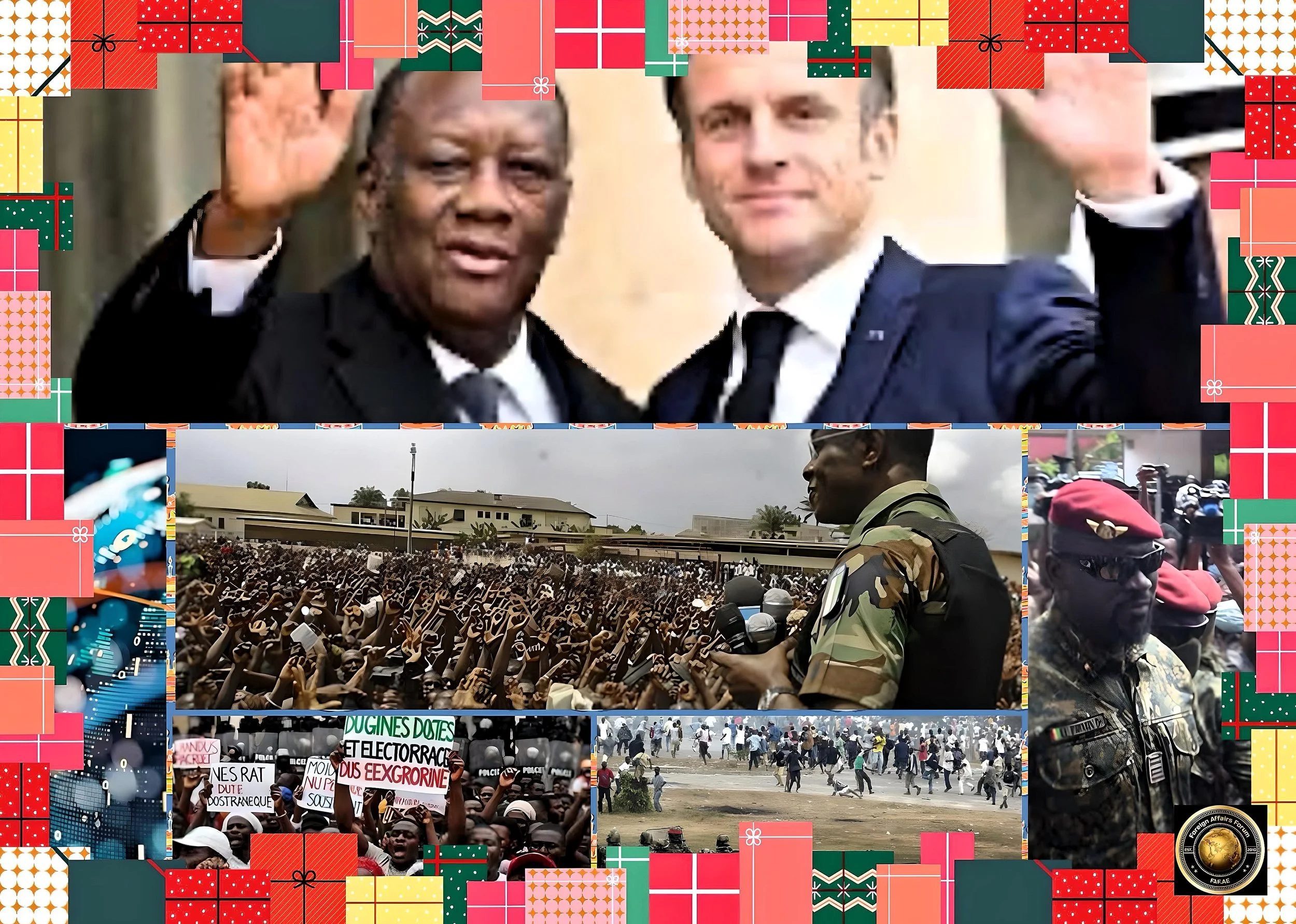
In late 2024, President Alassane Ouattara announced the withdrawal of French troops, citing the modernization and effectiveness of the Ivorian military. This move aligns with a broader regional trend, as several West African countries have expelled French forces and sought to redefine their relationships with France.
As of early 2025, France handed over its last military base in Ivory Coast, although a small contingent of French servicemen remains to provide training and advisory support. French officials have emphasized that their presence is being “transformed,” not eliminated, focusing on partnership and training rather than direct military involvement.
Economic and Cultural Ties
Despite the decline in military and direct political influence, France remains an important economic partner for Ivory Coast, though trade and investment have decreased over the years as Ivory Coast diversifies its international relationships.
French language and culture continue to have a strong presence in Ivorian society, reflecting the enduring legacy of colonialism.
France’s role in Ivory Coast has evolved from direct colonial rule and deep post-independence influence to a more limited and advisory presence. While economic and cultural ties remain, recent years have seen Ivory Coast assert greater sovereignty, reducing French military involvement and seeking a more balanced partnership in line with broader regional trends.
French Military Withdrawal and Security Implications
The announcement of French troop withdrawals from the Ivory Coast in December 2024 has added another dimension to the country’s security concern.
This decision reflects broader regional sentiment against former colonial powers and aligns with similar withdrawals from other West African countries.
Some analysts suggest that the departure of French forces may have weakened the regime’s security apparatus, potentially creating vulnerabilities that opponents of the government could exploit.
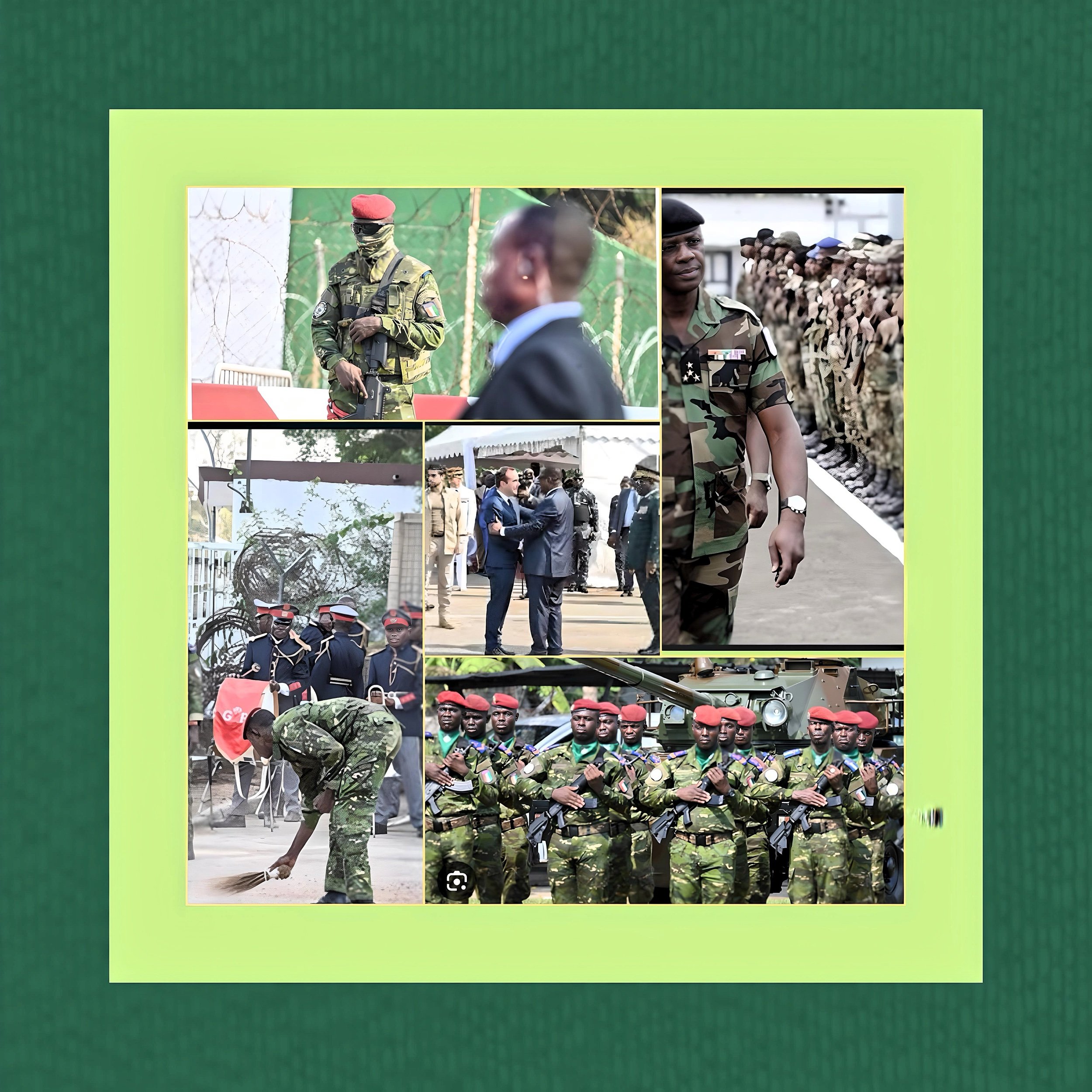
However, President Ouattara has emphasized the modernization of Ivory Coast’s armed forces as a response to evolving security challenges, expressing confidence in the country’s ability to maintain stability independently.
The security implications of French withdrawal extend beyond immediate military concerns to broader questions about Ivory Coast’s strategic autonomy and regional role.
The country’s position as an economic powerhouse and regional hub makes it crucial for West African stability, particularly given the ongoing jihadist threats in the Sahel region.
The withdrawal of French forces coincides with efforts to diversify security partnerships and strengthen indigenous capacity, though the transition period may create temporary vulnerabilities.
Economic Resilience and Structural Transformation
Macroeconomic Performance and International Recognition
Ivory Coast’s economic performance under the Ouattara administration has been consistently strong, establishing the country as a pillar of growth and stability in West Africa.
The economy has demonstrated remarkable resilience despite global shocks, maintaining an average real GDP growth of 6.4 percent over the past decade while keeping inflation around 2.2 percent.
The proportion of the population living below the national poverty line has declined significantly, reflecting the inclusive nature of economic growth.
International financial institutions have recognized these achievements, with the IMF noting that “Côte d’Ivoire has become a pillar of growth and stability for the region, thanks to its impressive economic resilience and commitment to reform.”
The country’s economic transformation extends beyond traditional agricultural exports to encompass broader industrial development and value chain integration.
While Ivory Coast remains the world’s leading cocoa producer, it has diversified into cashew processing, with processed product exports reaching over 330,000 tons.
The latest ranking of the 500 top-performing African companies by Jeune Afrique places Abidjan as home to 30 of the continent’s leading enterprises.
This economic prominence reflects the strategic vision pursued over a decade, transforming Ivory Coast from a primarily agricultural economy to a more diversified economic hub.
Infrastructure Development and Investment Climate
Significant infrastructure investments have supported Ivory Coast’s economic transformation, with public and private sector participation driving development across multiple sectors.
The country recently became the first African nation to issue an international bond denominated in its local currency, raising $1.75 billion through a Eurobond issue in March 2025.
This achievement demonstrates international confidence in Ivory Coast’s economic management and represents an important step toward financial sovereignty.
Major infrastructure projects include investments in electricity diversification and housing expansion, reflecting the government’s commitment to addressing citizens’ basic needs while supporting continued economic growth.
The investment climate has attracted substantial foreign direct investment, with companies like Africa Global Logistics announcing a €60 million investment in inland logistics in May 2025 to strengthen the country’s transport infrastructure.
This investment aligns with Ivory Coast’s robust economic growth and ambition to enhance connectivity across West Africa.
However, structural challenges persist, including the informal nature of employment, which complicates efforts to achieve stronger and more inclusive growth, broaden the tax base, and deepen ongoing economic transformation.
Climate change vulnerability, particularly given the predominance of the cocoa sector and concentration of industry in coastal zones, represents another significant challenge requiring continued attention.
Future Prospects and Democratic Trajectory
Electoral Preparations and Democratic Consolidation
The October 2025 presidential election represents a crucial test for Ivory Coast’s democratic consolidation and political stability.
Multiple strong candidates are expected to contest the presidency, creating what observers describe as one of the continent's most competitive and consequential elections in 2025.
The competitiveness of the electoral process, with multiple candidates having plausible paths to victory, represents a positive indicator of democratic maturation.
However, excluding opposition figures like Tidjane Thiam raises concerns about the electoral process's fairness and inclusiveness.
President Ouattara, now 83 years old, faces questions about his political future and potential succession plans. While indications suggest he may contest for another term, such a decision's constitutional and political implications remain unclear.
The handling of this transition will be crucial for maintaining democratic legitimacy and avoiding the kind of constitutional crises that have plagued other African countries.
International observers will closely monitor the electoral process, particularly given Ivory Coast’s history of post-election violence and the broader regional context of democratic regression.
Long-term Stability and Regional Leadership
Given its economic importance and historical role as a regional hub, Ivory Coast’s future trajectory will significantly influence broader West African stability.
The country’s success in maintaining democratic governance while achieving sustained economic growth could serve as a model for other nations in the region struggling with similar challenges.
However, this leadership role requires continued commitment to democratic principles, inclusive governance, and economic policies that benefit all citizens.
The ability to conduct free and fair elections in 2025 will be crucial for maintaining international credibility and regional influence.
Climate change adaptation and economic diversification represent critical long-term challenges shaping Ivory Coast’s development trajectory.
The government’s recognition of these challenges and implementation of appropriate policies will determine whether current economic gains can be sustained and expanded.
The ongoing economic transformation program, aimed at moving beyond raw material exports to become a key player in global value chains, requires continued investment in human capital, infrastructure, and institutional capacity.
Success in these areas will position Ivory Coast to achieve its goal of upper-middle-income status while maintaining political stability and social cohesion.
Where is President of Ivory coast?
As of May 23, 2025, President Alassane Ouattara remains in charge of Ivory Coast.
Despite widespread rumors and unverified reports on social media about a possible coup, the president fleeing, or even his death, there is no credible evidence to support these claims.
Per Africa.Media, on May 21 and 22, 2025, President Ouattara was seen presiding over a council of ministers meeting at the presidential palace in Abidjan.
The Ivorian presidency released official statements and photographs confirming his presence alongside key cabinet members.
Journalists and official sources in Abidjan have also dismissed the coup rumors as misinformation, affirming that the country is stable and that the president is carrying out his duties.
News outlets have not substantiated reports of internet disruptions and violent clashes.
The rumors appear to have originated from social media and have not been confirmed by major international or local news agencies.
The current Prime Minister is Robert Beugré Mambé, who has held the position since October 2023, serving under President Ouattara.
In summary, Alassane Ouattara is still the President of Ivory Coast and has not fled the country.
He continues to lead the government, and there is no verified evidence of a coup or change in leadership as of the latest available information.
Conclusion
While ultimately unfounded, the recent coup rumors in Ivory Coast serve as a reminder of the fragile nature of democratic institutions in West Africa and the persistent challenges facing even relatively successful countries in the region.
Ivory Coast’s complex history of military interventions, civil conflict, and political crises provides an essential context for understanding contemporary dynamics and prospects.
The country’s remarkable economic recovery under President Ouattara’s leadership, characterized by sustained growth, macroeconomic stability, and increasing international recognition, demonstrates the potential for post-conflict societies to achieve transformation through effective governance and strategic vision.
However, significant challenges remain as Ivory Coast approaches the crucial 2025 presidential election.
Questions about electoral fairness, opposition inclusion, and constitutional governance will test the resilience of democratic institutions that have been gradually strengthened over the past decade.
The regional context of democratic regression and military coups adds external pressure that could influence domestic political calculations.
The country’s ability to conduct credible elections while maintaining economic momentum will determine whether Ivory Coast can continue serving as a model of stability and growth in West Africa or risk joining the unfortunate pattern of democratic backsliding that has affected its neighbors.
The stakes extend beyond national borders. Ivory Coast’s success or failure will significantly affect regional stability, economic integration, and the broader struggle between democratic governance and authoritarian alternatives across Africa.