Ivory cost ask French troops to leave
Introduction
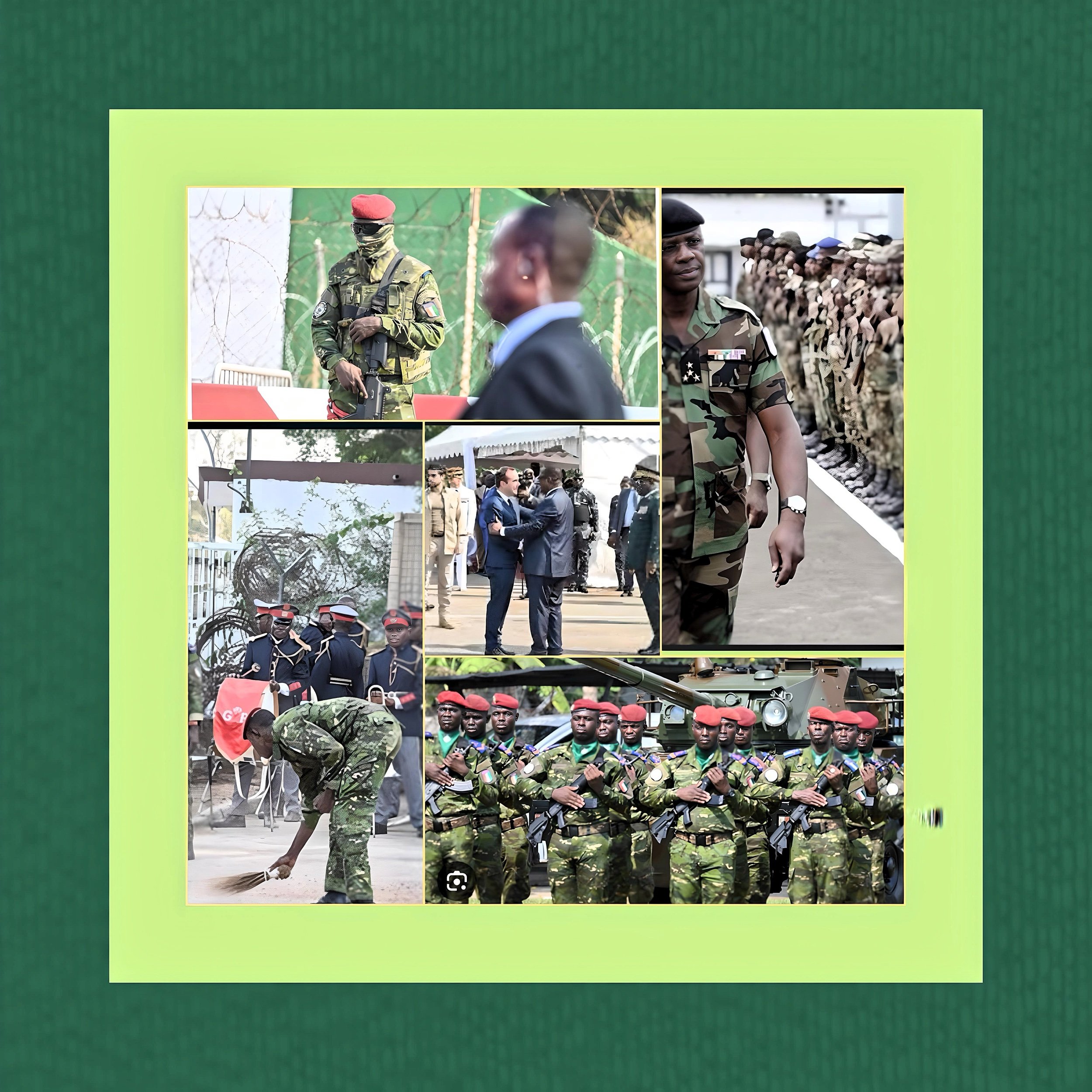
Ivory Coast has become the latest African nation to request the withdrawal of French troops from its soil, marking a significant shift in the country’s military ties with its former colonial power. President Alassane Ouattara announced on Tuesday that the pullout of French forces will begin in January 2025.
Key Points
The withdrawal will be “concerted and organized,” according to President Ouattara.
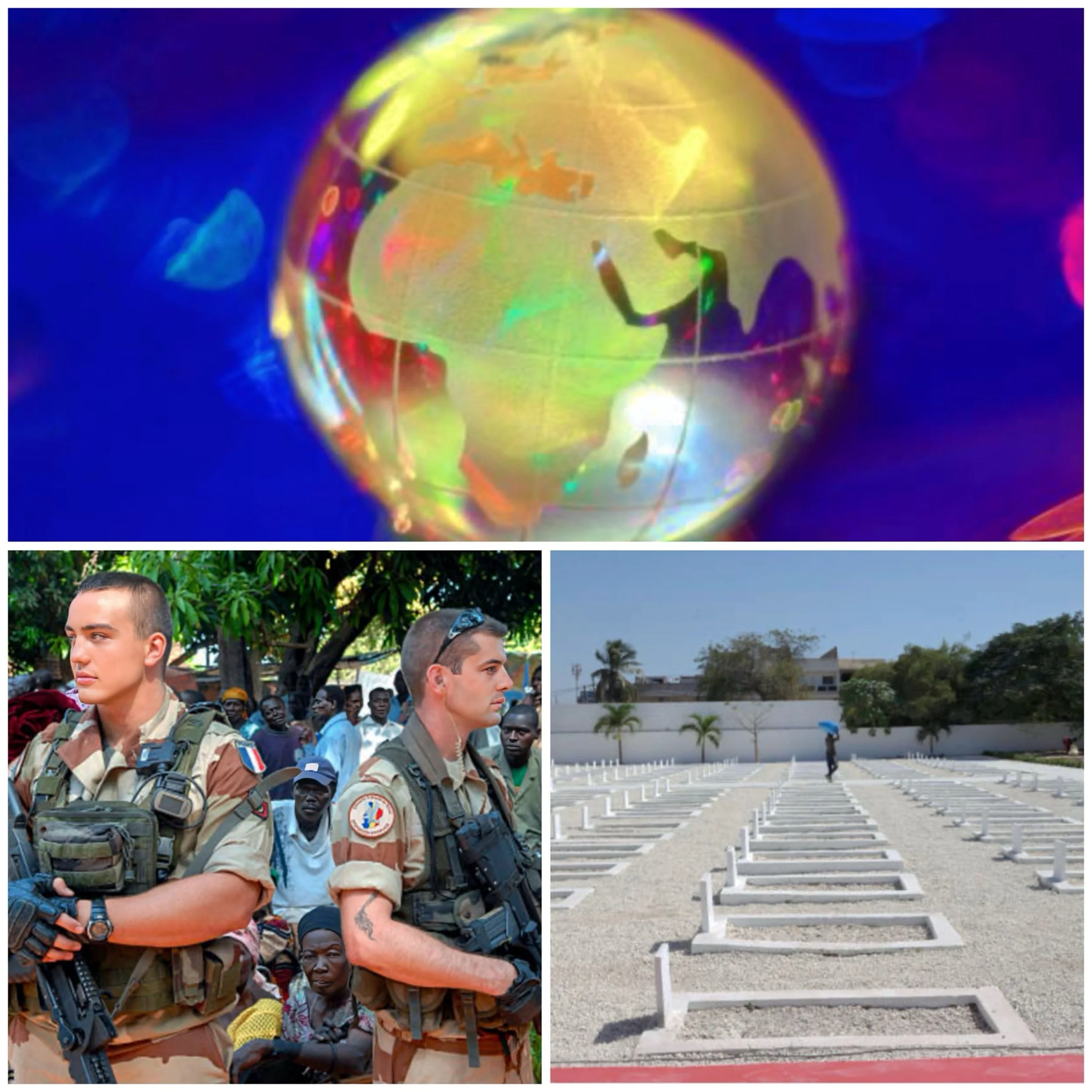
France currently has up to 600 troops stationed in Ivory Coast.
The military infantry battalion of Port Bouet, run by the French army, will be handed over to Ivorian troops.
Regional Context
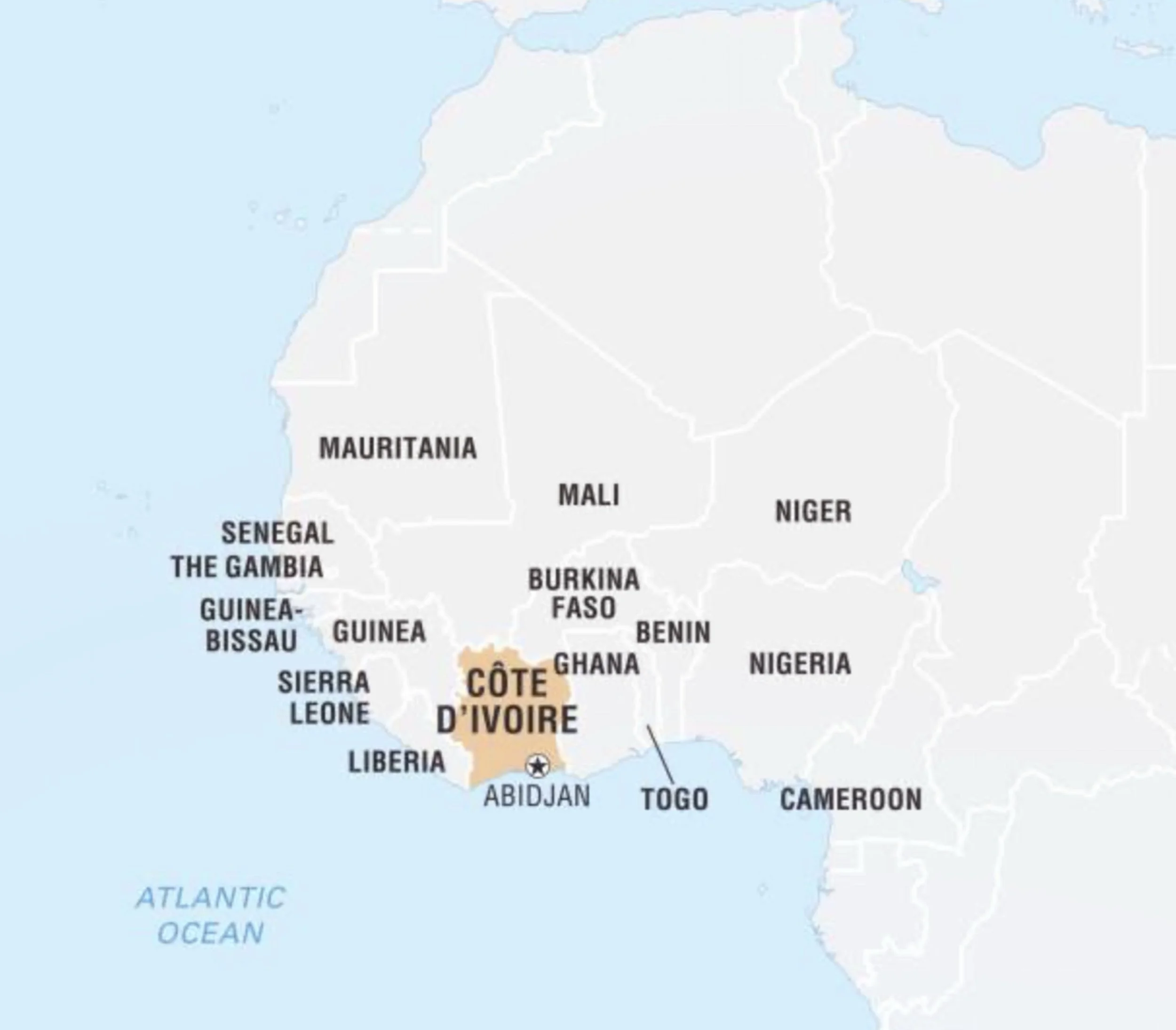
Ivory Coast’s decision follows a broader trend across West Africa, where several countries have recently asked French forces to leave:
Mali, Burkina Faso, and Niger have expelled French troops following military coups.
Senegal and Chad have also requested the departure of French forces.
France now retains a military presence in only two African countries: Djibouti (1,500 soldiers) and Gabon (350 troops).
Implications
Shift in regional dynamics: This move reflects a wider structural transformation in West Africa’s engagement with France.
Rising anti-French sentiment: The decision taps into a surge of anti-French sentiment across the region, which has influenced political changes in several countries.
Reassessment of security strategies: African nations are reevaluating their military partnerships, with some seeking closer ties with other powers such as Russia.
French strategy adaptation: France is working to revamp its strategy on the continent, aiming to reduce permanent troop deployments and focus on more targeted operations.
Conclusion
This development signals a significant change in France’s military footprint in Africa, as it has now been asked to leave more than 70% of the African countries where it had a troop presence since the end of colonial rule.