Trump’s Commercial Diplomacy: Reshaping Global Politics Through Business Deals
Introduction
President Donald Trump’s recent Middle East tour represents a seismic shift in American foreign policy, securing over $2 trillion in commercial deals while rewriting the rules of international diplomacy.
Rather than relying on traditional diplomatic frameworks built around military alliances and ideological alignment, Trump has pioneered a business-centric approach that prioritizes economic interests above conventional geopolitical concerns.
This commercial diplomacy strategy is transforming America’s engagement with the world. It produces immediate economic benefits while raising important questions about long-term security implications.
The Rise of Commercial Diplomacy
Commercial diplomacy represents using diplomatic channels and resources to advance a country’s business interests in the global marketplace.
It involves leveraging governmental influence to facilitate trade, investment, and other commercial activities between nations.
While this approach has historically been one component of foreign policy, the Trump administration has elevated it to become the central pillar of American engagement with the world.
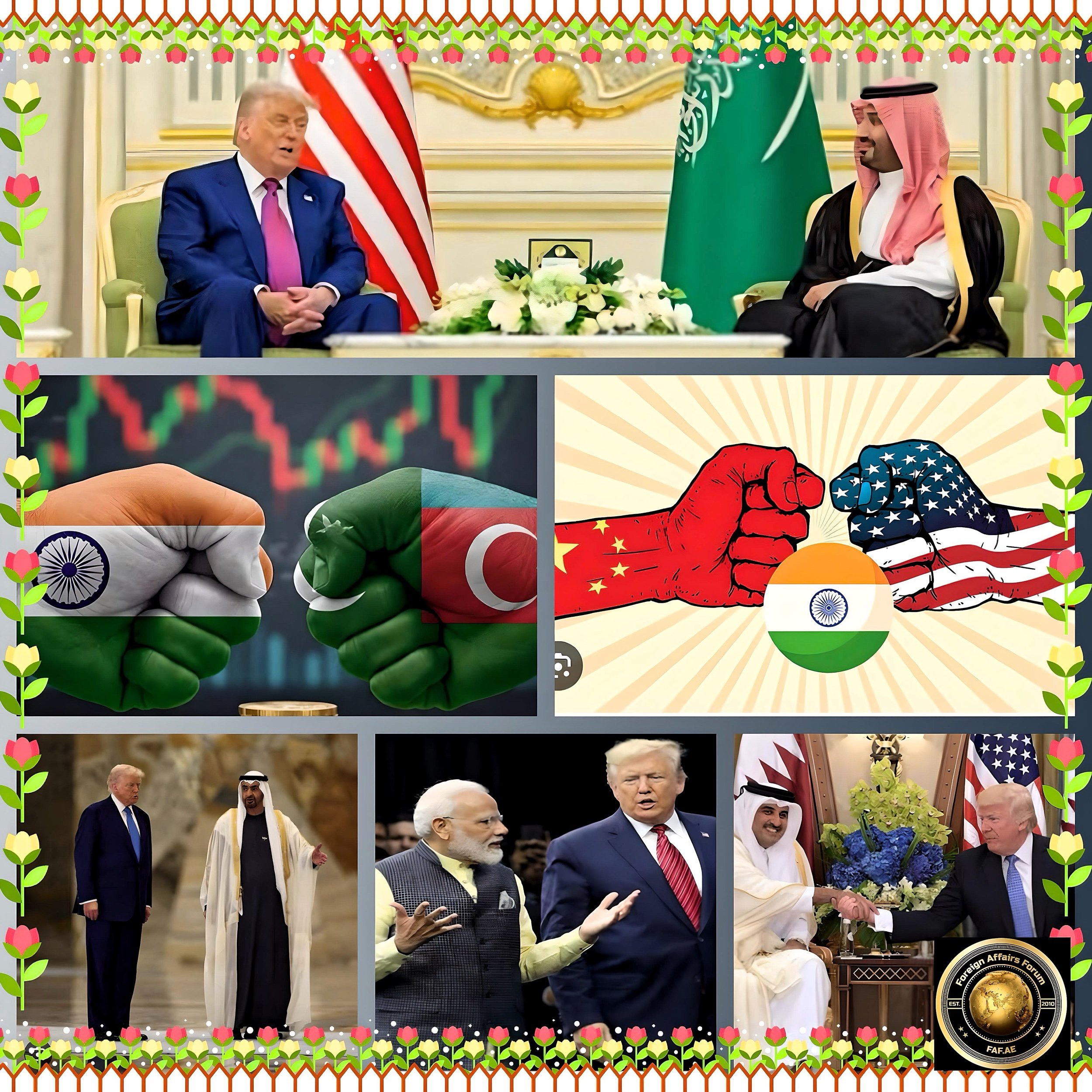
During his recent four-day Middle East trip spanning Saudi Arabia, Qatar, and the United Arab Emirates, President Trump secured more than $2 trillion in investment agreements with Gulf nations.
This unprecedented deal-making spree was not merely about economic gain, but represented a fundamental reorientation of American foreign policy priorities.
Commercial diplomacy, as practiced by the Trump administration, differs markedly from traditional approaches.
Rather than focusing primarily on security alliances, human rights concerns, or ideological compatibility, it prioritizes mutual economic benefit as the foundation for international relationships.
This approach creates business opportunities while potentially sidestepping thorny geopolitical issues that have historically complicated American foreign policy.
Defining Commercial Diplomacy in the Trump Era
The Diplo Foundation defines commercial diplomacy as using diplomatic efforts to “promote and protect a country’s commercial interests in the global marketplace”.
Trump has expanded this concept, making it the centerpiece rather than a component of American foreign policy.
His approach focuses on creating tangible economic benefits through deals that generate jobs and investment, often with less emphasis on traditional diplomatic concerns like human rights or democratic governance.
Strategy 1: Deal-Making Over Dogma
The first pillar of Trump’s commercial diplomacy is prioritizing concrete business deals over ideological alignment.
During his Middle East tour, Trump approached each country with a focus on securing major economic agreements rather than pushing for political reforms or addressing regional conflicts.
Saudi Arabia: A $600 Billion Commitment
In Riyadh, President Trump secured a $600 billion commitment from Saudi Arabia to invest in the United States.
This massive investment package includes what the White House described as “the largest defense cooperation agreement” ever established by Washington, valued at nearly $142 billion.
The defense component encompasses contracts with over a dozen U.S. defense firms, covering air and missile defense, air force and space advancements, maritime security, and communications.
During a speech at the U.S.-Saudi Investment Forum in Riyadh, Saudi Crown Prince Mohammed bin Salman expressed optimism about even greater investment opportunities, stating, “Today we are optimistic about investment opportunities amounting to $600 billion, including $300 billion in deals finalized during this forum. In the coming months, we will work on the second phase to finalize agreements and elevate this to $1 trillion”.
Qatar: A Record-Breaking Boeing Deal
In Qatar, Trump’s commercial diplomacy yielded over $243.5 billion in economic deals and a $1.2 trillion economic exchange agreement.
The centerpiece was a historic agreement between Boeing and Qatar Airways for the purchase of up to 210 aircraft, marking the largest order for widebody planes in Boeing’s history.
This deal, valued at approximately $96 billion according to White House estimates, is expected to support 154,000 jobs annually in the United States.
The aircraft order includes 130 units of Boeing’s 787 Dreamliner and 30 of the long-delayed 777-9 models, along with options for an additional 50 jets.
Qatar Airways also signed a separate agreement with GE Aerospace for more than 400 engines to power these aircraft, described as the largest engine procurement in GE Aerospace’s history.
UAE: AI and Aviation
In the United Arab Emirates, Trump secured over $200 billion in commercial deals, including an agreement by Etihad Airways to purchase 28 wide-body Boeing aircraft with GE engines.
Beyond aviation, the UAE and U.S. formalized an agreement for the Gulf nation to establish the largest AI campus outside of the United States.
This AI initiative includes plans for OpenAI to help develop a massive data center in Abu Dhabi with a capacity of 5 gigawatts, potentially making it one of the largest data centers in the world.
OpenAI is anticipated to serve as a key anchor tenant for this complex, according to Bloomberg News.
Strategy 2: Business Leaders as Diplomats
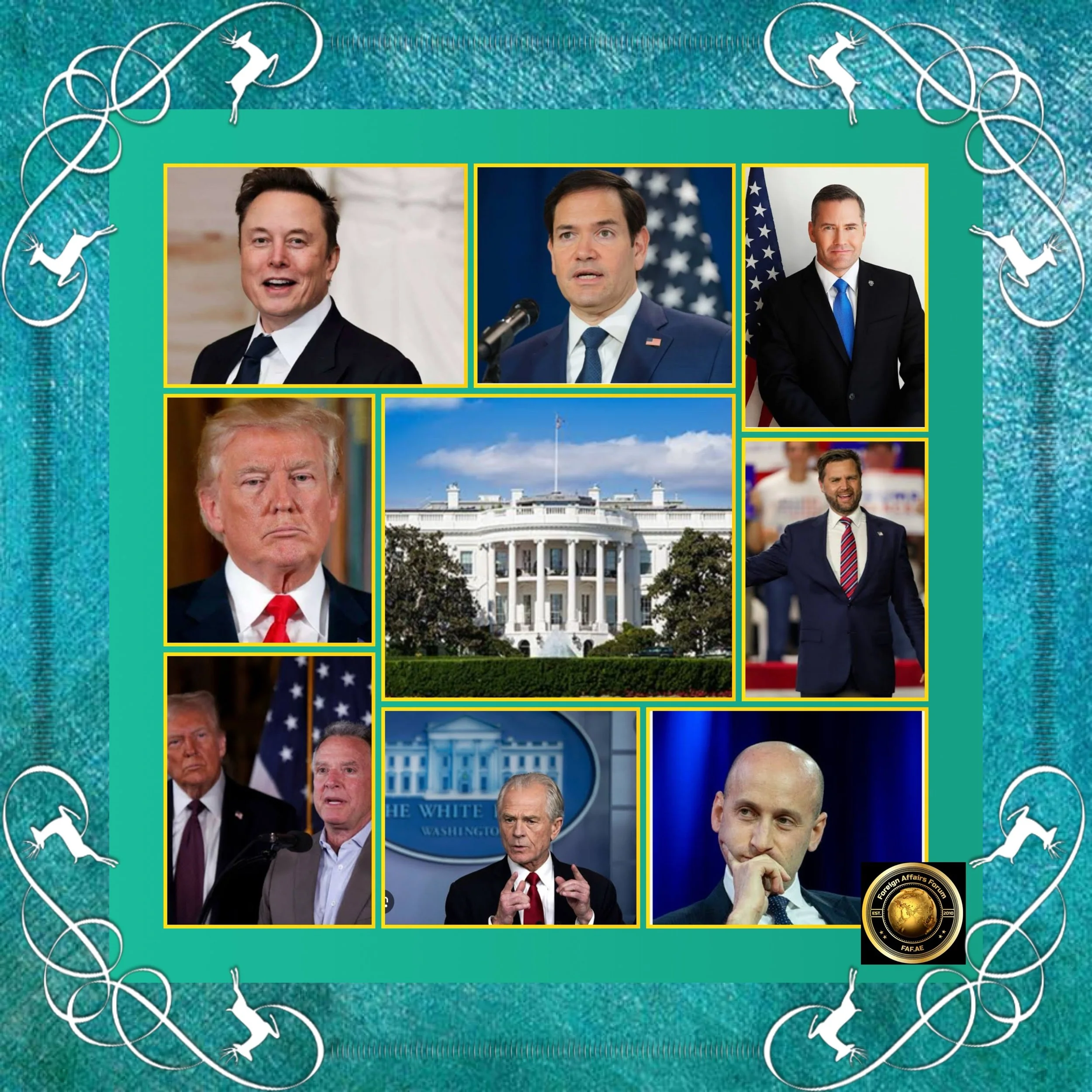
The second distinctive element of Trump’s commercial diplomacy is his reliance on business leaders rather than traditional diplomats or foreign policy experts to conduct international relations.
This approach brings a dealmaker’s mentality to diplomatic engagement.
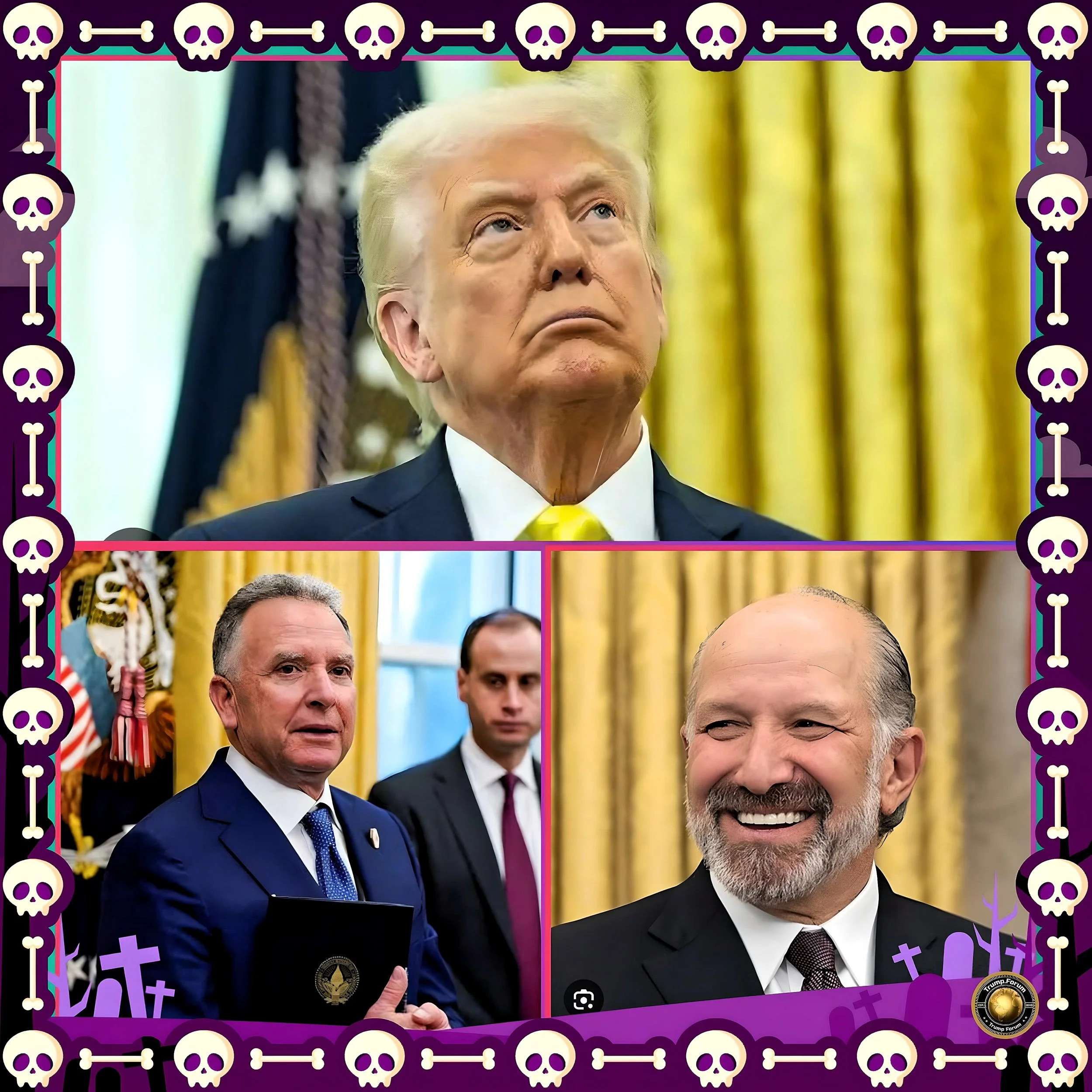
Howard Lutnick: Commerce Secretary with a Tariff Focus
In February 2025, Wall Street billionaire Howard Lutnick was confirmed as U.S. Commerce Secretary with a 51-45 Senate vote.
As the former CEO of financial services giant Cantor Fitzgerald, Lutnick has been a strong advocate for using tariffs to protect American industries and pressure foreign governments into trade concessions.
During his confirmation hearing, Lutnick defended tariffs as a tool to “create reciprocity, fairness and respect,” dismissing concerns about their inflationary impact as “nonsense”.
In his role, Lutnick works closely with the U.S. Trade Representative’s office to implement Trump’s aggressive trade agenda, which includes both broad tariffs on U.S. trading partners and targeted actions against specific countries.
Steven Witkoff: The “Lone Ranger” of Foreign Policy
Perhaps no figure better exemplifies Trump’s business-oriented approach to diplomacy than Steve Witkoff, who has emerged as Trump’s “defacto point-man on some of the most urgent foreign policy challenges facing the new administration”.
Despite having no prior government experience, Witkoff has taken on an expansive diplomatic role that sometimes overlaps with the traditional responsibilities of the Secretary of State and CIA Director.
In just three months, Witkoff has conducted shuttle diplomacy across multiple continents, meeting with Russian President Vladimir Putin, Ukrainian officials, Europeans in Paris to discuss ending the Ukraine War, and Iranian representatives in Rome regarding a possible nuclear deal.
His independent operating style-described as that of a “lone ranger” by one U.S. official-has raised questions about whether Witkoff has the expertise necessary to handle such complex diplomatic challenges.
Strategy 3: Engaging Problematic Partners for Economic Gain
The third component of Trump’s commercial diplomacy involves engaging with traditionally problematic partners when economic opportunities present themselves, sometimes setting aside longstanding security concerns or regional tensions.
Syria: Lifting Sanctions for “A Chance at Greatness”
In a surprise announcement during his Middle East tour, Trump declared that the United States will lift long-standing sanctions against Syria, which has been designated a state sponsor of terrorism by the U.S. government since 1979.
During a keynote speech in Riyadh, Trump stated he would order the cessation of sanctions “in order to give them a chance at greatness”.
This dramatic policy shift raises significant questions about implementation and follow-through, according to Michael Hanna, the U.S. program director for the International Crisis Group.
By engaging with Syria, Trump appears to be prioritizing potential commercial opportunities over traditional security concerns that have guided U.S. policy toward Syria for decades.
Pakistan: Zero-Tariff Trade Despite Security Concerns
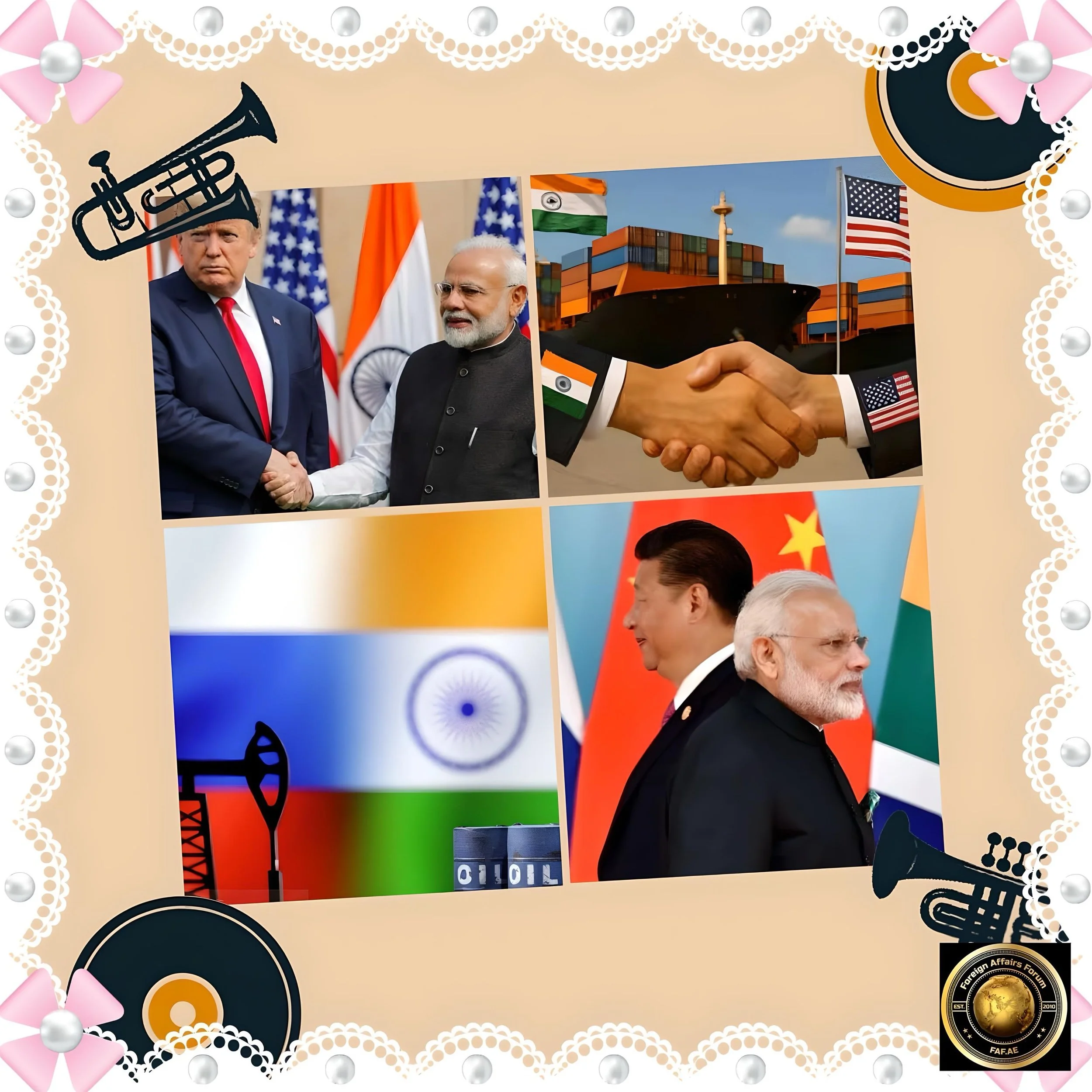
In another controversial move, Pakistan has proposed a zero-tariff bilateral trade agreement with the United States.
According to Pakistani officials, the country is “offering to enter into a bilateral agreement with zero tariffs on selected tariff lines, with mutual interests, to expand bilateral trade across multiple sectors”.
This overture comes despite Pakistan’s complicated history with terrorism and its tense relationship with India, America’s strategic partner in the region.
According to a report by CNN, Trump’s engagement with Pakistan has raised questions about the administration’s business interests in the country.
China: Reducing Tariffs with a Strategic Rival
Despite identifying China as America’s chief strategic competitor, Trump reached an agreement with Beijing to reduce tariffs.
According to a White House fact sheet, “the United States and China will each lower tariffs by 115% while retaining an additional 10% tariff. Other U.S. measures will remain in place”.
This trade deal demonstrates Trump’s willingness to pursue economic cooperation even with geopolitical rivals when mutual commercial benefits are possible.
The Global Expansion of Commercial Diplomacy
Trump’s commercial diplomacy approach is not limited to the Middle East or major powers like China. The administration is expanding this strategy globally, including to regions like Africa and East Asia.
Africa: A New Commercial Strategy
The Trump administration has launched a new Commercial Diplomacy Strategy through its Africa Bureau, marking a formal pivot from traditional aid-focused diplomacy to an approach centered on trade and investment.
The strategy aims to generate “mutually beneficial partnerships,” with the U.S. playing the role of enabler rather than just donor.
This approach is seen as a response to China’s multi-billion-dollar infrastructure lending across Africa and the European Union’s regulatory-heavy trade deals.
By tying diplomatic success to business success, the Trump administration is betting that American-style capitalism can win contracts and influence in the world’s fastest-growing continent.
East Asia: Commercial Opportunities in the Indo-Pacific
Michael DeSombre, Trump’s nominee for assistant secretary of state for East Asia and the Pacific, has highlighted his desire to pursue “commercial diplomacy” with countries in the Indo-Pacific region.
During his Senate confirmation hearing, DeSombre outlined three key priorities, with promoting “U.S. prosperity through robust commercial diplomacy and reciprocal trade relations” prominently featured.
DeSombre committed to ensuring that “all of the embassies in EAP have strong commercial diplomacy teams” if confirmed, signaling that commerce will be central to America’s engagement with East Asian nations.
Risks and Potential Benefits
Trump’s commercial diplomacy approach carries both significant risks and potential advantages that warrant careful consideration
potential of overlooking security concerns in pursuit of commercial gain.
By prioritizing business deals with countries that have problematic human rights records or that host terrorist groups, the U.S. could undermine its long-term security interests and damage its moral leadership.
Additionally, this approach might alienate traditional allies who expect more than transactional relationships.
The focus on short-term deals could come at the expense of long-term strategic partnerships built on shared values and security interests.
There are also questions about implementation. As Michael Hanna noted regarding Trump’s policies, “one of the things that has been a huge problem for Trump, traditionally, is implementation and follow-through”.
Many of these massive deals may face challenges in execution, and their promised economic benefits may not fully materialize.
Potential Benefits
Despite these risks, Trump’s commercial diplomacy offers several potential advantages. By focusing on business and trade, it could drive job creation and economic growth in the United States.
The Boeing deals alone with Qatar and the UAE are expected to support hundreds of thousands of American jobs.
This approach also allows the U.S. to engage with a wider range of international partners, free from ideological constraints that might otherwise limit cooperation.
It potentially gives America greater flexibility to adapt to changing global circumstances and commercial opportunities.
Furthermore, by establishing economic ties with regions where rivals like China have been gaining influence, the U.S. might enhance its leverage and competitive position.
The new Africa Commercial Diplomacy Strategy explicitly aims to counter China’s economic influence on the continent.
A Philosophical Shift in U.S. Foreign Policy
Trump’s commercial diplomacy represents more than just a tactical change-it constitutes a fundamental philosophical shift in how America engages with the world.
It prioritizes tangible economic results over abstract principles, prosperity over ideology, and deals over dogma.
As described in a LinkedIn article, Trump is “forging a new path that promises prosperity and renewed American leadership” by focusing on “business, trade, and mutual economic benefit”.
This approach “disrupts decades of foreign policy shaped by rigid geopolitics, military alliances, and ideological divides, replacing it with a pragmatic, business-driven strategy”.
Conclusion
Rewriting the Rules of Global Engagement
President Trump’s commercial diplomacy approach has disrupted the foundation of U.S. foreign policy.
By securing over $2 trillion in deals during his Middle East tour and expanding this approach globally, Trump is demonstrating that economic interests can be powerful drivers of international relationships.
His reliance on business leaders to conduct diplomacy, willingness to engage problematic partners for economic gain, and prioritization of deals over dogma have rewritten the rules of American global engagement.
While this approach has yielded immediate economic benefits, questions remain about its long-term implications for U.S. security interests and global influence.
As the implementation of these massive deals proceeds, the world will be watching to see whether Trump’s commercial diplomacy represents diplomatic genius or shortsighted deal-making.
What is already clear, however, is that the traditional rulebook for U.S. foreign policy has been thoroughly revised, with commercial interests now at the center of America’s approach to the world.