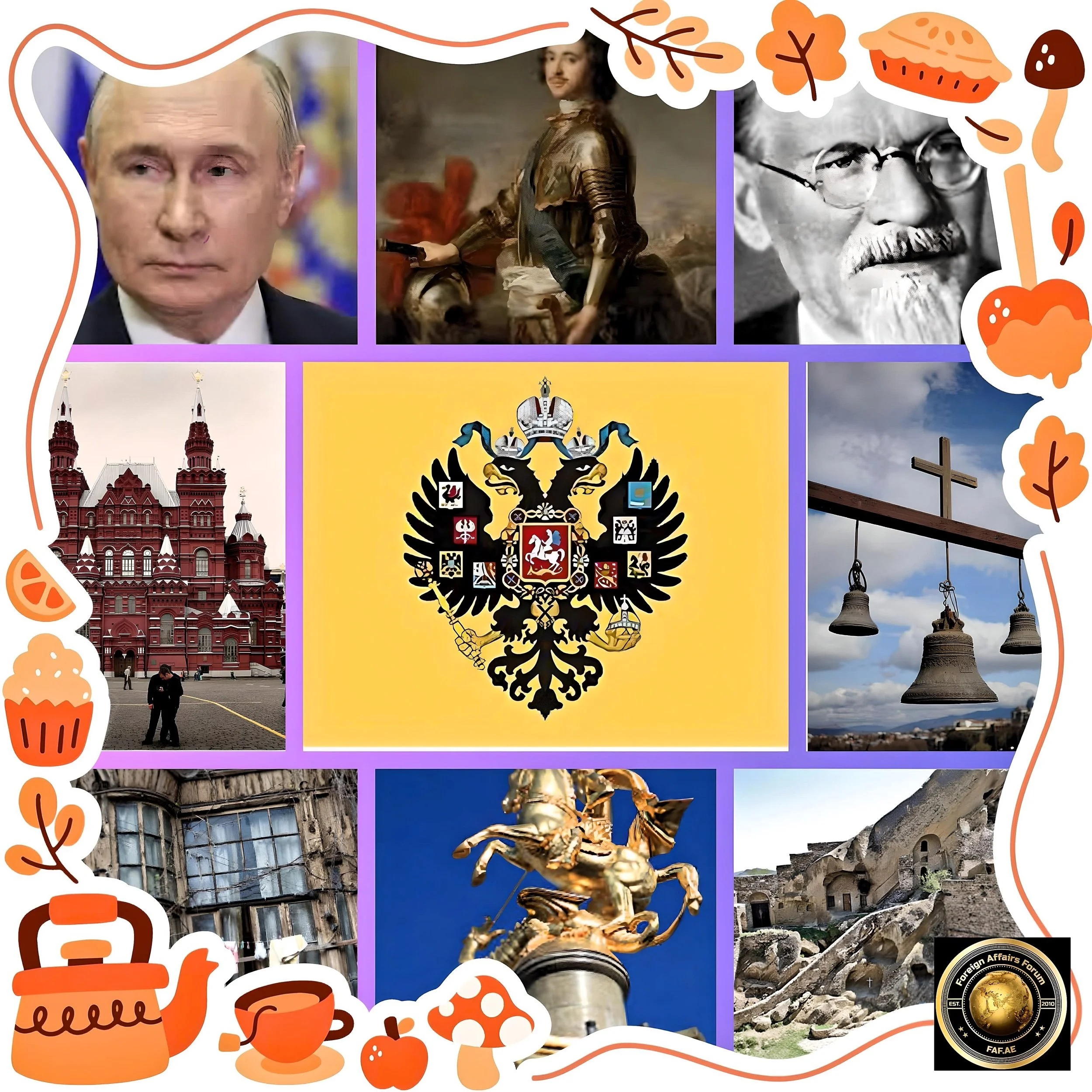
Continuity and Change: Comparing the Russian Empire, Soviet Union, and Modern Russia
Introduction
The Russian state has undergone dramatic transformations over the past three centuries, from an imperial autocracy to a communist dictatorship to its current form as a semi-presidential republic.
Despite these radical shifts in official ideology and governance structures, specific patterns have persisted across all three eras.
FAF, Moscow.Forum examines key similarities and differences between the Russian Empire (1721-1917), the Soviet Union (1922-1991), and modern Russia (1991-present) through political, economic, and social lenses.
Political Foundations: From Divine Right to Sovereign Democracy
Enduring Centralization of Power
Perhaps the most striking continuity across all three Russian eras is the persistent centralization of political authority.
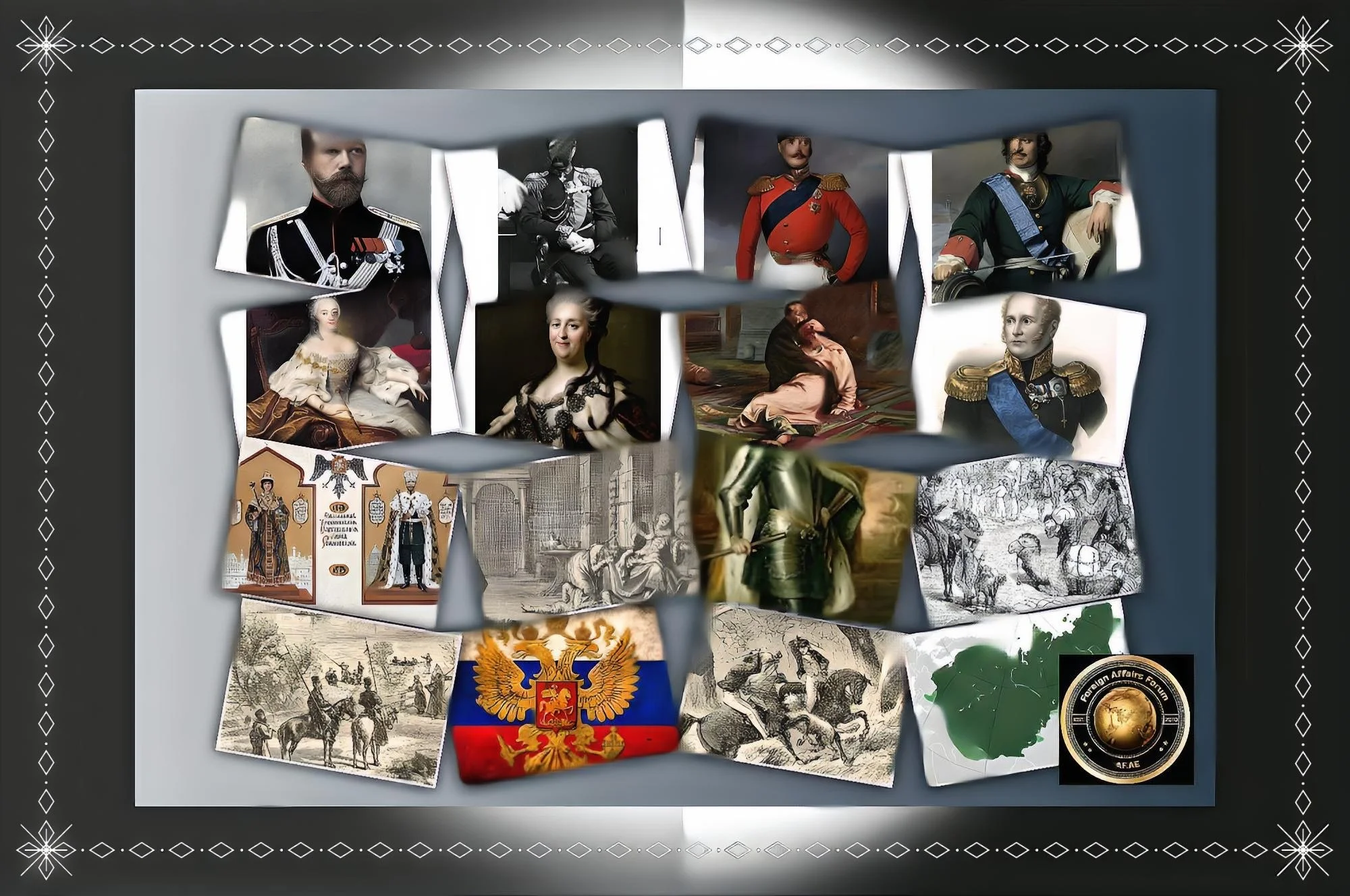
The Russian Empire was governed by an autocratic Tsar whose power was “virtually limitless” until modest reforms in 1905.
Similarly, the Soviet Union functioned as a “highly centralized” one-party state where the Communist Party exercised complete political control.
Modern Russia, while constitutionally a federal republic, has developed what some scholars describe as “competitive authoritarianism” with power concentrated in the presidency.
The ideological justifications for this centralization have evolved dramatically.
Under Tsar Nicholas I, Count Sergey Uvarov formulated the “Orthodoxy, Autocracy, and Nationality” doctrine to provide an ideological foundation for imperial rule.
This tripartite formula emphasized religious orthodoxy, absolute monarchy, and Russian national character as the pillars of legitimate governance.
The concept articulated Russia’s distinctiveness from Western Europe and justified the need for strong centralized authority.
The Soviet Union replaced this framework with Marxism-Leninism, which justified the “dictatorship of the proletariat” through the Communist Party.
While rejecting tsarist ideology's religious and monarchical elements, Soviet leaders emphasized centralized control, now justified as necessary for building socialism.
In modern Russia, concepts like “sovereign democracy” (introduced in 2006) serve similar functions, providing ideological justification for centralized rule.
The current state ideology is “nationalist-imperialist,” combining aspects of imperial Russian thinking with modern nationalism.
The Leader’s Role
Another persistent feature is the outsized role of the individual leader. Imperial Russia vested enormous power in the Tsar as a divinely appointed ruler.
The Soviet system, despite its collective rhetoric, developed strong cult-of-personality tendencies under Stalin and other leaders.
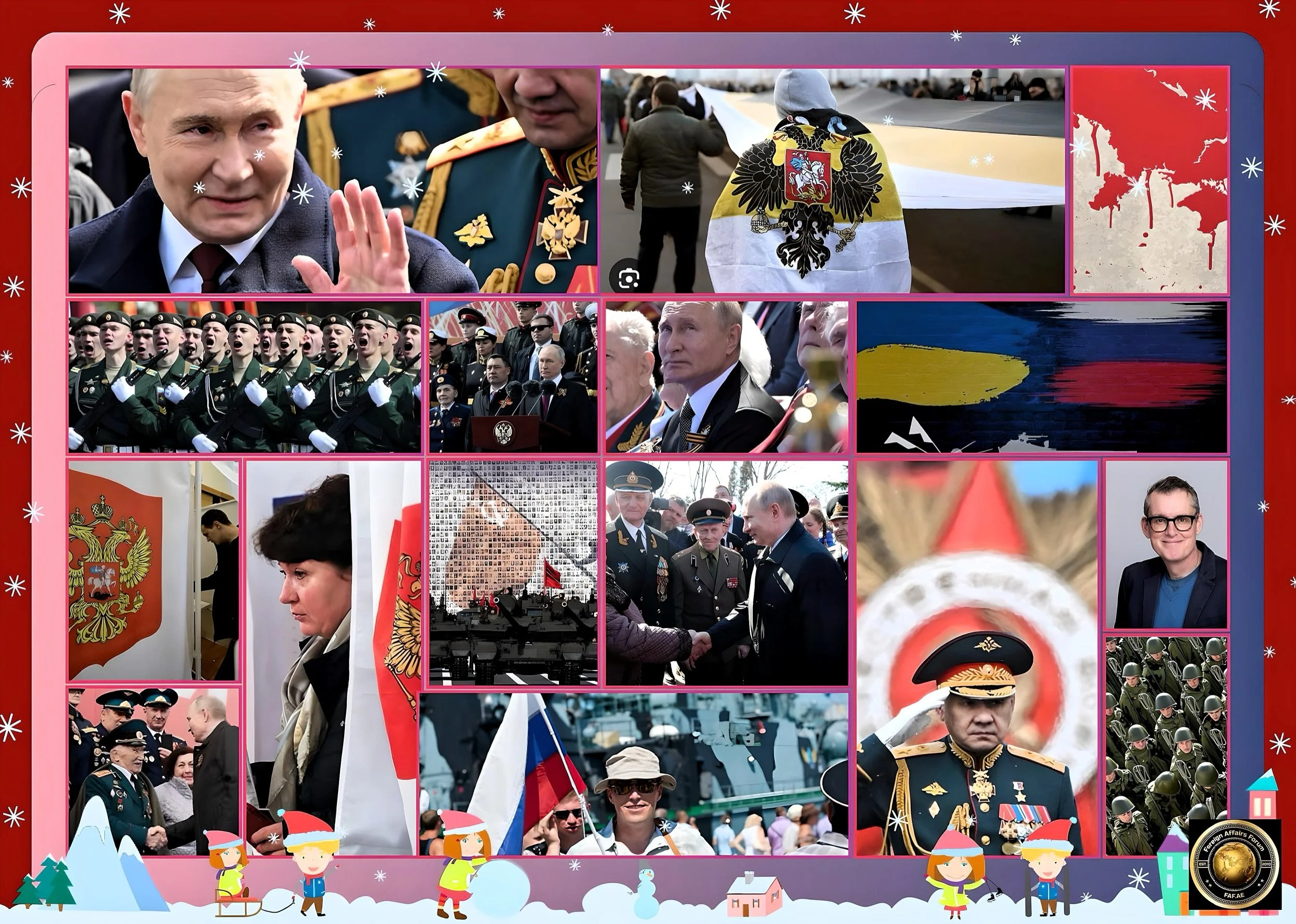
Modern Russia has similarly developed around the central figure of Vladimir Putin, whose personal authority transcends institutional constraints.
Economic Systems: From Feudalism to State Capitalism
Resource Dependency and State Control
The economic structures of these three eras differ dramatically on the surface yet share fundamental similarities.
The Russian Empire remained predominantly agrarian, with over 80% of the population engaged in agriculture as late as the 1897 census.
The abolition of serfdom in 1861 was a significant reform, but Russia remained a “late industrializer” compared to Western Europe.
The Soviet Union introduced a command economy with “centralized distribution of output” and state ownership of the means of production.
While industrializing rapidly, the Soviet economy prioritized “heavy industry and defense over consumer goods,” leading to persistent shortages.
Modern Russia has adopted market mechanisms but retains substantial state control in strategic sectors.
Approximately two-thirds of Russia’s stock market capitalization is in state-controlled companies, particularly oil, gas, banking, and transportation.
This has been described as “state capitalism,” combining market relations with extensive government intervention.
Across all three periods, Russia’s economy has remained heavily dependent on resource extraction and export.
The imperial economy relied on agricultural exports, the Soviet Union on oil and minerals, and modern Russia continues to be primarily “commodity-driven,” with energy exports accounting for many government revenues.
Class and Economic Stratification
The social-economic structures have transformed markedly across the three eras.
The Russian Empire maintained a rigid class hierarchy, with nobility and clergy (12.5% of the population) controlling most resources, while peasants (82%) lived in poverty.
Even by the late imperial period, the middle class remained tiny, at just 1.5% of the population.
The Soviet Union officially abolished class distinctions and private property, creating a theoretically classless society.
In practice, party membership became the new basis for privilege, though income inequality was significantly reduced compared to imperial times.
Modern Russia has experienced a dramatic increase in economic inequality since the 1991 transition.
Between 2000 and 2007, “the incomes of the rich grew from approximately 14 times to 17 times larger than the incomes of the poor”.
Privatizing state assets in the 1990s created a new class of oligarchs, while many citizens struggled during the economic transition.
Social Structures: Tradition, Revolution, and Restoration
National Identity and Ideology
The concept of Russian identity has evolved significantly across these periods.
The imperial ideology emphasized Russia’s unique civilization based on Orthodox Christianity, with Moscow conceptualized as the “Third Rome.” This religious-imperial identity justified Russia’s expansion and special mission.
The Soviet era attempted a radical break with this tradition, promoting an internationalist communist identity based on class solidarity rather than nationality or religion.
However, during World War II and afterward, Soviet leadership increasingly incorporated Russian nationalist themes into official rhetoric.
Modern Russia has engaged in an eclectic recombination of imperial and Soviet symbols and concepts.
One Reddit commenter noted, “Contemporary Russia resembles a continuation of the Soviet Union more than it does Tsarist Russia, particularly in lifestyle and political culture.”
Yet the current government promotes “traditional spiritual and moral values” that echo aspects of imperial ideology.
This ideological evolution is powerfully symbolized by the display in St. Petersburg of “the 165-year-old Russian imperial flag in black, yellow, and white; the Soviet Union’s flag featuring a hammer and sickle; and the modern Russian tricolor” side by side on enormous flagpoles.
Religion and Traditional Values
The role of religion has come full circle over these three periods. In imperial Russia, the Orthodox Church was “partially incorporated into the country’s administrative structure” under Peter the Great, making it “a tool of the state.”
Religious identity was central to the imperial conception of Russianness.
The Soviet Union officially embraced atheism, suppressing religious institutions and promoting scientific materialism.
However, religious practice persisted privately, and the state’s approach to religion varied in intensity over time.
Modern Russia has reintegrated Orthodox Christianity into its ideological framework, though in a more instrumental way than during imperial times.
The current regime promotes “communalism as the antithesis of individualism” and emphasizes traditional values as part of its state ideology.
Persistent Patterns in Russian Governance
Despite the radical differences in stated ideology, several patterns have persisted across all three Russian states:
Skepticism toward Western models
All three regimes have defined Russian identity partly in opposition to Western liberalism, emphasizing Russia’s unique path.
Prioritization of state security over individual rights
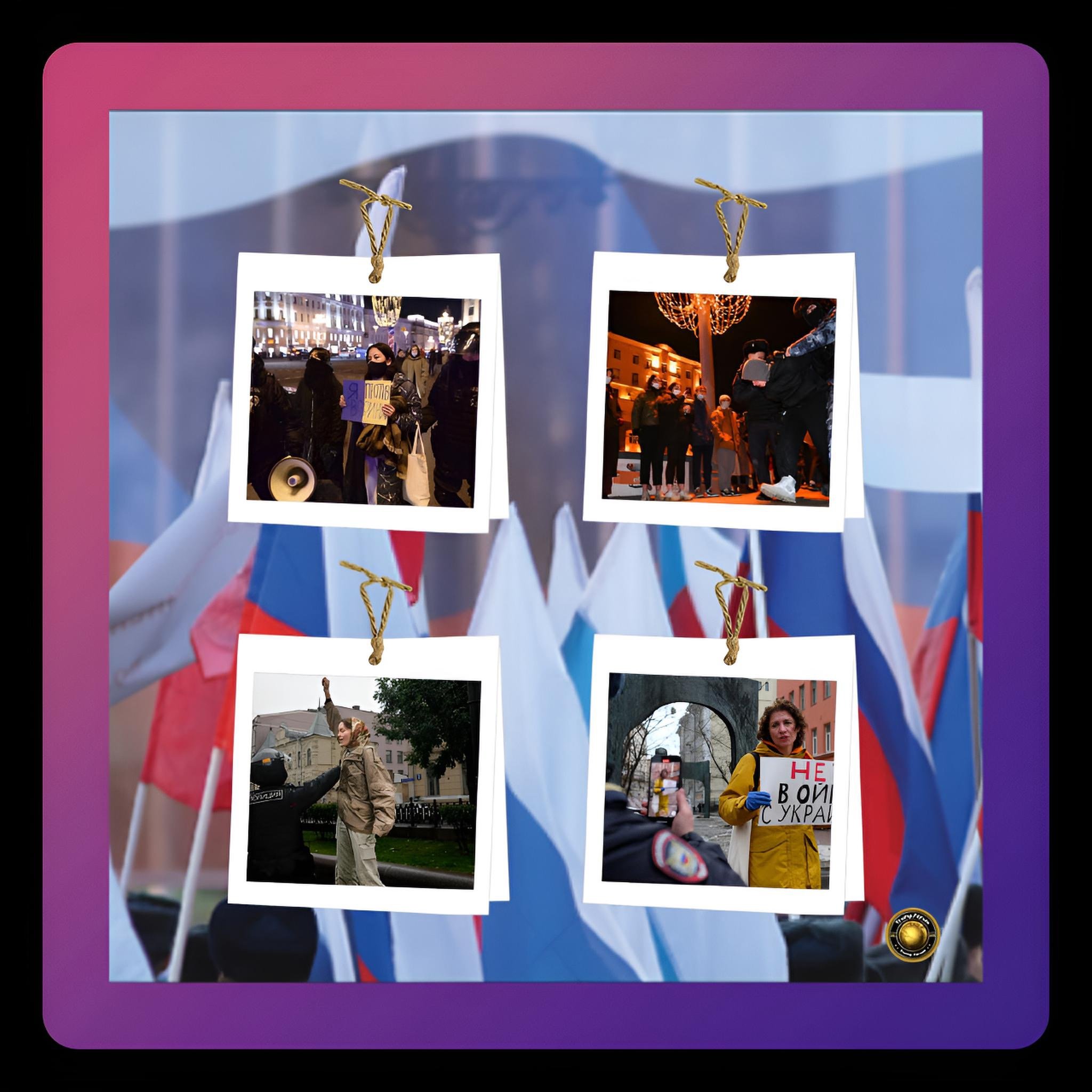
From imperial censorship to Soviet repression to modern restrictions on civil society, the Russian state has consistently prioritized its security over personal freedoms.
Personalization of power
Despite different institutional arrangements, all three systems have tended toward rule by strong individual leaders rather than robust institutions.
Economic modernization challenges
Each regime has struggled with the challenge of economic modernization while maintaining political control, leading to uneven development.
Conclusion
The Russian Empire, Soviet Union, and modern Russian Federation represent dramatically different political projects with distinct ideological foundations.
Yet beneath these differences lie remarkable continuities in governance patterns, state-society relations, and approaches to economic development.
While modern Russia has constructed political and economic systems that differ significantly from both its imperial and Soviet predecessors, it continues to grapple with similar fundamental challenges: balancing centralized authority with effective governance, developing a diverse economy beyond resource extraction, and defining a national identity that provides cohesion in a vast, diverse country.
The ongoing synthesis of imperial and Soviet elements in contemporary Russian ideology and government suggests that history remains a powerful force shaping Russia’s present and future trajectory.