Trump’s Business Advisors vs. Traditional Diplomats: Divergent Approaches to Foreign Policy
Introduction
President Donald Trump’s reliance on business leaders like Howard Lutnick and Steven Witkoff to conduct foreign policy represents a radical departure from traditional diplomatic practices.
This shift reflects a broader philosophical reorientation of U.S. foreign policy, where commercial interests and deal-making prowess supersede conventional diplomatic norms.
Below is a detailed FAF, Trump.Forum analysis of how Trump’s business advisors differ from career diplomats in their approach to international relations.
Professional Backgrounds and Credentials
Traditional Diplomats: Institutional Expertise
Traditional diplomats typically ascend through rigorous civil service pathways, often graduating from institutions specializing in international relations, law, or political science.
They undergo formal training in diplomatic protocols, multilateral negotiations, and geopolitical analysis.
For example, career ambassadors like Charles Bohlen or Ellsworth Bunker, appointed under the Foreign Service Act of 1946, built decades of experience navigating Cold War alliances and nuclear arms treaties.
Their expertise lies in understanding historical contexts, cultural nuances, and the intricate web of international law.
Trump’s Business Advisors: Private Sector Pragmatism
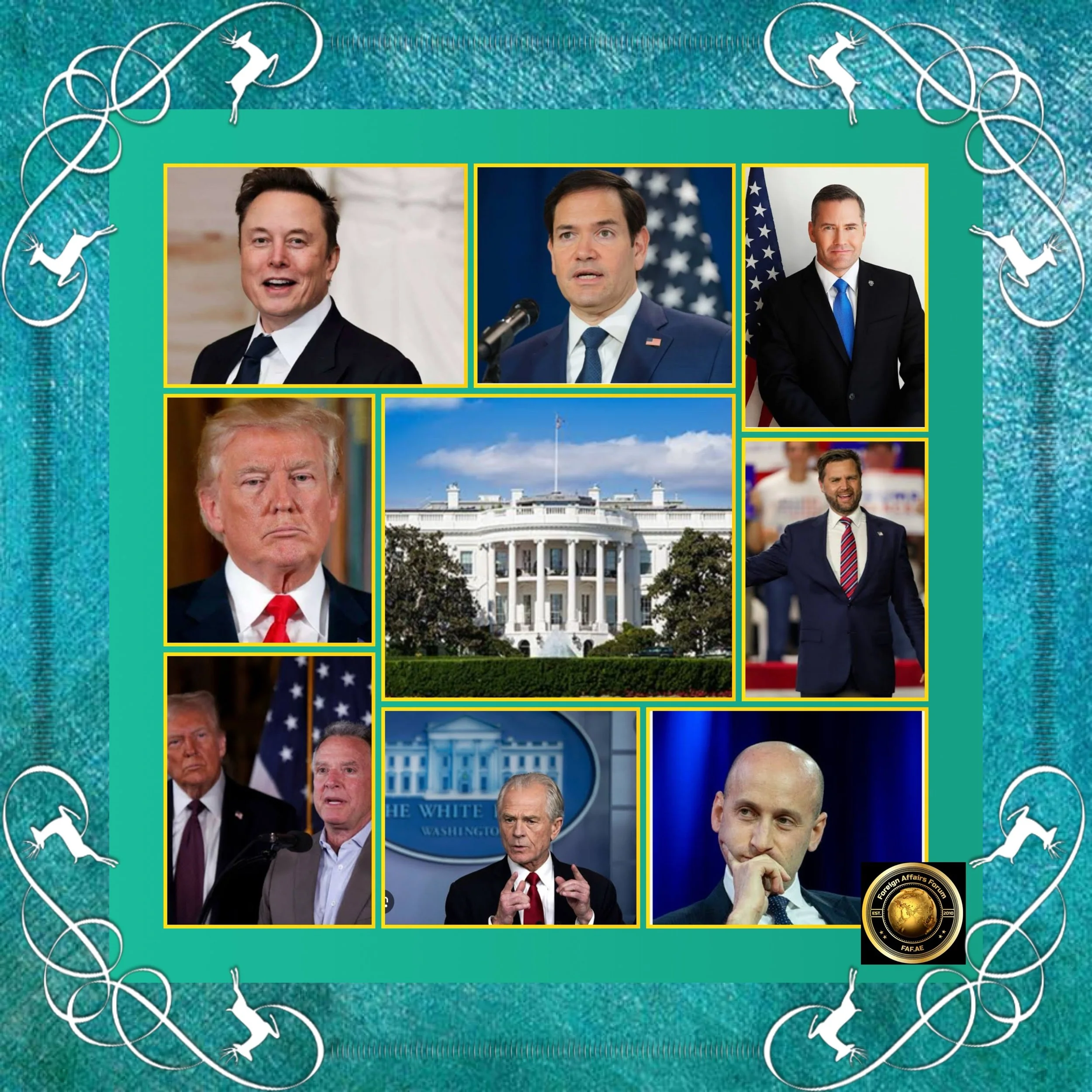
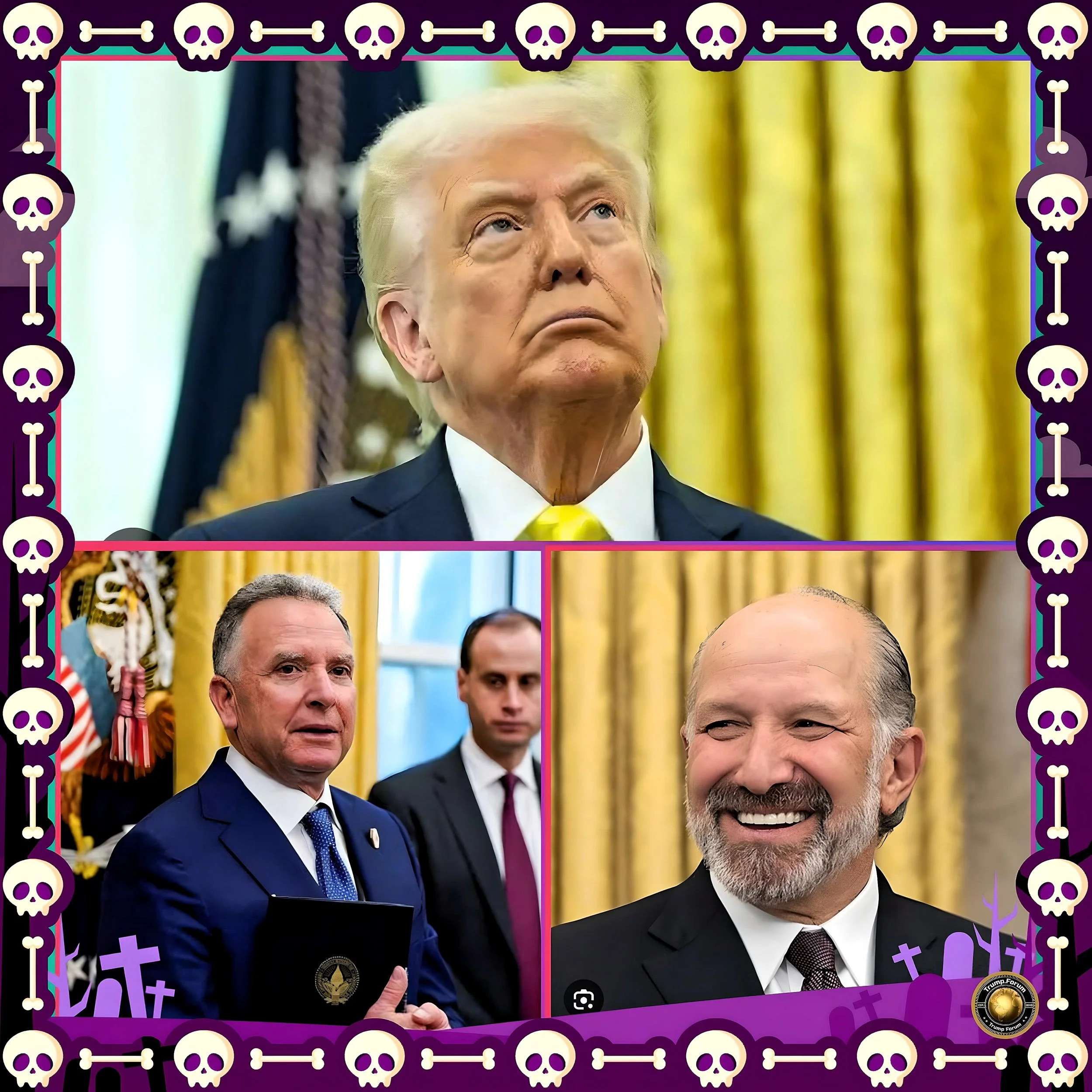
In contrast, Trump’s key foreign policy figures, such as Commerce Secretary Howard Lutnick and envoy Steven Witkoff, hail from Wall Street and real estate.
Lutnick, a billionaire financier and CEO of Cantor Fitzgerald, advocates for aggressive tariffs to restore manufacturing, framing trade as a zero-sum game where “the U.S. must protect itself.”
Witkoff, a real estate mogul with no prior government experience, operates as a “velvet glove” negotiator, leveraging deal-making tactics honed in New York property markets to broker ceasefires in Gaza and prisoner swaps with Russia.
These appointees prioritize transactional outcomes over institutional knowledge, viewing international relations through profit margins and market dynamics.
Negotiation Tactics and Decision-Making
Traditional Diplomats
Process-Oriented Consensus Building
Career diplomats emphasize multilateral frameworks, consensus-building, and adherence to established protocols.
For instance, the 2015 Iran nuclear deal involved painstaking negotiations across six nations, with diplomats like Wendy Sherman ensuring compliance with nonproliferation treaties.
Traditional diplomacy values incremental progress, often sacrificing speed for stability.
As defined by the Diplo Foundation, this approach relies on “continuous, flexible engagement” to resolve conflicts through dialogue rather than coercion.
Trump’s Advisors
High-Stakes Deal-Making
Trump’s team employs a confrontational, results-driven style mirroring corporate mergers.
Lutnick, for example, privately lobbied Canadian Premier Doug Ford to avert a 50% steel tariff by threatening to relocate auto plants from Ontario to Michigan- a move that prioritized immediate economic gains over long-term bilateral trust.
Similarly, Witkoff bypassed State Department channels to negotiate directly with Hamas and Russia, offering sanctions relief in exchange for hostage releases.
One U.S. official described this “lone ranger” methodology as favoring unilateral action and rapid concessions, often sidelining career diplomats who caution against destabilizing alliances.
Prioritization of Economic vs. Strategic Interests
Traditional Diplomats: Balancing Values and Security
Conventional foreign policy balances economic objectives with strategic alliances and democratic values.
For example, U.S. diplomats historically conditioned aid to Egypt on human rights reforms and mediated the Camp David Accords to stabilize the Middle East.
This approach acknowledges that security partnerships (e.g., NATO) and ideological alignment (e.g., promoting democracy) are critical to maintaining global influence.
Trump’s Advisors: Profit-Driven Engagement
Trump’s advisors subordinate ideological concerns to commercial opportunities.
The administration’s $2 trillion Middle East deal, including a $96 billion Boeing order from Qatar and a $14.5 billion AI data center in the UAE, Exemplifies this shift.
Notably, Lutnick defended lifting sanctions on Syria, a state sponsor of terrorism, by arguing that “economic engagement could modernize its infrastructure.”
Similarly, Witkoff entertained a zero-tariff trade deal with Pakistan despite its harboring of terrorist