Why Khamenei Is Betting on Trump: The Strategic Calculus Behind Iran’s Nuclear Negotiations
Introduction
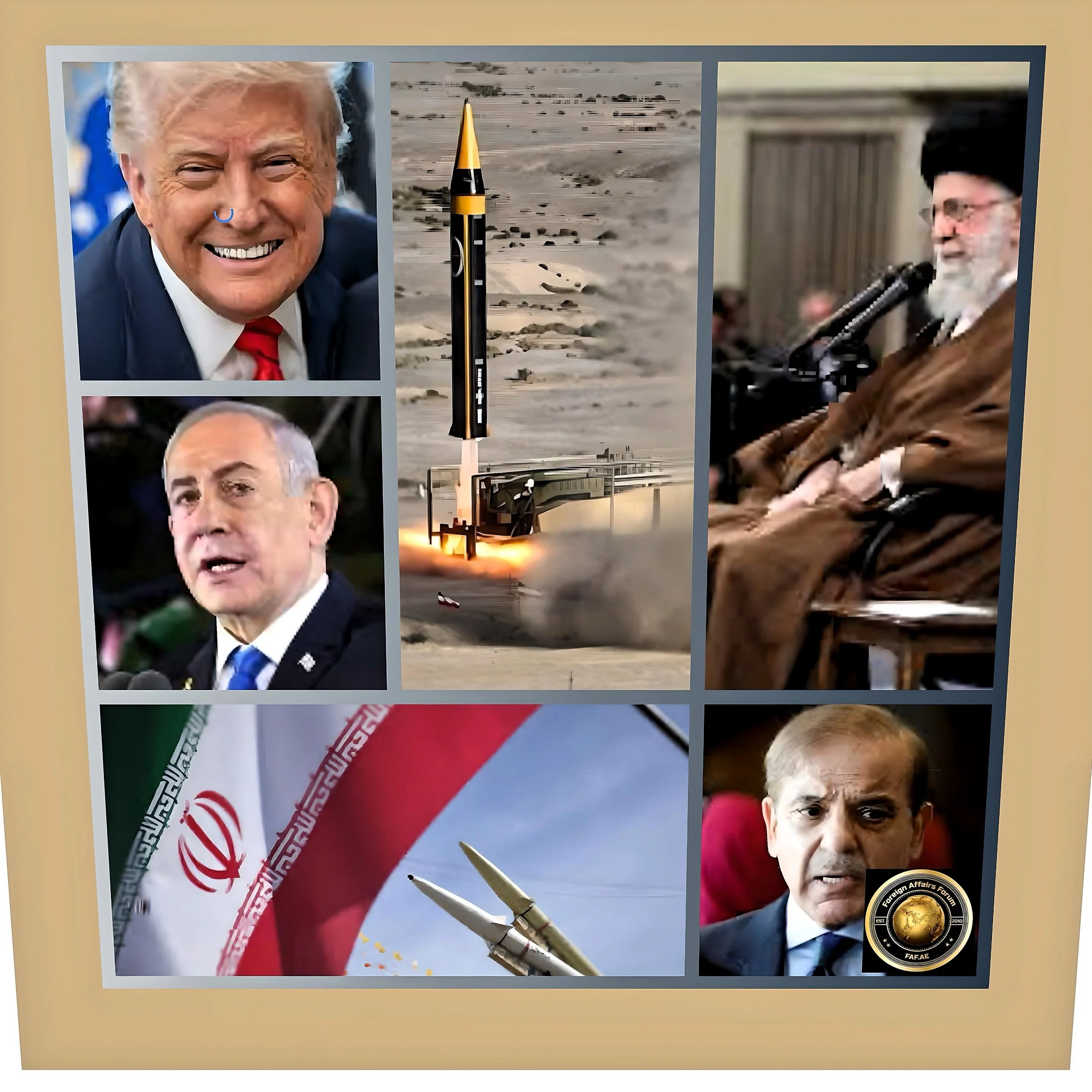
Iran's Supreme Leader Ayatollah Ali Khamenei has made a stunning diplomatic reversal, authorizing nuclear negotiations with the Trump administration after years of staunch opposition.
This shift represents a calculated gamble driven by existential threats to the regime, economic desperation, and a pragmatic reassessment of Iran’s strategic position.
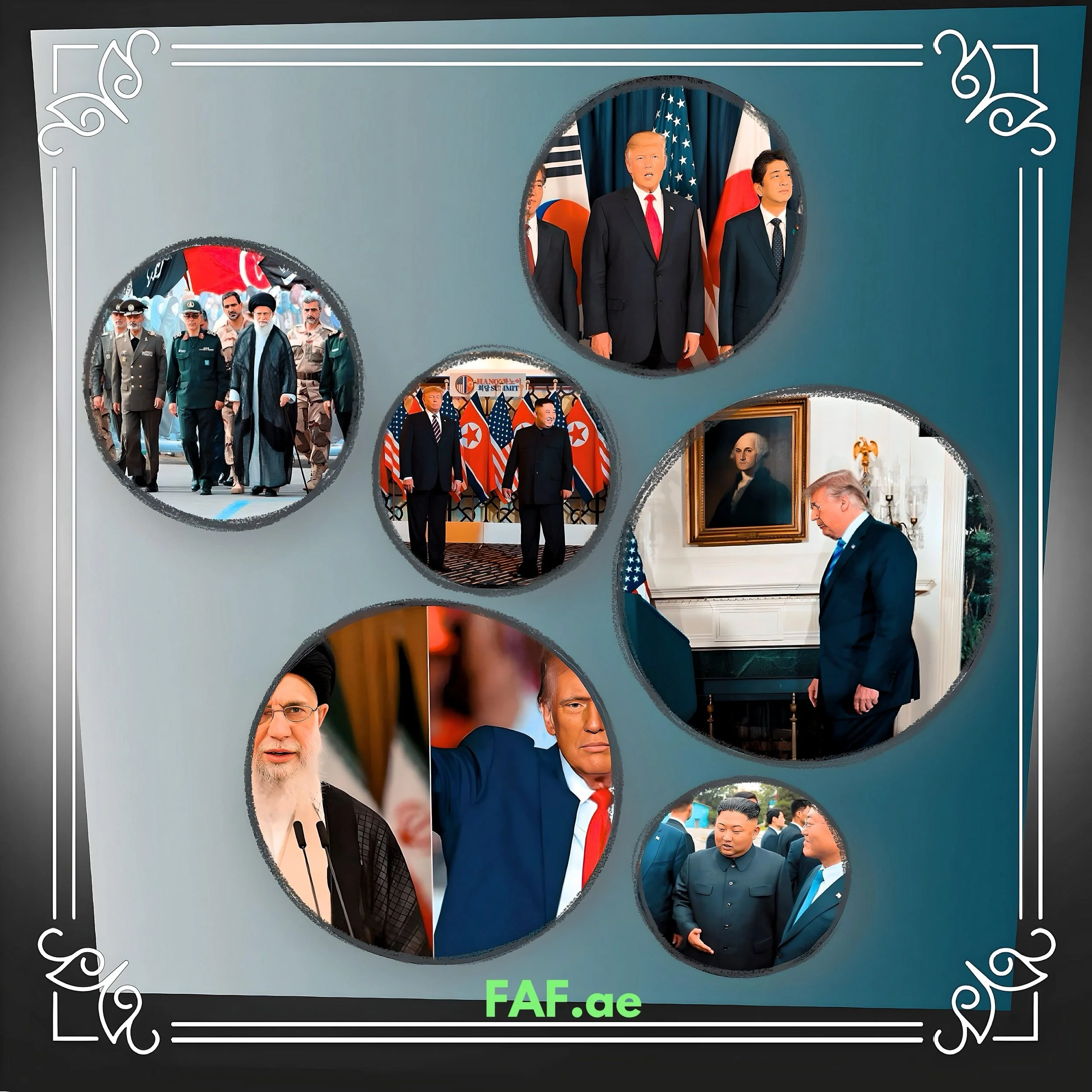
Per FAF analysis, while the fourth round of talks in Oman last weekend yielded no breakthrough, both sides remain committed to the diplomatic process. This reveals how dramatically Iran’s position has evolved since 2019, when Khamenei refused even to consider negotiating with “that man,” Donald Trump.
Existential Pressures Forcing a Tactical Retreat
The Islamic Republic faces unprecedented challenges that have forced Khamenei to recalculate his approach to the United States.
In late March and early April, a confidential and urgent gathering of Iran’s top officials took place, where Khamenei was presented with stark warnings about the regime’s future.
President Masoud Pezeshkian and leaders from the judiciary and parliament coordinated an appeal to the Supreme Leader, arguing that refusing negotiations could trigger an existential crisis for the Islamic Republic.
Economic Collapse and Public Discontent
Iran’s economy stands on the precipice of collapse, creating intense domestic pressure for relief from sanctions.
The national currency plummeted from 60,000 tomans to the dollar at the beginning of Pezeshkian’s government to over 100,000 tomans.
Inflation hovers around 35%, making the rial one of the least valuable currencies globally. Some 50% of Iranians now live below the poverty line, creating conditions ripe for social unrest.
The stock market has fallen precipitously, with the main index dropping 34,000 points, triggering capital flight as investors abandon productive sectors favoring currency speculation, gold hoarding, and offshore investments.
Industrial decline has accelerated, with economic researchers warning that Iran faces deindustrialization due to years of mismanagement and restrictive policies.
Military Threats and Risk of War
Senior Iranian officials explicitly warned Khamenei that refusal to negotiate could lead to imminent military strikes on Iran’s key nuclear facilities at Natanz and Fordow.
The New York Times reported that Iranian leaders cautioned Khamenei that such attacks would force Iran to retaliate, potentially igniting a broader regional conflict while simultaneously dealing with economic implosion and domestic unrest-a combination that could prove fatal to the regime.
Mohammed Bagher Ghalibaf, the conservative head of Parliament and former IRGC chief, reportedly told Khamenei that the combined pressures of war and economic crisis could quickly spiral beyond the regime’s control.
After hours of deliberation over these dire warnings, Khamenei ultimately acquiesced to diplomatic engagement.
Strategic Calculus: Why Trump and Why Now?
Khamenei’s decision to engage with Trump specifically rather than wait for a potential new administration reveals several strategic calculations about timing and opportunity.
Regime Survival as the Supreme Priority
Hossein Mousavian, a former Iranian diplomat involved in previous nuclear negotiations, emphasized that Khamenei’s reversal demonstrates his fundamental principle that “preserving the regime is the most necessary of the necessities.”
This core motivation supersedes ideological considerations about dealing with the United States.
The Supreme Leader has maintained tight control over the narrative surrounding the negotiations.
In an April speech, Khamenei warned hardliners against undermining the talks, stating that “pointless protests, impatience, or flawed analysis can have devastating consequences.”
This messaging prioritizes regime stability above all other considerations.
Religious Framing: The Tactical Retreat
Khamenei has carefully framed the negotiations through historical religious precedent to justify what might otherwise appear as capitulation.
Speaking at a religious gathering in April, he recalled how the second Shia Imam, Hasan ibn Ali, signed a controversial peace treaty with his enemy Mu’awiya in 661 CE-a calculated move to safeguard the long-term interests of Islam.
“Some people would come forth with complaints and objections when Imam Hasan made peace with Mu’awiya… it is temporary. The Imam has been recorded as saying that this incident, this domination of heresy and hypocrisy, is not meant to be permanent,”
Khamenei stated. This religious allegory, which he also used to justify the 2015 nuclear deal, portrays diplomatic engagement as a temporary tactical retreat rather than submission.
Pragmatic Recognition of Changing Regional Dynamics
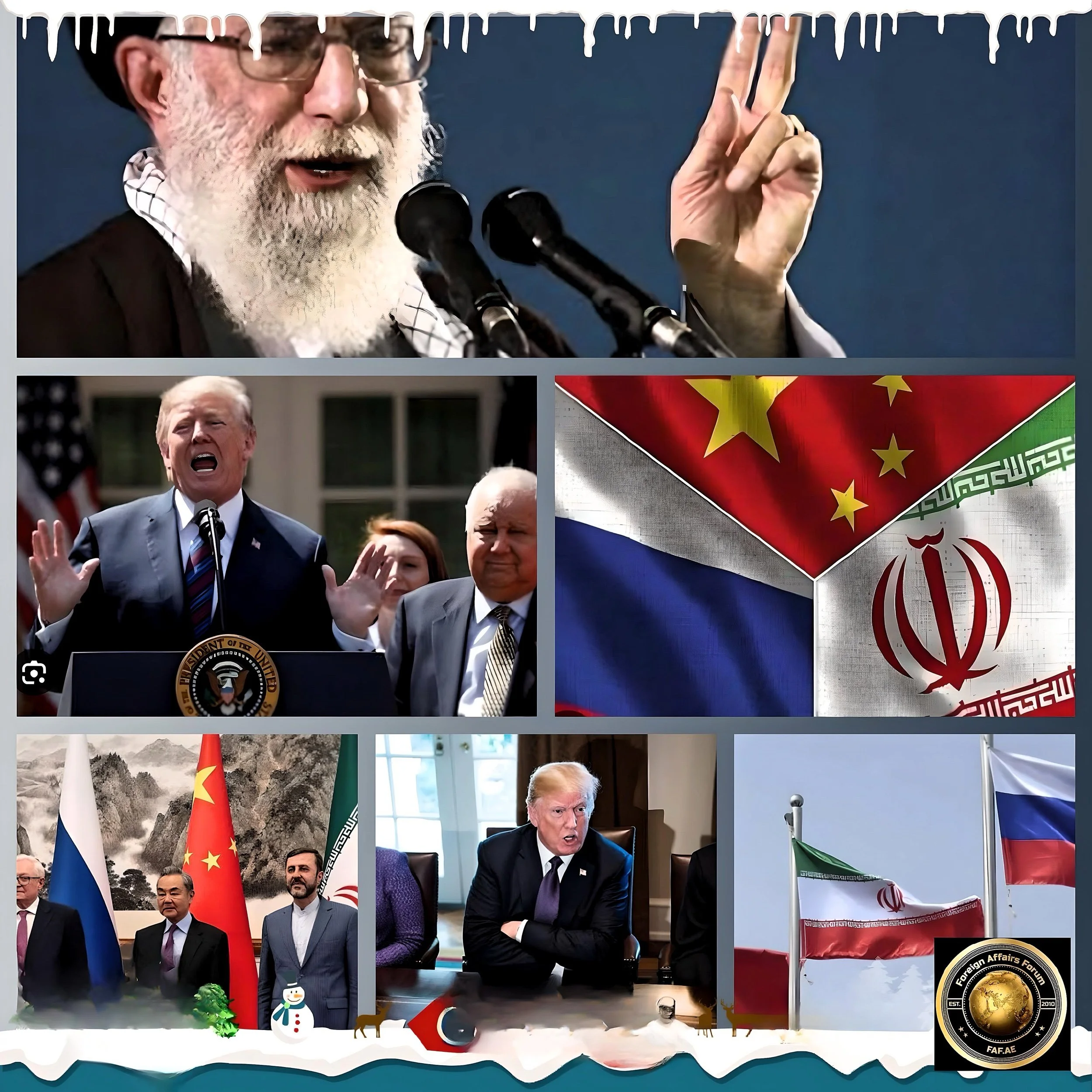
Iran’s regional position has weakened considerably. Iranian-backed proxies Hamas and Hezbollah have suffered significant setbacks due to Israeli actions.
Additionally, Iran lost a crucial ally when Syrian President Bashar al-Assad’s position declined in December. These shifts have reduced Iran’s regional leverage and increased its vulnerability.
Iran’s Negotiating Approach: Red Lines and Nuclear Leverage
Despite entering negotiations, Iran continues to maintain firm “red lines” while seeking to preserve its nuclear achievements as bargaining chips.
The Nuclear Card: Shifting Religious to Political Framing
Notably, Iran’s position on nuclear weapons appears to have evolved subtly. In March, Khamenei stated, “If we had wanted to build nuclear weapons, America could not have stopped us. The reason we do not have nuclear weapons and are not pursuing them is that we do not want to, for certain reasons… It was our decision not to pursue them; otherwise, if we had wanted to, they would not have been able to stop us”.
This framing moves away from religious prohibition toward political calculation.
More explicitly, Iran’s official government newspaper recently suggested that Khamenei’s alleged fatwa against nuclear weapons only prohibits their use in their production or stockpiling.
The newspaper argued that “the possession of nuclear weapons rather than their use is inherently deterrent in nature,” signaling potential flexibility in Iran’s nuclear doctrine.
Creative Proposals to Maintain Nuclear Capabilities
Iran’s negotiating team has demonstrated creativity in seeking compromise while preserving core capabilities.
In the latest talks, Foreign Minister Abbas Araghchi reportedly proposed establishing a shared nuclear enrichment venture including regional Arab nations and American investments.
This proposal would allow Iran to maintain enrichment act activities while offering a permanent arrangement unlike the 2015 deal’s 15-year sunset, enabling Trump to claim he secured greater concessions than Obama.
The IRGC Factor: Security Apparatus Alignment
The Islamic Revolutionary Guard Corps (IRGC), which controls Iran’s key military and nuclear infrastructure, shares Khamenei’s primary objective: avoiding war that could threaten the regime.
Khamenei’s office has clarified that the IRGC backs the diplomatic talks led by Foreign Minister Araghchi while remaining “fully alert” with “fingers on the trigger” should diplomacy fail.
For the IRGC, embracing negotiations represents a tactical rather than ideological shift.
The corps aims to contain escalation, buy time, and preserve strategic leverage.
Khamenei has maintained internal coherence among security elites while pursuing diplomatic engagement by framing diplomacy and military deterrence as complementary approaches.
Internal Political Management
Khamenei has carefully managed the domestic political implications of his diplomatic pivot, forcing unity among Iran’s political factions.
Suppressing Hardline Opposition
While permitting negotiations, Khamenei has firmly warned hardline critics to “hold their fire”-to watch their words, avoid rogue actions, and wait for the outcome of talks.
By publicly supporting the negotiations, Khamenei has made opposing the talks synonymous with defying his leadership.
Even longtime opponents of concessions to Washington, like Saeed Jalili, have publicly defended the latest talks.
Elevating Khamenei as the Patron of Negotiations
Iran’s pragmatic and technocratic factions, including Foreign Minister Araghchi and President Pezeshkian, have strategically elevated Khamenei as the ultimate patron of the negotiations.
This approach shifts the political burden onto the Supreme Leader’s shoulders while forcing hard-line critics to either support the process or risk challenging Khamenei directly.
Calculated Expectations Management
Khamenei has been careful to manage public expectations about any potential agreement.
While some pro-diplomacy economists predict that Iran’s economic troubles could be resolved within three to four years following a new nuclear agreement, Khamenei views such optimism as a double-edged sword.
He has warned repeatedly that even a new nuclear deal will not guarantee sweeping sanctions relief, thus protecting himself from blame if the economic benefits prove less substantial than hoped.
Conclusion: A Tactical Gambit for Regime Preservation
Khamenei’s decision to authorize nuclear negotiations with the Trump administration represents a calculated gamble driven by existential necessity rather than ideological conviction.
Trapped between crushing economic sanctions, the threat of military strikes, and growing domestic unrest, Iran’s Supreme Leader has opted for diplomatic engagement as the least risky path to ensure regime survival.
By framing this decision through historical religious precedent, maintaining unity among political and security elites, and preserving certain red lines, Khamenei has created space for tactical compromise without appearing to abandon core principles.
For Iran’s leadership, these negotiations are fundamentally about buying time and averting catastrophic scenarios-not about achieving genuine reconciliation with the United States.
The ultimate question remains whether this tactical retreat will evolve into a more significant strategic reorientation, or whether-as Khamenei’s religious allegories suggest-it represents merely a temporary accommodation until Iran can regain strength and leverage.
Either way, the Supreme Leader’s primary bet is not truly on Trump but on his own regime’s capacity to endure through yet another cycle of crisis and compromise.
Courtesy : Gulf.Inc