US-Ukraine Minerals Agreement: Strategic Implications for Geopolitics and Conflict Resolution
Introduction
The United States and Ukraine finalized a landmark minerals agreement on April 30, 2025, establishing a framework for joint investment in Ukraine’s natural resources while reshaping geopolitical dynamics in Eastern Europe.
This deal, negotiated amid ongoing hostilities between Ukraine and Russia, merges economic pragmatism with diplomatic signaling, raising critical questions about its potential to influence the trajectory of the war, NATO’s role, and Europe’s strategic interests.
Key Details of the Mineral Treaty
Financial and Governance Structure
The United States-Ukraine Reconstruction Investment Fund forms the core of the agreement, structured as a 50/50 partnership between the two nations.
Neither party holds majority control, ensuring equal decision-making authority over investments.
Key provisions include
No repayment obligations for prior U.S. military aid provided during the Biden administration.
Only future U.S. assistance, such as air defense systems, will count toward America’s contributions to the fund.
Tax exemptions for fund income and contributions in both countries.
Transparency mechanisms to track financial flows are a critical demand from U.S. negotiators.
Resource Access and Sovereignty
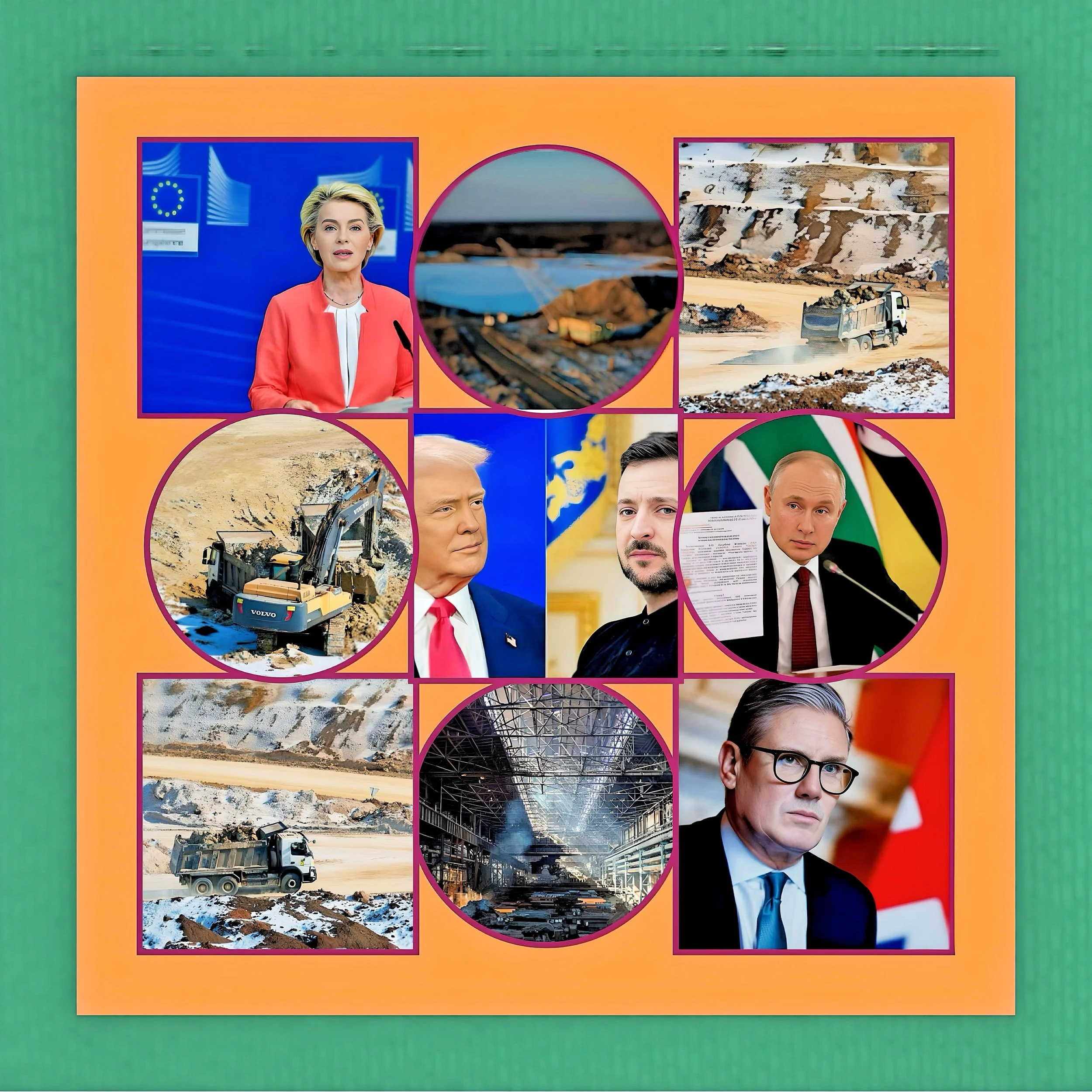
Ukraine retains full ownership of its subsoil resources, including uranium, lithium, titanium, and natural gas.
The agreement grants the U.S. preferential access to new mining permits and licenses, not exclusivity.
Existing contracts, such as those with European partners, remain unaffected.
Strategic Minerals Covered
The deal focuses on 22 of the 50 materials classified as critical by the U.S. Geological Survey, including
Uranium (nuclear energy, medical devices)
Lithium and graphite (electric vehicle batteries)
Titanium (aerospace manufacturing)
Ukraine’s reserves are vital given China’s dominance in rare-earth mining (90% of global supply).
Signing Process and Parties
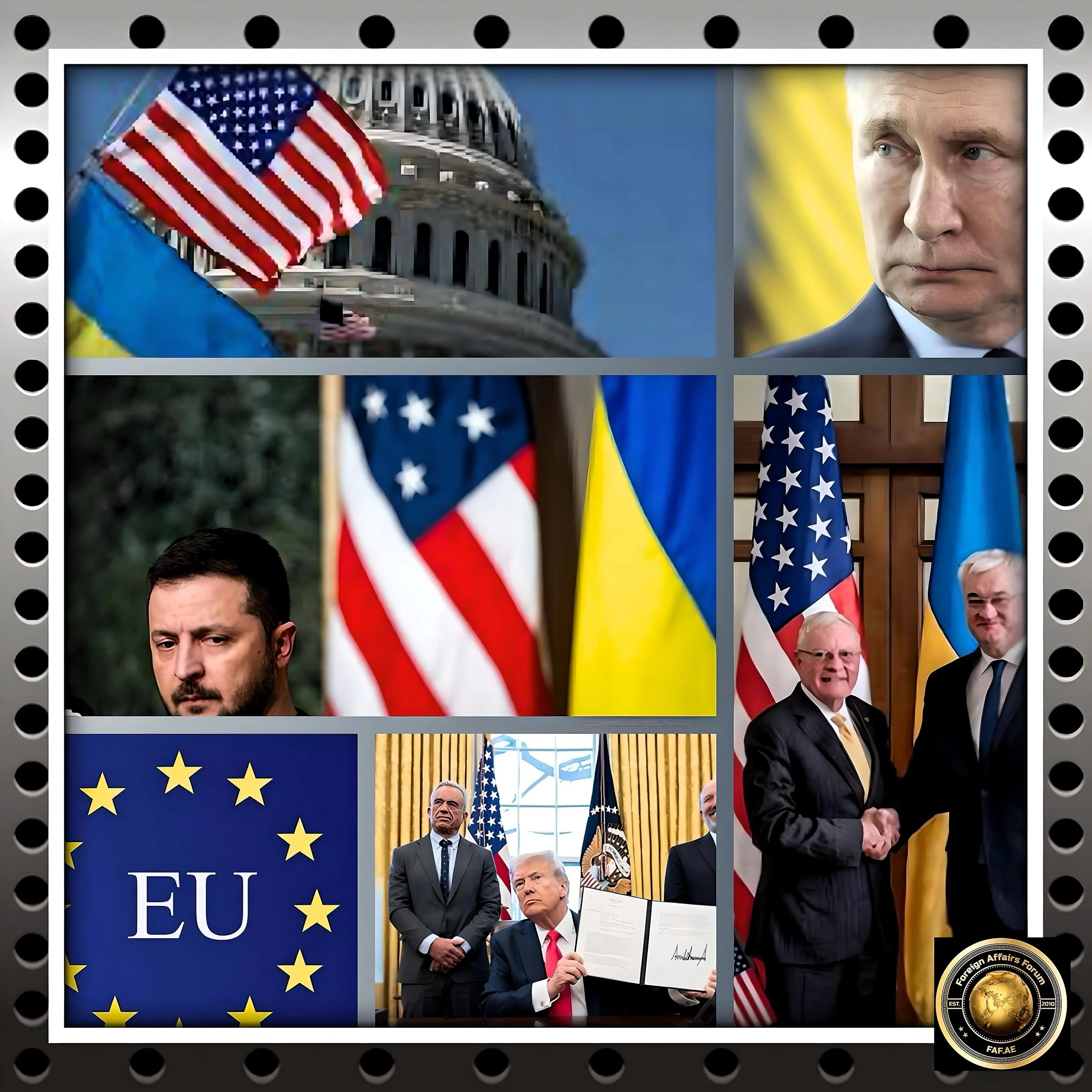
The agreement was signed in Washington, D.C., by U.S. Treasury Secretary Scott Bessent and Ukrainian First Deputy Prime Minister Yulia Svyrydenko.
Negotiations nearly collapsed in February 2025 after a contentious meeting between President Trump and Zelensky, with Ukraine resisting U.S. demands to link the deal to debt repayment for past aid.
Implications for Ukraine, Russia, and the War
Ukraine’s Strategic Calculus
For Kyiv, the deal achieves three objectives
Economic Reconstruction
The fund aims to attract global investment, and Svyrydenko notes that it could catalyze “decades of cooperation.”
Sovereignty Assurance
Ukraine retains control over extraction decisions, aligning with its EU accession requirements.
Continued U.S. Support
While lacking explicit security guarantees, the pact signals sustained American interest.
As Prime Minister Denys Shmyhal stated, “This agreement shows long-term cooperation with Ukraine is reliable.”
Russia’s Response and Military Dynamics
The agreement has done little to slow Russia’s battlefield aggression.
Despite Putin’s offer of a 72-hour ceasefire (May 8–10, 2025), Ukrainian Commander-in-Chief Oleksandr Syrskyi reported intensified Russian attacks in eastern Ukraine, particularly near Pokrovsk.
The U.S. Treasury framed the deal as a message to Moscow about Washington’s commitment to a “free, sovereign Ukraine,” but Russia dismissed it as inconsequential to its strategic goals.
Prospects for Peace
The minerals deal alone is unlikely to end the war.
While it strengthens Ukraine’s economic resilience, it lacks mechanisms to enforce a ceasefire or address core Russian demands, such as recognition of annexed territories.
However, by intertwining U.S. economic interests with Ukraine’s recovery, the agreement could indirectly pressure Russia to negotiate, fearing prolonged Western engagement.
US Motives: Diplomacy or Profit?
Economic Drivers
Reducing China Dependency
The U.S. seeks alternatives to Chinese-dominated supply chains, particularly minerals essential to clean energy and defense technologies.
Profit-Sharing
The fund will receive 50% of royalties from new resource permits, though the draft agreement leaves profit distribution ambiguous.
Diplomatic Signaling
Support for Ukrainian Sovereignty
The deal explicitly bars entities that “financed or supplied the Russian war machine” from benefiting from reconstruction.
Budapest Memorandum Echoes
By recognizing Ukraine’s 1994 nuclear disarmament, the pact indirectly critiques Russia’s 2014 annexation of Crimea.
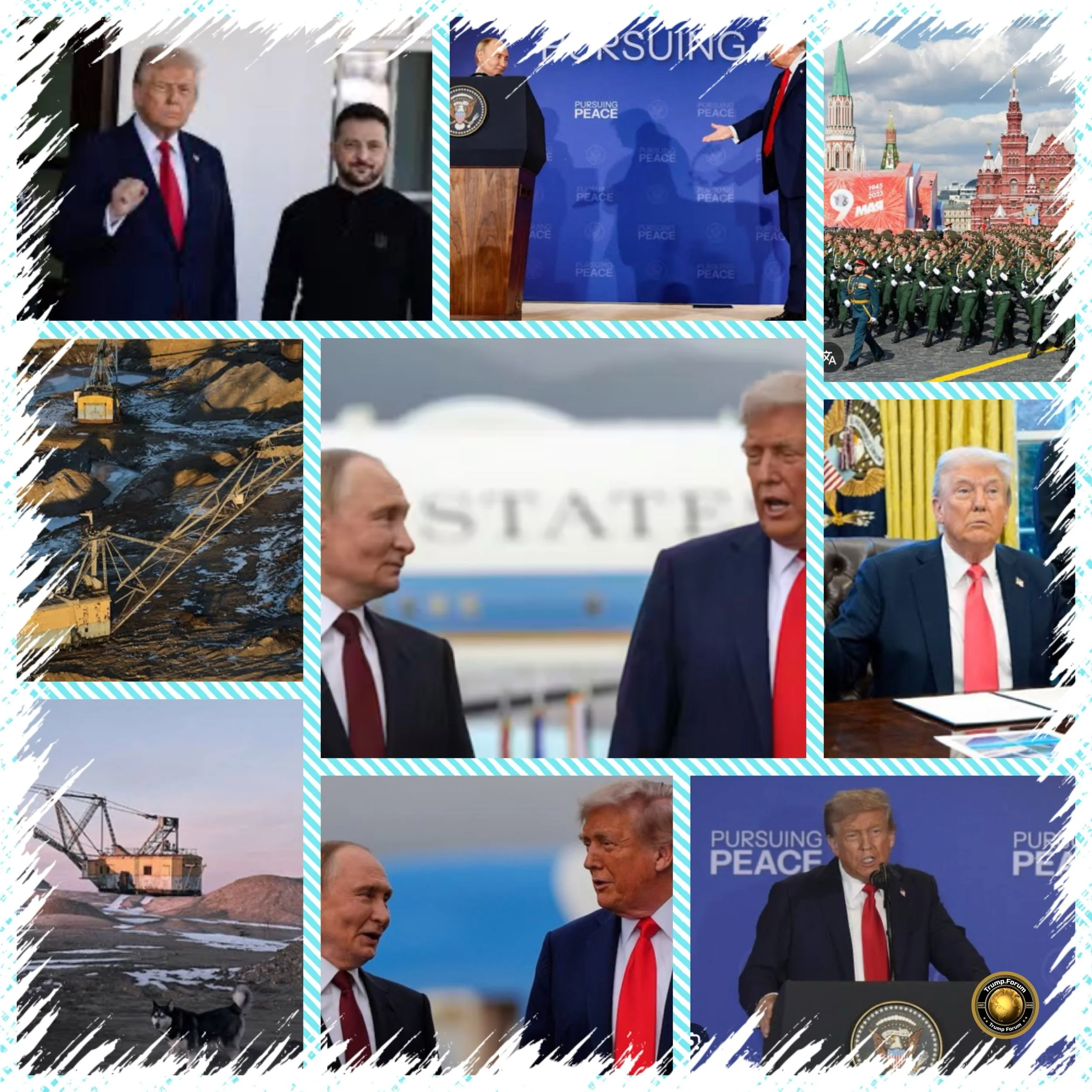
President Trump’s framing of the deal as “money back” for U.S. aid underscores its hybrid nature- a blend of transactional economics and strategic posturing.
Impact on Europe and NATO
European Union Concerns
Resource Competition
Due to U.S. preferential access, European firms risk being sidelined in Ukraine’s mining sector.
Reconstruction Role
The bilateral fund could marginalize EU-led initiatives like the Ukraine Facility, which pledged €50 billion for reconstruction.
NATO Membership Prospects
Despite speculation, the agreement contains no provisions for NATO accession.
U.S. officials emphasized that the deal’s economic focus and NATO’s consensus-based membership process remain unchanged.
While Trump’s alleged “blessings” for Ukrainian membership lack evidentiary support, the pact may strengthen political ties that could later facilitate security cooperation.
Could the Deal Stop the War?
Strengthening Ukraine’s Hand
Economic Leverage
Ukraine gains leverage in potential peace talks by securing long-term U.S. investment, reducing desperation for immediate concessions.
Deterrence Through Entanglement
The fund raises the stakes for Russia, as destroying Ukrainian infrastructure now directly impacts U.S. economic interests.
Limitations
No Security Guarantees
The U.S. has not committed to defending Ukraine, leaving military outcomes dependent on ongoing aid.
Russian Resilience
Moscow has adapted to sanctions and shows no willingness to cede occupied territories, regardless of Western economic moves.
Conclusion
The U.S.-Ukraine minerals deal represents a pragmatic fusion of resource security and geopolitical strategy.
For Washington, it mitigates supply chain vulnerabilities vis-à-vis China while sustaining influence in Eastern Europe.
For Kyiv, it offers a lifeline for reconstruction without compromising sovereignty. However, the agreement’s impact on the war remains contingent on broader diplomatic and military developments.
While it strengthens Ukraine’s economic foundations, lasting peace will require addressing Russia’s territorial ambitions and securing this pact's enforceable security guarantees.
The deal also reconfigures Europe’s role, challenging the EU to assert its interests in Ukraine’s recovery while navigating an increasingly transactional U.S. foreign policy.
As NATO watches cautiously, the test will be whether economic interdependence can evolve into a stable security architecture or if resource competition deepens global fractures.