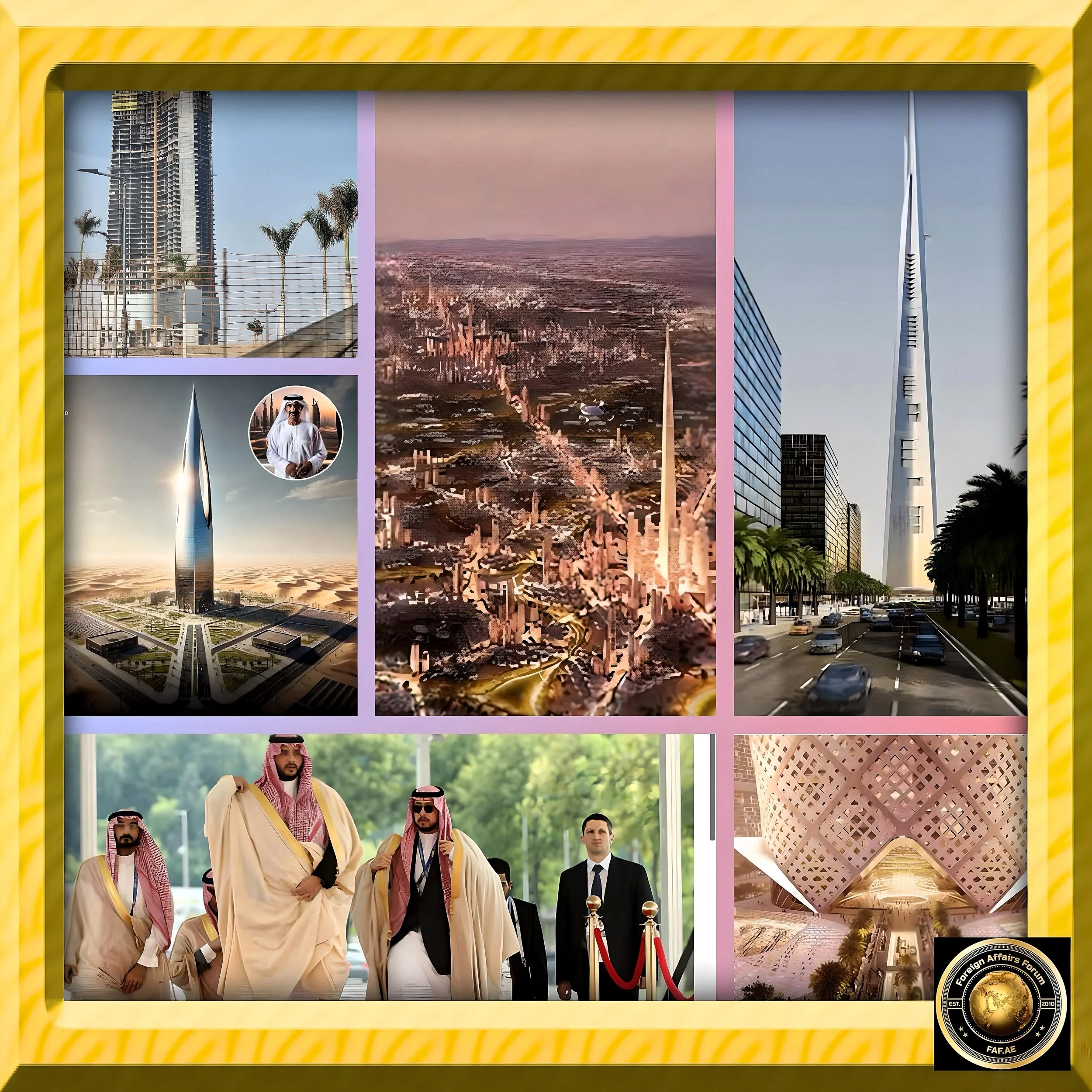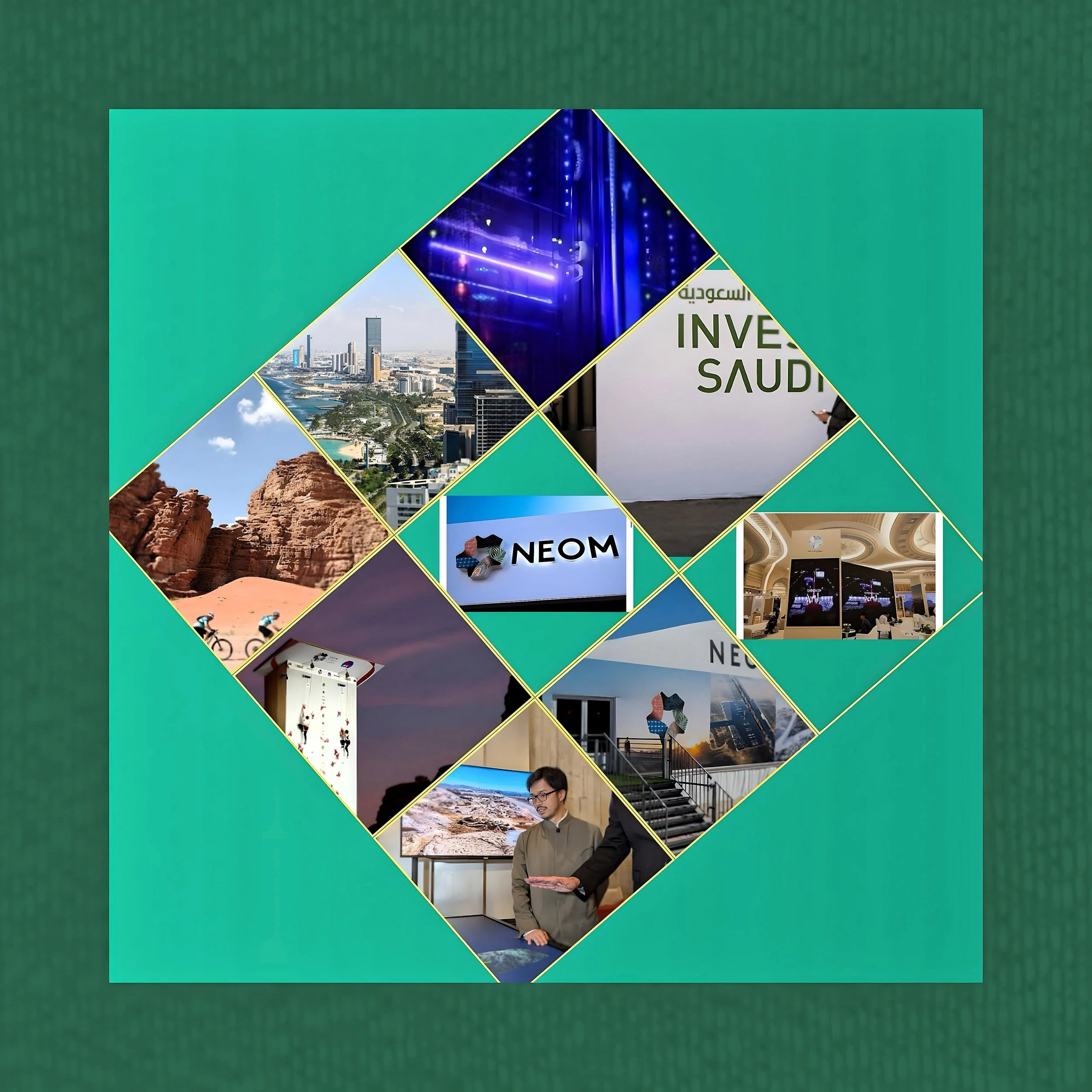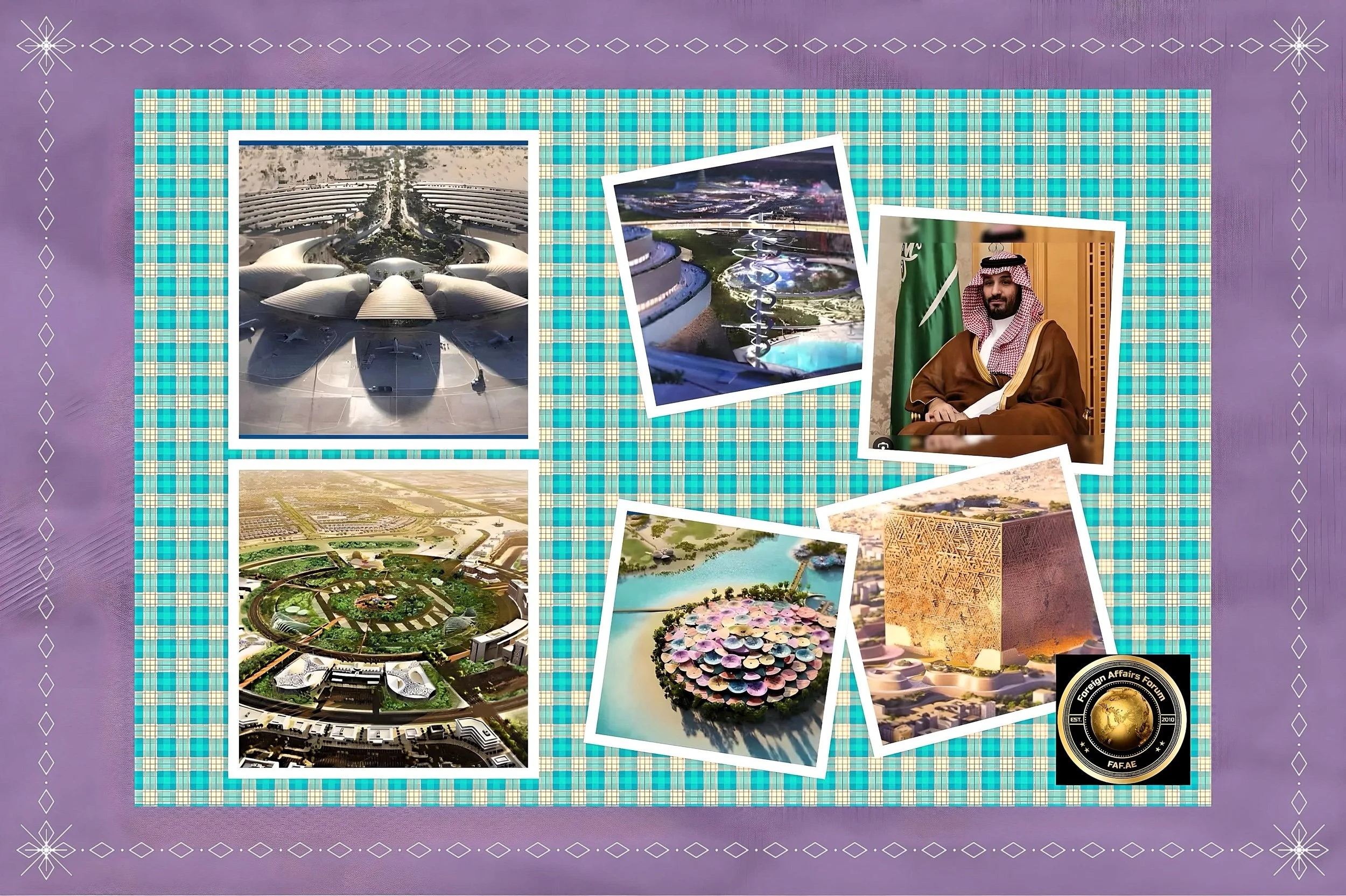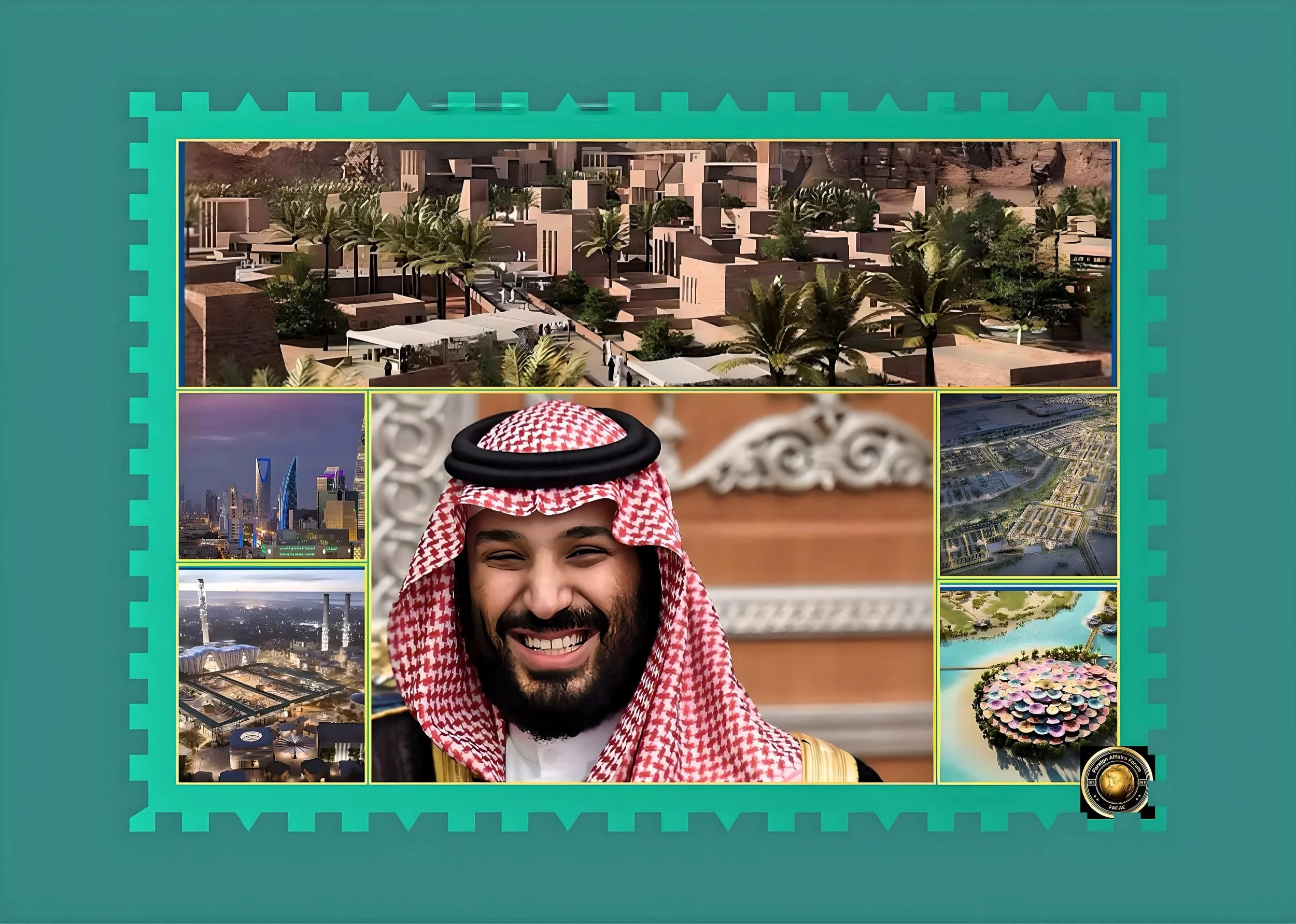
Top 10+ Futuristic Mega Projects of Saudi Arabia in 2025: Pioneering Vision 2030
Introduction
Saudi Arabia’s Vision 2030 has catalyzed an unprecedented wave of megaprojects designed to transform the kingdom into a global hub for innovation, tourism, and sustainable development.
As of 2025, these initiatives collectively represent over $1 trillion in investments, targeting economic diversification, job creation, and enhanced quality of life.
From NEOM’s linear city to Qiddiya’s entertainment epicenter, each project embodies cutting-edge technology, environmental stewardship, and cultural preservation.
FAF explores the top 10+ projects reshaping Saudi Arabia’s future, detailing their architectural ambition, economic impact, and alignment with national strategic goals.
NEOM: The Epitome of Futuristic Urban Development
NEOM, Vision 2030's $500 billion flagship initiative, redefines urban living through its sub-projects, each pushing the boundaries of innovation.
The Line: A Linear Revolution
Spanning 170 kilometers, The Line is a car-free, zero-carbon city housed within mirrored facades rising 500 meters.
Phase 1B construction will be underway by 2025, focusing on AI-driven infrastructure and high-speed transit systems. The city’s vertical design minimizes land use with vertically stacked residential, commercial, and recreational zones.
Solar farms and wind turbines embedded into the structure aim for 100% renewable energy. Critics, however, highlight challenges, including the displacement of local communities and environmental concerns tied to its scale.
Trojena: Mountain Tourism Redefined
Nestled in the Tabuk mountains, Trojena combines luxury resorts with adventure sports. Concrete work for its 7.3 million cubic meters of structures will be 70% complete by 2025, and the resort aims to open in 2026.
The project includes a ski village and the Explore Tower by Zaha Hadid Architects, leveraging local materials to align with sustainability goals.
Trojena aims to attract 700,000 annual tourists by 2030, bolstering Saudi Arabia’s four-season tourism ambitions.
Sindalah Island: Luxury Gateway
Inaugurated in late 2024, Sindalah Island marks NEOM’s first completed project.
This 840,000-square-meter island features a marina, golf course, and 51 luxury boutiques, positioning itself as a haven for yacht tourism.
With 2,400 hotel keys and a focus on high-net-worth visitors, Sindalah is projected to contribute $1.3 billion annually to GDP by 2030.
OXAGON: Industrial Innovation
OXAGON, NEOM’s floating industrial city, integrates automated ports and green hydrogen facilities.
By 2025, partnerships with firms like Air Products and ACWA Power are advancing carbon-neutral manufacturing, targeting 100% renewable energy for its operations.
Qiddiya: The Global Capital of Entertainment
Qiddiya, a $36 billion entertainment city southwest of Riyadh, is central to Saudi Arabia’s leisure economy.
Phase 2 Expansion
The $2.7 billion Phase 2, announced in 2024, adds motorsport districts, expanded theme parks, and 12,000 residential units.
Six Flags Qiddiya, set to open in 2027, will feature record-breaking roller coasters, while the Prince Mohammed Bin Salman Stadium aims to host 40,000 spectators for esports and concerts.
Sustainable infrastructure, including solar-powered utilities and water recycling systems, underscores its environmental commitments.
Gaming and Cultural Districts
Qiddiya’s Gaming District, the largest in the Middle East, includes arenas for tournaments and VR experiences.
Concurrently, the Performing Arts Centre, designed by Snøhetta, will host Broadway-style productions, aligning with cultural diversification goals.
Red Sea Global: Pioneering Regenerative Tourism
Red Sea Global (RSG) oversees two flagship projects, The Red Sea Project and AMAALA, which target luxury and wellness tourism.
The Red Sea Project
Operational since 2023, this 28,000-square-kilometer development features 50 resorts across 22 islands.
By 2025, 8 hotels will be fully operational and powered entirely by solar energy.
Coral reef restoration initiatives, including the world’s largest coral farm, aim to enhance marine biodiversity while attracting 1 million visitors annually.
AMAALA: Wellness Epicenter
AMAALA’s Triple Bay, a $3.8 billion phase, focuses on medical tourism with partners like Clinique La Prairie.
The Marina Village, 80% completed by 2025, includes the Equinox Resort and a yacht club, targeting ultra-luxury travelers.
RSG reports $6.13 billion in contracts awarded, with local firms like Al-Ayuni securing 45% of tenders.
ROSHN: Revolutionizing Saudi Housing
ROSHN, a PIF-backed developer, addresses Saudi Arabia’s housing shortage through integrated communities.
Community Development
With 400,000 homes planned by 2030, ROSHN’s projects, such as SEDRA and ALAROUS, blend modern design with Islamic architectural motifs.
Green spaces, schools, and mosques are incorporated into each development, fostering social cohesion.
By 2025, 30,000 units in SEDRA will be occupied, with 70% sold to first-time homeowners.
Economic Impact
ROSHN’s $2.1 billion in contracts with local contractors has created 38,000 jobs and contributed $4.3 billion annually to GDP.
The developer’s focus on energy-efficient buildings aligns with Saudi Green Initiative targets, reducing household energy use by 40%.
New Murabba: Redefining Riyadh’s Urban Landscape
New Murabba, a $13 billion downtown development, centers on the Mukaab-a 400-meter cubic structure.
The Mukaab: Digital Frontier
The Mukaab's interior, which is scheduled for completion by 2030, will feature holographic displays and AI-driven interactive environments.
By 2025, groundwork will be 90% complete, and 40 million cubic meters of earth will be repurposed for landscaping.
Partnerships with holography firms aim to create immersive retail and cultural experiences, positioning the cube as a global tech landmark.
Transit Integration
The district’s design prioritizes walkability, with 20,000 residents per square kilometer. Riyadh Metro’s Lines 4 and 5 will connect directly to the Mukaab, reducing traffic congestion by 35%.
King Salman Park: A Green Oasis in Riyadh
Spanning 16.7 square kilometers, King Salman Park is set to become the world’s largest urban park.
Sustainability Initiatives
The park’s 1 million trees and 60 million shrubs aim to reduce Riyadh’s temperature by 2°C. Solar-powered irrigation systems and wastewater recycling minimize resource use, aligning with the Saudi Green Initiative.
Cultural Integration
The Royal Arts Complex within the park will host the Riyadh Biennale, while outdoor theaters and Islamic gardens celebrate local heritage.
Over 325,000 jobs are projected during construction, with $23 billion in public and private funding.
Jeddah Central Project: Bridging Heritage and Modernity
The $19.9 billion Jeddah Central Project revitalizes the city’s waterfront with cultural landmarks.
Architectural Marvels
The Opera House, designed by Foster + Partners, and the 45,000-seat Sports Stadium dominate the skyline. Coral farms adjacent to the Oceanarium aim to preserve Red Sea ecosystems while attracting 5 million annual visitors.
Economic Revival
Phase 1, 45% complete by 2025, is projected to add $12.5 billion to GDP by 2030. The project’s emphasis on Hijazi architecture ensures cultural continuity amidst modernization.
SPARK: Energizing Saudi Arabia’s Industrial Future
King Salman Energy Park (SPARK), a $2.3 billion Phase 3 expansion, focuses on renewable energy and advanced manufacturing.
Renewable Energy Hub
SPARK’s solar panel factories and green hydrogen plants aim to supply 15% of Saudi Arabia’s non-oil energy by 2030. Partnerships with Siemens Energy and ACWA Power are driving R&D in carbon capture.
Job Creation
The phase is expected to create 55,000 jobs, with vocational training centers upskilling locals in robotics and AI.
Diriyah: Preserving History, Embracing the Future
Diriyah’s $62.2 billion redevelopment centers on the UNESCO site At-Turaif, blending history with luxury.
Cultural Renaissance
Museums detailing the Saudi state’s origins and artisan souks attract 2 million visitors annually. The Diriyah Opera House, designed by Snøhetta, hosts international performances, enhancing cultural diplomacy.
Tourism Potential
With 20 hotels under construction, including a Baccarat Resort, Diriyah aims to rival Dubai’s cultural appeal, targeting 10 million visitors by 2030.
Riyadh Metro Expansion: Enhancing Urban Mobility
The $3.2 billion Lines 7 and 8 expansion adds 45 km of track, connecting industrial zones to the city center.
Smart Transit Solutions
Driverless trains and AI-powered scheduling aim to reduce commute times by 40%. The project aligns with Riyadh’s goal to increase public transit use from 5% to 20% by 2030.
Additional Projects Shaping 2025
Dragon Ball Theme Park
Qiddiya’s 500,000-square-meter park, featuring a 70-meter Shenron statue, targets anime enthusiasts and projects 2 million annual visits.
King Abdullah Financial District (KAFD) Phase 3
This $2.6 billion phase adds fintech hubs and smart offices, cementing Riyadh’s status as a financial capital.
Conclusion
Saudi Arabia’s 2025 megaprojects exemplify the kingdom’s audacious Vision 2030 ambitions.
By blending technological innovation with cultural preservation, these initiatives diversify the economy, create 1.3 million jobs, and position Saudi Arabia as a global leader in sustainable development.
Challenges remain, including environmental concerns and workforce upskilling, but the scale of investment and international collaboration suggests a transformative decade ahead.
These projects are nearing completion and promise to redefine Saudi Arabia’s landscape and role on the world stage.