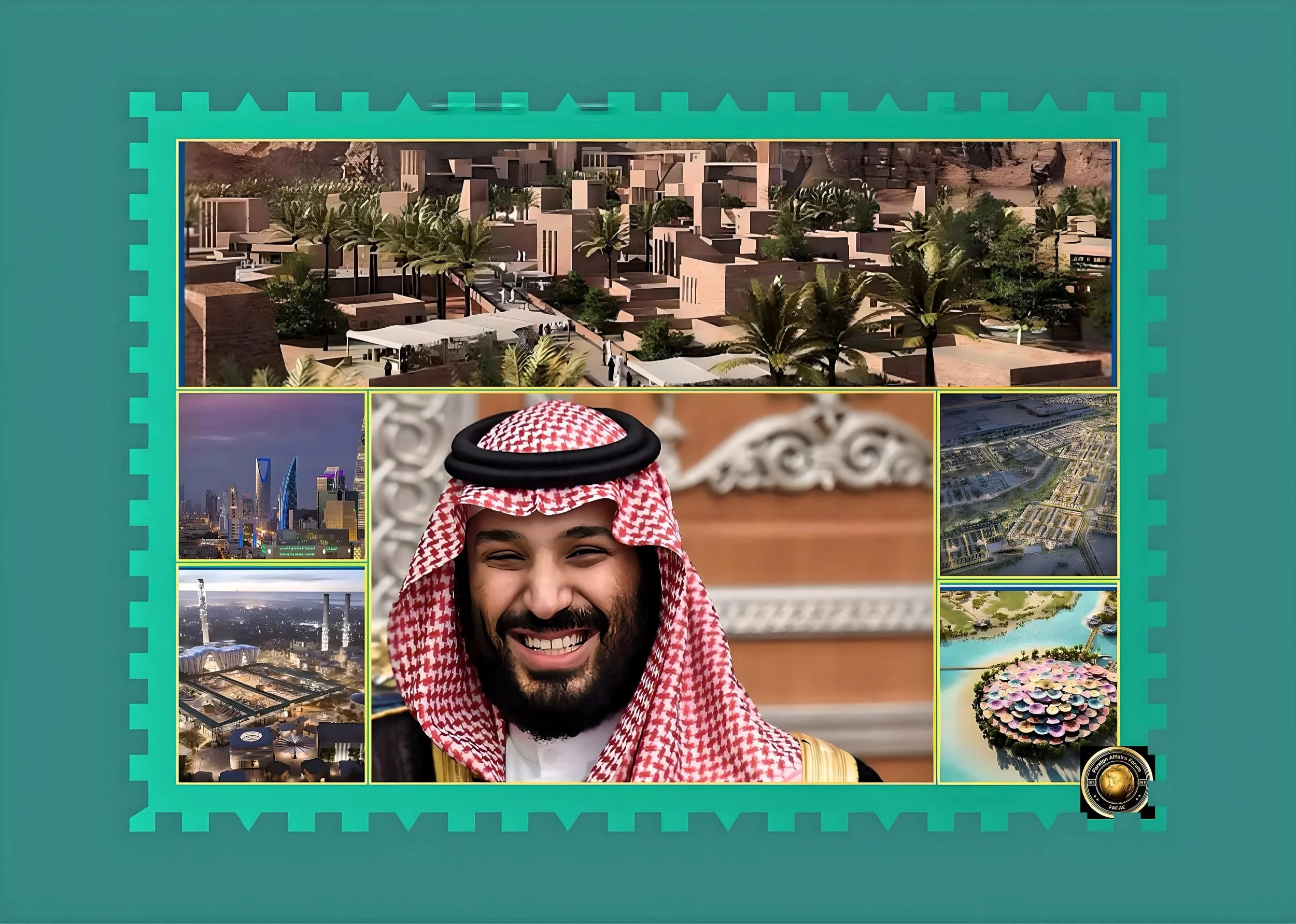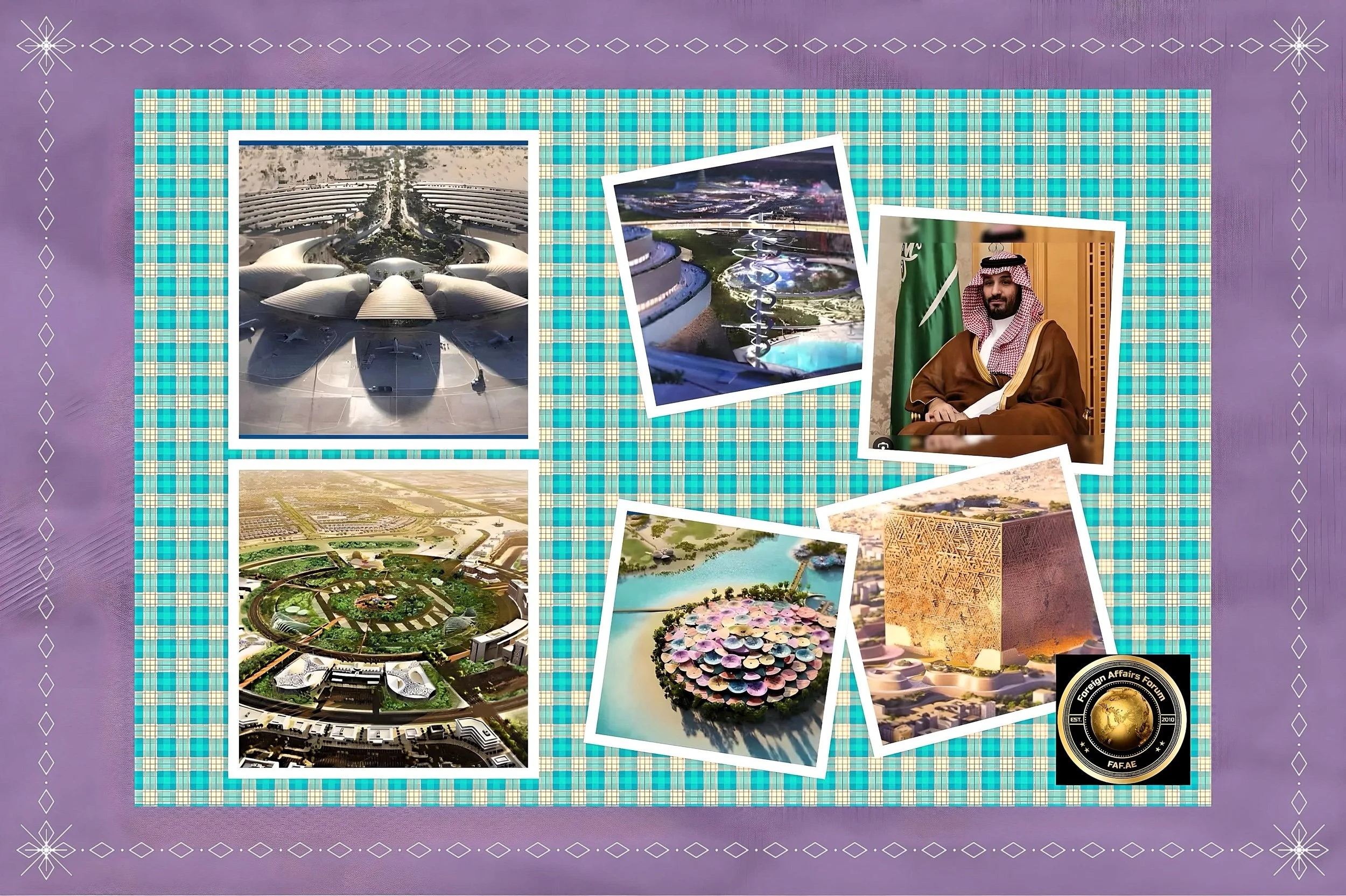
Saudi Arabia’s Mega-Projects: Ambition Meets Reality in 2025
Introduction
Saudi Arabia’s grand Vision 2030 initiatives have progressed, been delayed, and been scaled back as the Kingdom balances ambition with financial and practical realities.
FAF's comprehensive analysis examines the status of key projects, economic reforms, and cultural considerations shaping Saudi Arabia’s future.
Status of Mega-Projects
Scaling Back Ambitions
Jeddah Tower Resumes After Long Delay
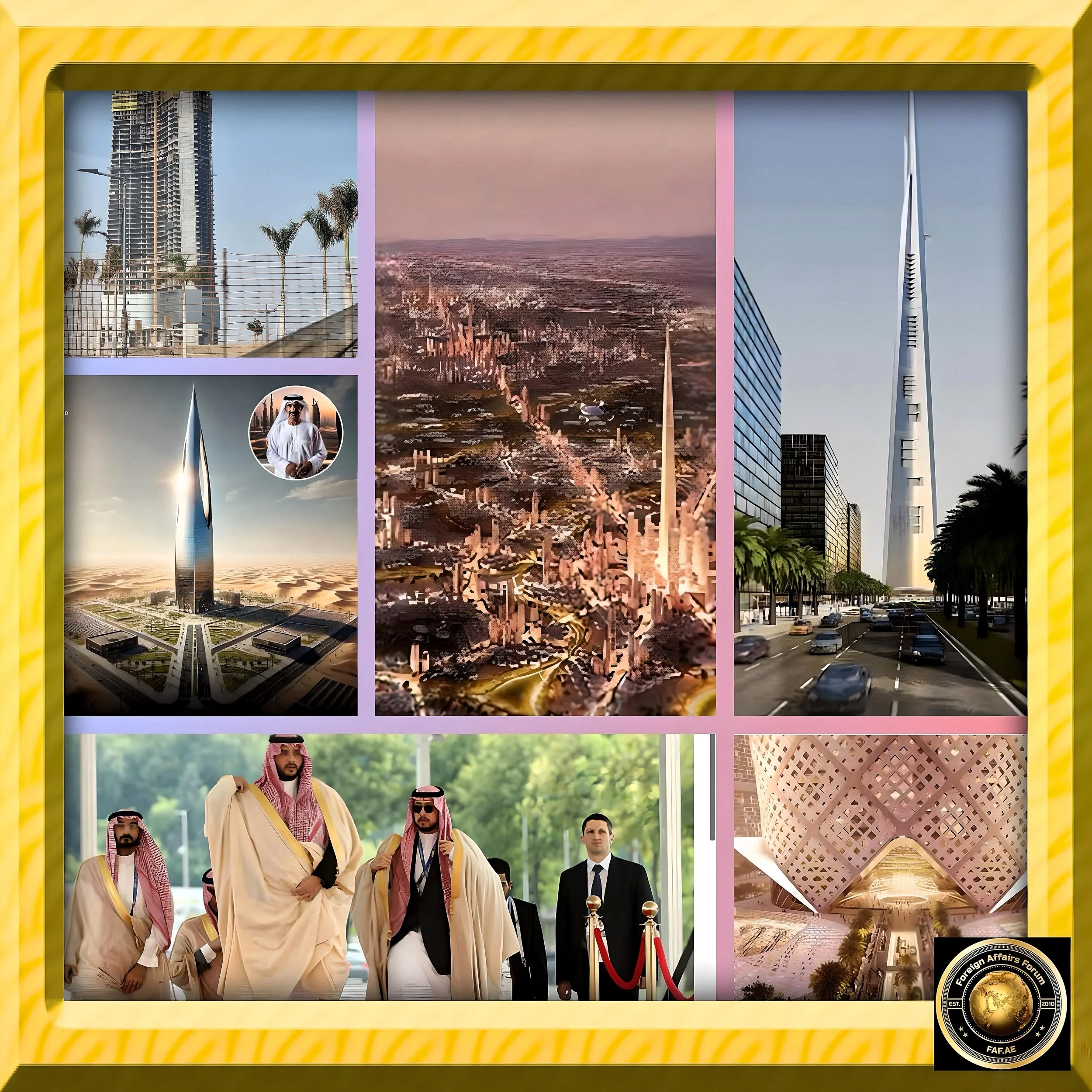
Construction on the Jeddah Tower, designed to be the world’s tallest building at over 1,001 meters, has officially restarted after being halted in 2018.
Kingdom Holding Company, the developer, announced at a ceremony in January 2025 that the project would be completed in 2028.
It will be at least 173 meters taller than Dubai’s Burj Khalifa when finished. The project aims to complete one floor every four days and has an expected timeline of 42 months.
“Construction of the Jeddah Tower, a global symbol of ambition and progress, has officially restarted,” stated Kingdom Holding Company at the ceremony.
Previously known as Kingdom Tower, the tower has been stalled since 2018, and construction has reached only the 63rd floor.
NEOM and The Line: Dramatic Scale-Back
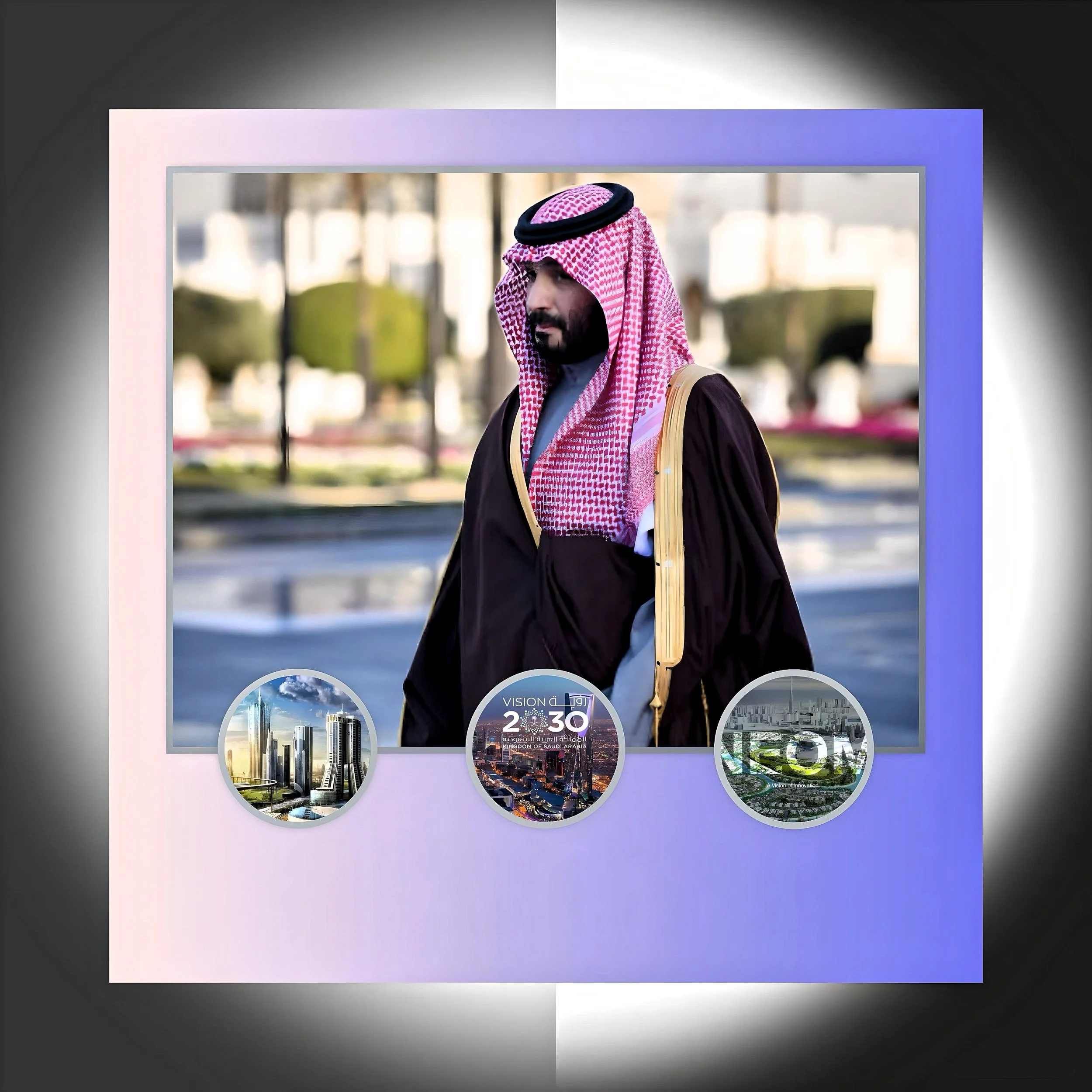
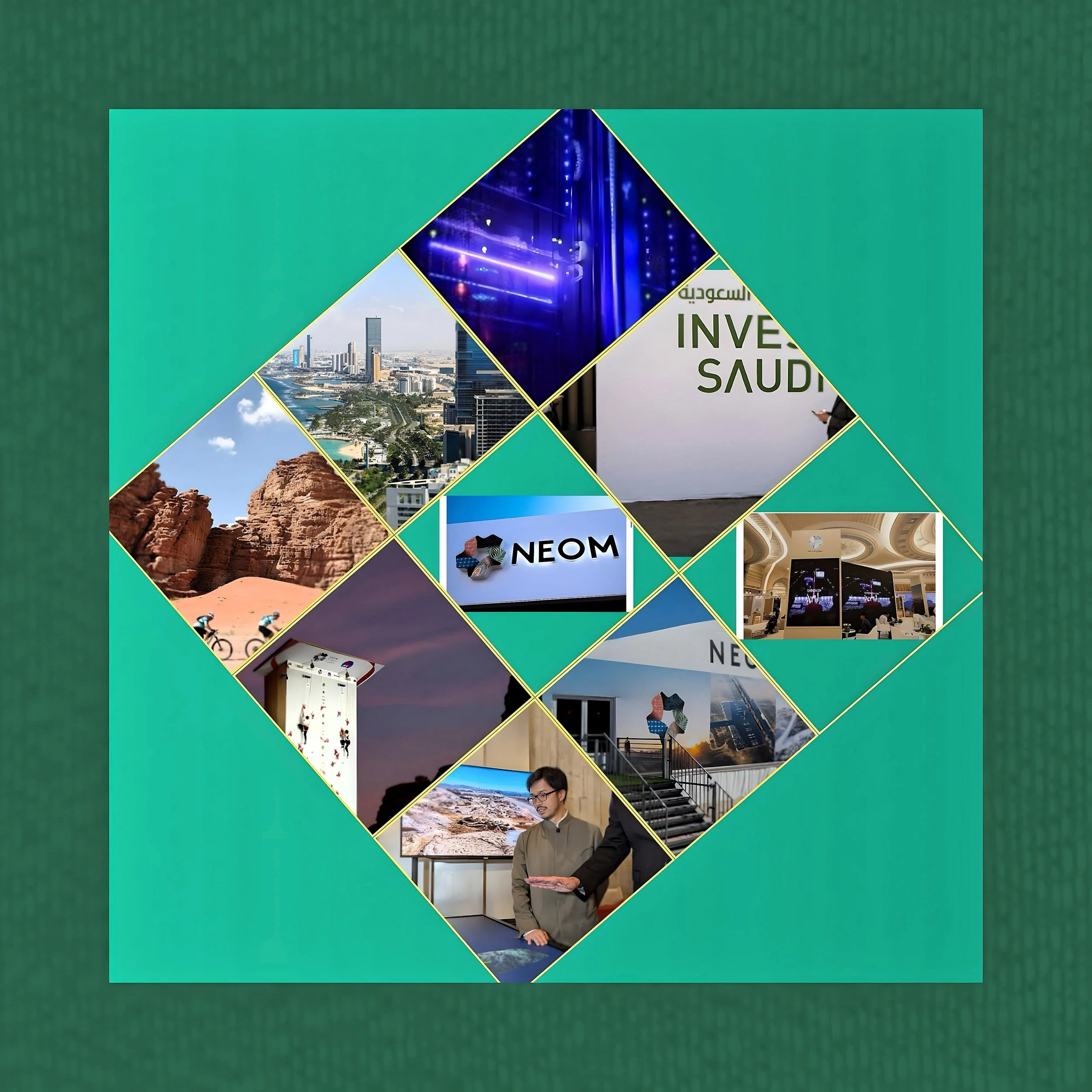
One of Vision 2030's most ambitious elements, the NEOM mega-city project, has been significantly reduced.
Initially planned as a revolutionary 170km-long linear city to host 1.5 million residents by 2030, the Line has been scaled down to just 2.4km with a reduced population target of 300,000.
According to a March 2025 report, the NEOM project has become a “financial disaster,” requiring an estimated total cost of $8.8 trillion and possibly 55 more years of construction.
According to an internal audit shared with NEOM's board, this figure exceeds Saudi Arabia’s annual budget by more than 25 times.
The project faces severe practical challenges, including “insufficient labor, inadequate roads, and a lack of electricity.”
Rise Tower: The Ultra-Long-Term Vision
Despite scaling back current projects, Saudi Arabia plans for future mega-structures.
The proposed Rise Tower (Torre Rise) is a planned 2km-tall skyscraper intended to serve as the centerpiece of the “North Pole Project.”
This project represents a longer-term ambition, with an estimated completion date of around 2060 and a cost of $5 billion.
The tower would be near twice the height of Jeddah Tower and feature “a hotel, a lookout, restaurants, offices, and residences.”
Engineers note that, due to their extreme height, “pressurized oxygen cabin-like units” would be required on upper floors.
Vision 2030
Adjusting Expectations
Financial Realities Forcing Pragmatism
Saudi Arabia’s Vision 2030, launched in 2016 under Crown Prince Mohammed bin Salman, remains the blueprint for the Kingdom’s transformation away from oil dependence.
However, financial pressures have forced some of its most ambitious elements to be recalibrated.
The challenges facing projects like NEOM reflect broader issues with funding the Vision 2030 portfolio.
As Saudi Finance Minister Mohammed Al-Jadaan acknowledged in December, more time was needed to “build factories, build even sufficient human resources,” leading to “the delay or extension of some projects.”
Foreign Investment Shortfall
A key assumption behind Vision 2030 was that significant foreign investment would fund many ambitious projects.
One expert noted, “When Vision 2030 was announced in 2017, the assumption had been that a lot of the funding would come from foreign investment—that didn’t happen.”
This funding gap has reduced funding for projects like NEOM and The Line.
Economic Reforms and Openness
New Investment Framework
Despite setbacks in mega-projects, Saudi Arabia continues implementing economic reforms.
February 2025 saw the introduction of a New Investment Law replacing the previous licensing system with a streamlined national registry.
This reform offers “equal treatment to local and foreign investors, simplified registration, and better investor protections.”
Free Zones and Special Economic Areas
The Kingdom has established various free zones offering tax benefits, full foreign ownership rights, and simplified regulations.
These zones are categorized as Industrial Free Zones, Technological Free Zones, and Logistics Free Zones, each designed to attract specific types of business activity.
Domain Registration Restrictions
Unlike more open economies, Saudi Arabia maintains control over its digital infrastructure.
The .sa domain still has significant restrictions, requiring local presence, registration documents, and prior rights verification.
For example, only Saudi citizens can register domains based on personal names, and companies must show a relationship between their company name and the requested domain.
Cultural Considerations and Social Policies
No Alcohol at FIFA World Cup 2034
Unlike Qatar, which relaxed some alcohol restrictions for the 2022 World Cup, Saudi Arabia has indicated it will maintain its complete alcohol ban for the 2034 FIFA World Cup.
Saudi Arabia has prohibited alcohol since 1952, with violations potentially resulting in “fines, imprisonment, public flogging, or deportation for expatriates.”
When questioned about potentially lifting restrictions, Saudi Sports Minister Prince Abdulaziz bin Turki Al-Faisal told Sky News it would be “Islamophobic to require the country to lift some of its restrictions, saying ‘the World Cup is for everyone.’”
Riyadh Expo 2030
Saudi Arabia won the bid to host World Expo 2030 in Riyadh, with the theme “The Era of Change: Together for a Foresighted Tomorrow.”
The event is positioned as a key milestone for showcasing the results of Vision 2030, with expectations for 40 million site visits and 1 billion metaverse visits.
Future Outlook
Between Ambition and Reality
However, Saudi Arabia continues to pursue economic diversification and modernization with increasingly realistic timelines and budgets.
The Kingdom is making genuine progress in regulatory reform and investment law and hosting major international events.
However, the scaling back of flagship projects like NEOM and The Line suggests a recalibration rather than abandoning Saudi ambitions.
The focus appears to be shifting toward more achievable goals while maintaining the long-term vision of economic transformation.
For investors and businesses looking to engage with Saudi Arabia, this presents a more pragmatic landscape with more straightforward rules and expectations but some unique cultural and regulatory considerations that differentiate it from more open economies like Dubai.
Conclusion
Evolution Rather Than Revolution
Saudi Arabia’s development journey appears to have evolved into a more measured approach that balances ambitious vision with financial and practical realities.
While some headline-grabbing mega-projects have been scaled back, the underlying direction toward economic diversification, increased openness to foreign investment, and modernization continues, albeit at a more sustainable pace than initially envisioned.
As Crown Prince Mohammed bin Salman stated in his official letter supporting the Expo 2030 bid, Saudi Arabia remains “confident in our ability to deliver an unprecedented World Expo experience.”
This confidence, tempered by recent experience, may represent the new face of Saudi ambition-bold but increasingly grounded in what can realistically be achieved.