Potential Risks of Renegotiating U.S. Alliances for Greater Reciprocity
Introduction
The push to renegotiate U.S. alliances to ensure greater reciprocity reflects growing concerns about equitable burden-sharing in an era of renewed great-power competition.
While such efforts aim to optimize resource allocation and strengthen collective security, they carry significant risks that could undermine alliance cohesion, embolden adversaries, and destabilize the international order.
FAF analyzes these risks through historical precedents, contemporary case studies, and theoretical frameworks drawn from international relations scholarship.
Erosion of Trust and Alliance Cohesion
Perceptions of Abandonment and Credibility Loss
Renegotiations risk being interpreted as signals of U.S. retrenchment or wavering commitment, particularly by allies reliant on American security guarantees.
The “burden-sharing dilemma” highlights a paradox. While allies may free-ride on U.S. protections, excessive pressure for reciprocity can fuel perceptions that Washington is prioritizing cost-cutting over collective defense.
For example, Secretary of State William Rogers warned in the 1970s that proposals to reduce U.S. troop levels in Europe with assurances of continued commitment could erode NATO’s deterrent credibility.
Contemporary debates over conditioning defense aid on allies meeting spending targets (e.g., NATO’s 2% GDP benchmark) risk similar misinterpretations, potentially weakening the psychological foundation of mutual defense pacts.
Fragmentation of Strategic Unity
Alliances are transactional arrangements and ecosystems of shared intelligence, interoperable military systems, and coordinated policy.
Renegotiations that emphasize strict reciprocity could disrupt this integration.
For instance, U.S. nuclear sharing agreements with Belgium, Germany, Italy, the Netherlands, and Turkey under NATO’s framework depend on intricate technical and political coordination.
Overly rigid renegotiations might fragment these systems, creating gaps in deterrence architectures.
Historical precedents, such as France’s 1966 withdrawal from NATO’s integrated military structure, demonstrate how transactional approaches can fracture alliance capabilities for decades.
Reduction of U.S. Influence Over Allies
Shift Toward Strategic Autonomy
As allies assume greater defense responsibilities, they may pursue independent foreign policies that diverge from U.S. interests.
The “entanglement vs. autonomy” trade-off becomes acute: burden-sharing reduces U.S. costs and empowers allies to act without consultation.
For example, Turkey’s 2019 acquisition of Russian S-400 missile systems-despite NATO interoperability standards-illustrates how increased defense autonomy can undermine collective security frameworks.
Similarly, Australia’s economic dependence on China has created tensions with its U.S. alliance commitments, as Canberra balances trade relations with security priorities.
Erosion of Economic and Political Leverage
U.S. security guarantees have historically provided leverage to shape allies’ economic and diplomatic behavior, such as enforcing sanctions regimes or market-access agreements.
Reduced dependency could diminish this influence.
The Trump administration’s 2018–2019 threats to condition defense support on South Korea’s increased payments for U.S. troop deployments (“Cost-Sharing Special Measures Agreement”) nearly collapsed bilateral negotiations, weakening Washington’s ability to coordinate North Korea policy.
Escalation of Adversarial Opportunism
Exploitation of Perceived Weakness
Adversaries may interpret renegotiations as evidence of U.S. decline or indecision, encouraging provocative actions.
Russia’s 2014 annexation of Crimea and 2022 invasion of Ukraine capitalized on perceptions of Western disunity, while China’s assertiveness in the South China Sea has tested U.S. alliances during periods of strained burden-sharing talks.
The “two-war strategy” debate-whether the U.S. can simultaneously deter conflicts in Asia and Europe-underscores how alliance renegotiations might signal reduced capacity, inviting opportunistic aggression.
Formation of Counter-Alliances
Adversaries could exploit alliance friction to build alternative partnerships.
China’s Belt and Road Initiative and Russia’s Eurasian Economic Union are already seeking to reduce the economic dependencies of U.S.-aligned states.
A transactional approach to U.S. alliances might accelerate this trend, as seen in Saudi Arabia’s growing ties with China and Russia amid tensions over oil production disputes with Washington.
Domestic Political Instability in Allied States
Populist Backlash Against Alliance Commitments
Renegotiations often require allied governments to increase defense spending or accept less favorable terms, which can provoke domestic opposition.
In Germany, public resistance to NATO’s 2% GDP target has fueled populist movements skeptical of U.S. leadership.
At the same time, South Korean protests against increased host-nation support for U.S. troops in 2019–2020 highlighted the fragility of elite-public consensus on alliances.
The “audience costs” theory suggests that leaders who renege on alliance commitments face voter backlash, but those who concede too much in renegotiations risk appearing weak.
Erosion of Bipartisan Support in the U.S.
Domestic polarization complicates sustained alliance management. President Trump’s threats to withdraw from NATO conflicted with congressional efforts to codify alliance commitments into law (e.g., the 2019 NATO Support Act).
Such contradictions create uncertainty, discouraging allies from making long-term investments in interoperability.
Unintended Military and Economic Consequences
Nuclear Proliferation Pressures
Allies might pursue independent nuclear capabilities if they doubt U.S. extended deterrence.
South Korea’s debates over nuclear armament in response to North Korean threats and Saudi Arabia’s interest in matching Iran’s nuclear potential exemplify this risk.
While U.S. nuclear sharing agreements aim to prevent proliferation, aggressive renegotiations could undermine their credibility.
Trade Retaliation and Economic Decoupling
Reciprocity demands in defense could spill over into economic relations.
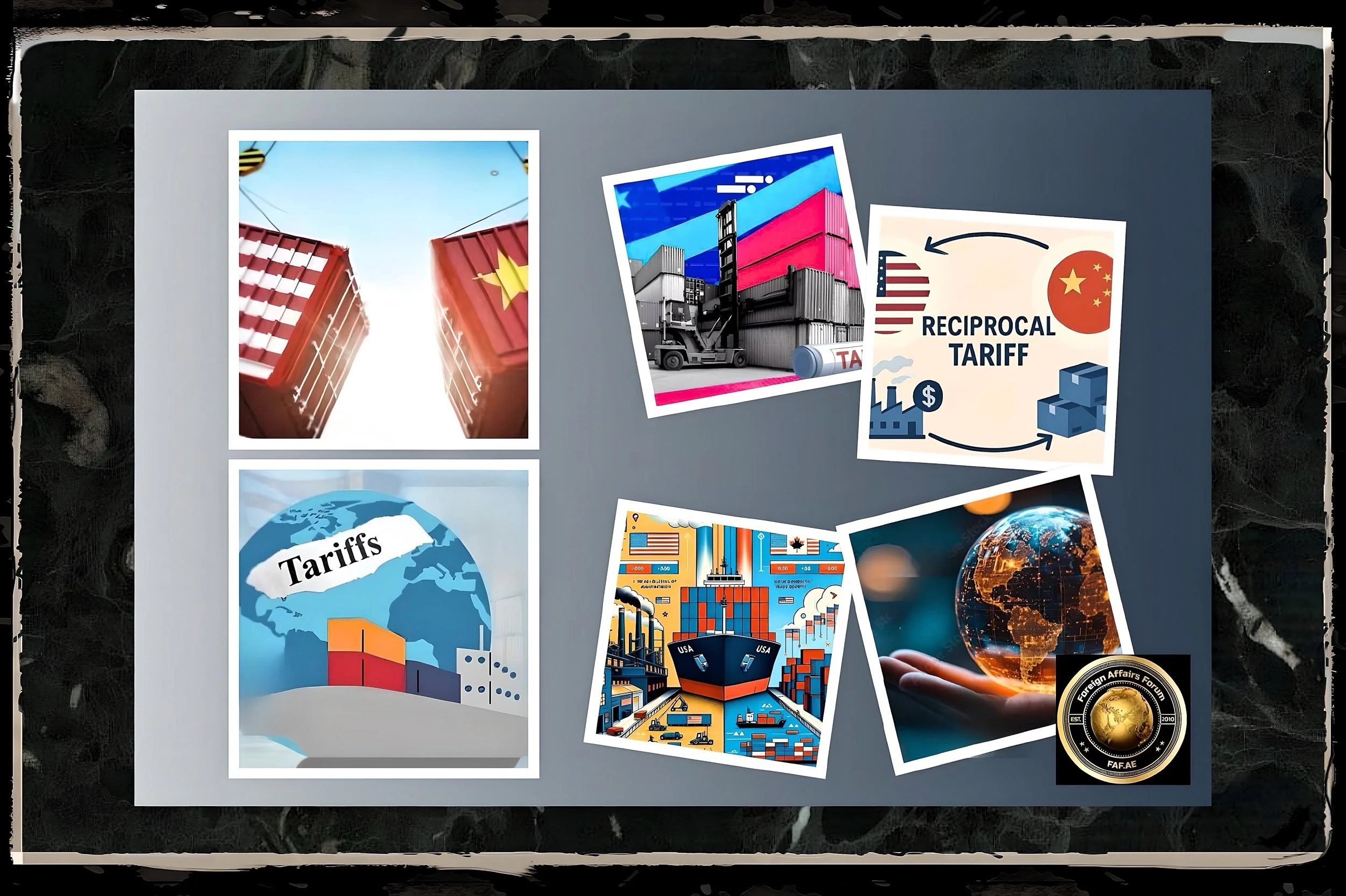
The Trump administration’s 2018–2019 “reciprocal tariffs” on allies like the EU and Japan triggered retaliatory measures, disrupting supply chains and undermining transatlantic cooperation on China policy.
A purely transactional approach risks fragmenting the economic foundations of security partnerships.
Historical Precedents and Lessons
The Mansfield Amendment Debates (1970s)
Senator Mike Mansfield’s proposals to halve U.S. troops in Europe aimed to address trade deficits but faced fierce opposition from NATO allies who interpreted them as abandonment.
While the amendment failed, it strained U.S.-European relations and delayed defense modernization efforts.
Post-Cold War NATO Expansion
While strengthening the alliance, NATO's eastward enlargement in the 1990s created lingering tensions with Russia.
Current debates over Ukraine’s NATO membership illustrate how renegotiating alliance boundaries can provoke adversarial reactions.
Conclusion
Navigating the Reciprocity Tightrope
Renegotiating alliances for greater reciprocity is neither inherently beneficial nor disastrous- it requires careful calibration. The risks outlined above suggest that policymakers must:
Avoid Ultimatums
Framing renegotiations as mutual adaptations to evolving threats (e.g., cyber warfare, space dominance) rather than financial audits.
Strengthen Institutional Ties
Embedding reciprocity within multilateral frameworks like NATO’s Defense Investment Pledge to depersonalize burden-sharing disputes.
Maintain Strategic Ambiguity
Balancing clear commitments with flexible implementation to deter adversaries while reassuring allies.
As the U.S. navigates a multipolar world, the art of alliance management will depend on recognizing that reciprocity cannot be reduced to ledger entries but must reflect shared strategic visions.
Alternative transactional diplomacy risks unraveling the partnerships underpinning global stability since 1945.