Key Takeaways from President Donald Trump’s First Cabinet Meeting of His Second Term
Introduction
President Donald Trump convened the inaugural Cabinet meeting of his second term on February 26, 2025, outlining an ambitious agenda centered on fiscal austerity, immigration reform, and strategic foreign policy shifts.
The meeting, attended by newly confirmed Cabinet members and tech billionaire Elon Musk, highlighted the administration’s priorities, including reducing federal spending, restructuring immigration pathways, and advancing economic deals with Ukraine.
Below is a detailed analysis of the meeting’s critical developments and implications.
Fiscal Restructuring and Government Efficiency
The administration’s commitment to fiscal discipline dominated discussions, with Trump emphasizing the need to address the national debt, which he claimed now exceeds $35 trillion.
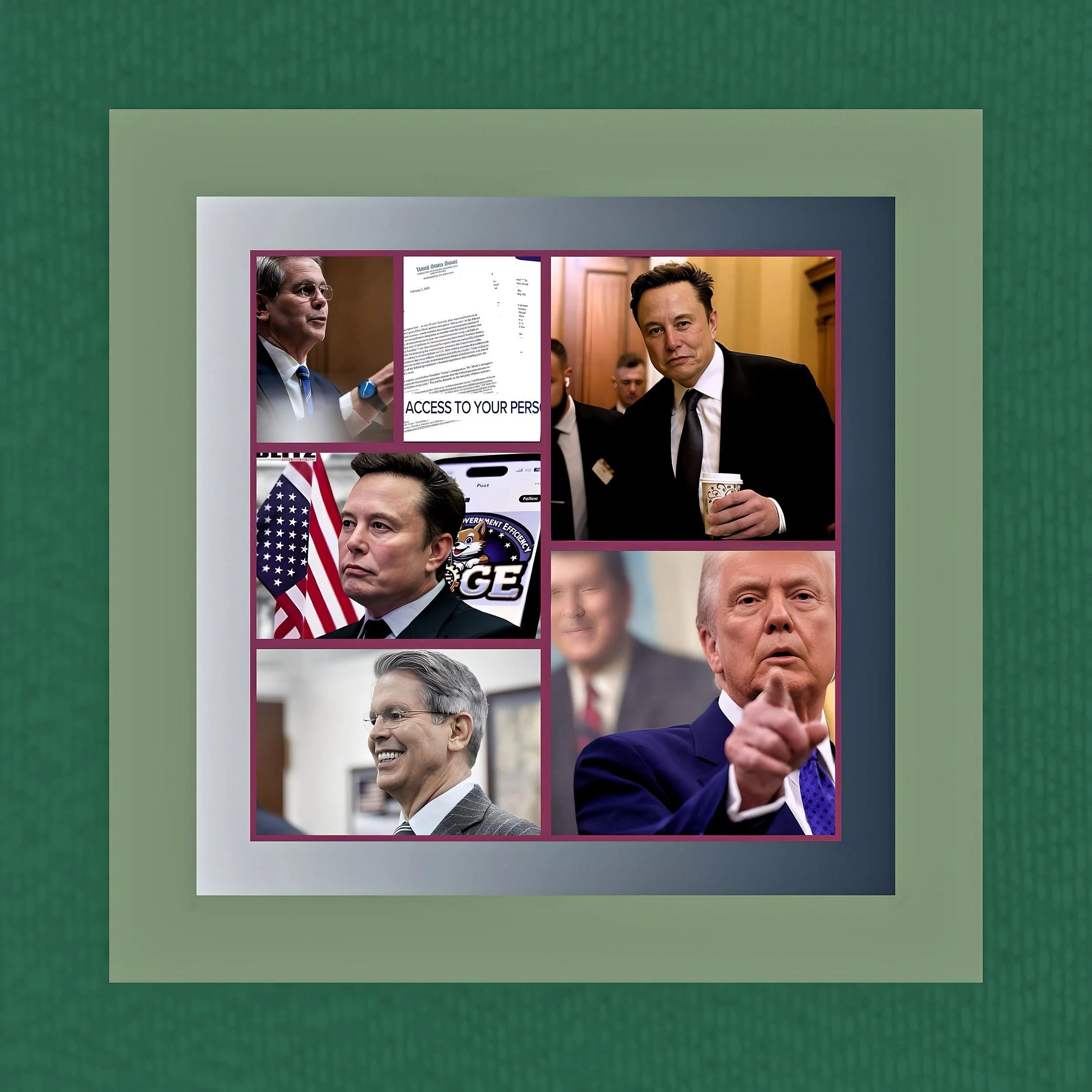
The Department of Government Efficiency (DOGE) is central to this effort, led by Elon Musk, who framed the department’s role as “tech support” for modernizing outdated federal systems.
Musk outlined DOGE’s primary objective: identifying $1 trillion in savings by scrutinizing federal expenditures, combating fraud, and streamlining operations.
He acknowledged missteps, such as the accidental cancellation of USAID’s Ebola prevention program, but stressed these would be rectified swiftly.
A contentious component of DOGE’s strategy is Musk’s directive requiring federal employees to justify their roles by detailing recent accomplishments via email.
Non-responsive employees risk termination, a policy Trump endorsed, alleging that non-responders might be “fictional” or deceased.
Environmental Protection Agency (EPA) Administrator Lee Zeldin reportedly plans to reduce his agency’s workforce by 65%, reflecting broader efforts to shrink federal operations.
Immigration Overhaul: The “Gold Card” Initiative
Trump unveiled the “Gold Card” program, a revamped EB-5 visa pathway offering citizenship to individuals investing $5 million in the U.S. economy.
Commerce Secretary Howard Lutnick clarified that the program targets high-earning graduates and investors, with proceeds directed toward deficit reduction.
The initiative aims to attract “productive” individuals while vetting applicants to ensure legitimacy.
Critics argue the policy prioritizes wealth over merit, but Trump insisted it would “sell like crazy,” citing demand from corporations seeking to retain top international talent.
Foreign Policy and the Ukraine-Russia Conflict
The administration signaled a pragmatic approach to the Ukraine war, with Trump confirming Ukrainian President Volodymyr Zelensky’s upcoming visit to finalize a rare earth minerals deal.
The agreement allows U.S. access to Ukraine’s critical mineral reserves, ostensibly to recoup $350 billion in prior aid and secure resources for domestic industries.
Trump framed the deal as a step toward ending the conflict, urging Europe to assume greater responsibility for Ukraine’s security.
However, he avoided committing to direct U.S. security guarantees, instead emphasizing Europe’s proximity to the crisis.
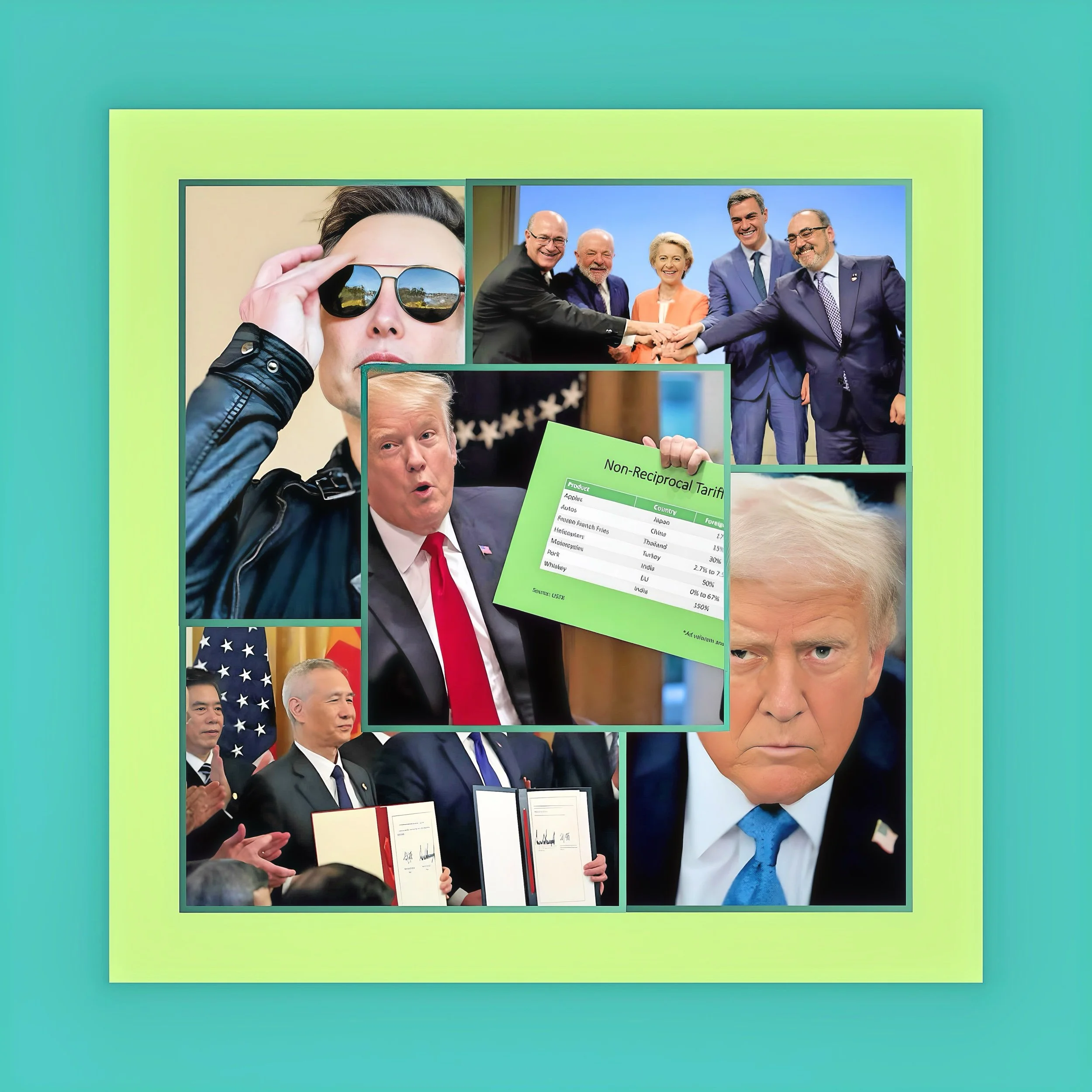
Discussions also touched on tariff policies, with Trump announcing a 25% levy on European imports, particularly automobiles, citing longstanding trade imbalances.
Additional tariffs targeting Mexico and Canada, set for April 2, aim to address fentanyl trafficking and protect domestic industries.
Domestic Priorities: Border Security and Deregulation
Trump touted a dramatic reduction in illegal border crossings, attributing the decline to stricter enforcement and collaboration with agencies like ICE and Border Patrol.
He linked border security to broader economic goals, including combating fentanyl trafficking, which he blamed for “millions of deaths.”
The president also reiterated plans to dismantle the Department of Education, return control to states, and slash EPA staffing, framing these moves as efforts to combat bureaucratic bloat and improve efficiency.
Cabinet Dynamics and Internal Tensions
The meeting underscored Trump’s confidence in his Cabinet selections, particularly his praise of Secretary of State Marco Rubio and Musk.
However, underlying tensions surfaced, particularly regarding DOGE’s aggressive cost-cutting measures.
While Trump dismissed rumors of Cabinet dissent, the resignation of 21 DOGE staffers over data security concerns highlighted internal challenges.
Musk’s prominent role, despite lacking Senate confirmation, drew scrutiny, with critics questioning his influence over federal operations.
Conclusion
A Blueprint for the Second Term
Trump’s first Cabinet meeting crystallized his second-term priorities: fiscal austerity, immigration monetization, and transactional foreign policy.
While the “Gold Card” and rare earth deals aim to bolster economic and geopolitical standing, the administration’s reliance on unilateral tariffs and workforce reductions risks exacerbating trade tensions and bureaucratic instability.
As Zelensky’s visit looms, the administration’s ability to balance domestic reforms with international diplomacy will shape its trajectory in the coming months.
The meeting’s blend of ambition and contention underscores the challenges ahead as Trump seeks to translate campaign rhetoric into actionable policy.