Elon Musk Condemns Trump’s Tax Bill as ‘Disgusting Abomination’ in Public Break with Former Ally
Introduction
In a dramatic public break with President Donald Trump, Elon Musk has unleashed scathing criticism of the administration’s flagship tax and spending legislation, calling it a “disgusting abomination” that threatens to bankrupt America through unsustainable debt accumulation.
The billionaire entrepreneur’s fierce denunciation of Trump’s “One Big Beautiful Bill” represents a significant tension escalation between the two prominent figures. It came just days after Musk departed his role as the Department of Government Efficiency (DOGE) leader.
Musk’s critique centers on projections that the bill could add between $2.3 trillion and $5 trillion to the federal deficit over the next decade.
The Congressional Budget Office estimates that the measure’s tax policies alone will contribute nearly $3.8 trillion to the national debt.
This public confrontation has emboldened fiscally conservative Republican senators to voice opposition to the legislation while also uniting Democrats who have seized upon Musk’s criticism to attack the bill’s fiscal implications.
FAF, Washington. The media is analyzing the controversy, which highlights deep divisions within the Republican Party over fiscal responsibility and threatens to complicate Senate passage of Trump’s signature domestic policy initiative.
The Public Rupture Between Tech Mogul and President
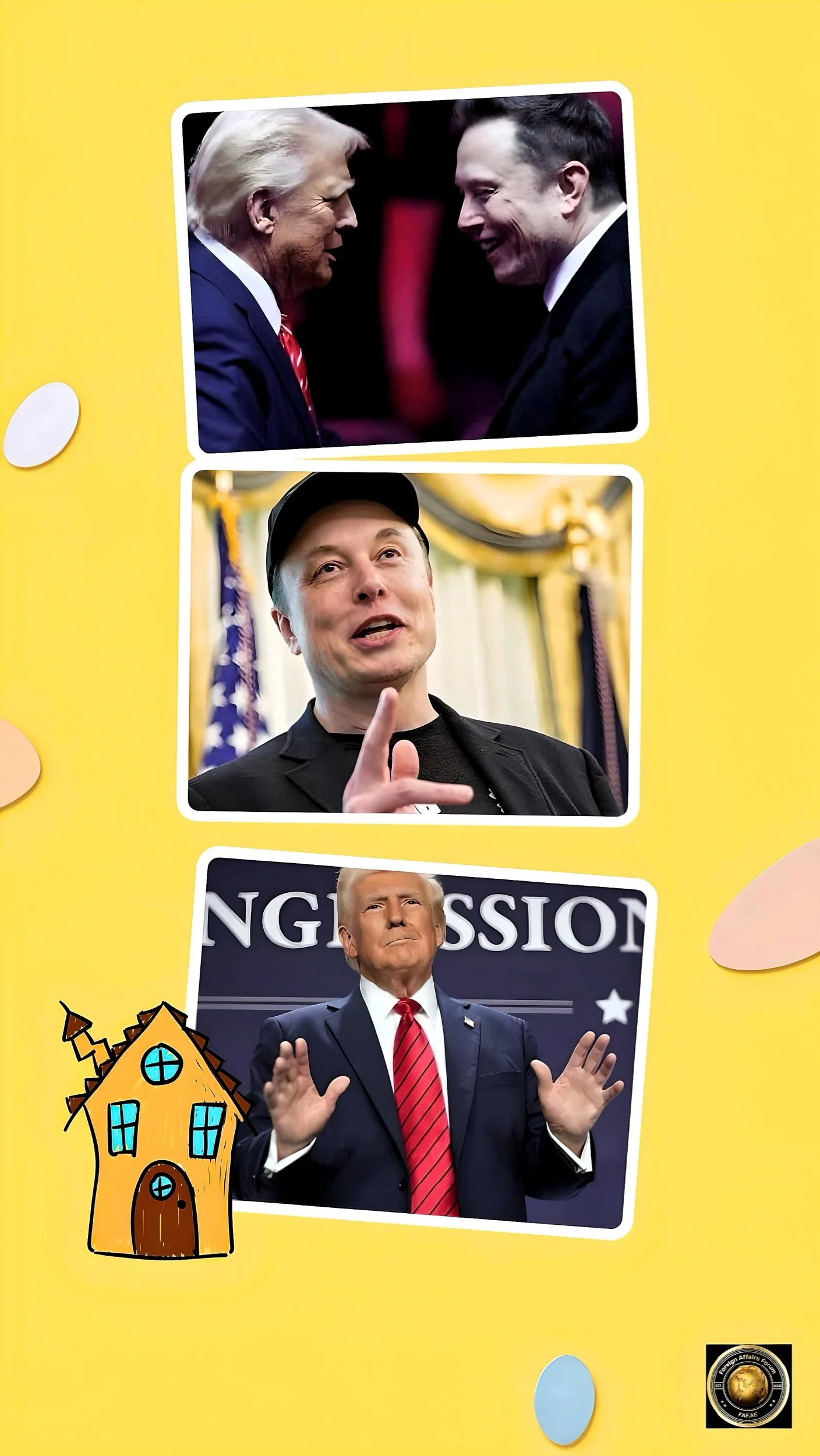
Elon Musk’s transformation from Trump ally to vocal critic climaxed on Tuesday, June 3, 2025, when the Tesla CEO took to his X social media platform to deliver a withering assessment of the president’s tax legislation.
“I’m sorry, but I just can’t stand it anymore,” Musk declared in a series of posts reverberating across Washington’s political establishment.
His criticism marked a sharp departure from his previously supportive relationship with Trump, whom he had helped secure re-election with at least $250 million in campaign contributions.
The timing of Musk’s public rebuke proved particularly significant, coming just days after he departed from the Trump administration on May 31, 2025
During his tenure as head of DOGE, Musk had championed aggressive spending cuts and government efficiency reforms, positioning himself as a fiscal hawk within the administration.
Some observers had characterized his exit from the White House as resembling “a divorce that the White House was attempting to gloss over,” suggesting underlying tensions that have now burst into public view.
Musk’s criticism represents more than a policy disagreement; it signals a fundamental ideological clash over fiscal responsibility and government spending priorities.
The billionaire had previously expressed “disappointment” with the bill in more measured terms, but his latest statements crossed into territory that directly challenged Trump’s core legislative agenda.
This escalation reflects Musk’s long-standing view of the national debt as an “existential threat” to American prosperity.
This perspective increasingly put him at odds with the administration’s spending priorities.
The personal nature of Musk’s criticism became evident in his direct condemnation of lawmakers who supported the legislation. “Shame on those who voted for it: you know you did wrong.
You know it,” he wrote, personalizing his attack in a way that suggested deep frustration with the political process.
This language went beyond typical policy criticism and ventured into moral judgment, indicating the depth of his opposition to the measure.
Musk’s Specific Criticisms and Fiscal Warnings
Musk’s denunciation of the “One Big Beautiful Bill” centered on detailed fiscal projections that paint an alarming picture of America’s financial future. “This massive, outrageous, pork-filled Congressional spending bill is a disgusting abomination,” he declared, using language typically reserved for the most contentious political battles.
His criticism focused on the bill’s projected impact on the federal deficit, which he claimed would “massively increase the already gigantic budget deficit to $2.5 trillion” and burden American citizens with “crushingly unsustainable debt.”
The tech entrepreneur’s warnings about fiscal sustainability reflected broader concerns about America’s debt trajectory.
In his most dire prediction, Musk declared that “Congress is making America bankrupt” and warned that “this immense level of overspending will drive America into debt slavery.”
These statements echoed his previous characterizations of the national debt as representing an existential threat to the nation’s future, positioning his opposition in terms of national survival rather than mere policy preference.
Musk’s criticism gained additional weight from his recent experience leading DOGE, where he had been tasked with identifying government waste and inefficiency.
From this vantage point, he argued that the bill “undermines the work that the DOGE team is doing” and represents a fundamental contradiction of the efficiency principles he had championed.
His departure from the administration appeared partly motivated by frustration that new spending initiatives negated his cost-cutting efforts.
The former DOGE chief also issued political threats demonstrating his willingness to challenge Republican lawmakers directly.
“In November next year, we fire all politicians who betrayed the American people,” he wrote, suggesting he might actively campaign against Republicans who supported the legislation.
This threat represented a dramatic reversal from his pledge to help defeat Republicans, whom he deemed disloyal to Trump. It indicated how completely his relationship with the administration had deteriorated.
Understanding the “One Big Beautiful Bill”
The legislation at the center of this controversy, officially titled the “One Big Beautiful Bill Act” (OBA), represents Trump’s attempt to consolidate his major domestic policy priorities into a comprehensive package.
The bill extends the significant provisions of the 2017 Tax Cuts and Jobs Act, which were set to expire at the end of 2025 while adding new tax cuts on overtime pay, tips, and Social Security income.
Additionally, the measure includes substantial spending increases for defense ($150 billion), border security ($70 billion), and immigration enforcement capabilities.
The Congressional Budget Office’s analysis reveals the bill’s staggering fiscal impact, estimating that the tax policies alone will add nearly $3.8 trillion to the federal deficit over the next decade.
Independent analysts have projected the total impact could range between $2.3 trillion and $5 trillion in additional debt, depending on economic growth assumptions and implementation details.
These projections have become a central point of contention, with the White House arguing that they fail to account for the economic growth tax cuts could generate.
The bill’s provisions reflect a complex mix of tax cuts and spending increases that challenge traditional fiscal conservative principles.
Extending existing tax cuts also raises the state and local tax (SALT) deduction from $10,000 to $40,000, a provision that primarily benefits higher-income taxpayers in high-tax states.
To offset some costs, Republicans have proposed significant cuts to social safety net programs, including stricter eligibility requirements for Medicaid and the Supplemental Nutrition Assistance Program (SNAP).
The legislation’s scope extends beyond fiscal policy to include provisions that would add work requirements to Medicaid for the first time, prohibit Medicaid funding for gender-affirming care, and impose a 10-year moratorium on state AI legislation.
These diverse provisions reflect the bill’s role in implementing Trump’s broader policy agenda, making it a comprehensive test of Republican unity and priorities.
Political Reactions and Congressional Dynamics
The political response to Musk’s criticism has revealed significant fractures within the Republican Party and provided Democrats with unexpected ammunition against the bill.
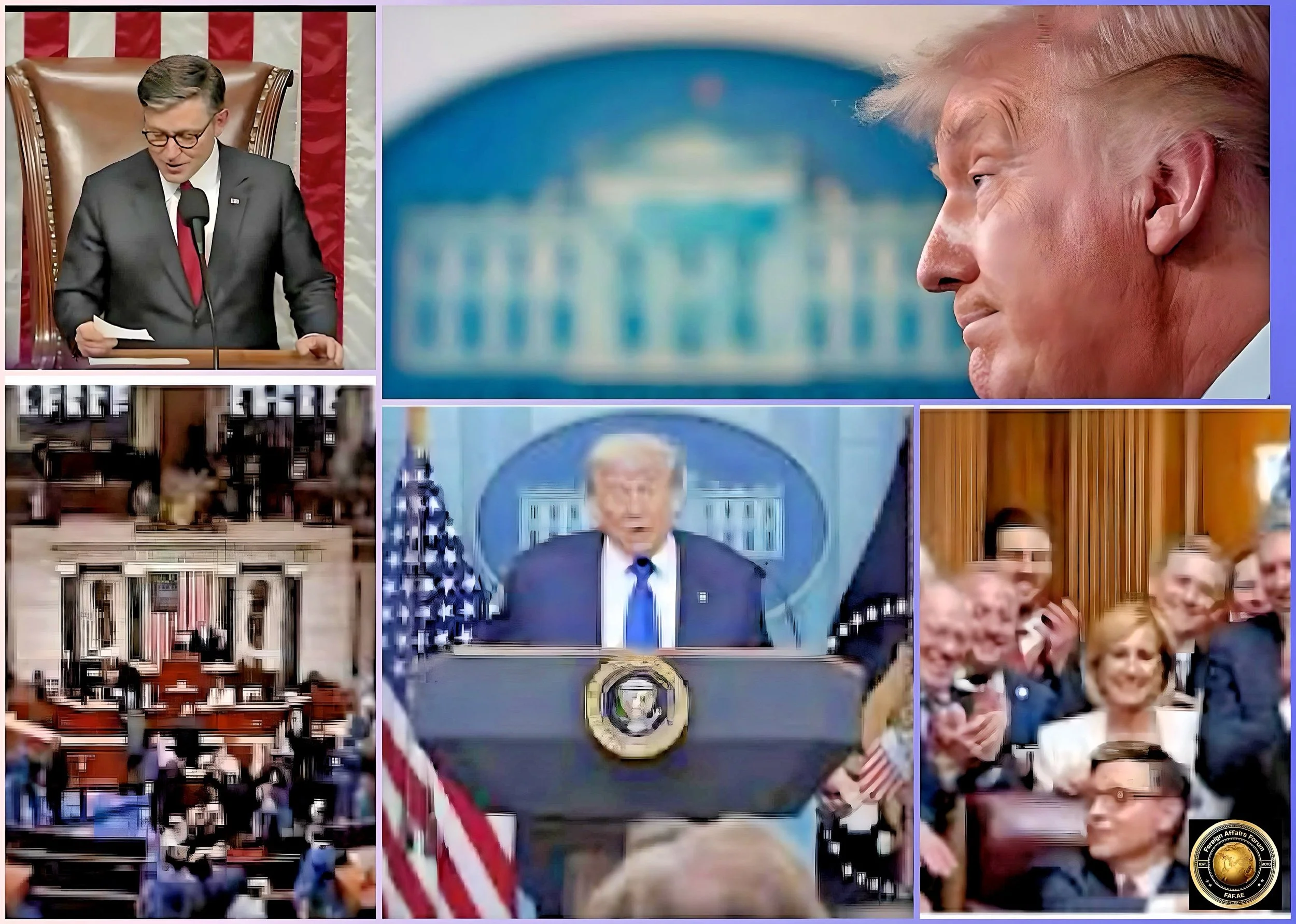
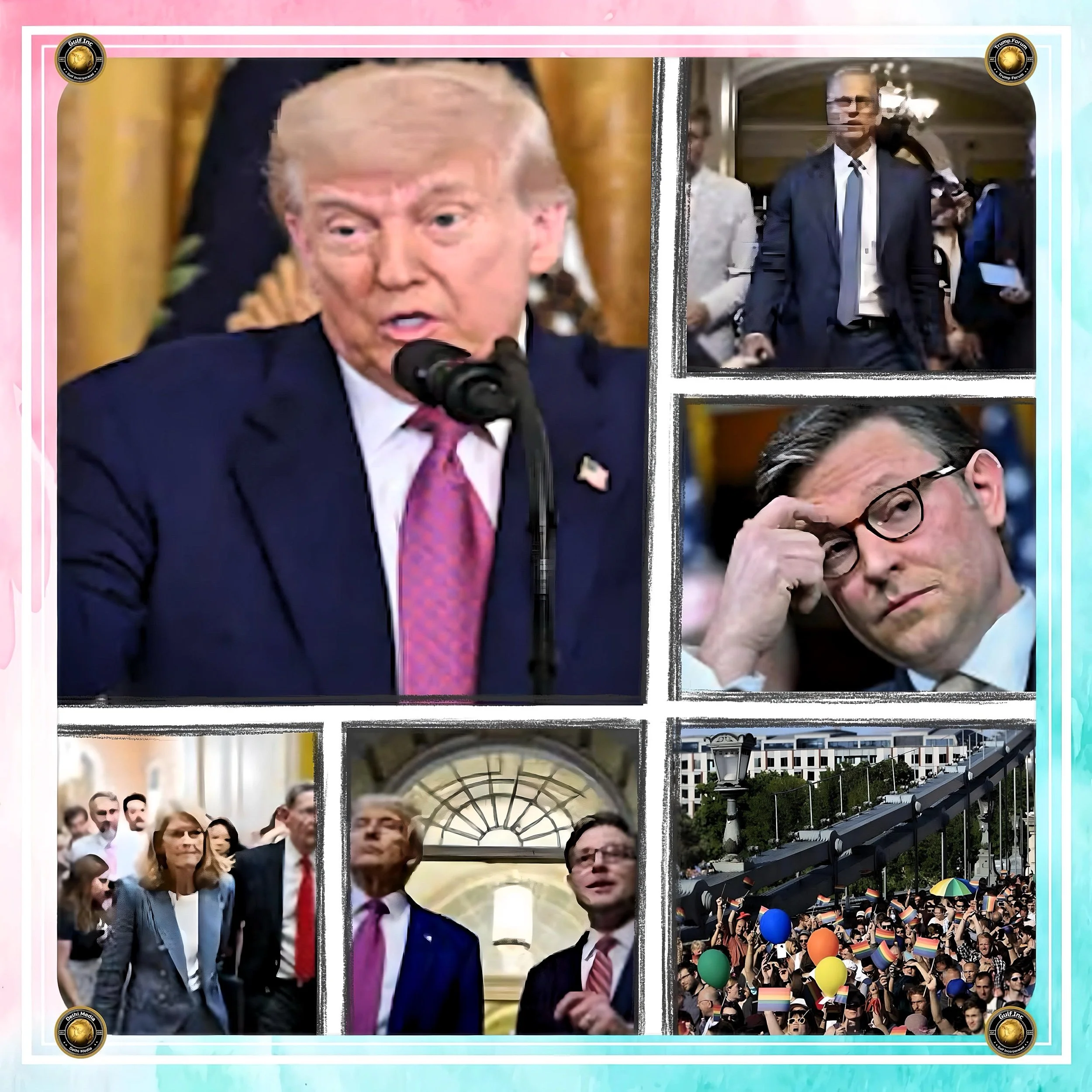
House Speaker Mike Johnson responded with visible disappointment, telling reporters that Musk was “terribly wrong” about the legislation after the two had spoken by phone for more than 20 minutes on Monday.
Johnson’s defense of the bill emphasized its role in delivering on Trump’s campaign promises while making permanent significant tax and spending cuts.
Republican senators have shown more receptiveness to Musk’s concerns, and several fiscal conservatives have echoed his warnings about the bill’s impact on the national debt.
Senator Rand Paul of Kentucky agreed with Musk, stating, “We have both seen the massive waste in government spending, and we know another $5 trillion in debt is a huge mistake.”
Utah Senator Mike Lee similarly called for improvements to the legislation, while Thomas Massie and Warren Davidson, two House Republicans who opposed the original bill, publicly supported Musk’s position.
The White House has responded by minimizing Musk’s influence while defending the legislation’s merits.
Press Secretary Karoline Leavitt stated that “the president already knows where Elon Musk stood on this bill” and emphasized that “it doesn’t change the president’s opinion.”
This response suggests the administration had anticipated Musk’s criticism and was prepared to proceed despite his opposition.
Democrats have seized upon Musk’s criticism to validate their opposition to the bill. Senate Minority Leader Chuck Sc humor noted, “If even Elon Musk, who’s been part of the whole process and is Trump’s buddy, says the bill is flawed, you can imagine how bad this bill is.”
House Minority Leader Hakeem Jeffries declared that “Elon Musk and I agree with each other” in calling the legislation a “disgusting abomination,” while Senator Bernie Sanders similarly endorsed Musk’s position.
Economic and Fiscal Implications
The economic implications of the “One Big Beautiful Bill” extend far beyond its immediate fiscal impact, raising fundamental questions about America’s long-term financial sustainability and economic growth prospects.
The Congressional Budget Office’s projections indicate that the legislation could add between $2.3 trillion and $5 trillion to the national debt over the next decade, bringing the total federal debt to unprecedented levels relative to the size of the economy.
These projections have prompted fiscal experts to warn about the potential for a debt crisis that could fundamentally alter America’s economic trajectory.
The bill’s proponents argue that traditional scoring methods fail to capture the dynamic economic effects of tax cuts, which they claim will generate sufficient growth to offset much of the revenue loss.
The White House has presented alternative scenarios suggesting that enhanced economic growth could significantly reduce the bill’s fiscal impact. Some projections indicate the possibility of budget surpluses under optimistic growth assumptions.
However, these projections rely on assumptions about economic growth rates that many economists consider unrealistic given current economic conditions.
Another significant concern is the legislation’s impact on healthcare coverage. The CBO estimates that 8.6 million Americans could lose Medicaid coverage by 2034 due to the bill’s provisions.
The addition of work requirements and stricter eligibility criteria would particularly affect low-income families and individuals with disabilities, potentially creating significant social and economic disruption.
These coverage losses could generate additional costs for hospitals and emergency services while reducing access to preventive care.
The bill’s climate and energy policy treatment, including the rollback of clean energy tax credits, could also have long-term economic implications.
The elimination of these incentives may slow the transition to renewable energy sources while potentially affecting the competitiveness of American clean energy companies in global markets.
This aspect of the legislation particularly affects Musk’s business interests, as Tesla and other clean energy companies have benefited from these federal incentives.
Conclusion
Elon Musk’s explosive criticism of Trump’s “One Big Beautiful Bill” represents a watershed moment in American politics.
It highlights the complex tensions between fiscal responsibility and political loyalty within the Republican Party.
His transformation from Trump ally to vocal critic illustrates the challenges facing any administration attempting to balance ambitious policy goals with fiscal constraints.
The billionaire’s warnings about unsustainable debt accumulation have resonated with fiscal conservatives while providing Democrats with unexpected support for their opposition to the legislation.
The controversy surrounding the bill reflects more profound questions about America’s fiscal future and the sustainability of current spending and taxation policies.
With the national debt already exceeding $36 trillion and projected to grow significantly under the proposed legislation, Musk’s concerns about “debt slavery” touch on legitimate fears about intergenerational equity and economic stability.
The Congressional Budget Office’s projections suggest that the bill’s fiscal impact could reach the alarming levels that Musk has highlighted, making his criticism more than mere political theater.
Looking ahead, the Senate’s consideration of the legislation will likely determine whether Musk’s intervention proves decisive in shaping the outcome.
The support he has received from fiscal conservative senators suggests that his criticism may embolden opposition within Republican ranks, potentially forcing significant modifications to the bill.
Alternatively, the strength of Trump’s political influence may prove sufficient to overcome this resistance and secure the passage of the legislation, which is largely intact.
Regardless of the immediate outcome, Musk’s public break with Trump has established him as a prominent voice for fiscal responsibility within conservative circles, potentially influencing future debates about government spending and taxation policy.
The episode demonstrates that even the most potent political alliances can fracture when fundamental principles collide with practical policy decisions.