Saudi’s support to rebuild Syria
Introdution
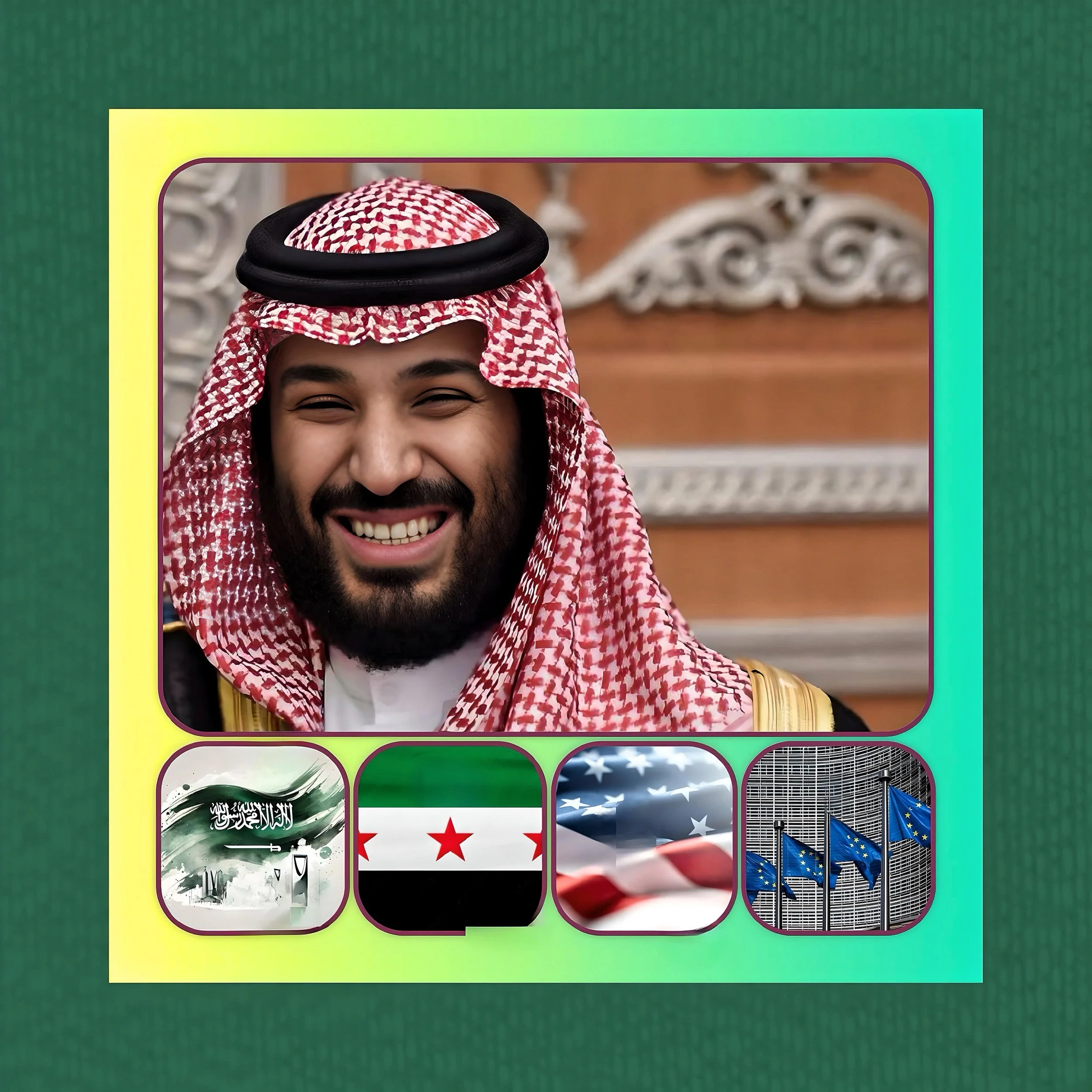
Saudi Arabia is actively advocating for the removal of international sanctions on Syria to facilitate reconstruction and stabilize the country after the ouster of Bashar al-Assad. This effort includes diplomatic engagement with regional and Western partners, humanitarian aid, and leveraging its influence to coordinate international support.
Diplomatic Push for Sanctions Relief
High-level meetings
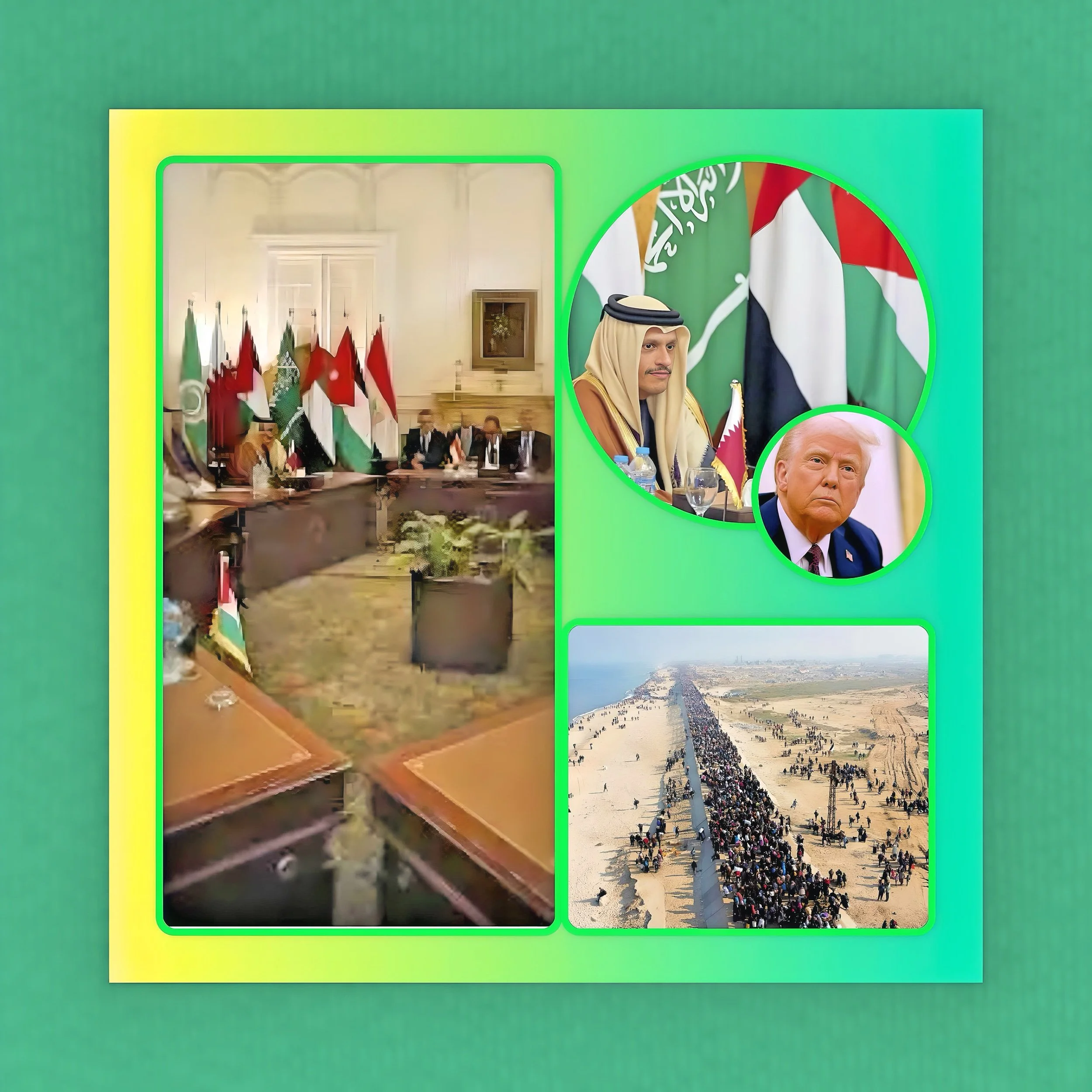
Saudi Foreign Minister Prince Faisal bin Farhan has repeatedly called for lifting sanctions during talks with EU, Arab, and U.S. officials, arguing that restrictions hinder Syria’s recovery. Riyadh hosted a landmark summit in January 2025 with representatives from the EU, Turkey, and Arab states to discuss coordinated sanctions relief.
Engagement with Damascus
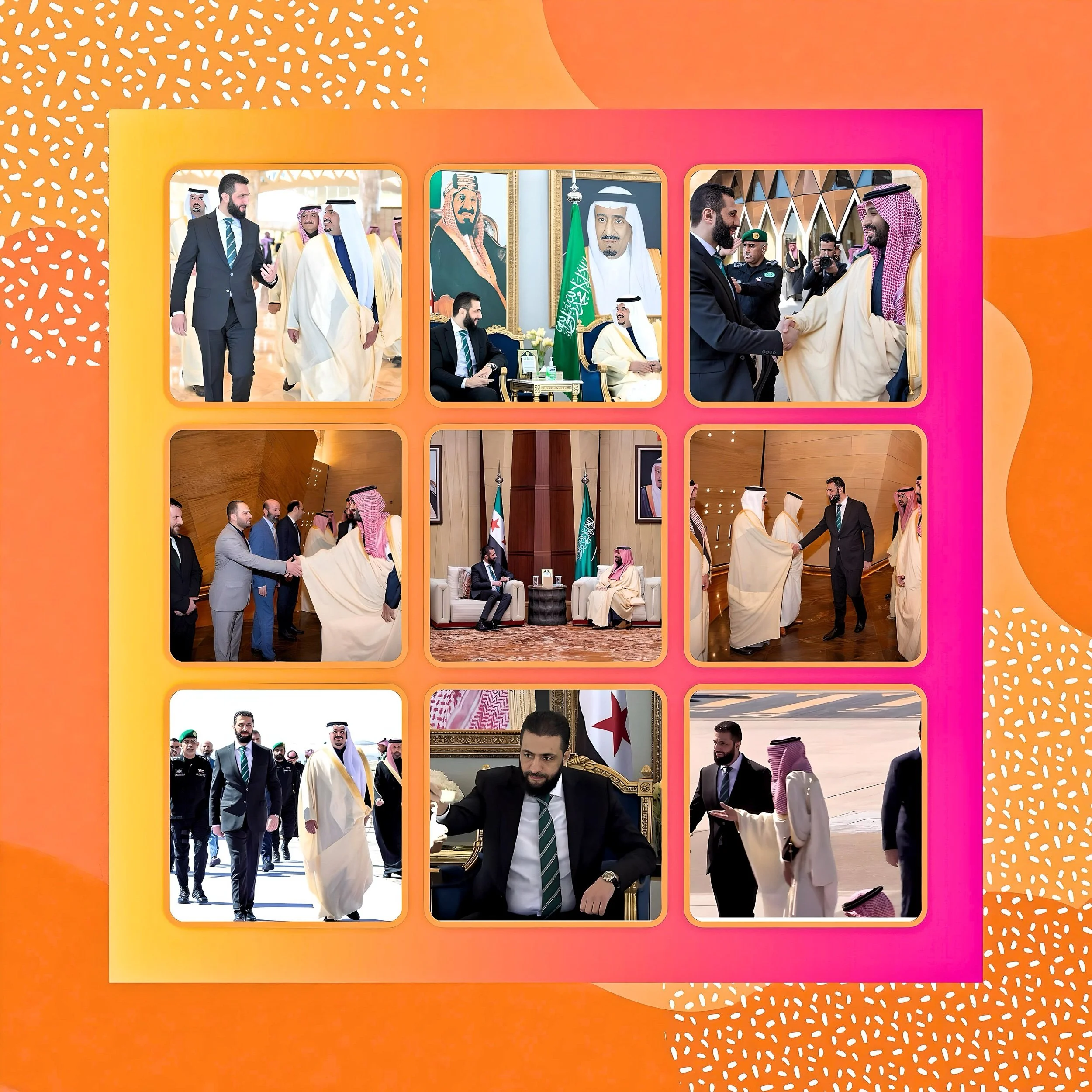
Prince Faisal made his first official visit to Syria’s new administration in January 2025, pledging support for reconstruction and confirming ongoing talks with the U.S. and EU to ease sanctions.
EU coordination
The EU has agreed to temporarily suspend sanctions contingent on Syria’s political progress, with a “fall-back mechanism” to reinstate penalties if reforms stall. Germany and France have advocated targeted relief for humanitarian and economic sectors.
Humanitarian and Economic Support
Immediate aid
Saudi Arabia has sent food, medical supplies, and shelter materials to Syria via land and air routes since December 2024.
Long-term recovery
Riyadh is negotiating infrastructure projects and refugee repatriation programs, aiming to create a “conducive environment” for rebuilding.
Challenges and Conditions
Western reservations
The U.S. and EU insist sanctions on Assad-era officials linked to war crimes remain intact. The U.S. has only partially eased restrictions, allowing humanitarian transactions but maintaining broader sanctions.
Regional dynamics
Saudi Arabia seeks to counter Iranian influence by integrating Syria into the Arab League and promoting Gulf-funded reconstruction. However, Israel’s actions in the Golan Heights remain a point of contention.
Conclusion
Syria’s new government, led by Ahmed al-Sharaa, views sanctions relief as critical to addressing economic collapse and legitimizing its rule. While Saudi efforts have accelerated discussions, full removal of sanctions depends on tangible political reforms and international consensus