Latest update on US-Venezula relationship
Introduction
In a significant diplomatic shift, the Trump administration has rapidly reset U.S.-Venezuela relations through envoy Richard Grenell’s meeting with President Nicolás Maduro, securing the release of six American detainees and a breakthrough on migration deportations. These developments mark a stark reversal from the Biden-era sanctions and non-recognition policy toward Maduro’s government.
Key Developments from the Grenell-Maduro Meeting
Release of American Detainees
Six U.S. citizens imprisoned in Venezuela were freed following Grenell’s visit to Caracas. The detainees, photographed wearing Venezuelan prison uniforms, were accused of terrorism by Maduro’s government but are now returning to the U.S..
Deportation Agreement
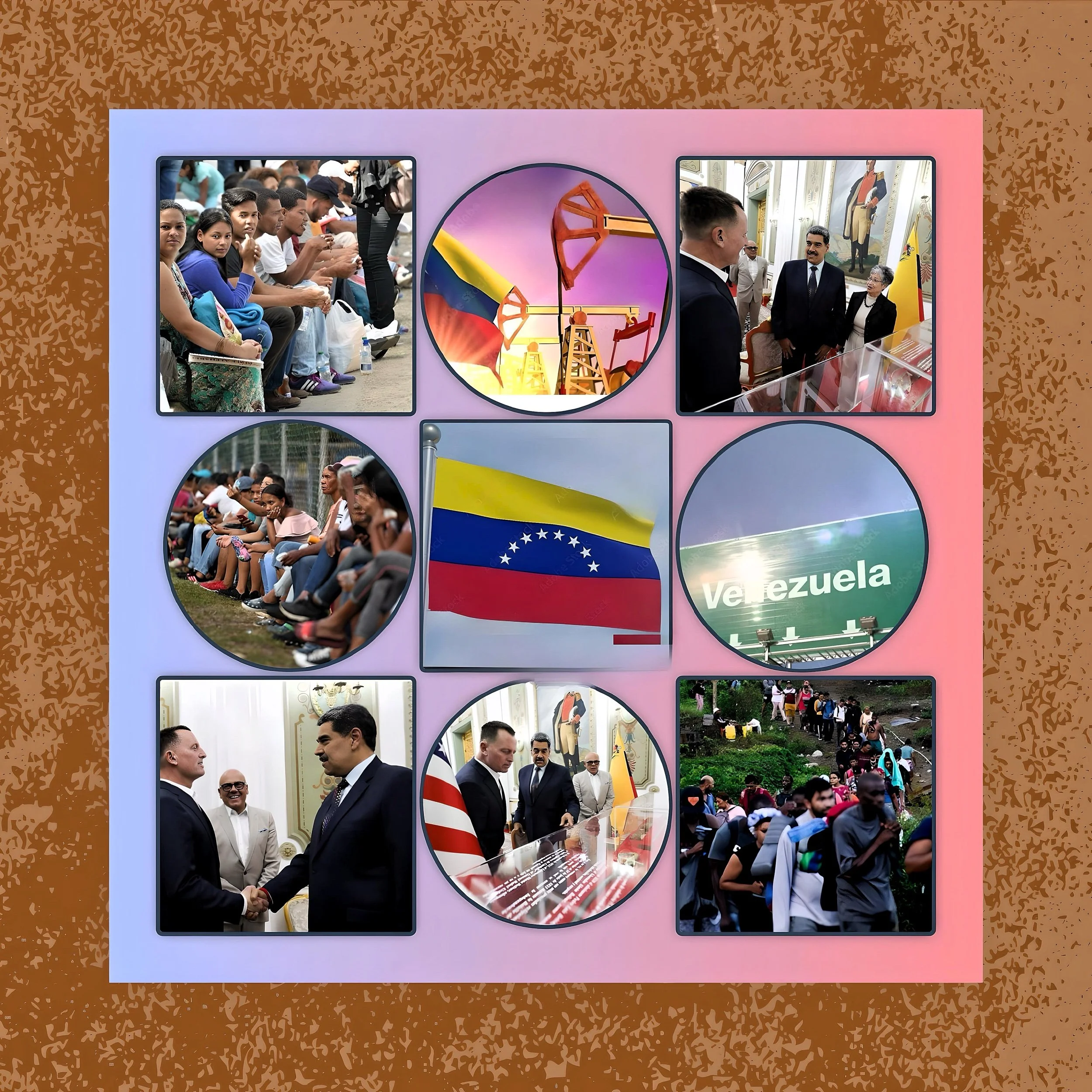
Venezuela agreed to accept deportees from the U.S., including members of the Tren de Aragua criminal gang. This aligns with Trump’s immigration crackdown, which prioritizes mass deportations.
Symbolic Diplomacy
State media broadcast images of Grenell and Maduro meeting at the Miraflores Palace, with Maduro emphasizing a “new beginning” in bilateral relations. The U.S. clarified that this engagement does not constitute formal recognition of Maduro’s disputed presidency.
Context of U.S.-Venezuela Tensions
Sanctions and Recognition
The Biden administration maintained sanctions on Venezuela’s oil sector and refused to recognize Maduro’s 2024 re-election, which the U.S. and EU deemed fraudulent.
Trump’s outreach contrasts with his prior support for opposition leader Edmundo González Urrutia, whom the U.S. still regards as the legitimate president.
Migration Pressures
Over 600,000 Venezuelans in the U.S. face uncertain deportation protections, with Homeland Security signaling plans to reduce these safeguards. Maduro had previously blocked repatriations, complicating U.S. efforts.
Geopolitical Implications
Oil Markets
Venezuela’s oil sector, crippled by U.S. sanctions, remains a focal point. While the Biden administration tightened restrictions in 2024, Trump’s strategy could signal a pragmatic shift, though no sanctions relief has been announced.
Regional Diplomacy
Maduro’s government has severed ties with several Latin American nations over election disputes, deepening Venezuela’s isolation. The Grenell-Maduro meeting raises questions about U.S. alignment with regional allies.
Reactions and Risks
Opposition Criticism
González Urrutia warned against legitimizing Maduro through deportation deals, reflecting divisions within Venezuela’s opposition.
Human Rights Concerns
Advocates criticize Trump’s plan to deport migrants to a country facing severe economic and political crises, with Maduro accused of repression.
Conclusion
This abrupt diplomatic pivot underscores Trump’s transactional approach, leveraging deportations and detainee releases to advance domestic immigration goals while navigating Venezuela’s complex political landscape. The long-term impact on Maduro’s legitimacy and U.S. regional influence remains uncertain.