Benin Coup Attempt: Overview and International Response
Introduction
What Happened
On the early morning of Sunday, December 7, 2025, a group of soldiers in Benin launched an attempted military coup against President Patrice Talon.
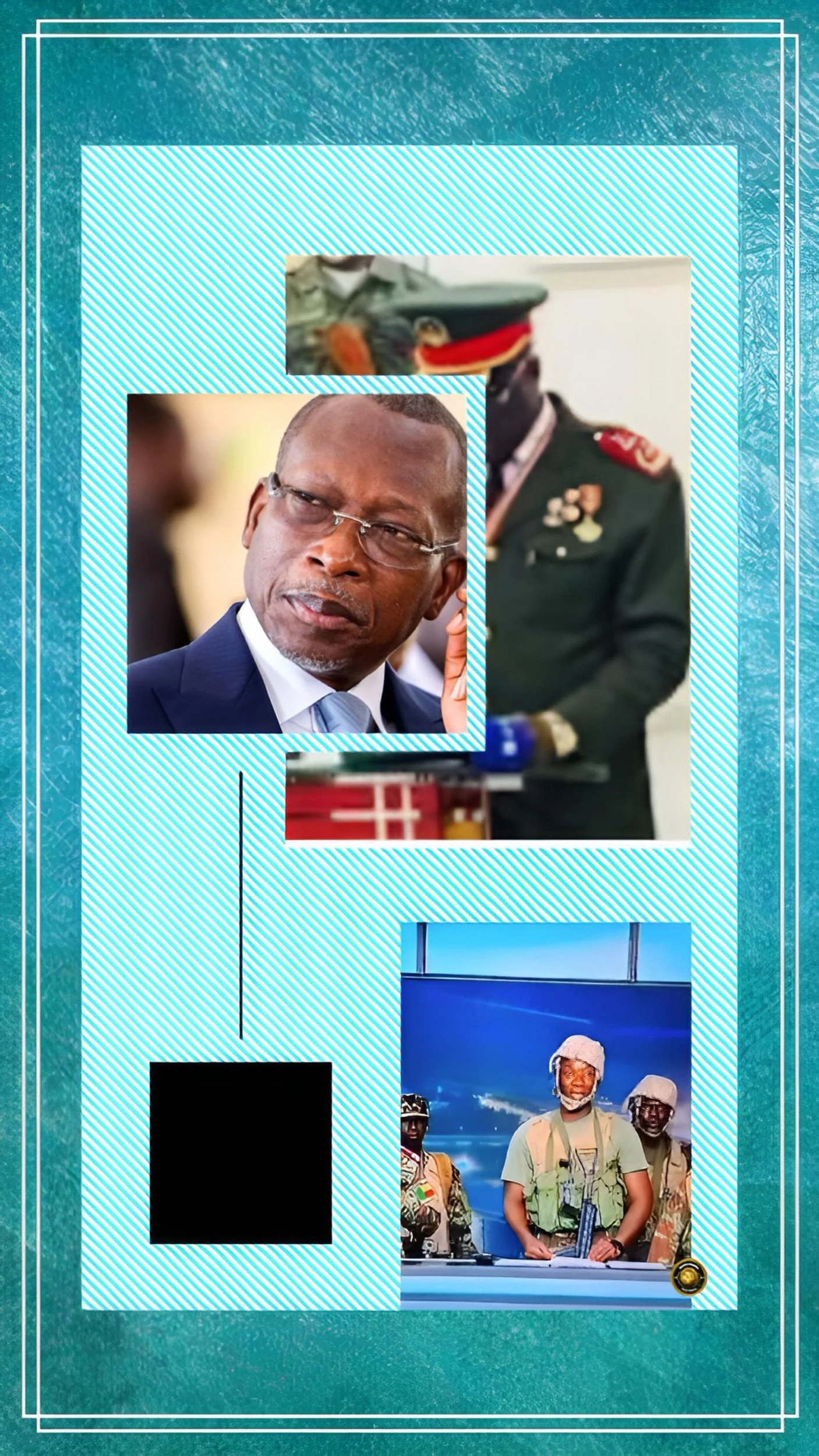
The soldiers, identifying themselves as the Military Committee for Refoundation (Comité Militaire pour la Refondation, CMR) and led by Lieutenant-Colonel Pascal Tigri, seized control of the state broadcaster and announced on television that President Talon had been “removed from office.”
The group declared the dissolution of all state institutions, suspended the constitution, closed land and maritime borders, and suspended all political parties.
However, the coup attempt was swiftly repelled.
According to Benin’s Interior Minister Alassane Seidou, loyal armed forces and the national guard maintained control and successfully thwarted the attempt within hours.
Around a dozen soldiers were reportedly arrested following the failed takeover. President Talon was confirmed safe, with his office later revealing he was at the French embassy.
What Led to the Coup
Several interconnected factors appear to have motivated the coup attempt:
Political Tension and Opposition Suppression
President Talon, who has governed since 2016, has been widely accused of authoritarianism and suppression of political opposition.
The main opposition party has been barred from competing in upcoming elections, and numerous opposition figures—including former President Boni Yayi—have been imprisoned.
Talon is set to leave office in April 2026 following the constitutional limit of two terms, and his finance minister has been designated as the preferred successor, eliminating genuine political competition.
Security Crisis and Military Neglect
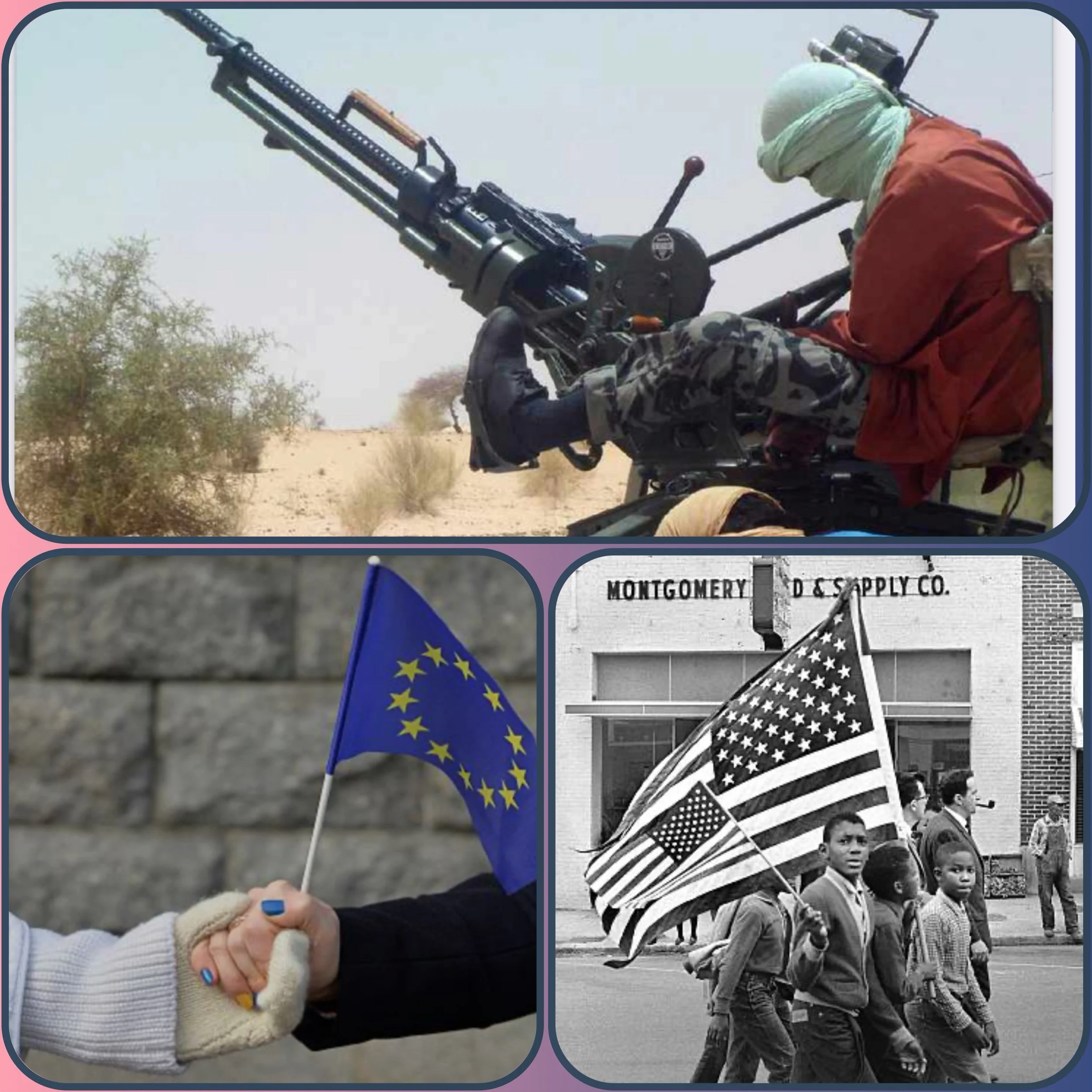
Northern Benin faces an escalating jihadist threat, with groups linked to al-Qaeda and the Islamic State expanding operations into the region.
Benin has witnessed significant casualties and military losses to terrorist groups in recent months.
In a particularly severe attack, the al-Qaeda-linked JNIM Katiba Hanifa claimed responsibility for killing over 70 soldiers in raids on two military posts in northern Benin—the deadliest attack in the country in over a decade. Soldiers cited the government’s inadequate management of these security challenges and the perceived neglect of fallen troops as justifications for their actions.
Broader Regional Pattern
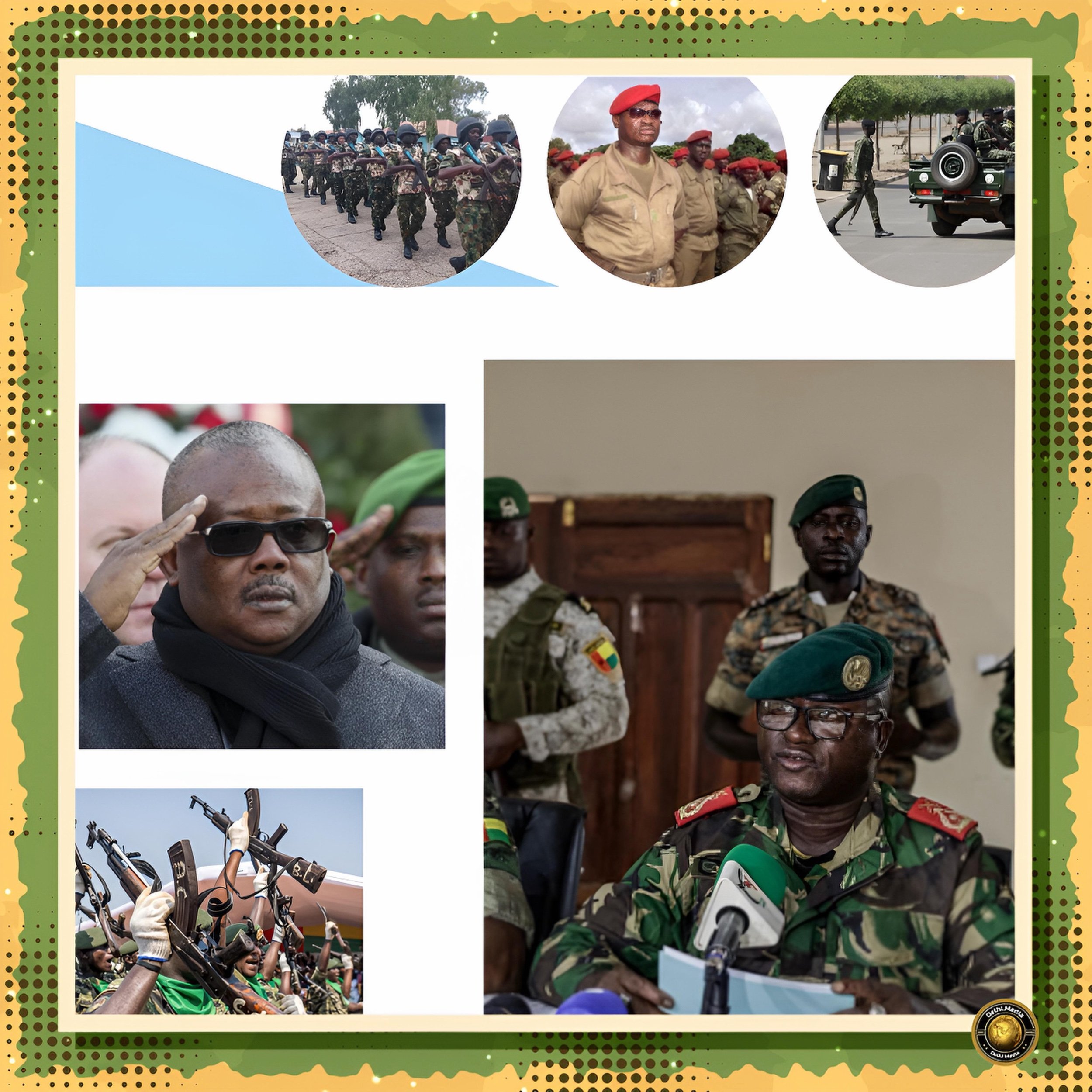
Benin is not an isolated case. The West African region has experienced a wave of military coups, including successful takeovers in Mali, Burkina Faso, Niger, and Guinea-Bissau, as well as an attempted coup in Guinea-Bissau last month.
A prominent ECOWAS official noted that the coup attempt in Benin “does not come as a surprise to anyone,” attributing the regional instability to leaders who “mismanage democracy to sustain themselves in power.”
International Reaction
The international community rapidly condemned the coup attempt and reaffirmed support for constitutional order:
Regional and Continental Organizations
ECOWAS (Economic Community of West African States) strongly condemned what it called an “unconstitutional move that represents a subversion of the will of the people of Benin,” pledging support to safeguard the country’s constitutional system and territorial integrity.
The African Union issued an unequivocal condemnation, reiterating its “zero tolerance stance toward any unconstitutional change of government, regardless of context or justification.”
West African Powers
Nigeria condemned the coup attempt “in the strongest possible terms,” calling it “a direct assault on democracy, constitutional order, and the collective will of the Beninese people.”
Nigeria commended the swift action of Beninese security forces and pledged continued cooperation, while reportedly signaling readiness to intervene militarily and even scrambling jets as a deterrent.
Western Powers
The French Embassy reported gunfire near the presidential residence and urged citizens to remain indoors for safety.
The U.S. Embassy monitored reports of gunfire and urged American citizens to stay away from Cotonou, particularly the presidential compound area, and to avoid crowds.
Russian Reaction
Pro-Russian social media accounts reportedly hailed news of the coup attempt, reflecting Moscow’s broader alignment with military movements in the Sahel region.
Conclusion
The failed coup attempt highlights the vulnerability of West African democracies amid economic hardship, security crises, and elite political manipulation.
Analysts note that while the immediate coup was foiled, the incident exposes deepening instability in Benin and underscores the broader pattern affecting the region, where approximately three-quarters of all global coup attempts since 2020 have occurred in West Africa or the Sahel.