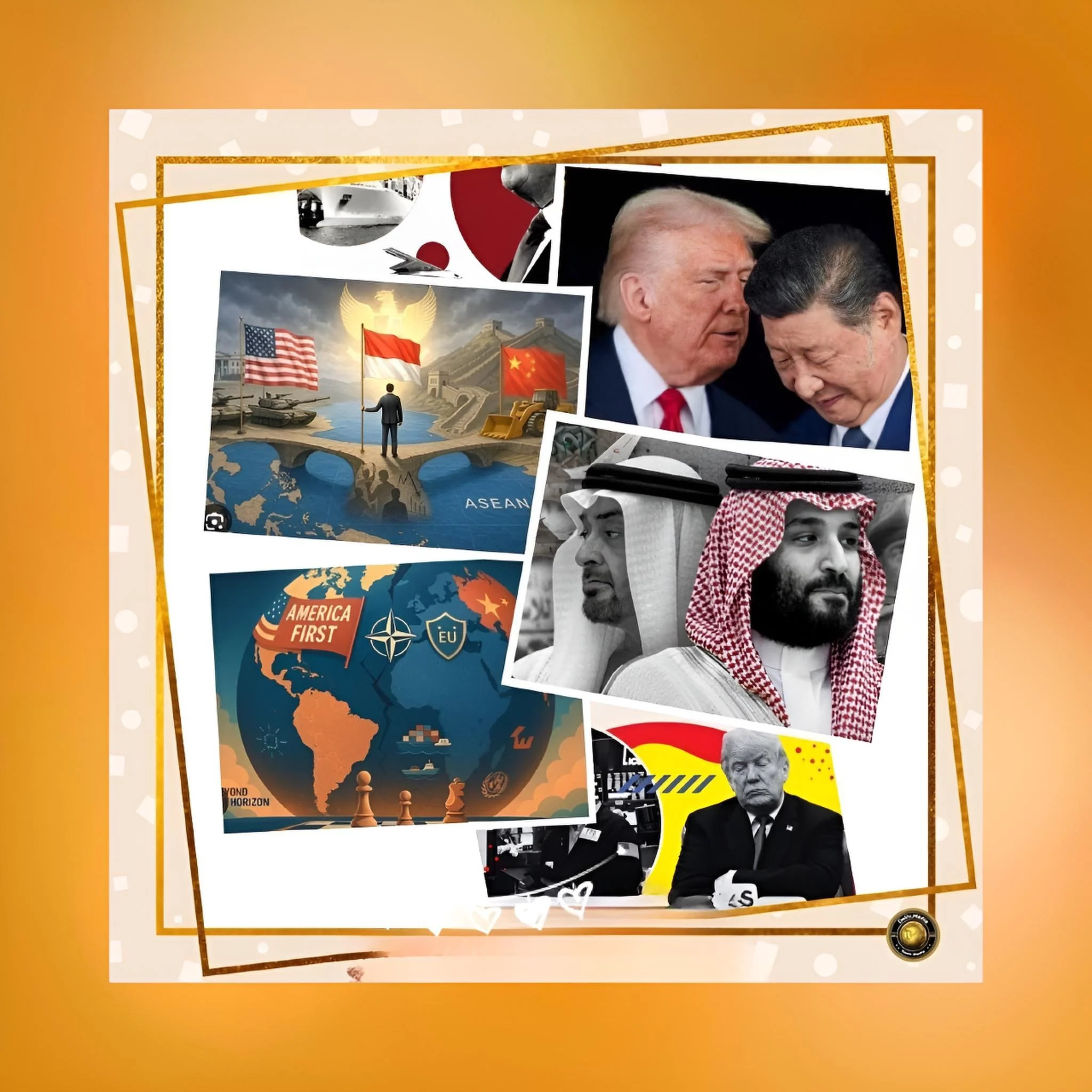
Geopolitics 2025: The Year of Great Power Hedging and Contested Regional Orders
Executive Summary
The geopolitical landscape of 2025 has crystallized into a multipolar competition characterized not by ideological confrontation but by fundamental disagreement over the architecture of international order itself.
The United States, under a markedly transactional foreign policy approach, has shifted toward selective commitments prioritizing bilateral advantage over multilateral alliance maintenance, creating unprecedented uncertainty regarding American reliability as security guarantor.
China has consolidated its position as the second pole of genuine great power capability while expanding its military presence and asserting regional dominance in the Indo-Pacific through both conventional military buildup and implicit integration into alternative trade architectures.
Russia, economically constrained by sanctions but ideologically energized, has deepened its alignment with Iran and North Korea while maintaining grinding tactical advantage in Ukraine through attrition warfare that exhausts Western commitment faster than Russian capacity.
The Middle East has fragmented into competing regional powers—Israel asserting hegemonic ambitions without securing legitimacy, Iran weakened but operationally resilient, Turkey pursuing neo-Ottoman positioning in Syria, and Saudi Arabia calibrating alignment according to shifting power distributions.
The European security order, anchored in NATO, confronts the gravest structural challenge since the Cold War’s conclusion, as Russian military modernization proceeds toward projected capability to threaten Baltic states by 2027-2028 while American commitment to collective defense faces erosion through presidential transactionalism.
Rather than unilateral hegemony, containable rival powers, or negotiated spheres of influence, 2025 reveals a world where multiple powers compete simultaneously for regional dominance while hedge their great power commitments, creating compounding instability with proliferating scenarios for unintended escalation.
The American Reorientation: Transactionalism Replaces Commitment
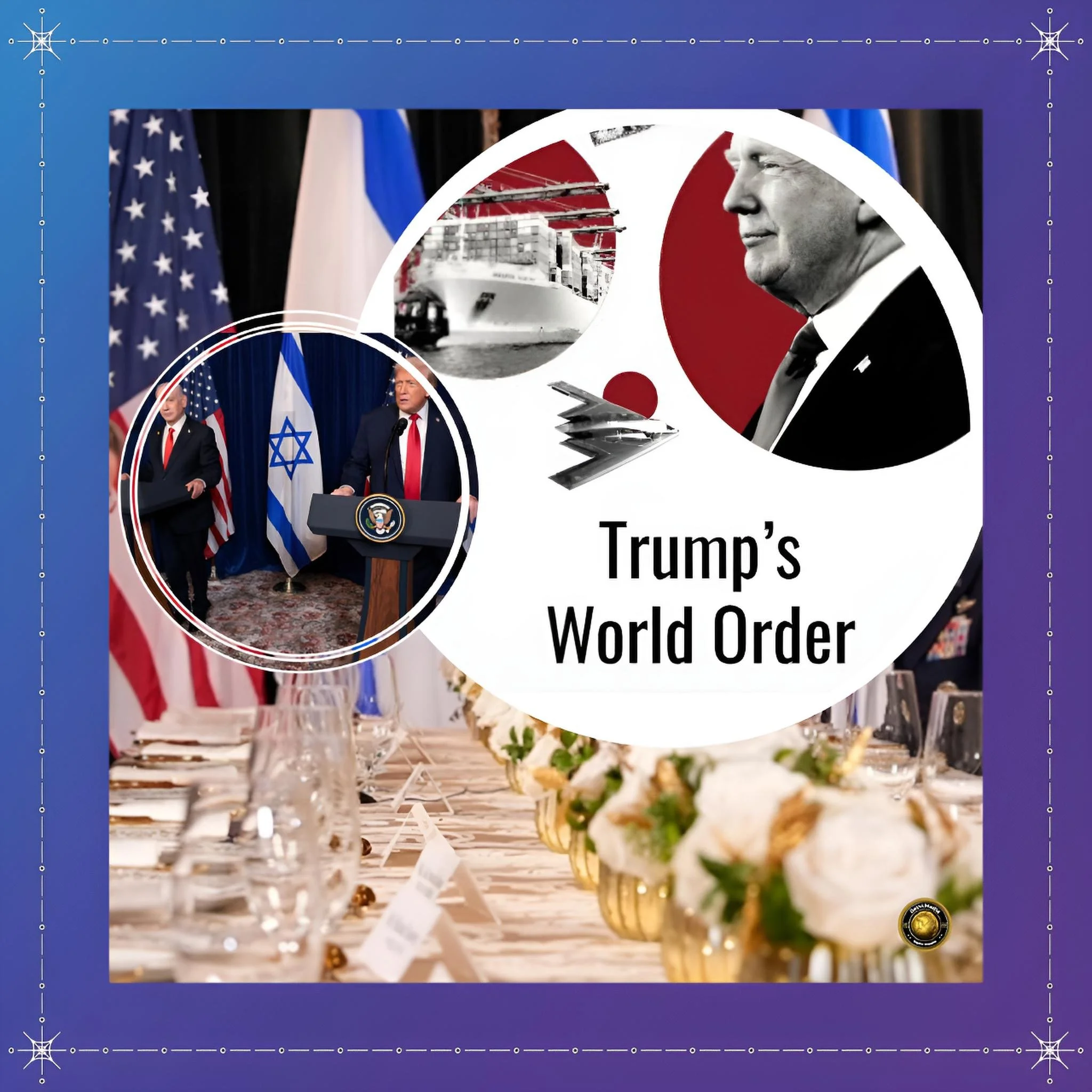
The return of Donald Trump to the American presidency in January 2025 has fundamentally altered the premises upon which post-Cold War security architecture rested. Rather than the liberal internationalism that characterized much of the post-9/11 era or even the rebalance-to-Asia strategic competition framing of the 2010s, Trump’s foreign policy approach emphasizes transactional bilateral arrangements where American security commitments depend explicitly on financial reciprocation or strategic advantage extraction. This reorientation has generated profound anxiety among American traditional allies while signaling to adversaries that American reliability can no longer be assumed.
The Ukraine conflict exemplifies this shift most starkly. Where the Biden administration committed over $100 billion in military assistance and diplomatic resources to Ukrainian defense, the Trump administration has pursued aggressive negotiation toward ceasefire on terms that would concede de facto Russian control over significant Ukrainian territory. In late December 2025, Trump offered Ukraine a 15-year security guarantee while simultaneously indicating willingness to accept Russian territorial gains—a combination that fundamentally undermines the principle that conquest through military force violates international law. Ukrainian President Zelenskyy has responded by requesting extension to 30 or 50-year guarantees, recognizing that American commitment constitutes the only credible constraint on Russian expansion. The American position, however, treats Ukraine as negotiating partner rather than ally whose survival interests merit unconditional support.
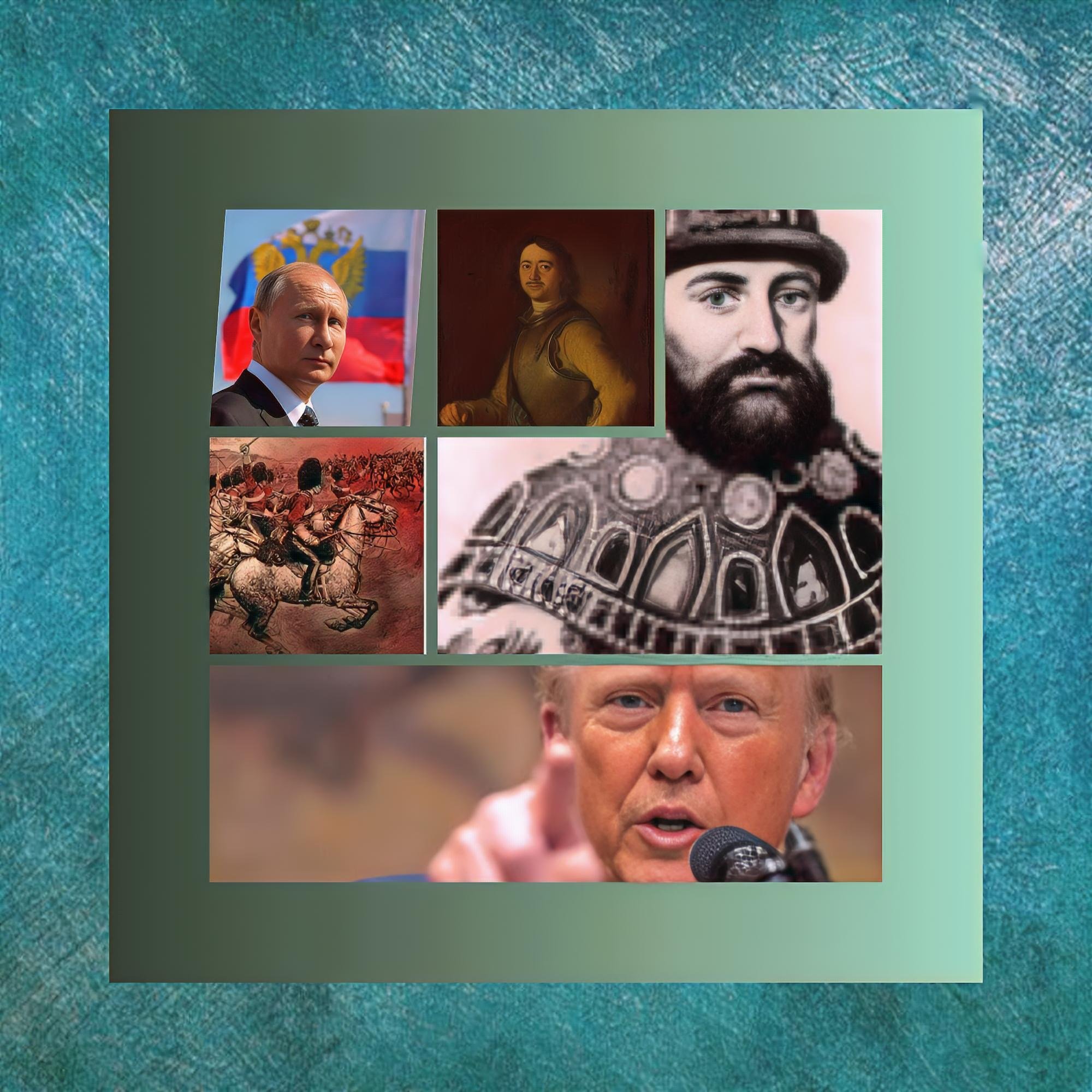
This transactional reorientation extends beyond Ukraine to the entire European security architecture. NATO Secretary General Mark Rutte has warned that Russia may possess capability to attack NATO allies within a five-year window (2027-2029), yet American commitment to Article 5 mutual defense lacks the previous certainty. Trump has explicitly questioned whether the United States should defend Baltic states if Russia attacks them, a rhetorical position that fundamentally undermines NATO’s deterrent foundation. German intelligence assessments indicate Moscow is “keeping the option of war against NATO open by 2029,” suggesting Russian military modernization targets NATO-capable forces rather than merely Ukrainian theater capabilities.
The consensus among Baltic nations positions 2027-2028 as potentially critical windows for Russian military action, timing that aligns precisely with Trump’s indicated willingness to distance American forces from European commitments.
The transactional approach extends to trade and economic policy, where the Trump administration has announced comprehensive tariff regimes targeting China, threatening retaliatory measures against traditional allies including Canada and Mexico, and indicating that trade compliance should determine security commitments. This approach subordinates alliance maintenance to economic advantage extraction, creating perverse incentives where countries face pressure to accept disadvantageous trade terms to maintain American security commitments. The KPMG geopolitical assessment explicitly warns that “US transactional approach could weaken NATO and embolden Putin,” a concern corroborated by intelligence assessments from multiple NATO members.
The China Factor: Military Modernization and Implicit Integration
China has emerged from 2025 in an ascendant position relative to American trajectory, consolidating technological advances, expanding military capability, and deepening integration into alternative economic architectures. The People’s Republic has undertaken the largest peacetime military modernization since 1949, with explicit focus on capabilities threatening Taiwan and the Indo-Pacific. Chinese naval deployments in the South China Sea have reached unprecedented scales, with Beijing in December 2025 deploying its largest vessel formations in recent years amid Taiwan Strait tensions.
The Chinese military buildup proceeds without the explicit confrontation that characterized the American “pivot to Asia” rhetoric. Instead, China operates through implicit integration into regional supply chains, Belt and Road infrastructure initiatives that create economic dependencies, and quiet military modernization that generates capabilities without generating the political resistance that explicit military competition would trigger. The Chinese approach recognizes that direct confrontation with American military power remains disadvantageous, but that slow accumulation of regional dominance through economic gravity and military threshold crossing presents unavoidable fait accompli to American policymakers.
Taiwan remains the central flashpoint, but China’s military modernization extends beyond Taiwan scenarios to encompassing capabilities against American forces throughout the Indo-Pacific. The construction of carrier-grade vessels, advanced missile systems, and cyber-warfare capabilities proceeding faster than American force modernization permits Chinese strategists to conceive scenarios where military advantage accrues gradually to Beijing. Western analysis increasingly acknowledges that China’s military trajectory already prevents American unilateral intervention in Taiwan conflict scenarios, fundamentally altering the security calculus from the assumptions that undergirded the previous 40 years of American strategy.
Critically, China benefits from American internal divisions regarding Pacific commitment. The Trump administration’s emphasis on reducing overseas military commitments and prioritizing bilateral trade advantage over alliance maintenance creates space for Chinese expansion. American tariff policies that target Chinese goods while alienating traditional allies simultaneously degrade the multilateral coalition necessary for effective China containment. The absence of unified Western approach to China competition enables Beijing to manage relationships individually rather than confronting consolidated American-led coalition.
China’s role in the Ukraine conflict, while officially neutral, tilts implicitly toward Russia through continued resource flows and diplomatic support that constrains Western leverage. Chinese abstention from UN votes condemning Russian aggression, combined with Chinese economic engagement with Russia providing sanctions relief, positions Beijing as beneficiary of Russian weakness without bearing costs of Russian confrontation. This positioning enables China to concentrate on Indo-Pacific competition while Russia absorbs Western military attention.
Russia’s Grinding Advantage: Sanctions, Substitution, and Deepening Eastward Alignment
Russia enters 2025 weakened by sanctions, constrained by military losses, and yet operationally advancing in Ukraine through sheer attrition advantage. The Russian strategy has shifted from territorial conquest to grinding warfare of material depletion, where Russia’s willingness to sustain losses exceeds Ukrainian capacity to replenish casualties. Russian military production, through sanctions substitution and import replacement, has increased rather than collapsed, suggesting that Western sanctions architecture lacks sufficient closure to prevent Russian weapons production. Russian artillery fires at rates that devastate Ukrainian defensive positions while Ukrainian artillery, dependent on Western ammunition flows, faces increasingly constrained supply as alliance fatigue erodes commitment to sustained assistance.
Critically, Russia has deepened alignment with Iran and North Korea in ways that create alternative supply chains circumventing sanctions. North Korean military contingents fighting alongside Russian forces in Ukraine represent physical manifestation of this deepening axis. North Korean ammunition transfers to Russia, reported by multiple intelligence services, indicate that sanctions cannot isolate Russia from weapons supplies. Iranian drone and missile technology integration into Russian military operations further expands available arsenal.
The implicit “no limits” partnership between Russia, China, Iran, and North Korea creates a competing bloc capable of sustaining extended great power competition against Western coalition.
Russian military objectives have shifted from territorial conquest toward wearing down Ukrainian resistance and Western commitment simultaneously. The strategy recognizes that Ukrainian military capacity, however courageous, cannot indefinitely sustain casualties without external support, and that Western support faces declining political sustainability as costs compound and alternative priorities emerge.
Estonian intelligence reports that Russia has begun winding down provocations against NATO to avoid escalation while maintaining grinding advantage in Ukraine, a calculation that suggests Russian strategists expect eventual Western commitment exhaustion.
For the medium term, Russian strategy targets the 2027-2028 window as optimal for potential NATO testing, when Russian military modernization reaches anticipated capabilities. NATO Secretary General Rutte explicitly warned that Russia could employ military force against NATO within this timeframe.
The German intelligence assessment that Russia is “keeping the option of war against NATO open by 2029” reflects understanding that Russian modernization trajectory extends beyond Ukraine to encompassing NATO-capable forces. This structural timeline—where Russian capabilities improve while American commitment wavers—creates asymmetric incentive structure favoring Russian adventurism over Western deterrence.
The Middle East: Hegemonic Ambition Without Legitimacy
The Middle East in 2025 reflects a region where multiple powers pursue hegemonic objectives without achieving legitimacy or stable equilibrium. Israel, following the conclusion of major Gaza operations and relative stabilization in its conflict with Hamas, has positioned itself as emergent regional hegemon. Yet Israeli military dominance coexists with profound regional resistance to Israeli legitimacy. The attack on Qatar in September 2025, and the subsequent response from Gulf monarchies viewing Israel as threatening rather than protective, revealed the fragility of Israeli hegemonic positioning.
Israel’s expanding military operations in Lebanon and particularly Syria reveal patterns of occupation and permanent military presence rather than temporary intervention. Israeli forces conduct over 100 monthly operations in southern Syria, with operations expanding across Druze regions and areas nominally under new Syrian government authority. Yet Israeli actions simultaneously undermine state consolidation that Turkey prioritizes as essential to preventing Kurdish autonomy and Iranian network entrenchment in Syria. The resulting competition between Israeli and Turkish interests in Syria creates situations where multiple powers pursue incompatible objectives—Israeli fragmentation of state capacity versus Turkish state consolidation.
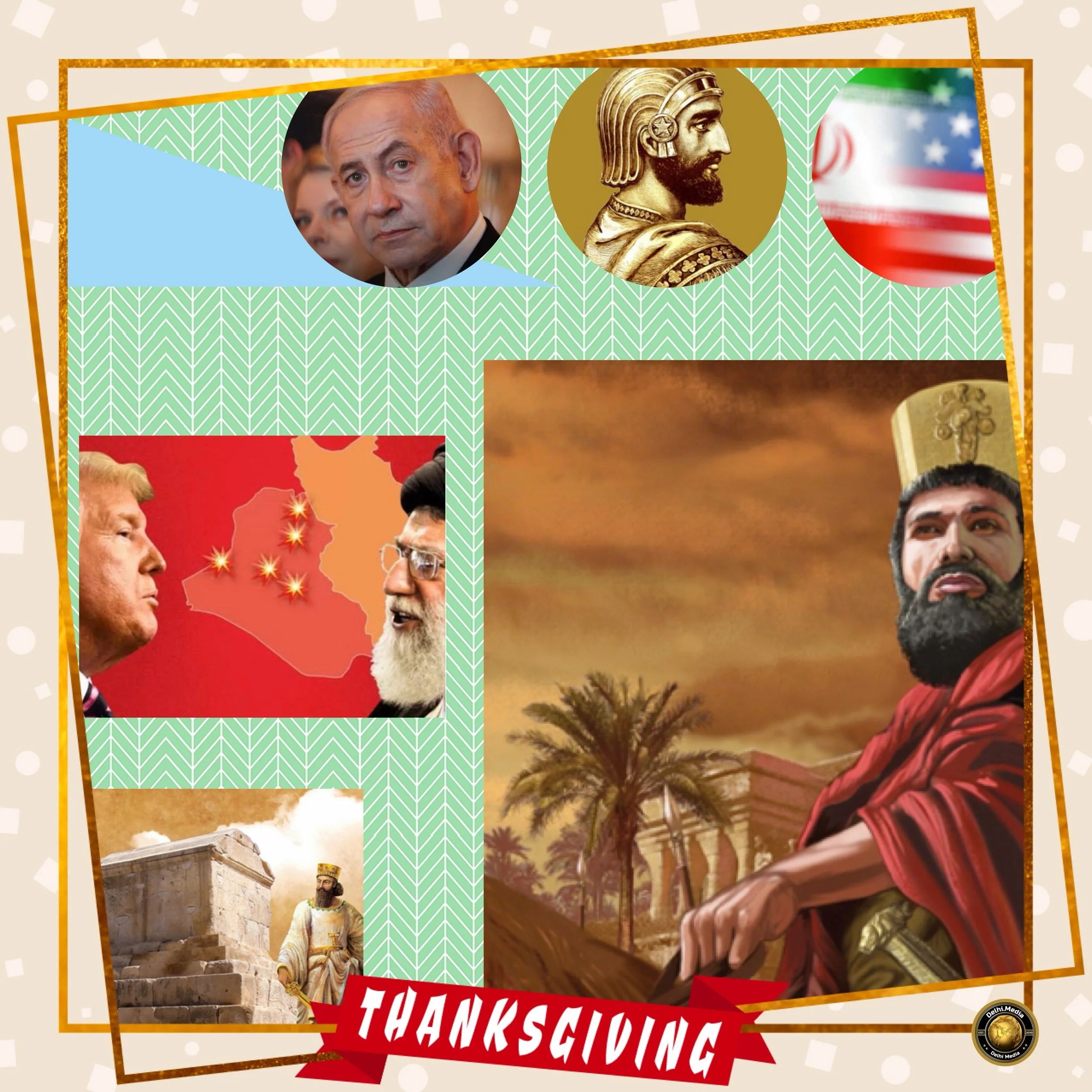
Iran, weakened by Israeli strikes against nuclear and military infrastructure, remains operationally resilient through proxies and implicit partnerships. The IRGC maintains capability for regional destabilization despite degradation of direct-action capacity. Iranian alignment with Russia deepens as both face American pressure, creating Middle Eastern partnership that complements the broader anti-Western coalition forming across Eurasia. However, Iranian vulnerability to Israeli military superiority constrains Iranian capacity for major military actions without risking systemic state damage.
Turkey has emerged as distinct power center pursuing neo-Ottoman positioning through military operations in Syria and strategic hedging with both Western and non-Western powers. Turkish security interests in Syria conflict directly with Israeli fragmentation strategies and with American support for Kurdish forces against ISIS. Turkish drone technology and military sophistication make Ankara a power that even much larger states must accommodate.
Saudi Arabia continues calibrating alignment according to shifting power distributions, maintaining American security relationship while hedging through participation in BRICS and economic diversification away from oil dependence. The Houthi threat from Yemen constrains Saudi freedom of action while the UAE pursues more ambitious regional positioning through proxy forces. The coherence of the “Abraham Accords” framework linking Israel with Gulf monarchies has eroded as Israel’s hegemonic ambitions collide with regional stability interests.
The Ukraine Stalemate: Ceasefire Without Settlement
As 2025 concludes, the Ukraine conflict has evolved into grinding stalemate where Russian military advantage accrues through attrition while Western commitment faces erosion. Trump’s initiatives toward ceasefire terms that would formalize Russian territorial gains represent the most significant shift in American Ukraine policy since 2022. The proposed security guarantee framework—15 years of American security commitment rather than the indefinite protection Ukraine seeks—signals American calculation that Ukraine cannot achieve complete territorial restoration and must accept pragmatic settlement terms.
The ceasefire scenarios being negotiated would likely produce de facto Russian control over substantial Ukrainian territory while terminating major military operations. However, intelligence assessments caution that such arrangements would prove fragile, with both Russian and Ukrainian forces incentivized to escalate early in potential negotiations to maximize territorial gains before ceasefire implementation. The analysis suggests Russia might view ceasefire as consolidation point rather than settlement, creating conditions for renewed conflict once Russian military capabilities recover and American commitment faces further erosion.
The particular danger lies in ceasefire producing persistent instability without resolution. Frozen conflicts characterized by periodic violence and low-intensity attrition create chronic insecurity for affected populations while maintaining justification for large military deployments. The precedent of previous frozen conflicts—Georgia, Moldova, Cyprus—suggests that formal ceasefire agreements without ultimate political settlement tend toward long-term militarization rather than peace.
The Baltic Vulnerability Window: 2027-2028 and NATO Deterrence
The convergence of Russian military modernization trajectories, American commitment wavering, and European defense readiness gaps creates a particularly dangerous window in 2027-2028. Intelligence assessments from Baltic states, NATO command, and German intelligence services identify this timeframe as period when Russian military capabilities might enable NATO-threatening operations. The strategic calculation suggests Russian leadership might perceive this window as opportunity to test NATO commitment before American military superiority further deteriorates relative to Russian forces.
The specific concern centers on Estonia, Latvia, and Lithuania, where Russian military operations could theoretically overrun NATO territory before Article 5 activation produces meaningful American response. Current NATO deployments in Eastern Europe—while substantially increased from pre-2022 levels—remain insufficient according to expert analysis. The USI assessment explicitly warns that “governments are not taking the necessary actions to actualize” contingency plans, suggesting that NATO deterrence architecture exists on paper without corresponding resource mobilization.
The compounding danger lies in American commitment ambiguity combining with Russian opportunity window. If Putin perceives American willingness to accept losses or limited NATO response to Russian operations, Russian incentive to test this calculation increases dramatically. The psychological element—whether NATO cohesion survives Soviet attack test—constitutes as significant a factor as military balance.
Cause-and-Effect Analysis: Transactionalism Cascades
The 2025 geopolitical configuration results from interaction of specific causal factors whose concatenation produced current instability.
The primary cause consists of American strategic withdrawal from commitments underpinning post-Cold War order, not through deliberate strategic choice but through presidential election outcome producing administration fundamentally skeptical of multilateral alliance maintenance.
The second cause emanates from Chinese strategic patience and military modernization, which proceeded without generating sufficient Western counter-response to prevent crossing thresholds of military parity in specific regions. American internal divisions regarding China policy enabled Beijing to manage bilateral relationships rather than confronting unified Western coalition.
The third cause involves Russian recognition that military advantage in Ukraine accrues through grinding attrition, enabling Moscow to maintain offensive advantage while actual territorial conquest slows. This calculation rewards Russian persistence while punishing Western alliance cohesion fatigue.
The fourth cause includes proliferation of regional powers (Turkey, Iran, Saudi Arabia, Israel) pursuing independent courses without overarching hegemonic structure capable of enforcing stability. American withdrawal from regional mediation role left vacuum that regional powers fill through competing ambitions.
The final cause operates through global economic fragmentation, where tariffs, sanctions, and decoupling initiatives create competing economic blocs insulated from mutual interdependence. Previous hope that economic integration would prevent conflict erodes as powers pursue strategic autonomy through import substitution and sanctions circumvention.
Conclusion
Hedged Hegemony and Compounding Risks
The geopolitical order of 2025 reflects transition state rather than stable equilibrium. The American unipolarity that characterized the 1990s and 2000s has conclusively ended, replaced by multipolar competition without established rules of engagement or agreed spheres of influence. The European security order, anchored in NATO, confronts its gravest challenge since Cold War conclusion as American commitment wavers precisely when Russian capabilities improve.
The Middle East fragments into competing regional powers pursuing hegemonic objectives without legitimacy or interest in regional stability. Asia experiences intensifying US-China competition without mechanisms for preventing escalation.
This multipolar world is not the ordered concert of powers that nineteenth-century diplomacy imagined, nor is it the rule-based liberal international order that post-Cold War architects envisioned. Rather, it is a world where major powers hedge commitments, pursue bilateral advantage, and maintain options for escalation while avoiding direct confrontation. This hedging creates compounding instability because it denies clear deterrence signals while enabling miscalculation regarding adversary resolve.
The year ahead will test whether ceasefire holds in Ukraine, whether NATO deterrence prevents Russian military testing of Baltic commitments, whether Taiwan avoids military confrontation, and whether the Middle East contains Israeli expansion and Iranian response. Success in all four dimensions appears increasingly unlikely; probability of major crisis in at least one theater approaches high probability.
The geopolitical system of 2025 has entered domain where unintended escalation becomes increasingly probable rather than merely possible, where system stability depends on accident avoidance rather than structural equilibrium, and where great power powers compete without mechanisms for preventing catastrophic miscalculation.
This is not sustainable equilibrium but rather transitional instability with multiple pathways toward major conflict.