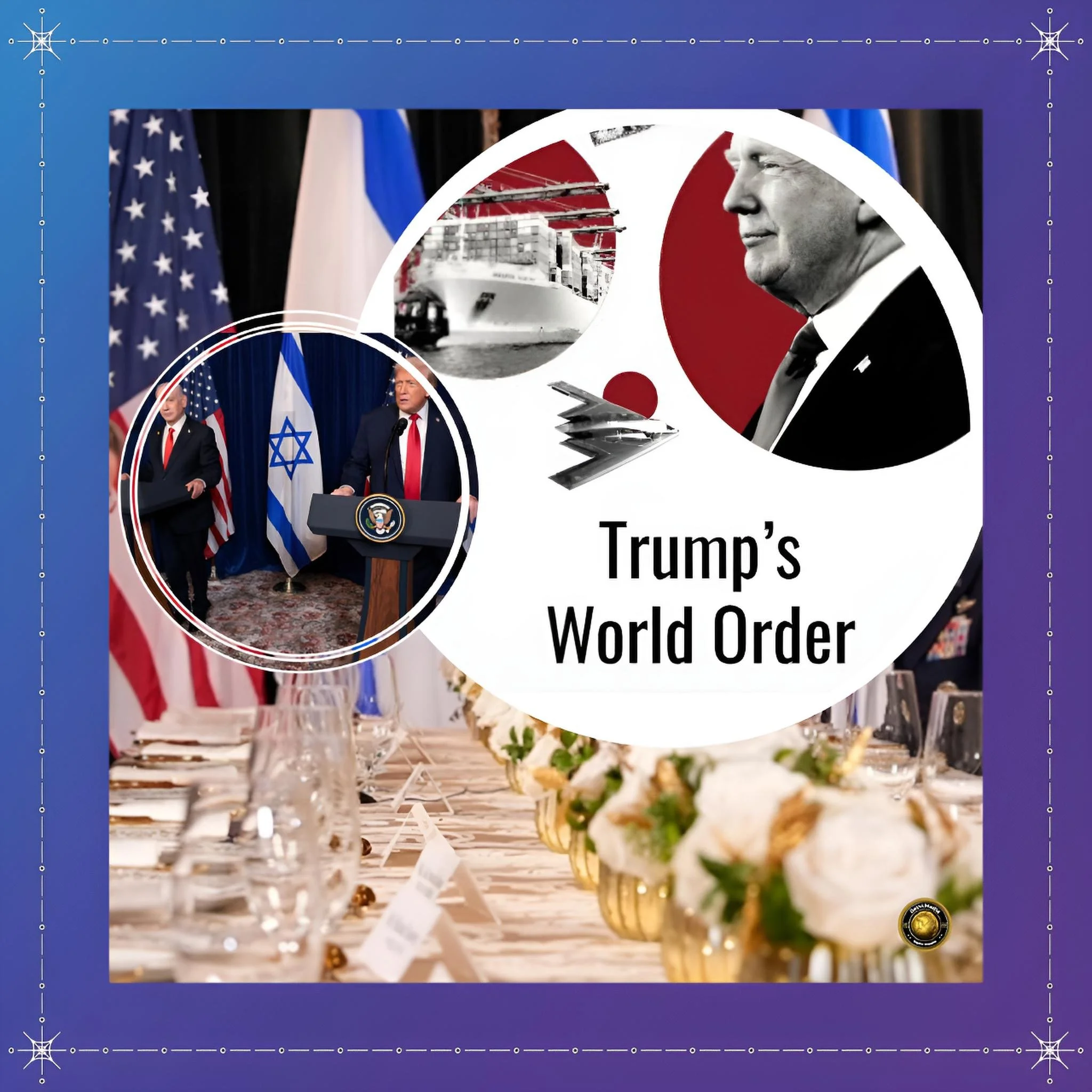
Iran Strike Looms as Trump, Netanyahu Issue Do-or-Die Gaza Ultimatum
Executive Summary
The summit between President Donald Trump and Prime Minister Benjamin Netanyahu unfolded as a masterclass in diplomatic theater, where mutual flattery masked the precarious geopolitics of Gaza, Syria, and Iran.
Trump issued stark ultimatums to Hamas demanding disarmament and to Iran threatening devastating strikes, while Netanyahu secured accolades that bolster his domestic standing ahead of elections.
No breakthroughs materialized on Gaza’s second ceasefire phase—encompassing technocratic governance and international forces—despite Trump’s insistence on rapid progress.
Divergences over West Bank annexation simmered beneath the surface, as did Israel’s Syrian encroachments complicating nascent ties with Damascus.
This encounter underscores a high-stakes pivot: Trump’s aggressive posture risks reigniting conflicts, yet it propels a vision of Israeli dominance in a post-Assad Middle East, with global repercussions looming large.
Introduction
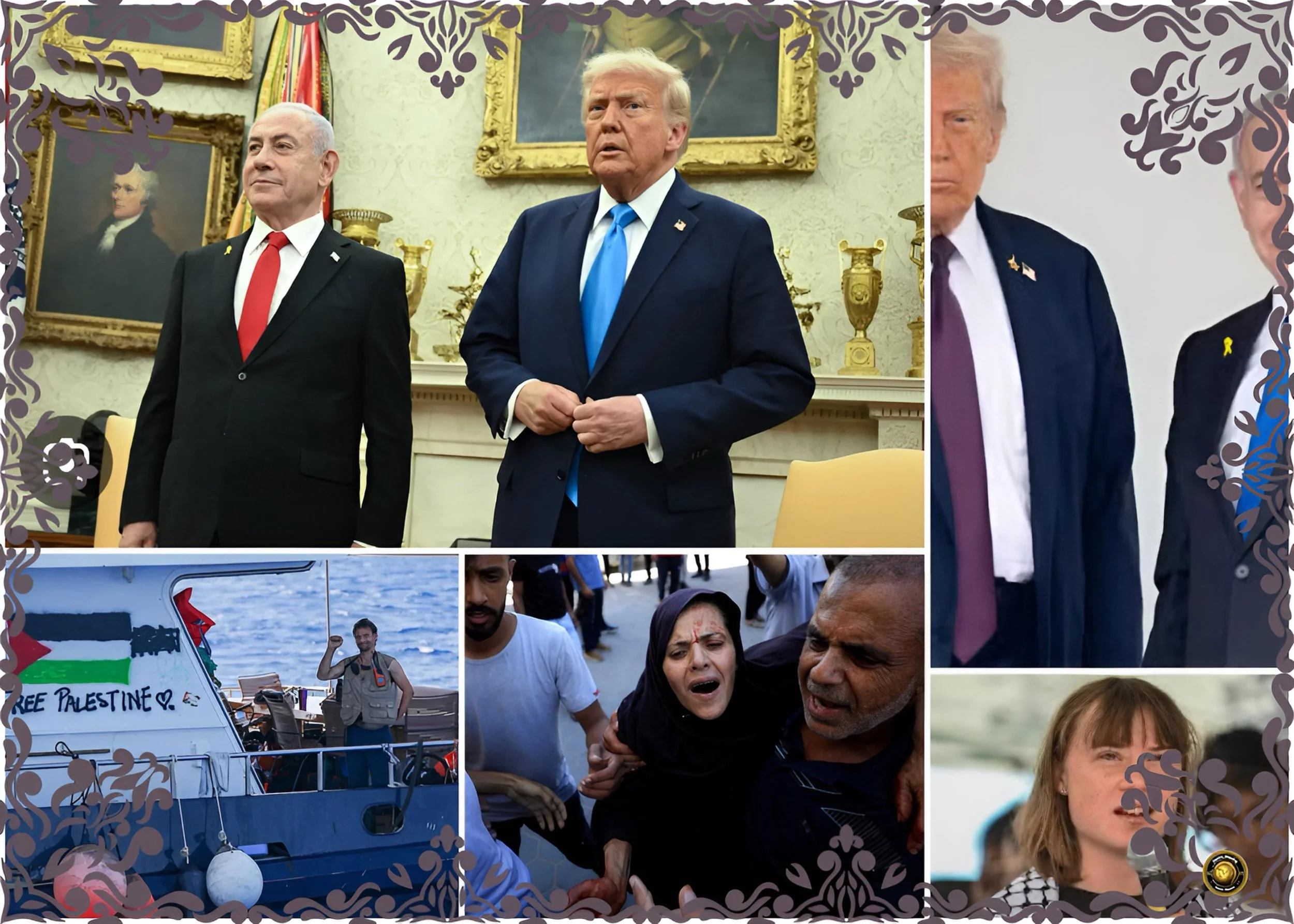
Trump and Israeli Prime Minister Benjamin Netanyahu convened at Mar-a-Lago on December 29, 2025, reinforcing their alliance amid escalating Middle East tensions.
Their discussions spotlighted Gaza’s fragile ceasefire, Iran’s nuclear ambitions, and regional realignments, yielding signals of unity yet exposing underlying frictions.
In the opulent confines of Mar-a-Lago, Trump and Netanyahu orchestrated a display of unyielding solidarity, their rhetoric evoking the ironclad bonds forged during Trump’s first term.
This fifth Netanyahu visit since January 2025 arrives at a inflection point, as Gaza’s October ceasefire teeters on violations and unmet milestones, Iran’s missile reconstitution defies prior U.S. strikes, and Syria’s post-Assad vacuum invites opportunistic maneuvers.
Beyond personal rapport, the meeting recalibrates U.S. foreign policy under Trump, prioritizing deterrence over multilateralism, and positions Israel as the fulcrum of Abraham Accords expansion.
Amid domestic pressures—Netanyahu’s corruption trials and Trump’s tariff-laden agenda—the dialogue transcends bilateral ties, reshaping alliances from Tehran to Damascus.
History and Current Status
The Trump-Netanyahu axis traces back to 2017, when unprecedented gestures like Jerusalem’s embassy relocation and Golan Heights recognition cemented their partnership, contrasting Biden-era strains.
Reinstalled in 2025, Trump swiftly greenlit June airstrikes obliterating Iran’s nuclear infrastructure, claiming total devastation—a claim Tehran contests while accelerating ballistic programs.
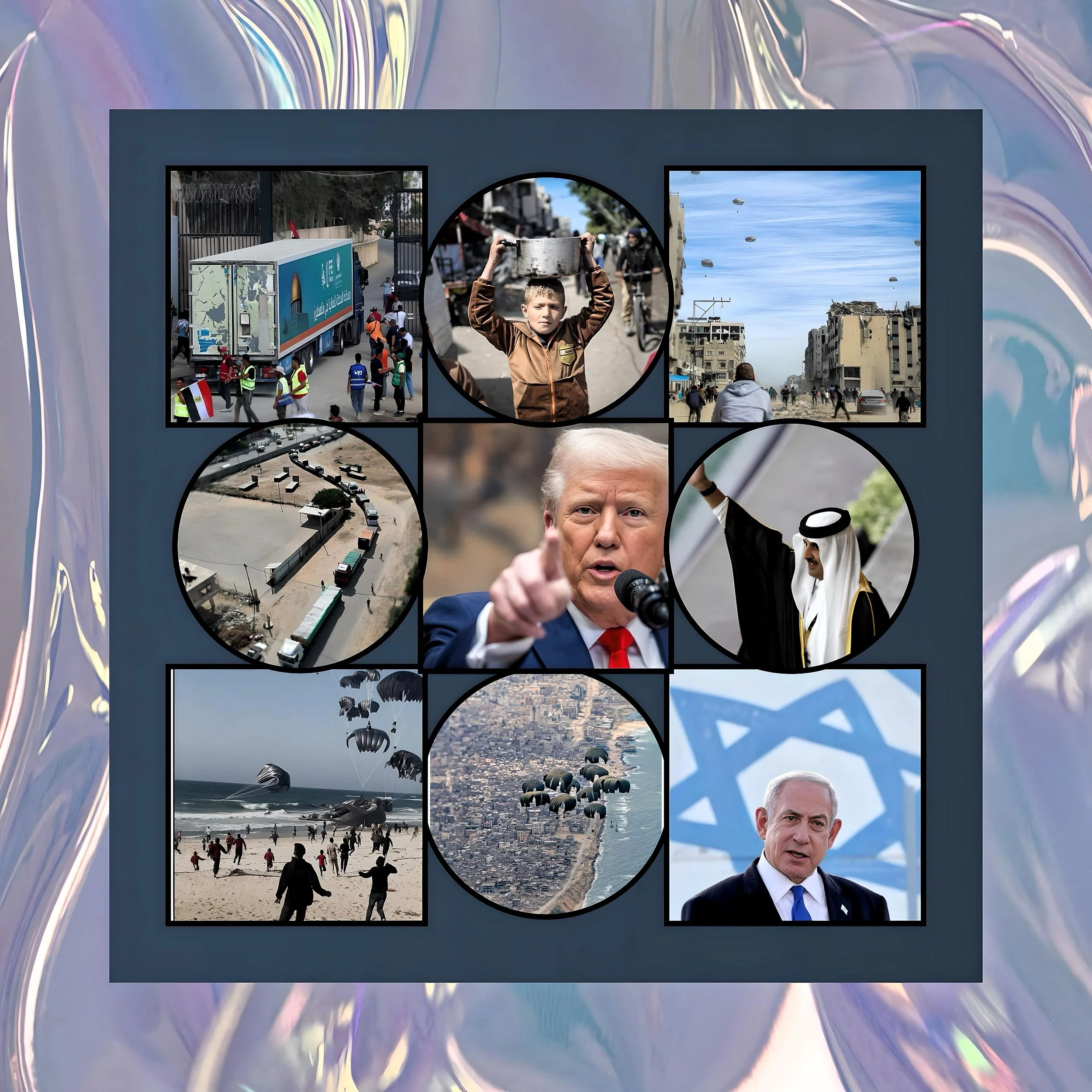
Gaza’s saga intensified post-October 2023 Hamas assaults, yielding an October 9, 2025, ceasefire under Trump’s 20-point blueprint, UN Security Council-endorsed. Phase one delivered partial Israeli withdrawals, aid surges, and hostage-prisoner swaps, yet falters: Rafah crossing remains shuttered pending the last Israeli remains’ return, and hundreds of Palestinians perished amid alleged breaches.
Syria’s December 2024 upheaval, toppling Bashar al-Assad, ushered Ahmed al-Sharaa, whom Trump praises as pragmatic. Israel seized Mount Hermon flanks and southern buffer zones, conducting abductions that strain normalization overtures.
Lebanon simmers post-Hezbollah diminishment, while West Bank settler expansions provoke U.S. reservations.
Current stasis reflects Netanyahu’s election calculus—October 2026 polls demand hawkish optics—juxtaposed against Trump’s impatience for Phase Two: Hamas disarmament, technocratic Palestinian authority, and multinational stabilization.
Key Developments
Trump’s pre-meeting vow to address “five major topics”—Gaza foremost—evolved into rapid consensus claims on three, though specifics eluded disclosure.
Netanyahu reciprocated with the Israel Prize for Trump, a rare honor for foreigners, symbolizing bipartisan Israeli gratitude for anti-terror aid.
Press interactions brimmed with bravado
Trump dubbed Netanyahu a “hero” sans whom Israel might not endure, while pledging U.S. backing for Syrian detente.
Hamas disarmament dominated, with Trump forecasting “hell” for non-compliance, invoking Arab states’ readiness to eradicate the group. Iran loomed as the specter, Trump vowing pulverizing reprisals against missile rebuilds, post-June successes.
Subtler currents swirled
U.S. Secretary of State Marco Rubio’s prior push for transitional governance clashed with Netanyahu’s Phase One fixation.
West Bank frictions surfaced briefly—Trump admitting imperfect alignment on annexation, yet trusting Netanyahu’s “right thing.” Syria elicited Trump’s optimism for border pacts, despite Israeli vagueness on securing frontiers sans terror.
No Rafah opening or hostage closure advanced, stalling momentum.
Latest Facts and Concerns
Fresh from the luncheon, Trump heralded “lots of good things” in Middle East peace, crediting Netanyahu’s wartime prowess. Netanyahu’s delegation included hostage kin Gav Gvili’s family, underscoring human stakes.
Trump floated Turkish peacekeepers for Gaza—a nod to NATO flanks—while Rubio eyes a technocrat board imminently.
Concerns proliferate
Israel’s Syrian forays erode al-Sharaa’s legitimacy, risking jihadist resurgence. Hamas clings to arms amid Gaza’s humanitarian morass, where ceasefire deaths mount despite aid pledges. Iran’s defiance—denying nukes while spurning missile talks—invites escalation, as Israel hoards undeclared arsenals.
Domestically, Netanyahu leverages the summit against judicial woes, potentially eyeing a Trump pardon floated pre-visit.
Trump’s global asides—Ukraine parleys, Venezuela nods—signal broader realpolitik.
Fears mount of Phase Two collapse: absent Hamas capitulation, Israeli reentry looms, alienating Arab normalizers and emboldening Tehran proxies.
Cause-and-Effect Analysis
Trump’s Hamas ultimatum stems from Phase One fatigue—Israeli compliance versus Palestinian intransigence—cascading into disarmament or annihilation, potentially vacuum-filling with Arab forces but igniting radical influxes.
Netanyahu’s Syrian ambiguity arises from security imperatives post-Assad; buffer grabs deter threats yet provoke Damascus, effectuating stalled pacts and U.S.-brokered isolation for al-Sharaa.
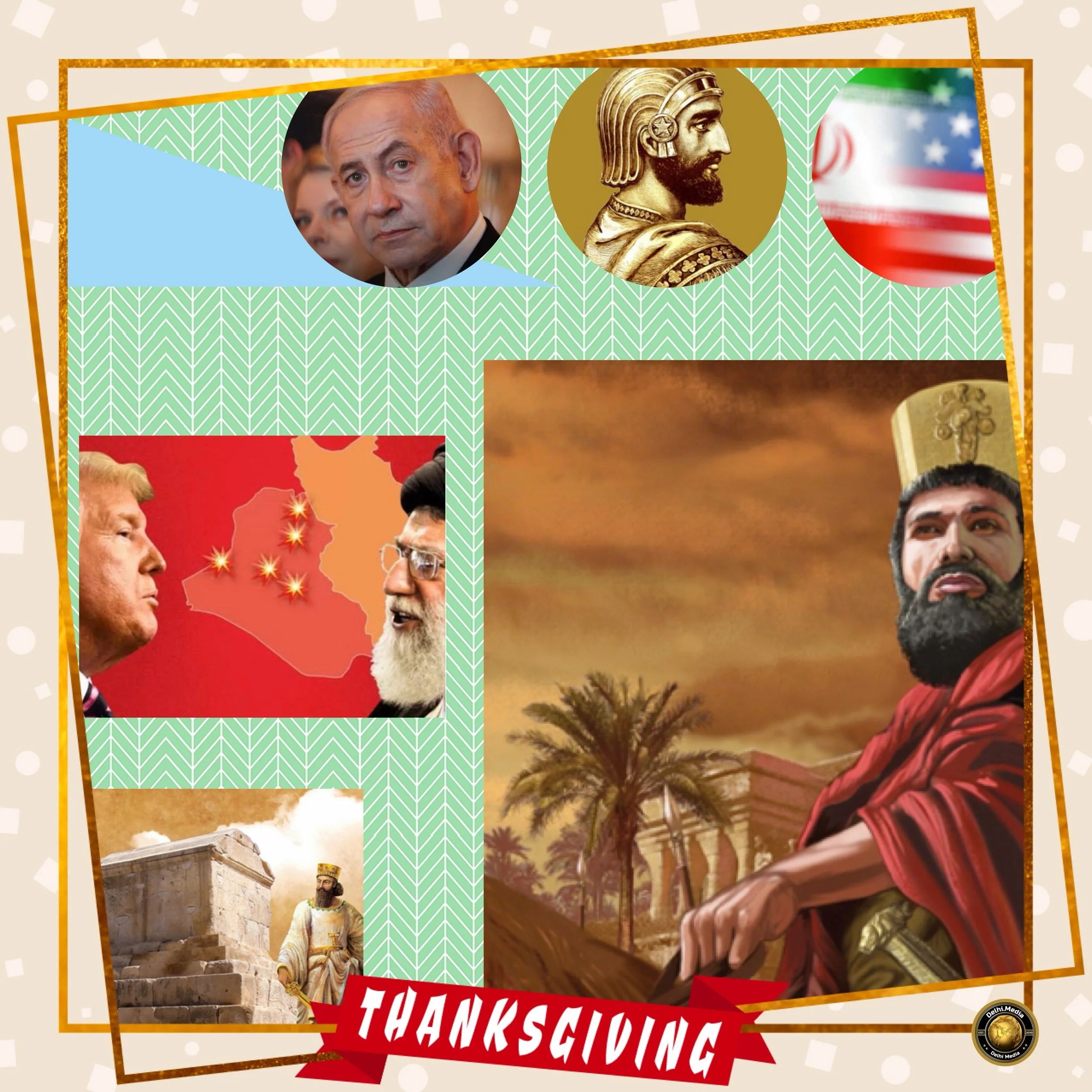
Iran’s reconstitution triggers Trump’s strike threats, rooted in June triumphs; reprisals could fracture its regime, spurring asymmetric retaliation via Houthis or Hezbollah remnants, destabilizing oil lanes.
West Bank discord—Netanyahu’s annexationist base versus Trump’s pragmatism—traces to electoral math, effecting creeping escalations that torpedo Palestinian technocracy.
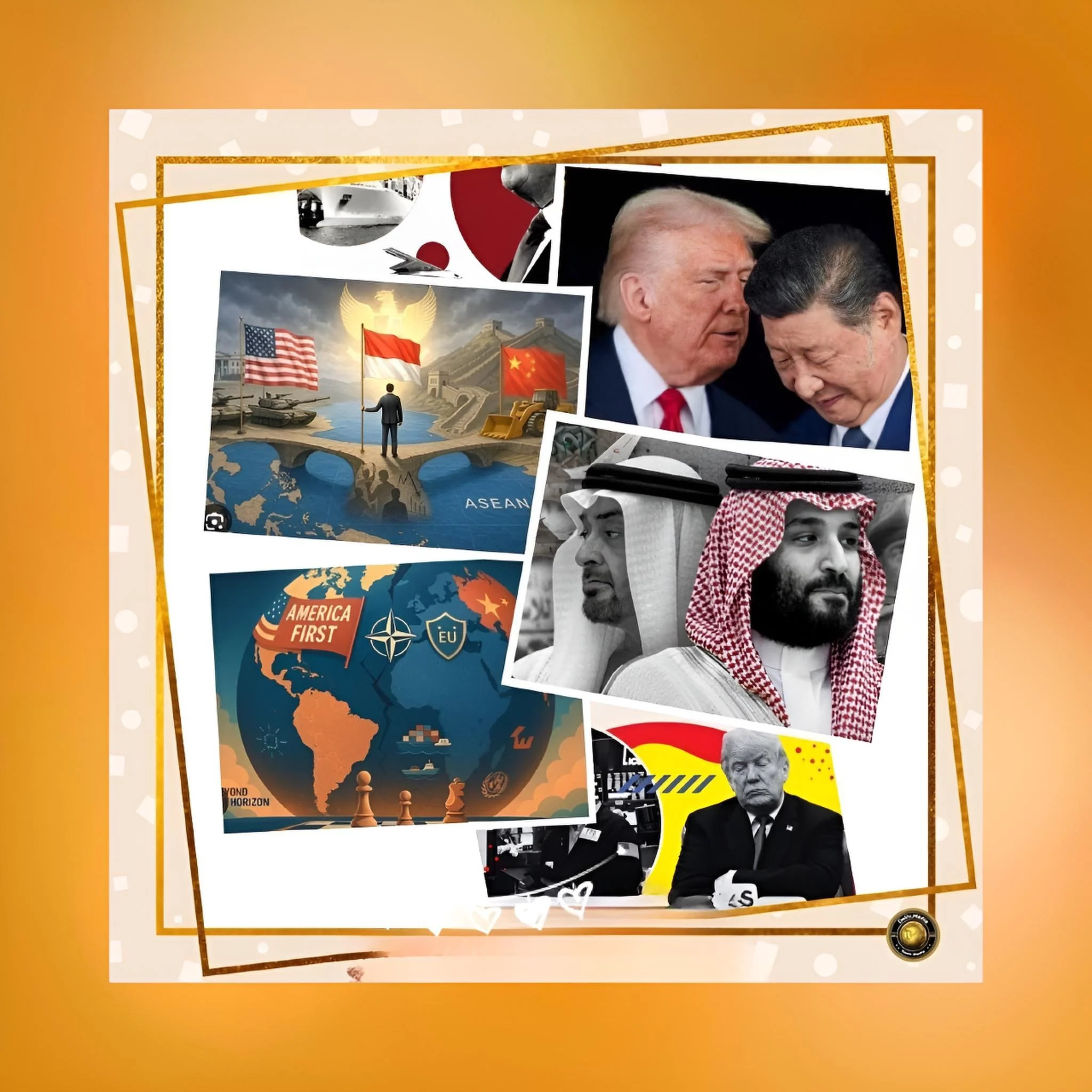
Broader ripples: bolstered U.S.-Israel ties deter foes, yet alienate Europe and Global South, amplifying China’s inroads. Gaza stasis begets famine risks, refugee surges straining Egypt-Jordan, fracturing Accords.
Positively, rapport yields Syria breakthroughs, chaining normalization dominoes toward Lebanon-Iran containment.
Future Steps
Immediate horizons demand Rafah activation and Gvili remains repatriation, unlocking Phase Two. Trump may dispatch envoys—Hegseth, Rubio—for technocrat vetting and Turkish-Arab troop pledges.
Netanyahu confronts hard choices: Syrian withdrawals for security accords, West Bank restraint for U.S. munificence. Iran faces “maximum pressure 2.0”—sanctions redux, covert ops—culminating strikes absent compliance.
Multilaterals beckon: UNSC Phase Two enforcement, Abraham summits incorporating Syria. Netanyahu’s October reprieve hinges on deliverables, possibly pardons or arms.
Trump eyes 2026 midterms, touting peace dividends amid tariff wars.
Escalation wildcards—Iranian tests, Hamas holdouts—necessitate rapid diplomacy, lest Mar-a-Lago bonhomie dissolves into strife.
Conclusion
This Mar-a-Lago parley reaffirms Trump-Netanyahu synergy as Middle East linchpin, yet exposes fragility in Gaza’s architecture and Iran’s shadow.
Urgency defines the juncture: disarmament ultimatums and Syrian gambits portend transformation or tumult.
Absent concerted Phase Two execution, ceasefires crumble, alliances fray, and hegemony contests intensify—heralding a volatile 2026 where resolve meets reality.