The Trillion-Dollar Question: Can Trump, Carney, and Sheinbaum Save North American Trade Integration?”
Executive Summary
The Canada-United States-Mexico Agreement (CUSMA), known in the United States as the United States-Mexico-Canada Agreement (USMCA), stands at a pivotal crossroads as the three nations prepare for a mandatory review in July 2026.
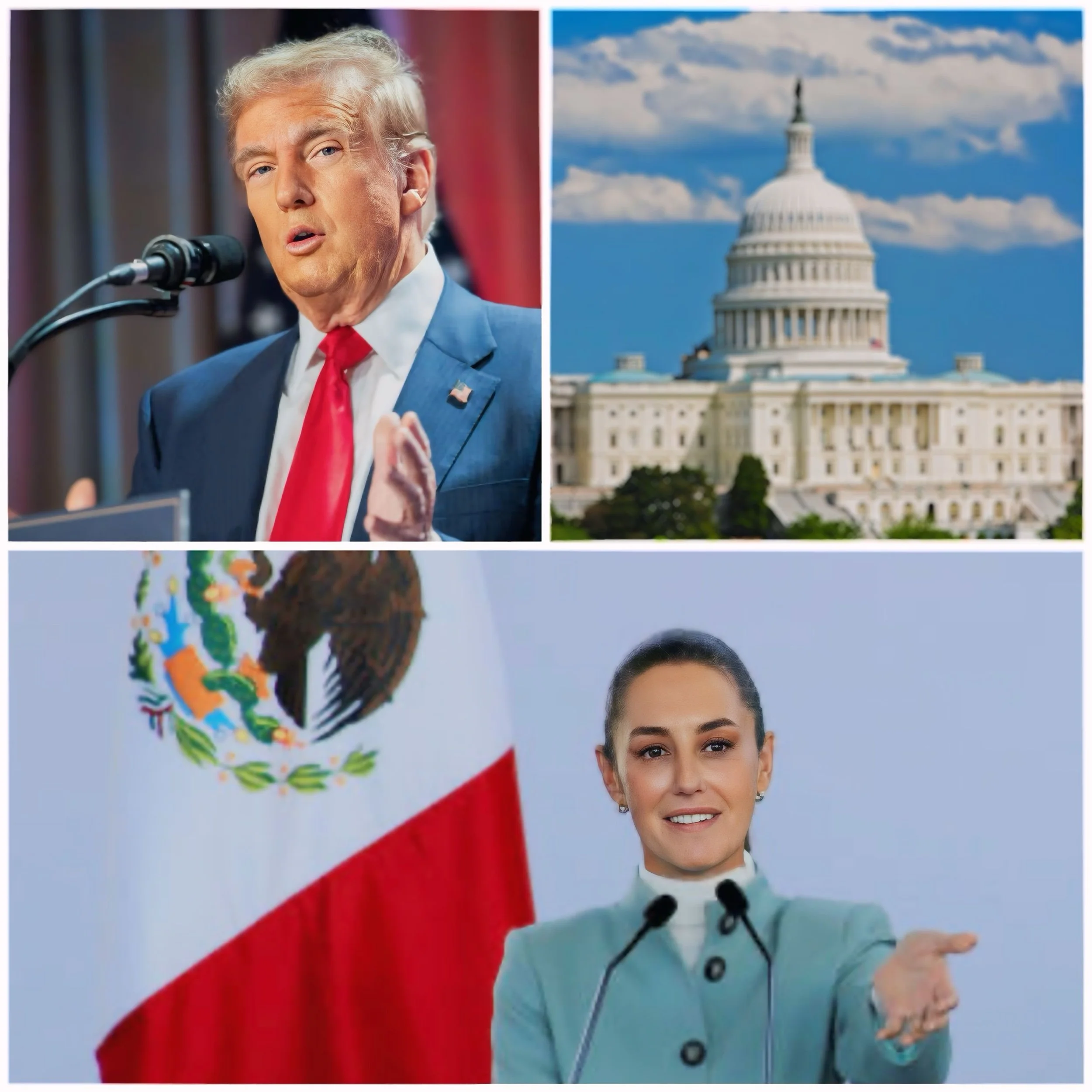
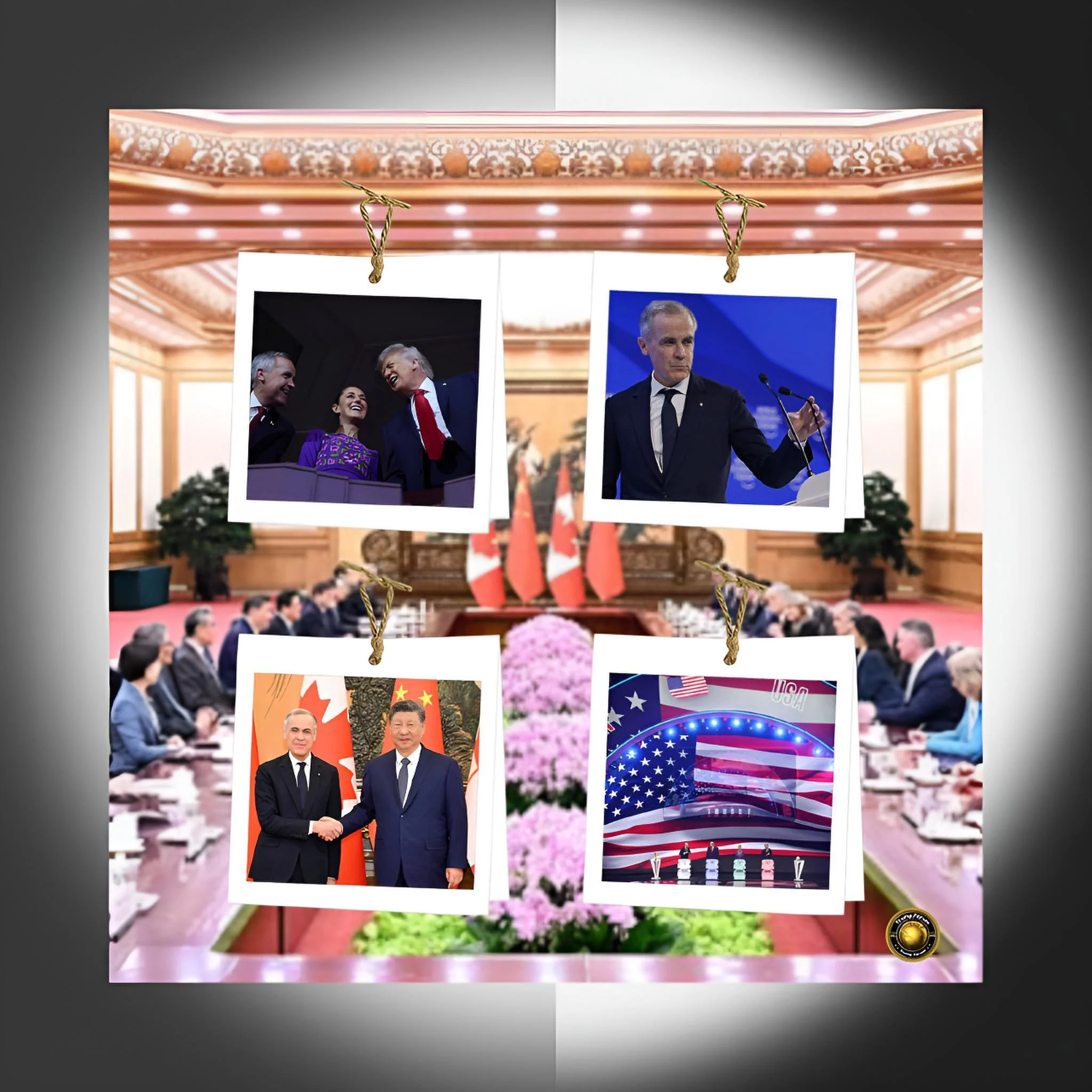
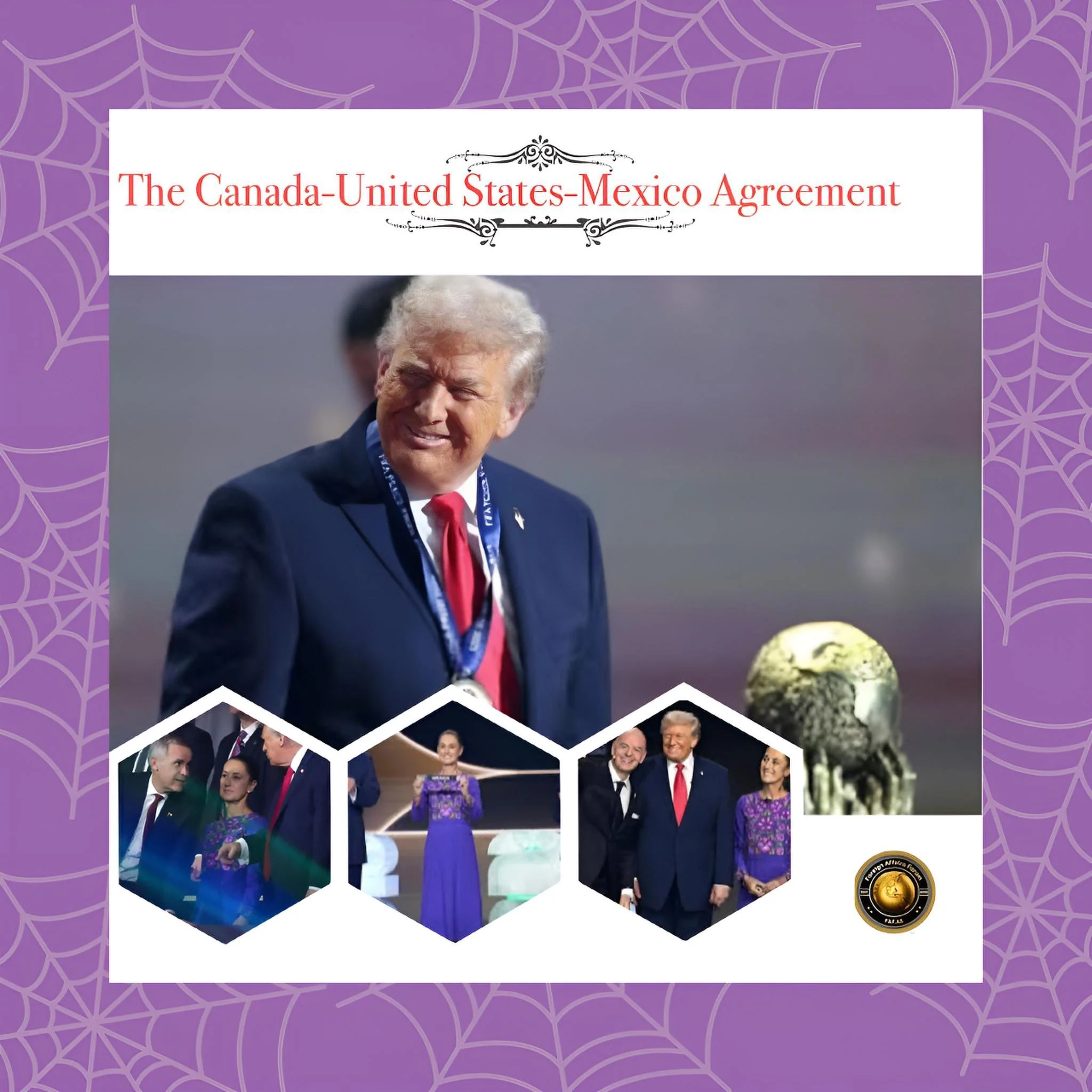
Following public hearings in Washington and escalating rhetoric from the Trump administration about potential withdrawal or renegotiation, Prime Minister Mark Carney of Canada, U.S. President Donald Trump, and Mexican President Claudia Sheinbaum met privately on December 5, 2025, during the 2026 FIFA World Cup draw in Washington, D.C.
While the leaders issued statements affirming commitment to continued collaboration on the trade agreement, the underlying tensions and Trump’s explicit threats to allow the accord to expire or pursue separate bilateral arrangements reveal profound instability in North American commerce and geopolitical relations.
This agreement, which replaced NAFTA during Trump’s first presidency, now faces existential questions about whether it will survive its first mandatory review intact or whether the continent will fragment into bilateral negotiations that could reshape the economic landscape of three nations accounting for over one trillion dollars in annual trilateral trade.
Introduction
The CUSMA represents one of the world’s most complex and consequential free trade agreements, governing economic relations among three nations with vastly different financial structures, labor standards, and regulatory frameworks.
Implemented in 2020 to replace the North American Free Trade Agreement that Trump had famously criticized throughout his initial presidency, CUSMA was designed to modernize continental trade while addressing Trump’s core objections regarding what he characterized as an inequitable arrangement favoring Mexico and Canada.
The agreement includes built-in review mechanisms that mandate that all three nations reassess the treaty’s performance six years after implementation, with the option to renew it for an additional 16 years, exit entirely, or remain in continued negotiation without formal renewal or withdrawal.
As 2026 approaches and this review window opens, the Trump administration has signaled unprecedented ambiguity about its commitment to the agreement’s continuation, creating uncertainty that reverberates through supply chains, investment decisions, and political calculations across North America.
The recent trilateral meeting among Carney, Trump, and Sheinbaum serves as both a symbolic reassertion of continental cooperation and a potential turning point in determining whether CUSMA survives or whether North American trade relationships fragment into bilateral arrangements that could disadvantage all parties, particularly smaller economies dependent on integrated supply chains.
Key Events and Timeline
The trajectory toward the current crisis began in earnest during the 2025 fiscal year when the Trump administration initiated formal consultations on CUSMA’s future, signaling that the mandatory review would not be perfunctory but rather an occasion for potentially far-reaching renegotiation or withdrawal.
(1) By September 2025, Canadian government officials indicated they would be launching their own consultations with industry, provincial governments, and Indigenous partners, following the Trump administration’s announcement that formal reviews would commence in earnest.
(2) In October 2025, Congress held public hearings on the future of the trade agreement, during which representatives from Canadian and American businesses testified about CUSMA’s importance to their operations, supply chains, and employment.
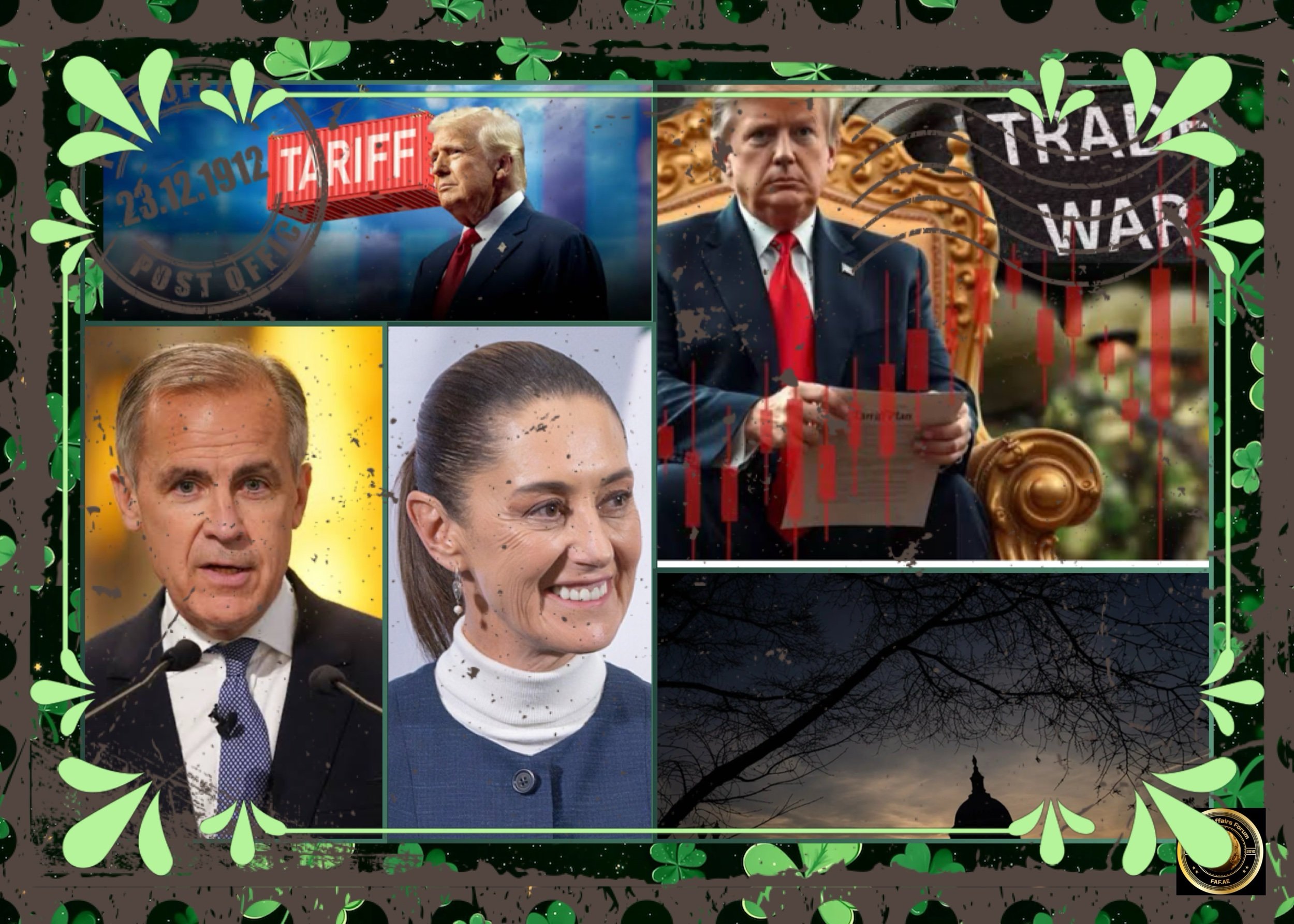
Simultaneously, the Trump administration imposed significant tariffs on Canadian exports, including a fifty percent levy on steel and aluminum imports, creating an atmosphere of escalating trade tensions despite CUSMA’s supposed protections.
(3) By early December 2025, U.S. Trade Representative Jamon Greer conveyed to media outlets that Trump was considering allowing CUSMA to expire and had even raised the possibility of negotiating separately with Canada and Mexico rather than maintaining a trilateral framework.
Trump himself publicly stated on December 3, 2025, that he would either allow the agreement to expire or pursue a different arrangement, framing this as leverage in negotiations while claiming that Mexico and Canada had taken advantage of the United States.
The December 5, 2025, trilateral meeting in Washington, convened on the sidelines of the FIFA World Cup draw, represented the first occasion on which all three leaders met in person to discuss CUSMA since Trump returned to office, providing an opportunity to assess whether the rhetoric of threat would yield to diplomatic compromise or whether the breakdown would accelerate.
Facts and Critical Concerns
CUSMA generated approximately one trillion dollars in annual trilateral merchandise trade before Trump’s return to the presidency, with intricate supply chains in automotive manufacturing, agricultural products, energy, and consumer goods deeply integrated across all three nations.
The agreement currently provides tariff-free access for goods meeting specific rules of origin, allowing manufacturers to source components across the continent without incurring punitive duties.
However, Trump’s imposition of 50% tariffs on steel and aluminum imports directly contradicts CUSMA’s core provisions, creating legal ambiguity about whether these tariffs comply with the agreement’s obligations or constitute a unilateral violation.
Canadian and American business groups, including the Consumer Brands Association and the National Foreign Trade Council, have testified that CUSMA’s termination would impose severe costs on integrated supply chains, increase prices for consumers across North America, and eliminate millions of jobs dependent on tariff-free trade.
The agreement’s review mechanism allows each nation to choose among three pathways: renewing CUSMA for an additional 16 years, exiting the agreement entirely, or neither renewing nor exiting, thereby allowing indefinite continuation of negotiations.
Former Canadian diplomat Ben Roswell and other analysts have warned that the worst-case scenario for Canada would not be the termination of CUSMA.
Still, rather than Canada conceding sovereignty and substantial economic concessions to maintain any preferential access to U.S. markets.
The Trump administration has raised the possibility of negotiating separate bilateral agreements with Canada and Mexico rather than maintaining the trilateral framework, which would fundamentally alter the architecture of continental trade and eliminate much of Mexico’s leverage as a smaller economy in tripartite discussions.
The tariffs imposed by Trump on Canadian exports create immediate costs for Canadian consumers and producers while simultaneously using CUSMA’s review as a lever to extract concessions on energy policy, automotive standards, defense spending, and immigration enforcement.
Additionally, the mandatory review process is scheduled to formally commence in July 2026, meaning that substantive negotiations will occur during what could be a volatile period of Trump’s second term, potentially coinciding with other geopolitical tensions and trade disputes involving other nations and trading blocs.
Statements by Global Leaders and Negotiators
Prime Minister Mark Carney’s spokesperson issued a carefully calibrated statement following the December 5 trilateral meeting, indicating that “the three leaders had many occasions for constructive discussions” and that they “agreed to keep working together on CUSMA,” emphasizing continuity and cooperation without providing specific commitments or concessions.
This language reflected the diplomatic ambiguity typical of high-level trade negotiations, avoiding inflammatory rhetoric while stopping short of endorsing Trump’s explicit threats or clarifying Canada’s red lines.
President Trump, by contrast, adopted a posture of deliberate ambiguity, stating during multiple appearances that Mexico and Canada had “taken advantage of the United States” and that he would either allow CUSMA to expire or pursue a different agreement, framing these outcomes as equally acceptable alternatives.
When directly asked whether he would restart trade talks with Canada, Trump replied with the vague, noncommittal phrase “We’ll see,” signaling neither commitment nor rejection, but rather a negotiating stance designed to maintain maximum pressure.
U.S. Trade Representative Jamon Greer told Politico that Trump’s preference was for agreements that represent “good deals” and that the review mechanism exists specifically to allow for revision, review, or exit, indicating the Trump administration’s fundamental openness to CUSMA’s termination.
Greer also raised the possibility of negotiating separately with Canada and Mexico, suggesting that Trump viewed the trilateral framework not as sacrosanct but as merely one option among several possible negotiating architectures.
Mexican President Claudia Sheinbaum participated in the trilateral discussions but has maintained a more reserved public posture, recognizing Mexico’s economic dependence on both the U.S. market and access to Canadian resources while attempting to balance competing pressures from Mexican industry, labor constituencies, and nationalist sentiment regarding sovereignty concerns.
U.S. Ambassador to Canada Kelly Hoekstra dampened expectations for a broader comprehensive agreement, stating that “it is clear, at least at this moment” that a larger deal between Canada and the U.S. involving trade, energy, automotive sectors, and nuclear defense was unlikely, indicating that American negotiators had concluded Canada would resist such expansive demands and that a more modest outcome focused on CUSMA revision was the realistic objective.
Canadian Trade Minister Dominic LeBlanc stated that “Canada will be collaborating with leaders from Canadian industries, provincial and territorial governments, as well as Indigenous partners” on the CUSMA review, signaling a consultative approach designed to build domestic consensus for negotiating positions while avoiding public declarations of specific demands or red lines.
Finance Minister François-Philippe Champagne emphasized that “Canada has consistently taken a proactive, transparent, and constructive approach in our discussions,” underscoring Canada’s diplomatic positioning while implicitly criticizing Trump’s unilateral tariff imposition as inconsistent with the spirit of negotiation.
Business advocacy groups voiced strong support for CUSMA’s continuation; Thomas Madrecki of the Consumer Brands Association argued that “the Trump administration is fundamentally a deal-making administration; they desire agreements” and that there remained “a clear path toward renewal if all parties collaborate effectively,” attempting to reframe Trump’s rhetoric as tactical negotiating leverage rather than genuine intent to abandon the agreement.
Conversely, Ben Roswell, a former Canadian diplomat, warned that CUSMA appeared to be “a dead man walking” and advised Canada to prepare for its potential termination, arguing that Canada’s negotiating position should involve a willingness to abandon the current agreement in pursuit of more favorable terms rather than conceding sovereignty to preserve trade relationships.
Cause and Effect Analysis
The cascade of events leading to the current impasse stems from Trump’s fundamental ideological conviction that the United States has systematically lost ground in trade with nearly all its partners and that aggressive renegotiation is the optimal strategy to reverse this perceived decline.
Trump’s prior criticism of NAFTA as the “worst deal ever made” created the implicit expectation that his return to office would involve efforts to reshape the agreement in ways more favorable to American interests, particularly in the automotive sector, where Mexican wages and labor standards differ substantially from North American norms.
The Trump administration’s imposition of tariffs on steel, aluminum, and other Canadian exports created immediate pressure on Canadian industries and consumers while simultaneously signaling that CUSMA provided insufficient protection against executive tariff authority, undermining confidence in the agreement’s stability and enforceability.
This tariff imposition galvanized business community opposition to CUSMA’s termination, as companies recognized that the agreement, while imperfect, provided considerably more predictability than a post-CUSMA landscape of bilateral negotiations and potential unilateral tariff imposition.
Conversely, Trump’s public statements threatening CUSMA’s expiration generated uncertainty that depressed investment decisions, as companies delayed expansion or repositioning of supply chains pending clarity about future trade relationships.
The scheduling of mandatory public hearings and consultations in autumn 2025 created a procedural framework through which business groups, labor unions, and policy advocates could voice positions regarding CUSMA’s future, thereby generating documentary evidence of American business support for the agreement’s continuation despite Trump’s skepticism.
The timing of the trilateral meeting during the FIFA World Cup draw was a rare opportunity for face-to-face discussions among the three leaders, potentially offering a breakthrough in negotiations or a public confirmation of irreparable divisions.
Trump’s apparent openness to bilateral negotiations rather than trilateral frameworks creates a fundamental structural problem for Mexico and Canada: either country negotiating separately loses the collective leverage that the tripartite arrangement provides and is exposed to the possibility of divide-and-conquer tactics.
The mandatory review process scheduled for July 2026 creates both a deadline that could focus negotiating attention and a potential rupture point if a renewal agreement cannot be reached, as the agreement will not automatically continue in the absence of affirmative renewal action.
Steps Ahead
The immediate pathway forward involves Canada, Mexico, and the United States conducting comprehensive consultations with their respective domestic constituencies throughout the remainder of late 2025 and into early 2026, gathering input from industry, labor, agricultural, and environmental groups to inform negotiating positions.
These consultations should culminate in formal negotiating positions articulated by each government by late winter 2026, providing clarity to markets and businesses regarding what outcomes each nation seeks from the review process.
The Trump administration appears likely to present specific demands for CUSMA revision, potentially including changes to rules of origin for automotive manufacturing, harmonization of labor standards, energy policy coordination, immigration enforcement cooperation, or defense spending commitments by Canada.
Canada and Mexico will need to calibrate their responses to address Trump’s core concerns about trade balances and manufacturing competitiveness while protecting essential areas of sovereignty, labor standards, environmental protection, and economic independence.
The formal review process commencing in July 2026 should involve structured trilateral negotiations among trade officials, with the possibility of elevation to ministerial and, eventually, presidential levels depending on whether technical discussions yield sufficient convergence.
Business advocacy groups should maintain active engagement with policymakers to ensure that negotiating positions reflect practical concerns about supply chain disruption, employment, and consumer prices rather than ideological positioning.
There exists potential for incremental modifications to CUSMA that address some of Trump’s concerns while preserving the core trilateral framework, such as revisions to automotive rules of origin, enhanced enforcement mechanisms, or sectoral adjustments tailored to specific industries.
Alternative structures should be explored, including possible reconfiguration of the agreement to address Trump’s stated concerns about bilateral trade imbalances while maintaining the fundamental integration that provides economic benefits to all three nations.
If formal negotiations stall or Trump indicates genuine intent to allow the agreement to expire, Canada and Mexico should simultaneously prepare contingency plans for a post-CUSMA landscape, including preparations for potential tariff schedules, supply chain reorientation, and diplomatic engagement with other trading partners such as the European Union, United Kingdom, and CPTPP members.
The possibility of interim agreements addressing specific sectors or urgent issues should not be foreclosed, as even partial preservation of preferential trade arrangements would mitigate the disruptive effects of complete termination.
Conclusion
The CUSMA review process represents not merely a technical reassessment of an existing trade agreement but rather a fundamental test of whether North American integration will deepen or fragment during an era of heightened geopolitical competition and resurgent protectionism.
The December 5, 2025, trilateral meeting between Trump, Carney, and Sheinbaum provided limited substantive clarity, instead confirming that all three leaders recognize CUSMA’s importance while leaving open profound questions about the terms upon which it might be renewed or the framework within which future trade relationships might be structured.
Trump’s explicit threats to allow CUSMA to expire or to pursue bilateral negotiations represent a departure from traditional American trade diplomacy, signaling a willingness to tolerate considerable disruption to achieve renegotiated terms perceived as more favorable to American domestic interests.
The business community’s near-universal support for CUSMA’s continuation and the recognition among policy analysts that its termination would impose substantial costs across all three nations create countervailing pressure that may ultimately constrain Trump’s options and encourage negotiation toward revised terms rather than outright withdrawal.
Canada faces the most acute strategic challenge, as it has fewer alternatives to the North American market and would be substantially vulnerable should bilateral negotiations proceed separately from Mexico. Mexico’s structural position as a smaller economy in a potential bilateral negotiation with the United States creates different dynamics and vulnerabilities.
The months ahead will determine whether the three nations can construct a negotiated settlement that addresses Trump’s stated concerns while preserving sufficient North American integration to sustain the economic relationships that have developed over the past three decades.
The stakes extend beyond trade statistics and employment figures; they encompass fundamental questions about whether three neighboring nations can maintain cooperative frameworks during periods of geopolitical tension or whether the rising tide of nationalist economic policies will overwhelm the institutional arrangements and mutual interests that have sustained continental integration since the Cold War.