The Legitimacy Trap: Washington and Kyiv Diverge on Wartime Democracy
Executive Summary
A profound geopolitical fracture emerged in early December 2025 as President Donald Trump publicly challenged the democratic legitimacy of the Ukrainian government, demanding that Kyiv hold presidential elections despite the ongoing Russian invasion.
In a move that aligns Washington’s rhetoric with narratives long propagated by the Kremlin, President Trump questioned whether Ukraine remains a democracy, suggesting that the suspension of elections—a constitutional necessity under martial law—deprives the populace of agency.
This diplomatic offensive appears calculated to pressure President Volodymyr Zelensky into accepting a controversial U.S. peace proposal that necessitates the cession of the Donbas region and the abandonment of NATO aspirations.
The demand has precipitated a sharp bifurcation within the Western alliance, with European leaders in London rallying behind Kyiv’s sovereignty while Washington pivots toward a transactional resolution based on territorial compromise.
Introduction
The conflict in Ukraine has entered a volatile new phase where the battlefield stalemate is compounded by an acute crisis of political legitimacy.
On Tuesday, December 9, 2025, President Trump explicitly linked continued American support to the restoration of electoral processes in Ukraine, despite the logistical and legal impossibilities imposed by total war. In an interview with Politico, the President argued that the Ukrainian government’s refusal to hold elections invites skepticism regarding its mandate, stating that the country may no longer be a functional democracy.
This intervention marks a decisive shift in American foreign policy, moving from the unconditional defense of Ukrainian statehood to a conditional engagement that leverages democratic proceduralism as a tool of coercion.
The implications are stark: the United States has effectively signaled that Kyiv’s moral authority is no longer assumed, but contingent upon political benchmarks that are virtually impossible to meet amidst daily bombardment.
History
The controversy is rooted in the collision between Ukraine’s constitutional rigidity and the exigencies of survival. following the full-scale Russian invasion in February 2022, the Ukrainian government imposed martial law, a legal regime that explicitly forbids the holding of parliamentary and presidential elections to ensure the continuity of command and public safety.
Article 19 of the Ukrainian Constitution mandates this suspension, extending President Zelensky’s term beyond its original May 2024 expiration until the cessation of hostilities. Since mid-2024, Russian President Vladimir Putin has weaponized this legal technicality, repeatedly claiming that Zelensky is a “term-expired” leader with no authority to negotiate binding treaties.
For over a year, Western allies dismissed this narrative as transparent information warfare designed to destabilize Kyiv.
However, President Trump’s recent adoption of this specific line of argumentation—questioning the validity of a wartime government—legitimizes the Kremlin’s talking point and strips Kyiv of its primary diplomatic shield: its status as the democratic bulwark against autocracy.
Key Events
The diplomatic crisis crystallized following President Trump’s interview with Politico’s Dasha Burns, where he dismissed the existential constraints of the war, asserting that the Ukrainian people deserve a choice regarding their leadership and the continuation of the conflict.
Trump suggested that the war itself was being used as a pretext to avoid political accountability.
This rhetoric coincided with intense backstage pressure on the Zelensky administration to accept a revised U.S. peace plan.
Originally consisting of 28 points, the proposal was whittled down to 20 points following negotiations, yet it retains core demands that are anathema to Kyiv: the permanent cession of the entire Donbas region—including areas not currently under Russian occupation—and a binding commitment to neutrality.
Simultaneously, a high-stakes summit in London sought to counterbalance Washington’s pivot.
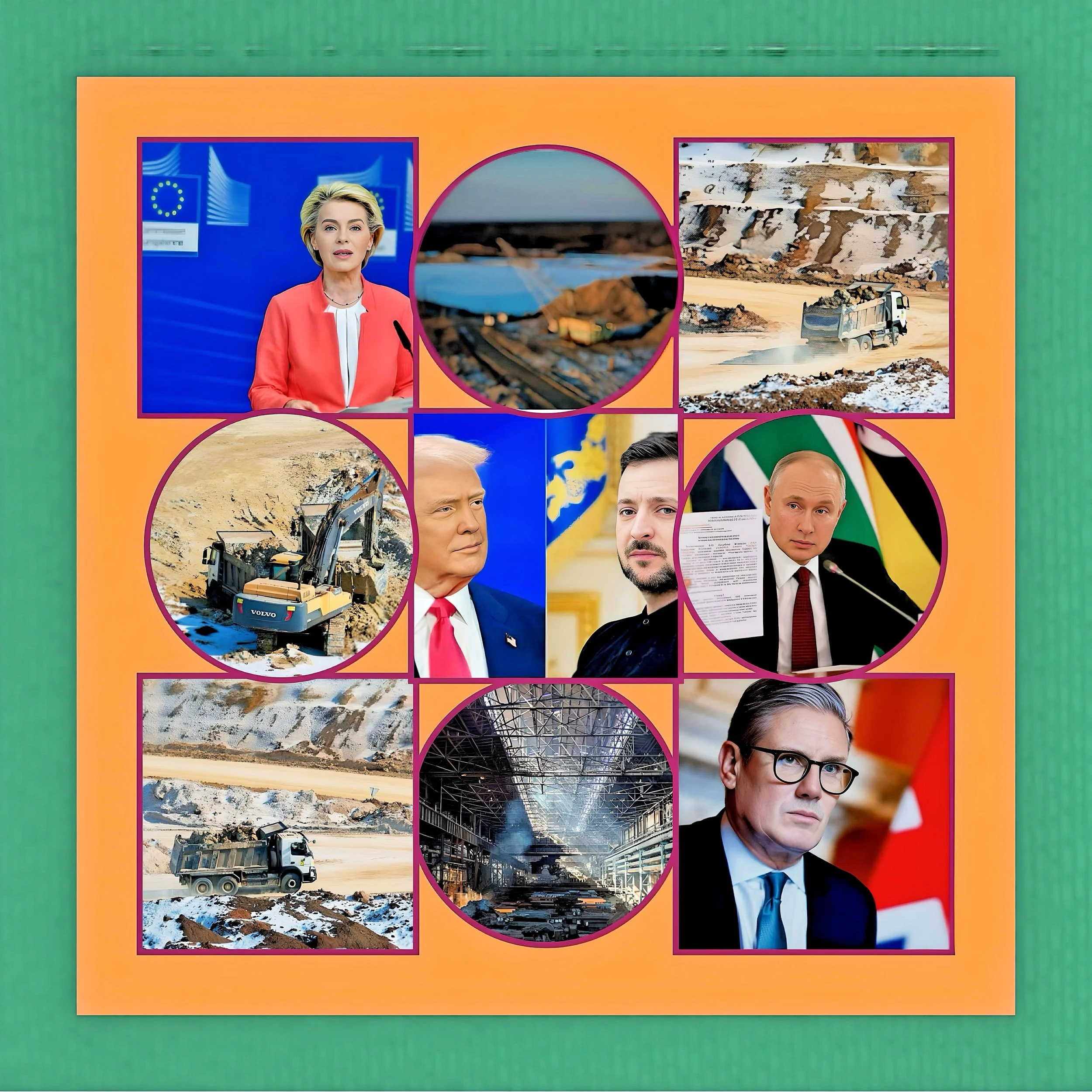
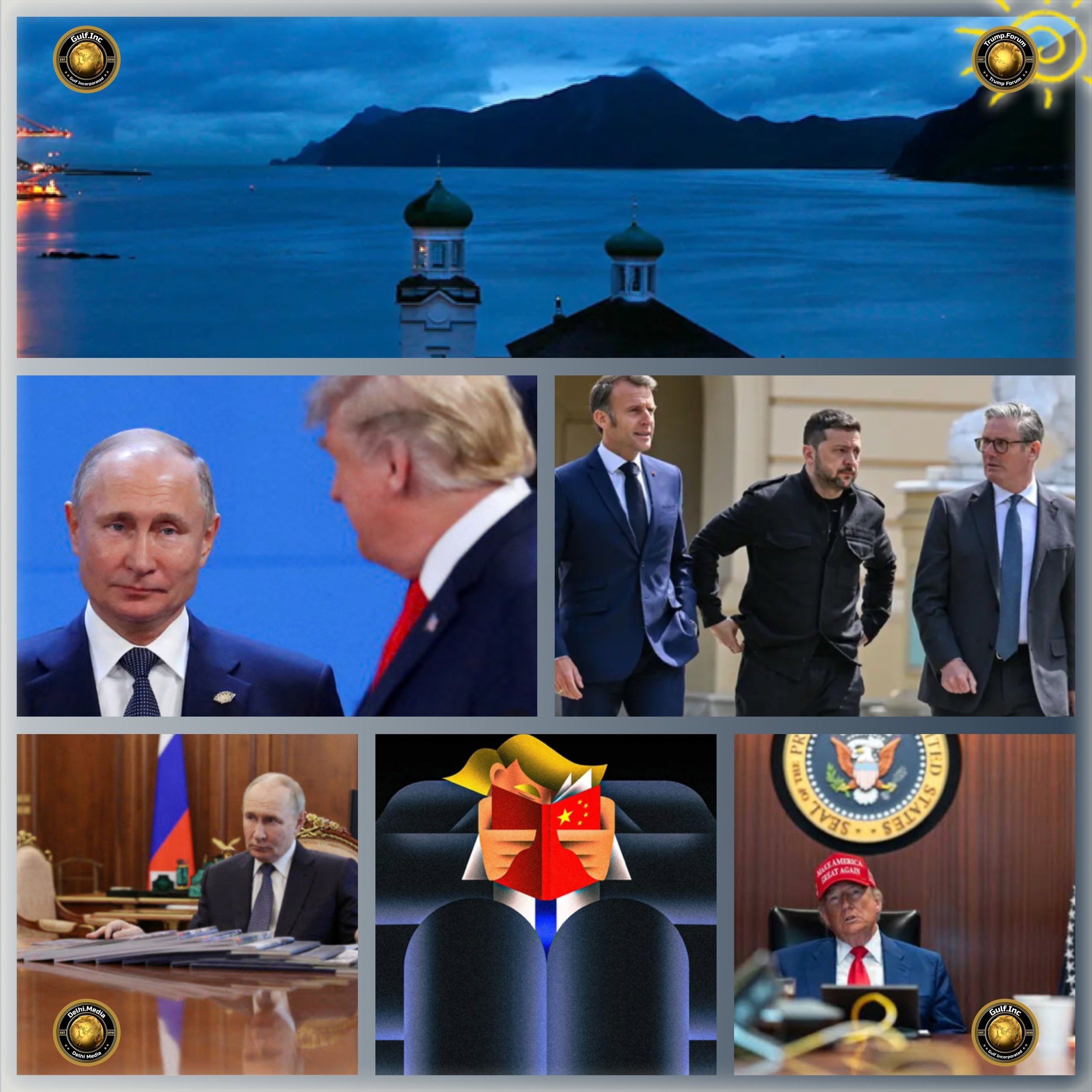
German Chancellor Friedrich Merz, British Prime Minister Keir Starmer, and French President Emmanuel Macron presented a united European front, rejecting the notion that Ukraine should be forced into territorial surrender.
The European bloc emphasized that the preservation of international law supersedes the expediency of a forced peace, creating a rare public schism between the transatlantic partners.
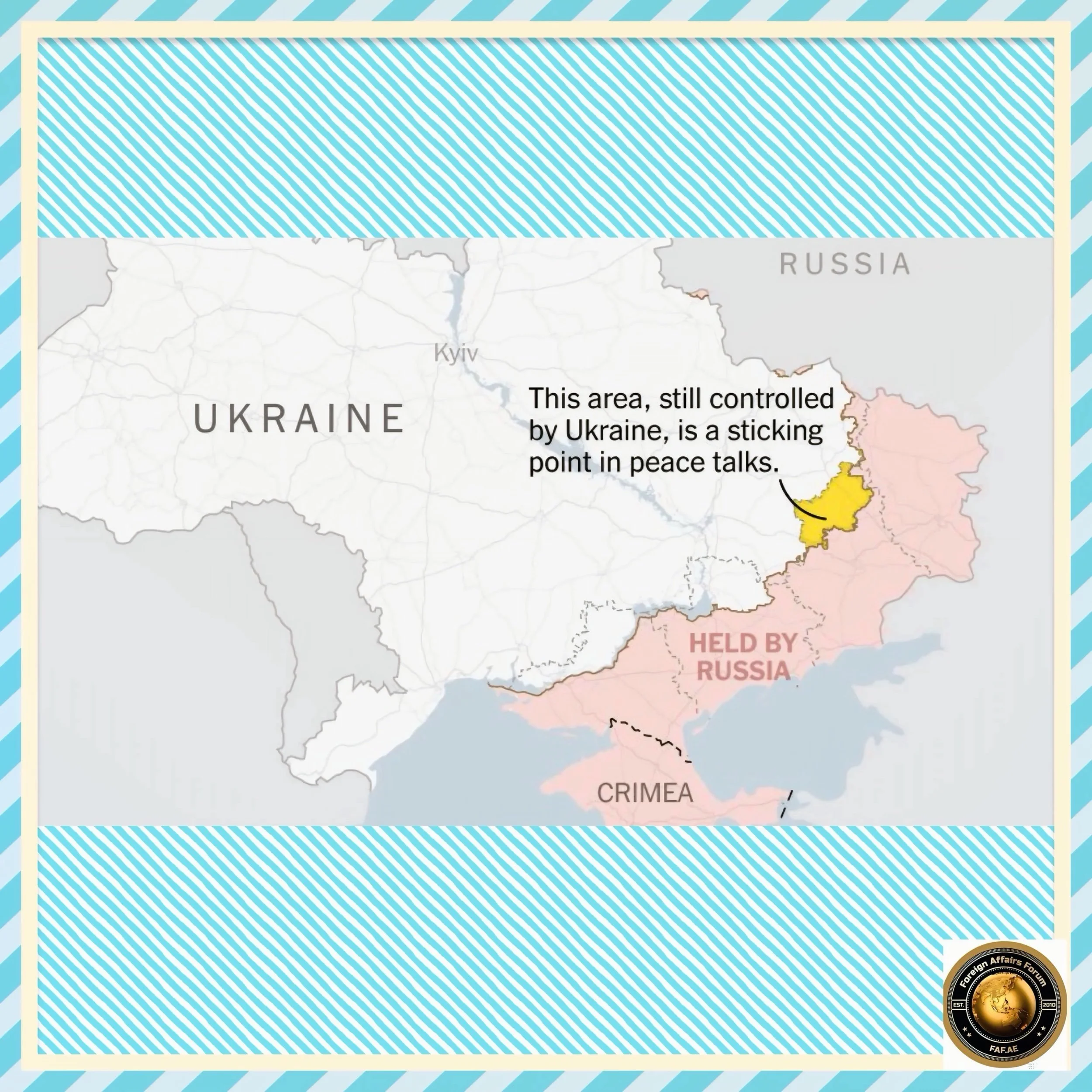
Peace talk stalled over Donbas
Russia and Ukraine remain deadlocked over territorial issues in peace negotiations, as Moscow insists that Kyiv cede the entire Donbas region, including roughly 2,500 square miles that Russian forces have not managed to capture despite nearly four years of war.
President Volodymyr Zelensky continues to firmly reject any territorial concessions, viewing such demands as unacceptable and incompatible with Ukraine’s sovereignty and security.
A recent U.S.-backed peace proposal would have required Ukraine to relinquish all of Donetsk and Luhansk to Russia, going beyond the areas Moscow has taken by force, but officials in Kyiv dismissed the plan as a form of capitulation that effectively rewards aggression.
The stakes are particularly high because more than 200,000 Ukrainians still live in Ukrainian-controlled parts of Donetsk, including the strategically crucial cities of Sloviansk and Kramatorsk, which have served as key military strongholds and logistical hubs since 2014 and are among the most heavily fortified positions along the front.
Facts and Concerns
The demand for elections ignores the severe practical realities on the ground in Ukraine. Millions of voters remain displaced across Europe and North America, while hundreds of thousands of soldiers serving on the front lines would be effectively disenfranchised by the logistical inability to cast ballots in trenches.
Furthermore, polling stations would present clear targets for Russian missile strikes, turning the democratic process into a mass casualty event. Domestic political sentiment in Ukraine is also increasingly fragile.
According to an Info Sapiens poll published on December 9, 2025, support for President Zelensky has eroded significantly, with only 20.3% of respondents indicating they would vote for him in a future contest. While he remains the most popular single political figure, this decline reflects deep war fatigue.
The U.S. administration appears to be leveraging this vulnerability, with President Trump noting that “size will win” in reference to Russia’s demographic advantage, thereby framing a negotiated capitulation as an inevitability rather than a choice.
Actual Statements by Global Leaders
The rhetoric employed by key leaders highlights the widening chasm in perspective.
President Trump told Politico, “I think it’s time. I think it’s an important time to hold an election. They’re using war not to hold an election, but I would think the Ukrainian people would—should have that choice.” He further speculated on the state of the nation’s governance, adding, “They talk about a democracy, but it gets to a point where it’s not a democracy anymore.”
In response, President Zelensky maintained a defiant but careful tone, telling the Italian newspaper La Repubblica, “I am always ready for elections,” while simultaneously reaffirming that his government has “no right” under the constitution to trade territory for peace.
Further, Ukrainian President Volodymyr Zelenskyy declared his readiness to hold elections within 60 to 90 days if Western partners can guarantee security during the ongoing conflict, directly responding to U.S. President Donald Trump’s pressure on Ukraine to conduct democratic elections despite the nation’s martial law status.
Zelenskyy indicated he would request parliament to draft legislation that would enable voting to occur during wartime, circumventing constitutional restrictions that currently prohibit elections under martial law, which has remained in effect since Russia’s full-scale invasion in February 2022.
The European Union swiftly affirmed Zelenskyy’s legitimacy as Ukraine’s democratically elected leader and indicated that elections should proceed when conditions permit, contrasting sharply with Trump’s skepticism about Ukraine’s democratic standing.
Trump has repeatedly questioned whether Ukraine can be considered a functioning democracy, stating that “it gets to a point where it’s not a democracy anymore,” intensifying diplomatic pressure on Kyiv, as the country continues to navigate both the constraints of wartime governance and international expectations for electoral processes.
European officials were more blunt in their pushback. António Costa, representing the European Union leadership, criticized the U.S. President’s derogatory characterization of European allies, stating, “allies behave with each other,” and rejecting the label of weakness.
Cause and Effect
The primary driver of this diplomatic maneuver is the incoming U.S. administration’s desire to extricate the United States from the conflict and pivot resources toward domestic priorities or other geopolitical theaters.
By questioning Zelensky’s legitimacy, Washington creates a permission structure to bypass the Ukrainian president or force his hand. If Zelensky is framed as an obstacle to peace or an undemocratic leader clinging to power, it becomes politically palatable for the U.S. to reduce aid or dictate terms directly to Moscow.
The immediate effect has been to embolden the Russian leadership, who see their strategic patience rewarded as the Western coalition fractures.
Conversely, the pressure has forced Zelensky into a corner where he must now expend diminishing political capital to prove his democratic bona fides while simultaneously managing a war effort that relies entirely on the support of the very partner undermining him.
Steps Ahead
In the immediate future, the Zelensky administration is expected to submit a counter-proposal to Washington, attempting to modify the U.S. peace plan to preserve Ukraine’s territorial integrity while offering other concessions.
This diplomatic gamble is fraught with risk; a rejection by President Trump could lead to a suspension of vital military aid, forcing Ukraine to fight with dwindling resources.
The European powers, led by Chancellor Merz and President Macron, will likely attempt to fill the diplomatic void, potentially offering security guarantees or increased financial support to sustain Kyiv’s resistance.
However, without American logistical and military backing, the sustainability of the Ukrainian defense remains in question.
The coming months will likely see an intensification of this triangular diplomacy, with Kyiv caught between American pressure to settle and European encouragement to resist.
Conclusion
The demand for wartime elections in Ukraine represents a watershed moment in the conflict, signaling the end of the era of unconditional American support. By aligning his rhetoric with the Kremlin’s questions regarding Zelensky’s legitimacy, President Trump has transformed the internal mechanics of Ukrainian democracy into a bargaining chip for geopolitical settlement.
The insistence that a nation under existential siege must pause to conduct a political contest places Ukraine in an impossible paradox: it is being asked to risk its survival as a state to prove its validity as a democracy.
As winter deepens, the resilience of the Ukrainian constitution and the unity of the Western alliance face their most severe test, with the outcome likely to redraw the map of Europe for decades to come.