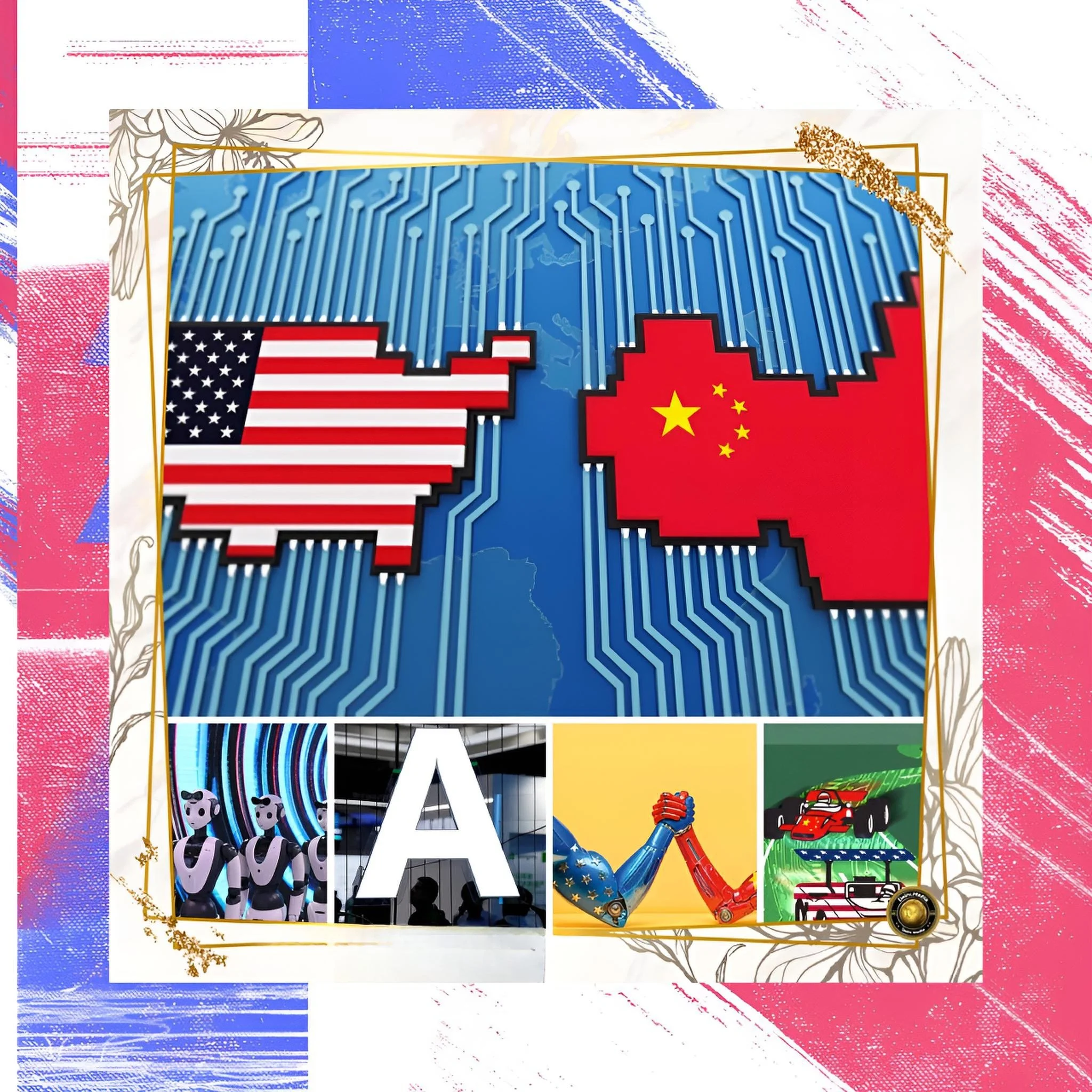
From Confrontation to Compromise: Trump Abandons the China Hawks’ Playbook
Executive Summary
The Deal-Maker vs. the Strategists: How Trump Dismantled the China Hawk Consensus
The Trump administration’s strategic pivot toward engagement with China in the autumn of 2025 has inflicted significant setbacks upon the constellation of hard-line advisers and foreign policy advocates who championed a confrontational posture toward Beijing.
Through a series of trade negotiations, concessions, and personnel changes that have removed hawkish figures from positions of influence, the President has demonstrated a marked preference for what he terms “a big deal” with China rather than the regime of sustained strategic competition that hawks have long advocated.
This shift, driven partly by the growing influence of technology sector interests and the President’s own inclination toward diplomatic dealmaking, has left China hawks marginalized within the administration and increasingly anxious about the trajectory of American China policy.
Introduction
The Price of Engagement: Why Washington’s China Hawks Are Having Their Worst Week Yet
The relationship between Washington’s China policy establishment and President Donald Trump has become a defining tension within his second administration.
Where Trump’s first term was marked by protectionism and confrontation—with the initiation of a trade war that fundamentally reshaped how America approaches economic relations with Beijing—the current phase of his presidency has revealed a more complex and transactional approach.
The hawks, who believed they had secured a sympathetic ear during the trade disputes of 2017–2020, now find themselves struggling to maintain influence as Trump pursues what might be termed a pragmatic rapprochement with Chinese President Xi Jinping.
This recalibration of American strategy reflects broader fault lines within the administration concerning how the United States should balance economic interests, technological competition, and national security concerns in relation to its most consequential geopolitical rival.
Key Developments
Beijing Wins Round One: Trump’s Retreat from the Hawkish China Strategy
Throughout 2025, the contours of Trump’s China policy have become increasingly clear through a series of high-profile negotiations and policy decisions.
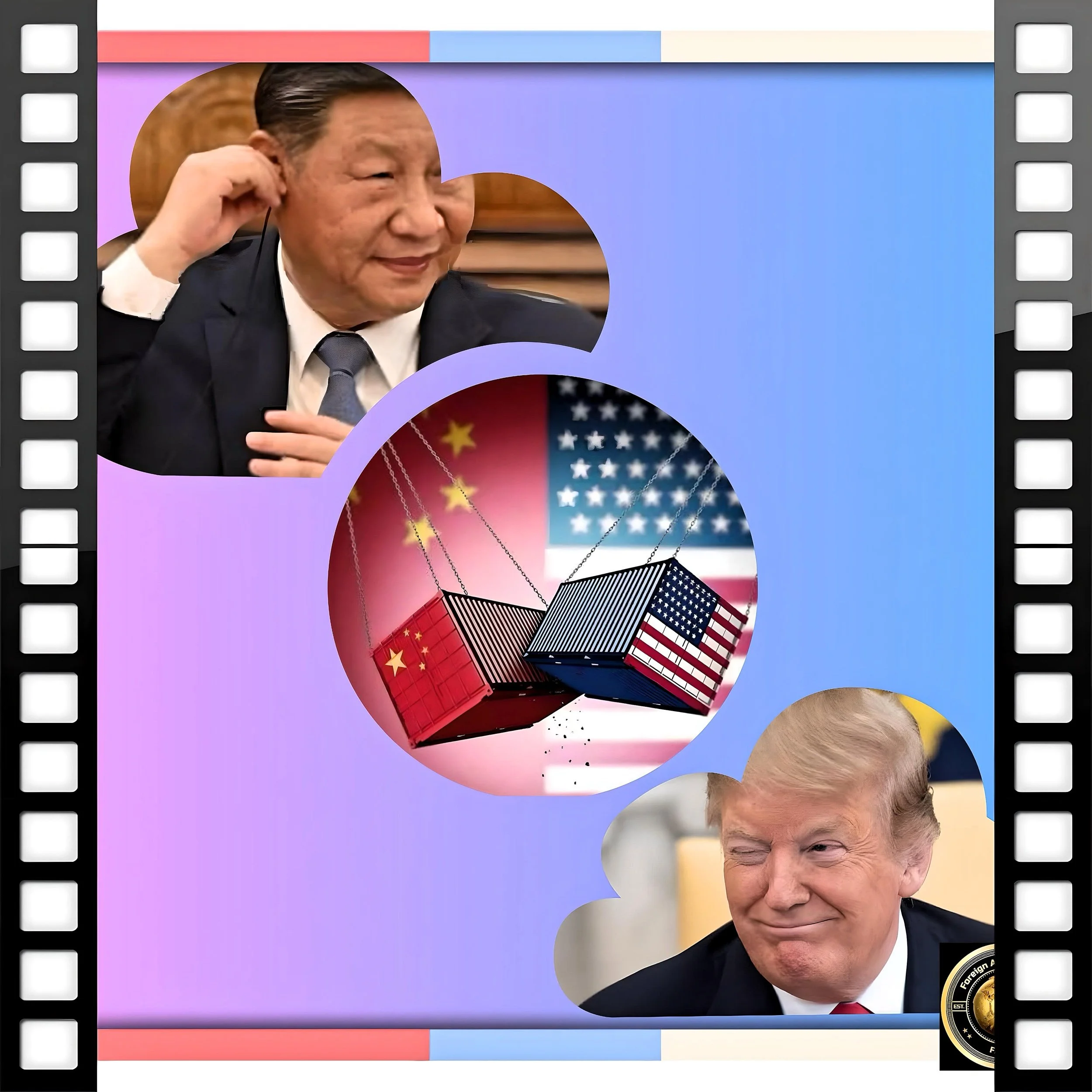
In May 2025, the Trump administration and Beijing reached a significant framework agreement following trade discussions in Geneva, with the United States reducing tariffs on Chinese goods from a punitive forty percent to thirty percent, while China reciprocated by lowering its retaliatory tariffs from one hundred twenty-five percent to ten percent.
China further committed to eliminating non-tariff countermeasures that had been imposed since March of that year.
The most consequential development unfolded in late October 2025, when Trump and Xi met in South Korea.
Following this summit, the two nations agreed to a new trade truce that included a commitment from the United States to reduce additional tariffs, while Beijing agreed to intensify efforts against the illicit fentanyl trade and resume significant soybean purchases from American farmers.
Critically, the United States also acceded to delay, for one year, the implementation of technology export restrictions that would have severely constrained Chinese firms’ access to advanced American semiconductors and artificial intelligence capabilities.
In November 2025, Trump spoke by telephone with Xi to discuss agricultural trade, with the President subsequently announcing what he characterized as an “impressive and crucial agreement” for American farmers.
The cumulative effect of these negotiations has been a gradual de-escalation of trade hostilities and a softening of the technology export controls that had represented the most potent expression of American strategic competition with China.
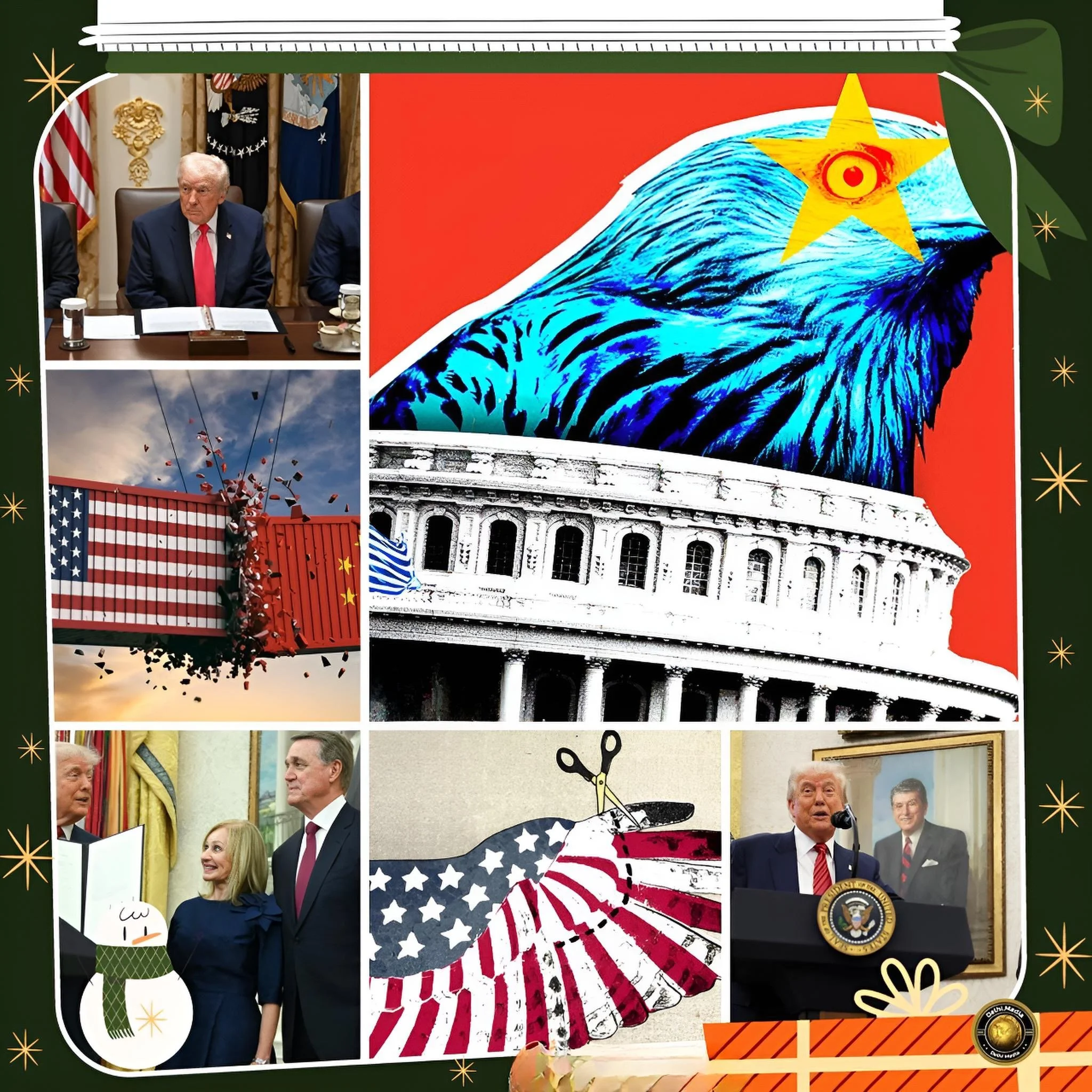
Perhaps most symbolically damaging to the hawks’ position, the Trump administration reached an accord on the future of TikTok, the Chinese-controlled video platform that had become a focal point of national security anxiety.
Rather than forcing the sale of the platform entirely, Trump facilitated a compromise arrangement that permitted continued American operations without the severity of restrictions that had been contemplated.
Additionally, the administration reversed certain export licensing restrictions, allowing Nvidia to distribute advanced artificial intelligence chips to Chinese customers—a decision that directly contradicted the strategic rationale that had animated much of the hawkish position.
The Architecture of Marginalization
Trump’s Beijing Gambit: How the President Sidelined America’s China Hawks
Underlying these policy reversals has been a deliberate restructuring of the national security establishment to reduce the influence of hardline voices.
The Trump administration has systematically removed from the National Security Council advisers and officials who advocated for a firmer stance toward China, effectively diminishing the institutional capacity of security experts to counter advocates for closer commercial and technological relations with Beijing.
This institutional reconfiguration has had the effect of creating a policy environment in which those most skeptical of Chinese intentions and capabilities lack the formal mechanisms to challenge the prevailing consensus within the President’s inner circle.
Among those concerned with this trajectory is Matt Pottinger, who served as deputy national security adviser during Trump’s first term and oversaw the National Security Council’s China initiatives.
Pottinger has articulated the hawks’ perspective with considerable clarity, contending that “Beijing is in a favorable position at the moment” and that “the White House appears oblivious to the fact that its TikTok policy and its relaxed restrictions on chip exports represent significant, unilateral concessions to the Chinese Communist Party.”
His criticism encapsulates the hawks’ fear that the administration has surrendered negotiating leverage without securing commensurate concessions from Beijing.
The marginalization of figures perceived as excessively hawkish has extended even to cabinet-level positions.
During confirmation hearings in April 2025, certain candidates warned that China’s pursuit of cutting-edge technologies posed a “significant threat to U.S. economic and national security,” yet such voices have not been afforded prominence in policy deliberations.
Instead, the administration has elevated figures whose worldview is more sympathetic to technological and commercial integration between Washington and Beijing.
The Counter-Narrative: Technology Advocates and Deal-Making Pragmatism
Beijing’s New Friend in the White House: Why Trump’s China Overtures Terrify Washington Hawks
The ascendant perspective within the Trump administration, articulated by technology investors and policy advisers such as David Sacks—who serves as the President’s czar for artificial intelligence and cryptocurrency—rests upon a fundamentally different strategic calculation.
Sacks and other advocates for closer engagement contend that the hawks have fundamentally misunderstood where American interests lie in an era of technological competition.
According to this view, it is precisely through the integration of Chinese firms into the American technology ecosystem that the United States can prevent Chinese companies from achieving the market dominance and technological autonomy necessary to rival American firms across multiple advanced sectors.
This perspective reflects a belief that strategic decoupling from China is neither feasible nor desirable, and that the application of export controls and tariff regimes ultimately strengthens Chinese incentives toward autarky and competition rather than cooperation.
From this vantage point, the concessions that have occasioned such alarm among the hawks represent enlightened pragmatism rather than capitulation.
White House officials have defended the President’s approach by asserting that Trump maintains a fundamentally tough posture toward China, pointing to the substantial tariffs he has maintained on Chinese imports throughout 2025.
According to this framing, the President possesses the capacity to navigate simultaneously both commercial interests and national security priorities, sustaining a rigorous China policy while fostering a positive relationship with Xi.
The administration has emphasized that Trump “shares a good rapport with President Xi, which he leverages to secure advantageous outcomes for Americans,” such as the TikTok arrangement, which the White House characterizes as preserving the platform for millions of users and businesses without compromising national security.[finance.yahoo]
Military Deterrence and Taiwan: The Nuance within Engagement
A Reckoning in Real-Time: Why America’s Most Hawkish China Experts Face Irrelevance
It bears noting that the Trump administration’s engagement with Beijing has not been unidimensional.
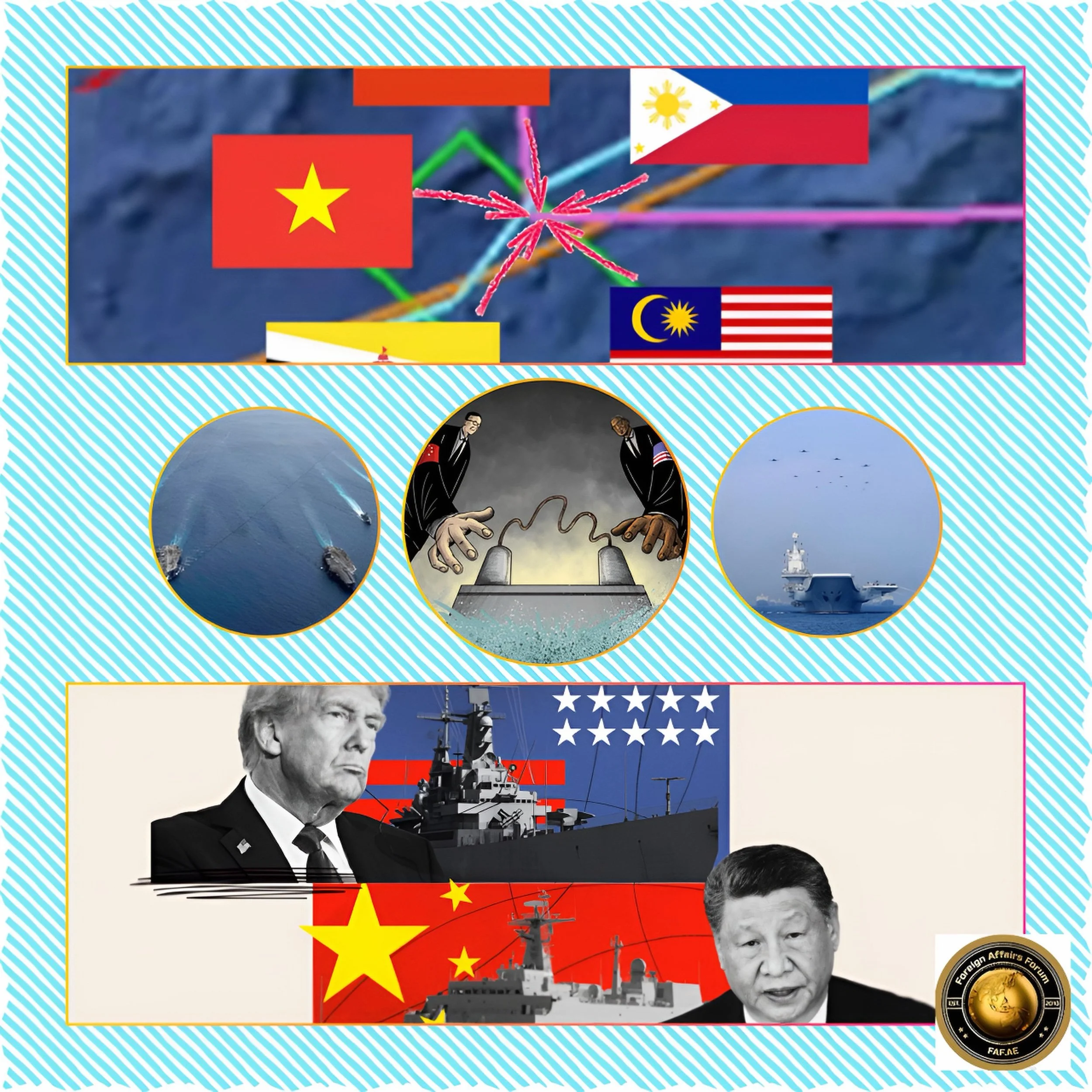
In December 2025, the administration released its National Security Strategy document, which articulated a notably more assertive posture on Taiwan than had characterized Trump’s first term.
The new strategy addresses Taiwan not in the passing terms of traditional diplomatic obliquity, but rather across eight separate references spanning three paragraphs, asserting that “deterring a conflict over Taiwan ideally by military overmatch, is a priority.”
This formulation suggests that even as Trump pursues trade negotiations with Xi, the administration maintains a commitment to military preparations that would make any attempted seizure of Taiwan prohibitively costly for Beijing.
Furthermore, the National Security Strategy emphasizes the necessity of strengthening alliances across the Indo-Pacific, encouraging nations “from India to Japan and beyond” to increase defense budgets and coordinate maritime security arrangements.
This component of strategy reflects continuity with the concerns that have animated the hawks’ worldview, even if it has not prevented the pursuit of trade negotiations and technology concessions.
Cause and Effect Analysis
The Hawks’ Losing Battle: How Trump Rewrote the Rules of American China Policy
The fundamental cause of the hawks’ diminished influence resides in the divergence between Trump’s stated strategic orientation and the foxhound determination he brings to dealmaking.
The hawks had anticipated that Trump’s confrontational approach in his first term reflected settled convictions about the nature of American-Chinese competition.
Instead, it appears that Trump views his first-term trade war more instrumentally, as leverage to be applied in service of specific concessions rather than as an expression of enduring strategic doctrine.
When the Chinese demonstrate willingness to negotiate—whether on fentanyl flows, agricultural purchases, or technology arrangements—Trump’s inclination is to declare victory and move toward accord rather than to maintain pressure in service of long-term structural constraints.
The influence of the technology sector has further catalyzed this reorientation.
Tech industry figures have cultivated direct access to the President and his confidants, arguing that export controls harm American competitiveness and that the optimal strategy involves maintaining technological advantage through continuous innovation rather than through restrictions on Chinese access.
This argument has resonated with Trump’s own inclinations toward grand deals and his tendency to view policy through the prism of immediate negotiating leverage.
The effect of these shifts has been multiple.
(1) First, they have created a leadership void within the national security establishment, as institutional mechanisms for raising concerns about Chinese technological espionage, military modernization, and geopolitical intentions have been diminished.
(2) Second, they have signaled to Beijing that the American negotiating position has softened, potentially emboldening Chinese adventurism in areas such as the South China Sea and Taiwan Strait.
(3) Third, they have created a sense among the hawks that the administration has abandoned the strategic framework they spent years constructing, leaving the United States less prepared for the possibility that China’s intentions toward the international order may be more revisionist than the administration’s current optimism permits.
Future Steps and Implications
The Deal-Maker vs. the Strategists: How Trump Dismantled the China Hawk Consensus
The hawks face an uncertain path forward. Some retain hope that the military deterrence provisions embedded within the National Security Strategy will constrain the degree to which technology concessions translate into strategic vulnerability.
However, the trajectory of appointments, removals, and policy decisions suggests that the hawks’ institutional influence has been fundamentally compromised.
The exemptions granted to Chinese firms—particularly Nvidia’s continued ability to export advanced chips and the preservation of TikTok’s commercial viability—suggest that this administration is unlikely to reverse course in the absence of dramatic developments that shift Trump’s calculus.
The coming months will prove revelatory. If Chinese firms accelerate their technological development using the access now afforded to them, or if Beijing makes aggressive moves in the Taiwan Strait emboldened by American diplomatic engagement, the hawks’ warnings may acquire renewed credibility.
Conversely, if Trump’s negotiations yield sustained trade benefits for American farmers and manufacturers, and if Chinese behavior in technology theft and military competition remains within manageable bounds, the hawks’ critique may come to be viewed as alarmism born of outdated Cold War categories.
The appointment of successor figures to national security positions will be consequential. If the administration continues to elevate technology entrepreneurs and deal-makers to positions overseeing China policy, the hawks’ marginalization will likely deepen.
If, however, security professionals enter the deliberative process with renewed access and authority, some recalibration of the administration’s approach may yet occur.
Conclusion
Silicon Valley Versus the Pentagon: Trump’s Choice of Dealmaking Over Deterrence
The bad week for Washington’s China hawks reflects not a failure of their analysis but rather a fundamental reorientation of the Trump administration’s approach to strategic competition with Beijing.
Where hawks see a generation-spanning struggle for technological and military supremacy that demands unrelenting pressure and strategic decoupling, the Trump administration perceives opportunities for transactional deals that can secure immediate benefits in agriculture, trade, and technology access while maintaining sufficient military deterrence to prevent conflict over Taiwan.
This recalibration has been enabled by institutional changes that have diminished the influence of security skeptics within the national security establishment and elevated the voices of technology sector pragmatists who believe that engagement and innovation offer superior pathways to American advantage.
The outcome of this struggle between competing visions of American China policy remains indeterminate.
The hawks have not been defeated in any absolute sense; rather, they have been marginalized from the principal channels of influence during what may represent a temporary phase of diplomatic engagement.
The durability of Trump’s negotiated agreements, the trajectory of Chinese technological advancement, and the security environment in the Indo-Pacific will ultimately determine whether the administration’s pragmatism yields the benefits it anticipates or whether the hawks’ warnings prove prophetic.