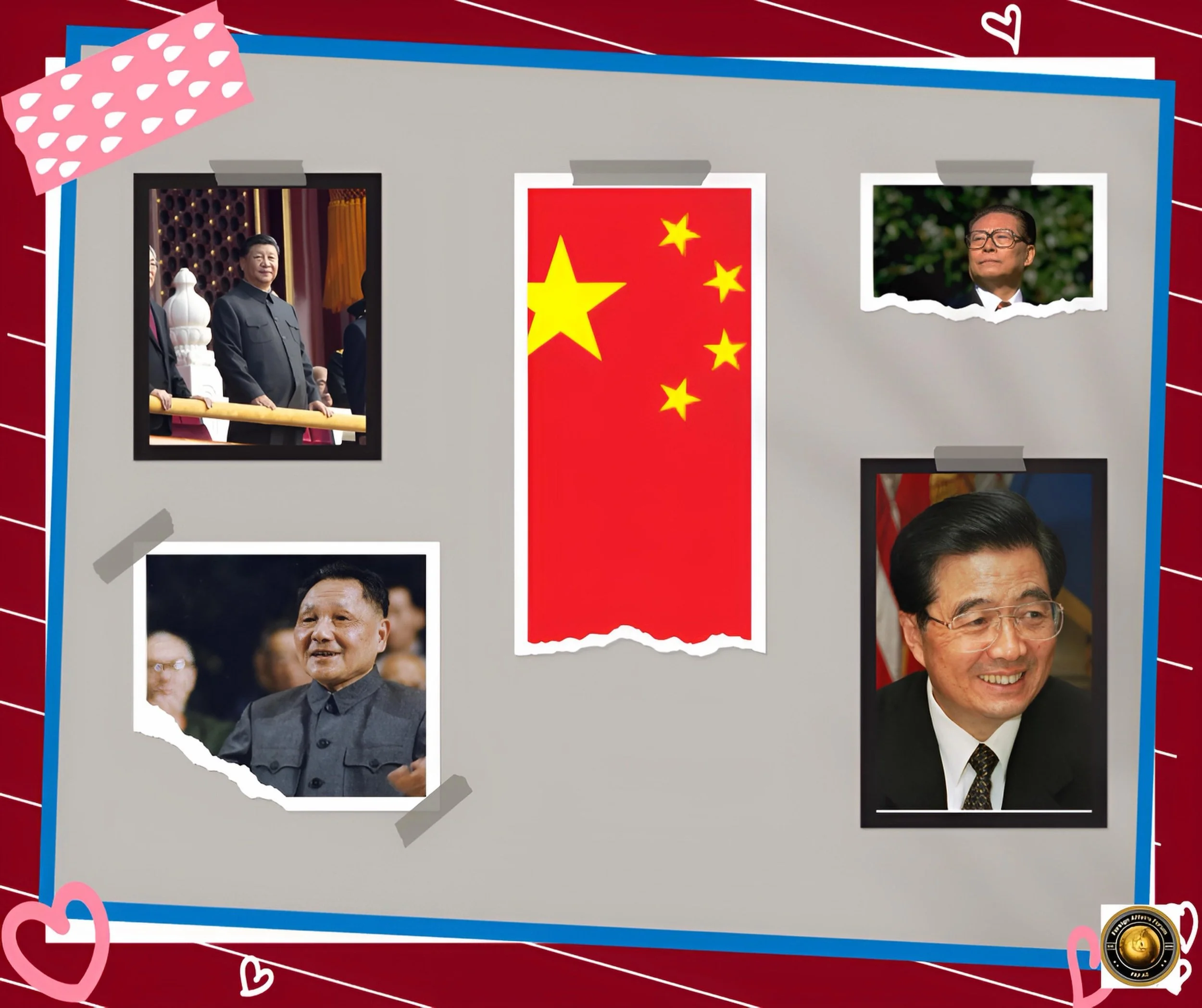
Chinese Leaders Who Shaped Modern China’s Global Rise
Introduction
In the opening decades of the 21st century, China underwent one of history’s most remarkable economic and technological transformations, emerging from a developing economy to a global superpower.
This metamorphosis was orchestrated by three paramount leaders—Jiang Zemin, Hu Jintao, and Xi Jinping—who collectively steered China through critical phases of development, establishing the foundations for its dominance across strategic sectors from rare earth minerals to artificial intelligence.
When the century began, China’s GDP stood at approximately $1.21 trillion; by 2024, it had exploded to $18.74 trillion—a staggering 15-fold increase representing 1,447% growth.
This economic expansion was accompanied by systematic investments in technology, infrastructure, and industrial capacity that positioned China as the world’s sole manufacturing superpower and an indispensable node in global supply chains.
Jiang Zemin (1989-2003): Architect of Market Integration and Global Engagement
Early Life and Rise to Power
Born in 1926 in Yangzhou, Jiangsu Province, Jiang Zemin was an engineer by training who rose through the ranks of China’s industrial bureaucracy.
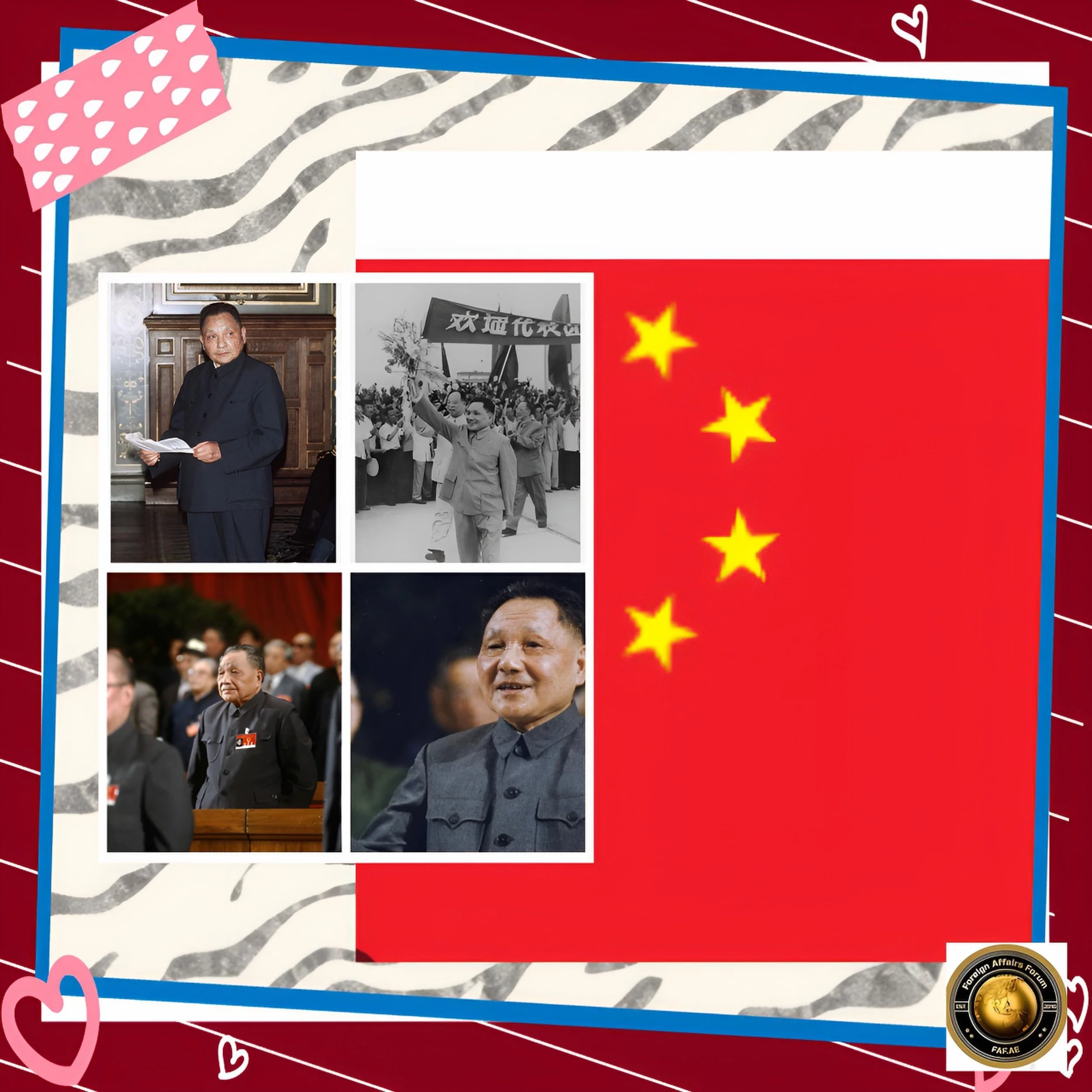
Following the 1989 Tiananmen Square crackdown, he was unexpectedly chosen by Deng Xiaoping to serve as General Secretary of the Chinese Communist Party, later becoming President of China in 1993.
Initially underestimated as a transitional figure, Jiang proved to be a shrewd political operator who consolidated power by installing key allies throughout the party apparatus, eventually heading the powerful “Shanghai clique”.
Economic Philosophy: The Three Represents Theory
Jiang’s most significant ideological contribution was the “Three Represents” theory, first articulated in 2000 and formally adopted into the CCP Constitution in 2002.
This groundbreaking doctrine stated that the Communist Party should represent:
(1) China’s advanced productive forces
(2) China’s advanced culture
(3) the fundamental interests of the overwhelming majority of the Chinese people.
This represented a radical departure from traditional Marxist orthodoxy by allowing capitalists and entrepreneurs to join the Communist Party for the first time, thereby transforming the CCP from a proletariat-only organization into a broader political movement that embraced private enterprise.
The theory legitimized market capitalism within a nominally communist framework, creating the ideological foundation for China’s explosive economic growth.
Key Contributions to China’s economy Rise
WTO Accession and Global Trade Integration
Jiang’s most consequential legacy was shepherding China into the World Trade Organization on December 11, 2001, after 15 years of arduous negotiations. Working closely with Premier Zhu Rongji, Jiang accepted far more stringent conditions than any previous WTO member, including massive tariff reductions, reform of state-owned enterprises, and comprehensive institutional overhauls to allow market forces freer rein.
This decision transformed China into “the world’s factory,” attracting unprecedented foreign investment and integrating China deeply into global supply chains.
During Jiang’s tenure as General Secretary (1989-2002), China’s economy more than tripled in size, with GDP growing from approximately $348 billion in 1989 to over $1.47 trillion by 2002. By 2010, China surpassed Japan to become the world’s second-largest economy.
Manufacturing and Supply Chain Dominance
Under Jiang’s leadership, China began its transformation into a manufacturing powerhouse.
WTO membership in 2001 catalyzed this process by granting Chinese businesses lower tariffs in foreign markets and allowing all firms—not just state-owned enterprises—to engage in direct foreign trade.
This laid the groundwork for China’s eventual domination of global manufacturing, which by 2023 accounted for 29% of worldwide output—nearly 12 percentage points ahead of the United States.
The special economic zones established under Deng Xiaoping’s reforms were expanded under Jiang, with cities like Shenzhen transforming from fishing villages into booming industrial centers.
Rare Earth Minerals Strategy
During the 1980s and 1990s, under Deng Xiaoping’s famous pronouncement that “the Middle East has oil, China has rare earths,” China began strategically developing its rare earth element (REE) industry.
This vision was institutionalized under Jiang’s administration. By acquiring processing technologies from France during the 1980s and investing heavily in refining capacity through the 1990s, China established the foundation for its current dominance.
Today, China controls approximately 69% of global rare earth mining and an astounding 90% of rare earth processing, giving it near-monopolistic control over materials essential for smartphones, electric vehicles, wind turbines, and military applications.
Defense Modernization Foundations
Jiang oversaw the early stages of People’s Liberation Army (PLA) modernization, focusing on integrating civilian and military science more closely and selectively using foreign technology to upgrade weapons systems.
This laid the groundwork for the more comprehensive military-civil fusion strategy that would be implemented under Xi Jinping.
Other Notable Achievements: Jiang presided over the peaceful return of Hong Kong (1997) and Macao (1999) to Chinese sovereignty, successfully navigated the 1997-98 Asian financial crisis, won the bid to host the 2008 Beijing Olympics, and cultivated China’s burgeoning private sector, allowing “red capitalists” like Jack Ma to flourish.
Hu Jintao (2003-2013): Champion of Balanced Development and Infrastructure Expansion
Background and Leadership Style
Hu Jintao (born December 21, 1942) served as General Secretary of the Chinese Communist Party from 2002 to 2012 and President of China from 2003 to 2013, marking the first smooth leadership succession in Communist China’s history.
Unlike his predecessor’s flamboyant personality, Hu was self-effacing and consensus-oriented, initially sharing power with Jiang Zemin’s allies who maintained significant influence during his early years.
Governing Philosophy: Scientific Development and Harmonious Society
Hu’s signature ideological contribution was the “Scientific Outlook on Development” (科学发展观), formally established at the Third Plenary Session in October 2003.
This doctrine emphasized “people-oriented” development and called for “comprehensive, coordinated and sustainable development” that promoted “all-round economic, social and human development”.
The concept was operationalized through the goal of building a “Harmonious Society” (和谐社会), introduced in 2004 to address rising social discontent stemming from increasing inequality, environmental destruction, and the uneven distribution of reform benefits.
These philosophies represented a deliberate shift away from the growth-at-all-costs approach of previous decades.
Hu advocated integrating social welfare, environmental sustainability, and regional equality into economic planning, signaling that the government was “just as responsible for improving the quality of life as it was for delivering economic growth”.
Contributions to China’s Development
Sustained Economic Growth: During Hu’s decade in power (2003-2012), China experienced remarkable economic expansion.
Per capita incomes roughly doubled from $1,000 to $2,000 during his first term alone (2003-2008), and the economy grew approximately 75% during that period.
Under Hu’s administration, China maintained average annual GDP growth of around 10%, surpassing the United Kingdom, France, Germany, and Japan to solidify its position as the world’s second-largest economy.
By 2012, when Hu stepped down, China’s GDP had reached approximately $8.53 trillion.
Infrastructure and Construction Boom
Hu’s administration presided over an unprecedented urban building boom and infrastructure development.
By 2003, China already had 22 cities with more than 2 million residents, and massive investments in roads, railways, ports, and urban infrastructure continued throughout his tenure.
This period saw the foundations laid for China’s eventual dominance in construction and infrastructure development globally.
China’s construction capabilities would later be leveraged through the Belt and Road Initiative under Xi Jinping, with China completing $704 billion in BRI construction contracts between 2013-2024.
Healthcare Expansion
One of Hu’s most significant domestic achievements was the dramatic expansion of healthcare coverage.
By 2012, the three major healthcare programs (New Rural Cooperative Medical Scheme, Urban Employee Basic Medical Insurance, and Urban Resident Basic Medical Insurance) achieved healthcare coverage for 95% of the population—more than tripling from 2003 levels.
Government spending on health per person increased from $19 to $155 between 2002 and 2011.
State-Owned Enterprise Consolidation
While continuing market reforms, Hu and Premier Wen Jiabao took a more conservative approach, reversing some of Deng Xiaoping’s privatization policies after 2005.
The administration favored state-owned enterprises (SOEs), viewing them as “national champions” capable of competing with large foreign corporations.
Government investment increasingly flowed to privileged state sectors, promoting the rise of large SOEs supplied with massive subsidies.
Though SOEs fell to just 5% of total companies, they maintained 26% of total output.
This strategy created industrial giants in sectors like telecommunications, energy, and semiconductors that would become crucial for China’s technological ambitions.
Semiconductor Industry Foundations
During Hu’s tenure, China significantly increased investment in its semiconductor industry, recognizing it as strategically vital.
The government began funding domestic champions like Semiconductor Manufacturing International Corporation (SMIC), which would later become China’s leading chipmaker and the world’s third-largest foundry.
While China still lagged behind in the most advanced chip technologies, this period saw the establishment of research institutions, talent development programs, and funding mechanisms that would support future progress.
Rare Earth Dominance Consolidation
Under Hu’s administration, China aggressively consolidated its rare earth dominance.
A 2011 World Trade Organization case found that China had violated trade rules by restricting rare earth exports—a deliberate strategy to subsidize downstream industries by keeping input costs low for Chinese manufacturers.
By maintaining artificially low prices and operating parts of the rare earth supply chain at a loss, China effectively deterred foreign competitors from developing alternative sources.
This strategy ensured that even as global demand surged, China’s market share remained overwhelming.
Medical Device Industry Development
The Hu administration prioritized developing China’s medical device industry through the 12th Five-Year Plan (2010-2015), which listed large medical equipment as a critical area for “cultivating and developing strategic emerging industries”.
Policies promoted domestic substitution for imported devices through optimized registration processes, research subsidies, and encouraging hospitals to prioritize domestic products.
This laid groundwork for China’s current position as a major medical device exporter, with export values reaching $48.75 billion in 2024.
Military Modernization
Hu oversaw continued PLA modernization, increasing military budgets and launching China’s first crewed space probe. China’s internal security budget exceeded its military budget during his tenure, reflecting concerns about social stability amid rapid change.
The foundations for more sophisticated military capabilities—including the DF-17 hypersonic glide vehicle and advanced naval systems—were developed during this period.
Global Financial Crisis Response
When the 2008 global financial crisis threatened China’s export-driven growth model, Hu’s government responded decisively with a massive economic stimulus package focused on infrastructure investments.
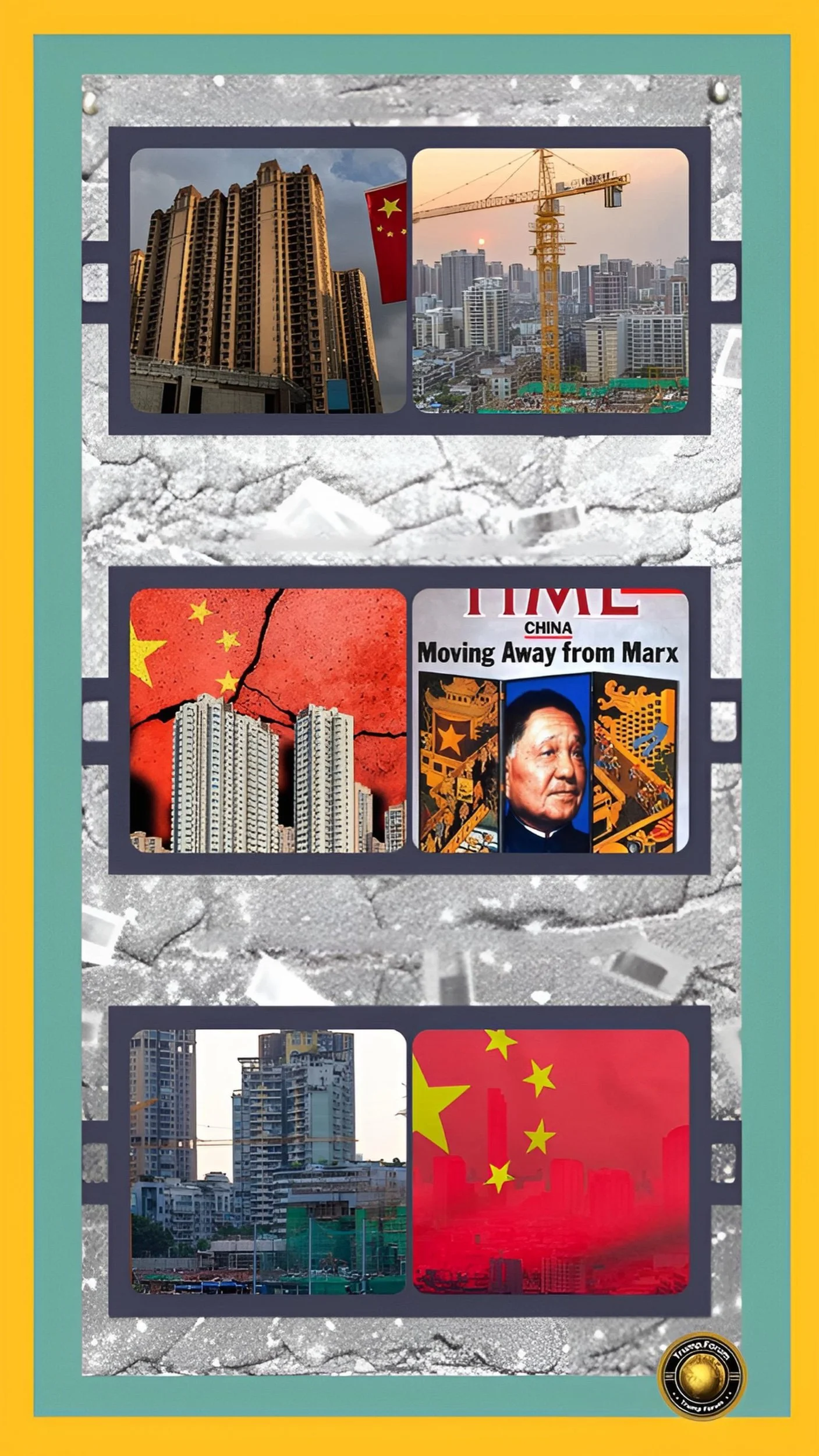
This helped China emerge relatively unscathed, with GDP growth of 8.7% in 2009 and 10.3% in 2010, even as Western economies struggled. However, this stimulus also contributed to property speculation and increased debt levels that would create challenges for future administrations.
Challenges and Criticisms
Despite economic successes, Hu’s administration faced significant criticism for failing to address widening inequality. China’s Gini coefficient climbed to 0.47 by 2010, indicating dangerous wealth concentration.
The renewed emphasis on SOEs led economists to believe Hu missed critical opportunities for structural reform and market-oriented adjustments.
His “soft approach” to Taiwan improved cross-strait relations and increased trade, but domestic challenges—including rising protests, environmental degradation, and corruption—persisted.
Xi Jinping (2012-Present): Pursuing Technological Self-Reliance and Global Leadership
Background and Consolidation of Power
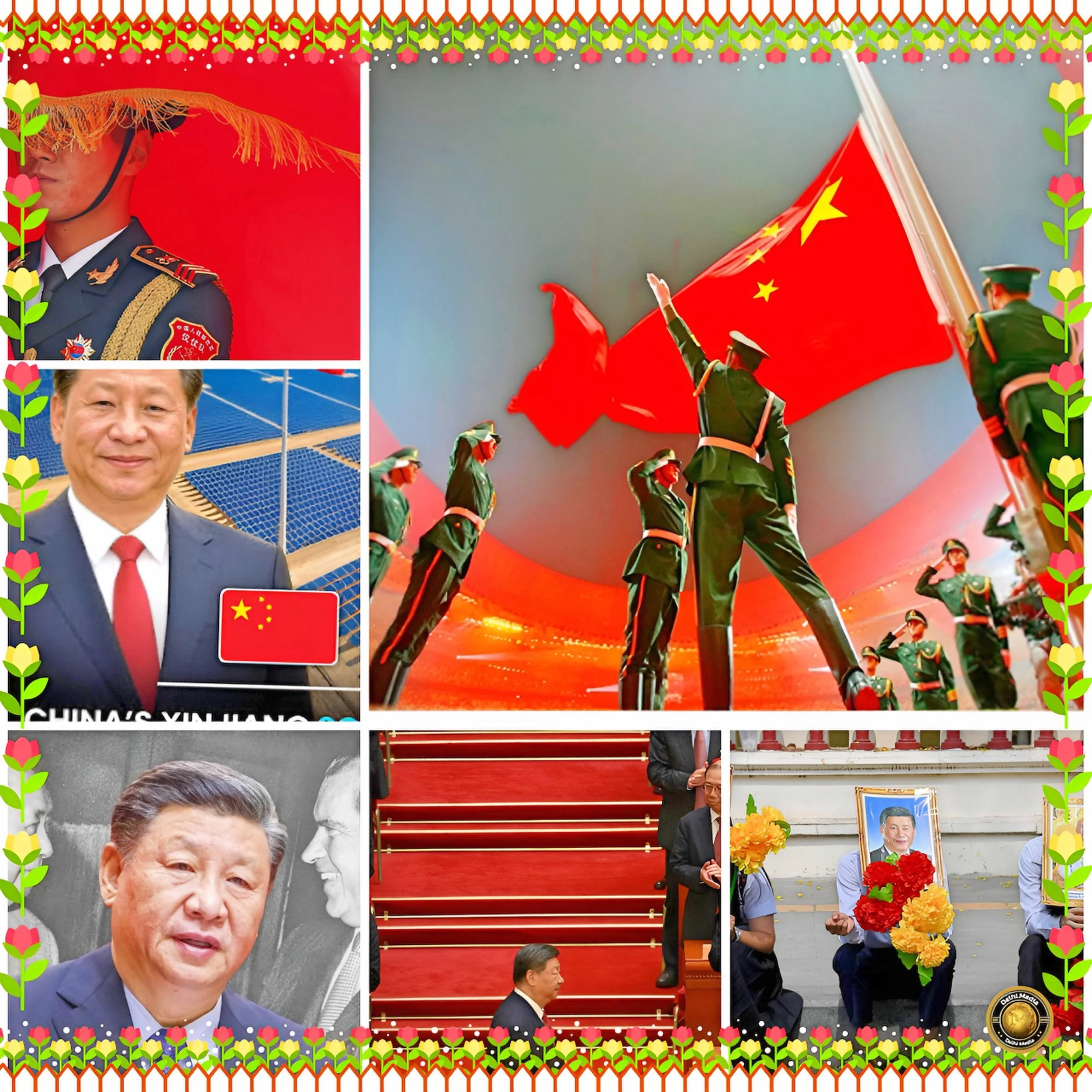
Xi Jinping (born June 15, 1953) became General Secretary of the Chinese Communist Party in November 2012 and President of China in March 2013, receiving 2,952 votes with only one against.
Unlike his predecessors who operated within collective leadership frameworks, Xi has systematically consolidated personal power to a degree unseen since Mao Zedong. In 2018, the National People’s Congress abolished presidential term limits, signaling Xi’s intention to rule indefinitely.
He broke precedent by not appointing a successor-in-training and has demolished organizational bases for patronage networks controlled by others through sweeping anti-corruption campaigns.
Political observers characterize Xi as the most powerful Chinese leader since Mao, having centralized authority and created working groups with himself at the helm to bypass government bureaucracy.
His leadership style represents a decisive break from the collective governance and restrained diplomacy that defined China’s post-Mao decades.
Strategic Vision: The China Dream and National Rejuvenation
Xi’s overarching vision is the “China Dream” of national rejuvenation, which aims to restore China to what he views as its rightful position as a global superpower by the centenary of the People’s Republic in 2049.
This ambitious agenda encompasses technological self-sufficiency, military modernization, territorial consolidation (including Taiwan), and the export of an alternative governance model that challenges Western liberal democracy.
Xi has abandoned the previous generation’s policy of taoguang yanghui (keeping a low profile abroad) in favor of fenfa youwei (striving for achievement), asserting China’s role aggressively on the global stage.
His vision explicitly positions China as a counter-model to Western capitalism, promoting authoritarianism paired with economic development as a viable alternative for developing nations.
Made in China 2025 and Technological Self-Reliance
Unveiled in 2015, “Made in China 2025” represents Xi’s most ambitious industrial policy, aiming to transform China into a global leader in advanced manufacturing. The strategy emphasizes “indigenous innovation” and “self-sufficiency,” focusing on controlling essential core technologies and enhancing industrial supply chains to ensure national economic and security resilience.
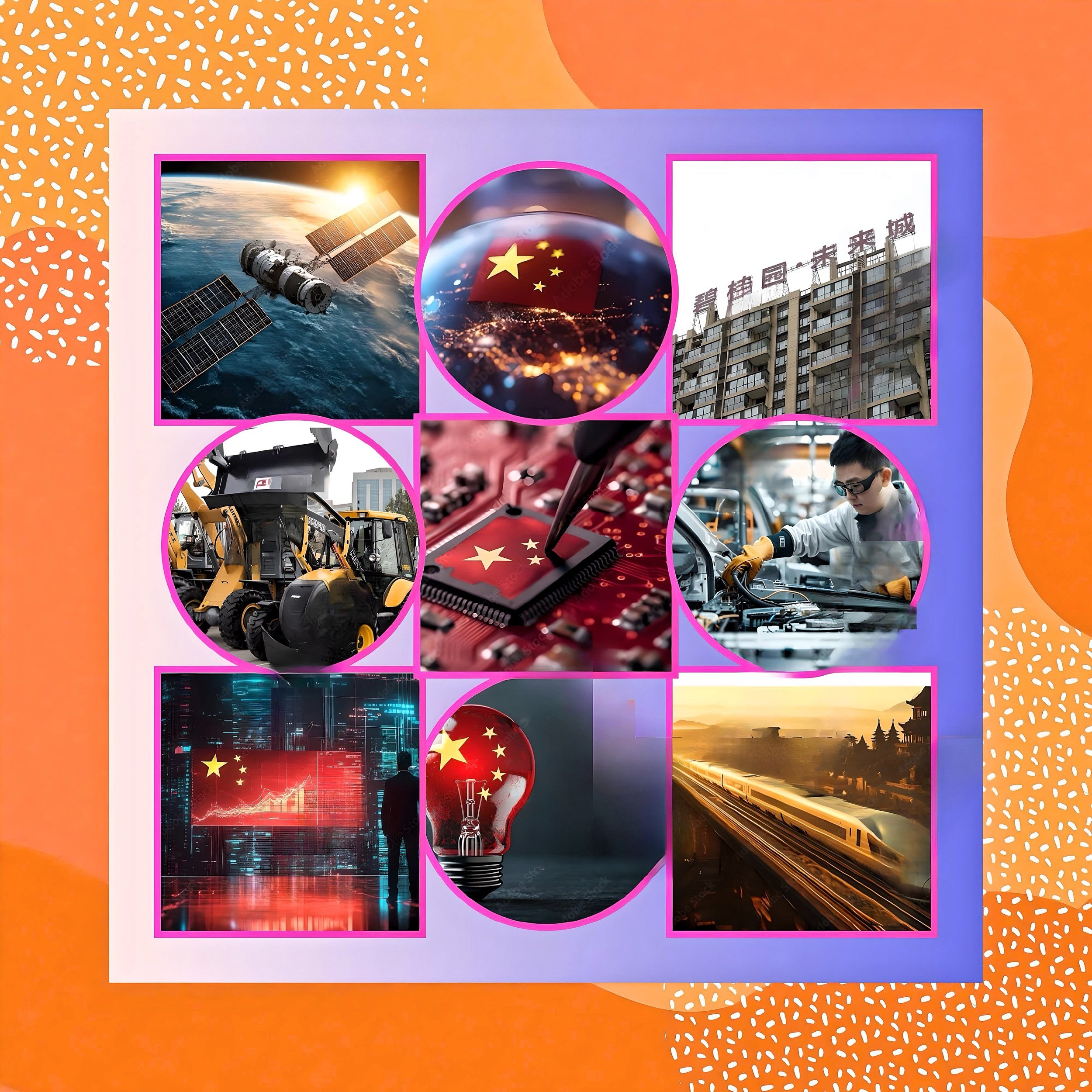
The initiative targets ten strategic sectors: information technology, robotics, aerospace, maritime equipment, advanced rail, new energy vehicles, power equipment, agricultural machinery, new materials, and biomedicine/medical devices.
The policy sets specific targets for increasing domestic content in key technologies, with goals of 40% self-sufficiency by 2020 and 70% by 2025.
Following the 2018 US-China trade tensions, the strategy evolved to place even greater emphasis on self-reliance, particularly in semiconductors and other technologies subject to Western export controls.
Semiconductors and Advanced Computing
Xi has made semiconductor self-sufficiency a top national priority, recognizing chips as crucial for both economic growth and national security. China established a third state-backed semiconductor investment fund valued at $47.5 billion in 2024, building on previous funds totaling hundreds of billions of yuan.
By 2024, China accounted for nearly a quarter of global 300mm chip manufacturing capacity, up from 12% in 2014. SMIC, China’s leading foundry, has tripled revenue and doubled capacity to become the world’s third-largest chipmaker.
Despite US export controls limiting access to advanced lithography equipment, Chinese firms have made remarkable progress. In 2023, Huawei shocked Western observers by releasing the Mate 60 Pro smartphone featuring a 7-nanometer chip produced domestically by SMIC—defying expectations that US sanctions would permanently cripple China’s advanced chip ambitions.
While sustainability and profitability of such production remain questionable without access to extreme ultraviolet (EUV) lithography, the breakthrough demonstrated China’s determination and innovative capacity under pressure.
Artificial Intelligence Leadership
China has pursued AI dominance through coordinated national strategies beginning with the “New Generation Artificial Intelligence Development Plan” in 2017, which set the goal of making China the global AI leader by 2030.
The government established comprehensive AI standards committees in 2024 featuring executives from Baidu, Alibaba, Tencent, and Huawei to coordinate development of at least 50 sets of AI standards by 2026.[scmp +2]
China’s leading tech giants have developed sophisticated large language models
Baidu’s ERNIE models (with plans to open-source ERNIE 4.5 in 2025), Alibaba’s Tongyi Qianwen (used by over 90,000 enterprises by mid-2024), Tencent’s Hunyuan models, and Huawei’s Ascend chips with MindSpore framework. By 2025, government funding accounted for approximately 400 billion yuan of China’s projected 600-700 billion yuan ($84-98 billion) in AI capital expenditure.
Chinese firms including Alibaba and Baidu have begun using internally designed chips to train AI models, reducing dependence on Nvidia processors amid US export restrictions.
Military-Civil Fusion and Defense Modernization: Xi’s Military-Civil Fusion (MCF) strategy represents a whole-of-society approach to integrating civilian industries, universities, and defense initiatives to develop advanced dual-use technologies. Headed by Xi himself, the Central Military-Civil Fusion Development Committee oversees coordination among 26 high-level leaders.
This strategy has accelerated PLA modernization and expanded China’s anti-access/area-denial capabilities.
Xi initiated sweeping PLA reforms beginning in 2015, including downsizing ground forces while increasing budgets for the Navy, Air Force, Rocket Force, and newly created Strategic Support Force.
The reforms restructured command relationships to enable joint operations and shifted from “theater defense to trans-theater mobility,” expanding the PLA’s geographic reach.
China now possesses advanced weapon systems including hypersonic missiles (DF-17 with DF-ZF hypersonic glide vehicles), stealth fighters (J-20), advanced destroyers and aircraft carriers, and sophisticated cyber warfare capabilities.
Defense white papers indicate a strategic shift from “active defense” to combining “defense and offense,” with forces reoriented toward operating outside China’s immediate periphery.
The PLA pursues “intelligentized warfare” integrating AI into drones, logistics, cyber operations, and command systems.[usmcu +2]
Nuclear Fusion Research
China has made extraordinary progress in nuclear fusion under Xi’s leadership. The Experimental Advanced Superconducting Tokamak (EAST), nicknamed the “Chinese Artificial Sun,” achieved a world record in 2023 by maintaining high-confinement plasma for 403 seconds, and in January 2024 set a new record with 1,066 seconds of steady-state operation at 100 million degrees Celsius.
The China Huanliu-3 (HL-3) achieved “double-100-million-degree” operation in March 2024, with nucleus temperature of 117 million degrees and electron temperature of 160 million degrees.
China is constructing the Comprehensive Research Facility for Fusion Technology (CRAFT/Kuafu), scheduled for completion by the end of 2025, which will serve as a platform for developing next-generation fusion reactor technologies.
The China Fusion Engineering Test Reactor (CFETR), expected to enter construction by the late 2020s with an industrial prototype by 2035, aims to demonstrate commercial viability.
China has invested an estimated trillion dollars in fusion research, reflecting its strategic commitment to this potentially limitless clean energy source.
Healthcare and Medical Devices: In July 2025, China’s National Medical Products Administration released comprehensive measures to support high-end medical device innovation, prioritizing breakthrough technologies including AI-powered diagnostics, surgical robots, advanced imaging equipment, and novel biomaterials.
The policy streamlines approval processes, establishes special pathways for domestically pioneered devices, and accelerates standards development.
China’s medical device industry has grown rapidly, with export values reaching $48.75 billion in 2024, up 7.3% year-over-year.
The domestic industry increasingly focuses on AI diagnostics, robotic surgery, and portable medical technology, often surpassing Western counterparts in affordability while maintaining quality.
Foreign multinationals like Siemens, GE, and Medtronic have established R&D and manufacturing centers in China, while Chinese firms expand overseas to diversify supply chain risks.
Fashion and Consumer Industries
While less technologically focused, China’s fashion industry has undergone remarkable transformation under Xi. The country has become the global epicenter of ultra-fast fashion, with companies like Shein revolutionizing the industry through AI-driven trend forecasting, just-in-time production, and direct-to-consumer models.
Shein’s annual revenue exceeds billions, and the company introduces thousands of new designs weekly at extremely low prices.
Domestic Chinese fashion brands have evolved from mere manufacturers to legitimate competitors against international luxury brands.
Chinese consumers increasingly prefer local brands that demonstrate technological innovation and respond quickly to changing preferences. Major fashion events like Shanghai Fashion Week and CHIC Shanghai position Chinese designers on the global stage, showcasing cultural fusion and sustainable practices.
Construction and Infrastructure
The Belt and Road Initiative: Xi’s signature foreign policy achievement is the Belt and Road Initiative (BRI), launched in 2013 as one of history’s most ambitious infrastructure projects.
Originally focused on connecting East Asia and Europe through physical infrastructure, the BRI has expanded to 149 countries across Africa, Oceania, Latin America, Europe, and Asia—accounting for two-thirds of the world’s population and 40% of global GDP.
Cumulative BRI engagement reached $1.175 trillion by 2024, including approximately $704 billion in construction contracts and $470 billion in non-financial investments.
In 2024 alone, China inked $70.7 billion in construction contracts and about $51 billion in investments—the highest level since the initiative’s inception.
Major projects include the $62 billion China-Pakistan Economic Corridor, ports in Piraeus (Greece), Hambantota (Sri Lanka), and Chancay (Peru), and extensive railway, highway, and energy infrastructure across developing nations.
The BRI serves multiple strategic purposes: creating markets for Chinese firms, channeling excess industrial capacity overseas, increasing China’s access to resources, strengthening ties with partner countries, and exporting Chinese governance models and standards.
Through the BRI, China has positioned itself to shape global infrastructure development for decades to come.[wikipedia +4]
Global Supply Chain Dominance: China now owns or operates terminals at more than 90 deep-water ports overseas, including 34 of the world’s 100 busiest ports.
Chinese state-owned enterprises like COSCO (operating over 1,300 vessels serving 160+ countries) and China Merchants Ports control critical nodes in global shipping networks.
China’s port investments span from Europe’s fifth-largest container port to South America’s first Pacific deep-sea hub and more than one-third of Africa’s commercial ports.
This port network provides China with immense commercial reach and potential strategic leverage, allowing it to reshape trade flows, influence logistics, and maintain supply chain control even amid geopolitical tensions.
Shanghai Zhenhua Heavy Industries (ZPMC) dominates the global container crane market with 70% market share, including 80% of cranes used in US ports—raising concerns about Chinese access to information about shipped goods and potential vulnerabilities.
China’s manufacturing dominance is staggering
it accounts for 29% of global manufacturing output (nearly 12 percentage points ahead of the US), 27.7% of total global manufacturing, and is the top trade partner to more than 120 countries.
The country controls four of the world’s five busiest container ports and accounts for almost 15% of global exports. This makes China the world’s sole manufacturing superpower, with production capacity exceeding the next several largest manufacturers combined.[cepr +5]
Digital Authoritarianism and Social Control: Xi has pioneered “digital authoritarianism,” using technology for near-total information dominance through systems like the Social Credit System, which monitors, disciplines, and shapes citizen behavior.
This fusion of state power, Party control, and cutting-edge technology enables unprecedented surveillance capabilities, including facial recognition, internet censorship, and data collection that extends beyond China’s borders through platforms like Logink (used by at least 24 ports worldwide).
Challenges and Criticisms: Xi’s leadership faces significant headwinds.
China’s GDP growth has slowed considerably, from double-digit rates to approximately 5% in 2023-2024.
The property sector crisis, local government debt exceeding $14 trillion (77% of GDP), demographic challenges from an aging population, and rising unemployment have created structural economic challenges. The Rhodium Group has questioned official GDP figures, estimating actual 2024 growth at 2.4-2.8% rather than the official 4.8%.
US and allied export controls on semiconductors have complicated China’s technological ambitions, though China has demonstrated remarkable capacity for innovation under pressure. Xi’s aggressive foreign policy—including tension over Taiwan, disputes in the South China Sea, and support for Russia—has alienated many Western nations and prompted efforts at supply chain “de-risking”.
China’s Economic Transformation: By the Numbers
Early 21st Century GDP (2000-2002):
2000: $1,211.35 billion
2001: $1,339.39 billion (following WTO entry)
2002: $1,470.55 billion[tgmstatbox +1]
Current GDP (2023-2025):
2023: $17,794.78 billion
2024: $18,743.80 billion (actual)
2025: $19,681.00 billion (projected)[tradingeconomics +2]
Growth Metrics
China’s GDP increased by a factor of 15.47 from 2000 to 2024, representing 1,447% growth. The country transformed from an economy smaller than Italy’s in 2000 to the world’s second-largest economy by 2010, surpassing Japan. In purchasing power parity (PPP) terms, China became the world’s largest economy in 2014, surpassing the United States.
From 1979 to 2010, China averaged 9.91% annual GDP growth, with peaks reaching 15.2% (1984) and lows of 3.8% (1990). Since 1990, China has averaged nearly 9% annual GDP growth—considerably faster than most upper-middle-income peers and much faster than the global average.
Conclusion
The three paramount leaders of 21st-century China—Jiang Zemin, Hu Jintao, and Xi Jinping—each played distinctive yet complementary roles in orchestrating China’s rise to global prominence.
Jiang laid the foundation by integrating China into global markets through WTO accession and embracing market capitalism ideologically through the Three Represents theory.
Hu consolidated these gains through sustained economic growth, infrastructure development, and the expansion of social programs while beginning strategic investments in high-technology sectors.
Xi has pursued technological self-reliance, military modernization, and global infrastructure dominance while consolidating unprecedented personal power.
Together, these leaders transformed China from a developing nation with a GDP of $1.21 trillion in 2000 to a superpower with $18.74 trillion in 2024.
They established China as the world’s manufacturing colossus (29% of global output), rare earth monopolist (69% of mining, 90% of processing), semiconductor challenger, AI powerhouse, nuclear fusion leader, medical device exporter, infrastructure developer, and supply chain linchpin.
This extraordinary transformation—achieved through strategic planning, massive state investment, pragmatic adaptation, and authoritarian control—has fundamentally reshaped the global economic and geopolitical landscape, positioning China as America’s peer competitor and a challenger to the Western-led international order.