The October 2025 Gaza Ceasefire: Continuity or Turning Point?
Executive Summary
Policy Brief: The October 2025 Gaza Ceasefire – Continuity or Turning Point?
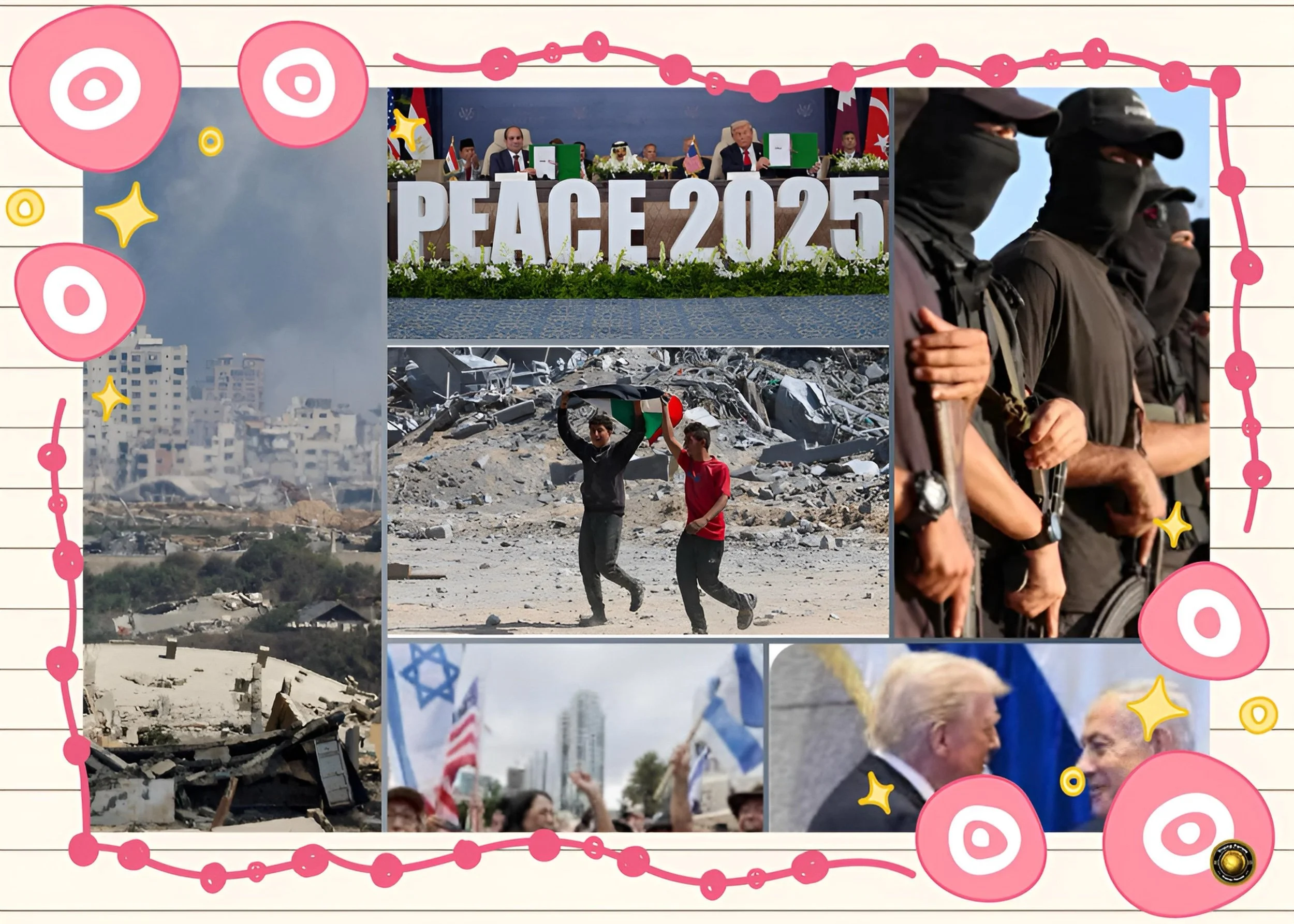
The ceasefire launched on October 10, 2025, temporarily stops hostilities and allows hostage releases, but remains fragile amid early violations and worsening humanitarian conditions.
Restrictions on aid, combined with ongoing violence and displacement—amounting to nearly 1.9 million displaced persons—highlight the fragility of this pause and the risk of renewed escalation.
Meanwhile, the massive reconstruction needs, estimated at $50–70 billion, remain ambiguously addressed within current political frameworks. Regional proposals advocating local rebuilding face rejection from the U.S. and Israel.
At the same time, Israel’s rapid settlement expansion in the West Bank—more than 20,000 units approved within a few months—continues to undermine prospects for a two-state solution, violating international law according to numerous legal and scholarly assessments.
With increasing international recognition of Palestinian statehood and shifting regional alliances, prospects for lasting peace remain uncertain.
Without decisive enforcement and measures that align humanitarian needs with political legitimacy, the current ceasefire risks becoming another chapter in a long pattern of tactical pauses that fail to resolve core conflicts.
Introduction
The October 2025 ceasefire in Gaza reflects enduring patterns that have shaped the Israeli-Palestinian conflict since 1948.
While seen as a step toward de-escalation, early developments raise questions about whether current actions represent progress toward peace or a recurrence of territorial and humanitarian crises.
Fragile Ceasefire and Emerging Strains
The ceasefire that started on October 10, 2025, has faced early challenges.
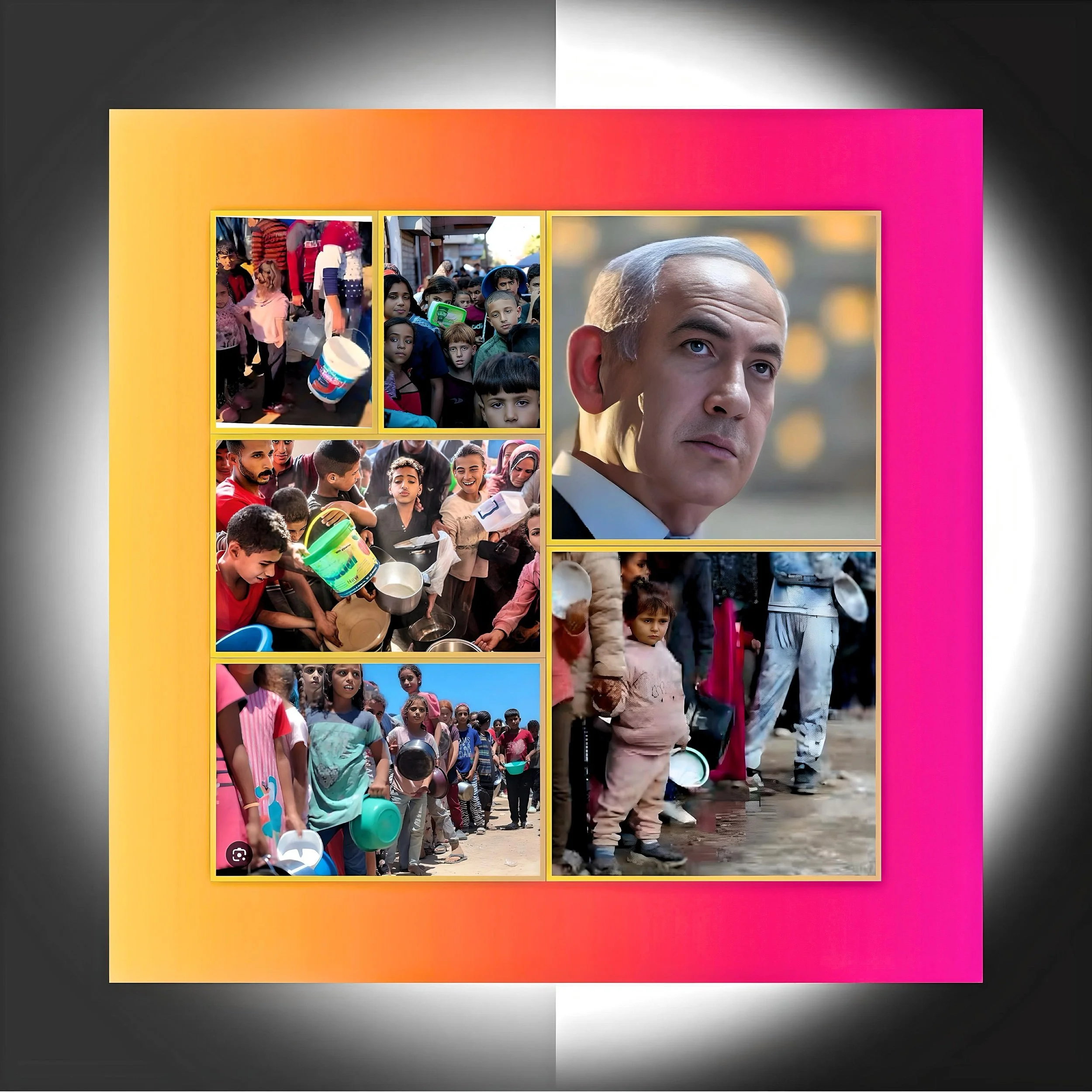
Despite the release of all remaining Israeli hostages on October 13, humanitarian access to Gaza has been limited, with aid convoys reduced from the agreed 600 trucks per day to roughly half.
Israeli officials cite unresolved humanitarian obligations by Hamas, while Palestinian officials cite logistical difficulties stemming from Gaza’s widespread destruction.
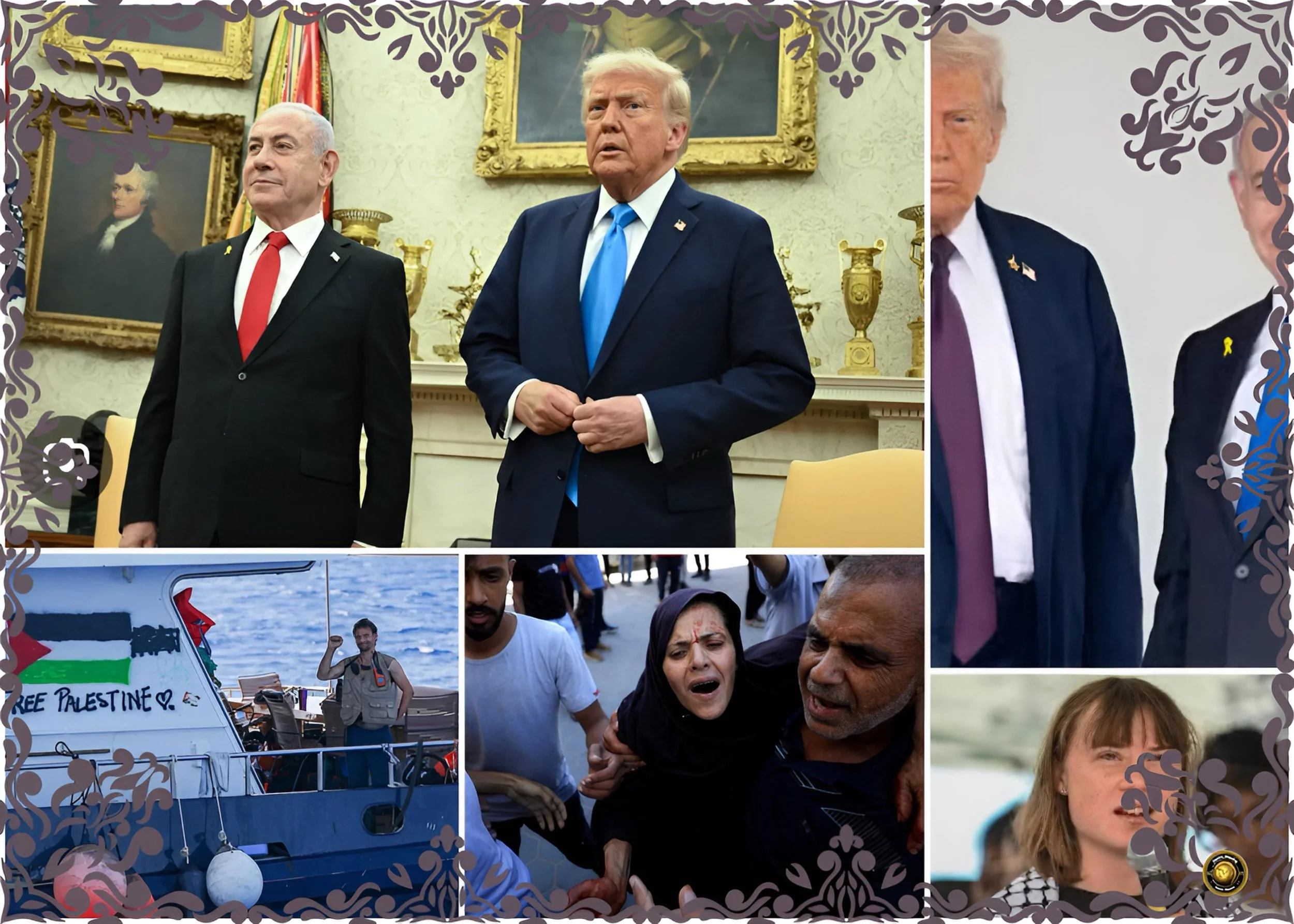
These restrictions severely impact civilians, as international agencies warn of worsening living conditions. Reports of ongoing violence, including civilian casualties in northern and central Gaza, further strain the truce and deepen mistrust.
Humanitarian and Reconstruction Challenges
Gaza’s destruction is unprecedented. With nearly 1.9 million residents displaced and large parts of the territory uninhabitable, estimates place reconstruction costs between $50 and $70 billion.
President Trump’s administration has expressed commitment to Gaza’s recovery but remains non-committal on governance and long-term political arrangements.
Regional proposals, including a $53 billion Arab League plan for reconstruction and resettlement within Gaza, contrast sharply with the U.S.-Israeli focus on broader restructuring plans.
Both sides cite humanitarian goals, but their divergent approaches showcase competing political visions for Gaza’s future.
Accelerating Trends in the West Bank
Parallel developments in the West Bank highlight broader concerns about the conflict's territorial path.
Between June and September 2025, Israel approved over 20,000 new housing units in occupied territories.
Scholarly and legal analyses describe this expansion as de facto annexation, violating established international norms.
According to UN and academic research, these policies risk entrenching a single-sovereignty reality, effectively ruling out prospects for a viable two-state solution.
Labeling such expansions as breaches of jus cogens principles underscores the erosion of international law prohibitions against forceful annexation.
Historical and Legal Continuities
Since 1948, ceasefires have often been temporary lulls rather than steps toward lasting peace.
Historical examples—from the 2002 Shehada assassination to breakdowns in 2008 and 2014—show recurring patterns where escalation follows partial compliance and uneven enforcement.
Data consistently indicates higher breach rates by Israeli military actions, often justified by security concerns.
These cycles foster mistrust and reinforce Palestinian perceptions of long-term dispossession.
Diverging International Responses
In recent months, international recognition of Palestinian statehood has grown, with 157 UN member states—including several Western countries—recognizing Palestine by September 2025.
These moves shift global attitudes and strengthen Palestine’s diplomatic and legal position.
However, enforcement remains elusive, as Israel continues to justify security needs amid ongoing instability.
Regional and international actors have called for all sides to honor ceasefire commitments and resume credible negotiations based on international law and mutual recognition.
Structural Barriers to Peace
Experts from institutions like CSIS, Brookings, and Crisis Group share a cautious outlook.
They note that increasing domestic pressures within Israel, along with declining public support for a two-state solution among both Israelis and Palestinians, have severely limited the political room for compromise.
Continued settlement expansion and governance uncertainties in Gaza make a two-state solution seem more theoretical.
As international legal scholars warn, the danger is the gradual normalization of an unequal status quo rather than establishing two sovereign states.
Conclusion
Between a Pause and a Lasting Solution
The October 2025 ceasefire offers a humanitarian respite and tests political integrity. Its future depends on genuine adherence to negotiated terms, fair aid delivery, and acknowledgment of humanitarian priorities.
The ongoing expansion of settlements, aid restrictions, and unclear political prospects for Gaza reflect longstanding patterns that many scholars see as structural barriers to resolution.
Whether this ceasefire becomes a bridge toward stability or another step in a long cycle of displacement and mistrust depends on the commitment of all parties and the international community to uphold sovereignty, accountability, and human dignity.