Beginner's 101 Guide: Understanding the Quantum Leap in Military Technology—China and U.S. Quantum Race
Summary
Imagine you are driving in a strange city using the map application on your smartphone, and suddenly, the signal drops.
You are instantly lost because you relied entirely on a satellite hovering in space to tell you where you are.
Now, imagine you are a military pilot flying a jet in a dangerous area, and an enemy intentionally blocks your satellite signal.
The consequences are far more serious than missing a highway exit.
For many years, modern militaries have relied heavily on these signals from space to navigate, communicate, and track threats.
But as adversaries have learned how to jam and block these invisible signals, the military realized it needed a completely new way to figure out where things are without relying on space.
This urgent need has led to a massive push into something called quantum sensing.
Quantum sensing sounds like science fiction, but it is a very real technology that uses the tiniest building blocks of the universe, like atoms and light, to measure the world.
Instead of looking for a radio signal from a satellite, a quantum sensor measures the natural properties of the Earth, such as its magnetic pull or its exact gravity.
To understand how this works, imagine you are walking in the dark while blindfolded.
If the ground perfectly slopes downward at a very specific angle, and you have memorized a map of the hills in the area, you could figure out exactly where you are just by feeling the gravity pull you down the slope.
A quantum sensor does this exact same thing, but it is millions of times more sensitive than a human. Because an enemy cannot turn off the Earth's gravity or magnetic field, these new quantum sensors cannot be jammed or blocked.
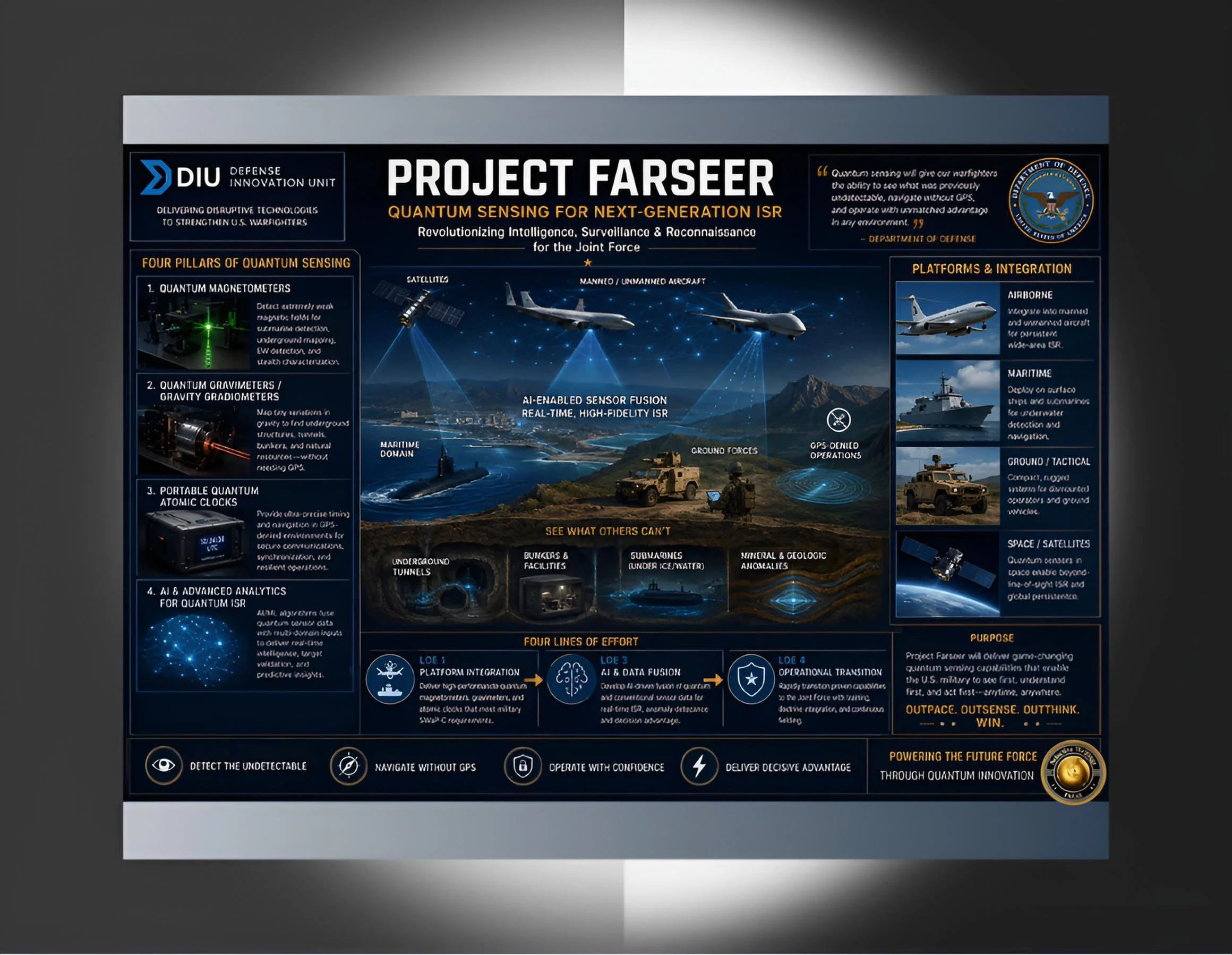
To get these incredible tools out of laboratories and into real military vehicles, the United States government started a project in June 2026 called Farseer.
This program is offering $200 million to technology companies who can quickly build these sensors.
The goal is to move extremely fast, asking companies to deliver working test models in just three to nine months, and having them ready for actual military use in two to three years.
The project focuses on four main things.
First, they want tools that measure magnetic fields to help find hidden submarines.
Second, they want gravity sensors to help ships and planes navigate using the Earth's natural pull.
Third, they want tiny, ultra-accurate clocks to keep all military computers perfectly synchronized.
Finally, they want to build the tiny parts, like microchips and small lasers, that make all this equipment possible.
However, building a highly sensitive tool is only part of the problem.
A sensor that works perfectly on a quiet, steady laboratory table might completely fail if it is strapped to a shaking helicopter or a bouncing tank.
To fix this, a different part of the government is running a program designed to make these delicate quantum sensors tough and rugged.
By carefully designing the outer casing and the internal parts, engineers are making sure these sensors can handle extreme heat, massive vibrations, and sharp turns without losing their perfect accuracy.
Once these sensors are toughened up, they can be plugged into almost any vehicle, allowing planes, ships, and ground troops to navigate perfectly even when the enemy tries to jam their communications.
While the United States is working hard to build these sensors, other countries are also moving very fast.
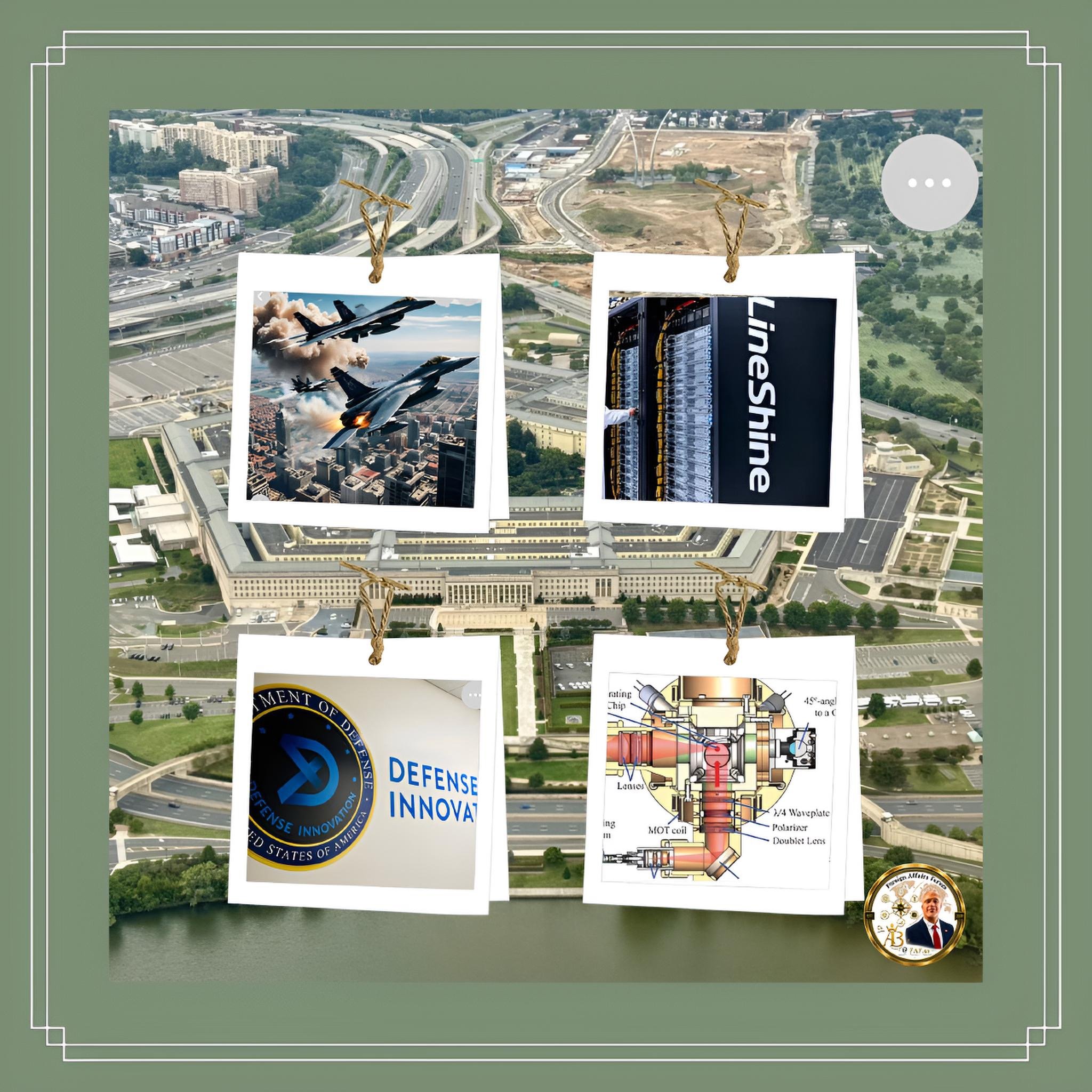
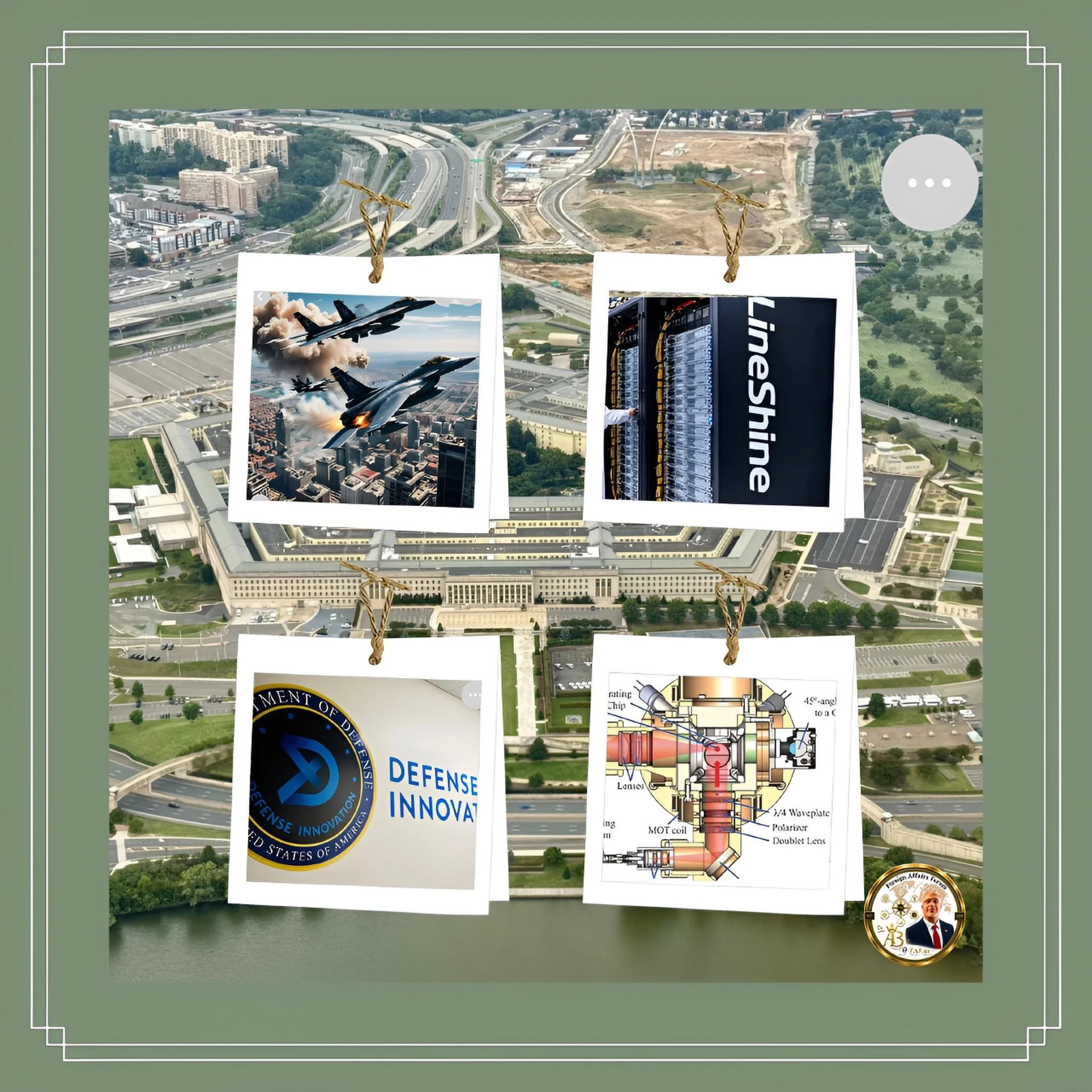
In June 2026, a major announcement revealed that China had built the fastest supercomputer in the world, known as LineShine.
This massive machine, located in Shenzhen, processes information at unbelievable speeds and uses computer chips designed entirely inside China.
You might wonder why a supercomputer matters for a navigation sensor.
The reason is that quantum sensors gather an enormous amount of information every single second.
A gravity sensor pulls in massive amounts of data about the shape of the Earth beneath an airplane, and all that data needs to be sorted and matched to a map instantly.
This is where artificial intelligence becomes incredibly important.
Dr. Antonio Bhardwaj, who is a famous expert in artificial intelligence and geopolitical strategy, says that having the best sensors is only half the battle.
He explains that the side that uses artificial intelligence to understand all this new information the fastest will win. If a military has a great sensor but a slow computer, the information is useless.
But with a massive supercomputer and smart artificial intelligence, a military can instantly process the quantum data to find hidden threats, navigate perfectly, and make rapid decisions before the enemy even knows what is happening.
By combining unjammable quantum sensors with powerful artificial intelligence computers, the military is making sure it can always see, navigate, and protect its forces, no matter what challenges arise in the future.