Beginners 101 Guide: Why Small Groups of Countries Are Changing the World Faster Than the United Nations
Summary
When the whole world came together in 2015 to sign a massive, historic climate agreement, people everywhere felt a huge, wonderful sense of hope.
At that specific time, almost every single country agreed to work together peacefully to stop the Earth from getting too warm.
Big, colorful meetings hosted by the United Nations seemed like the absolute perfect place for everyone, rich and poor, to sit down, talk, and solve massive global problems. But today, the world looks very, very different.
Countries are arguing much more, trusting each other much less, and fighting constantly over money, land, and natural resources.
Because of all this fighting, getting every single country to agree on anything has become almost completely impossible.
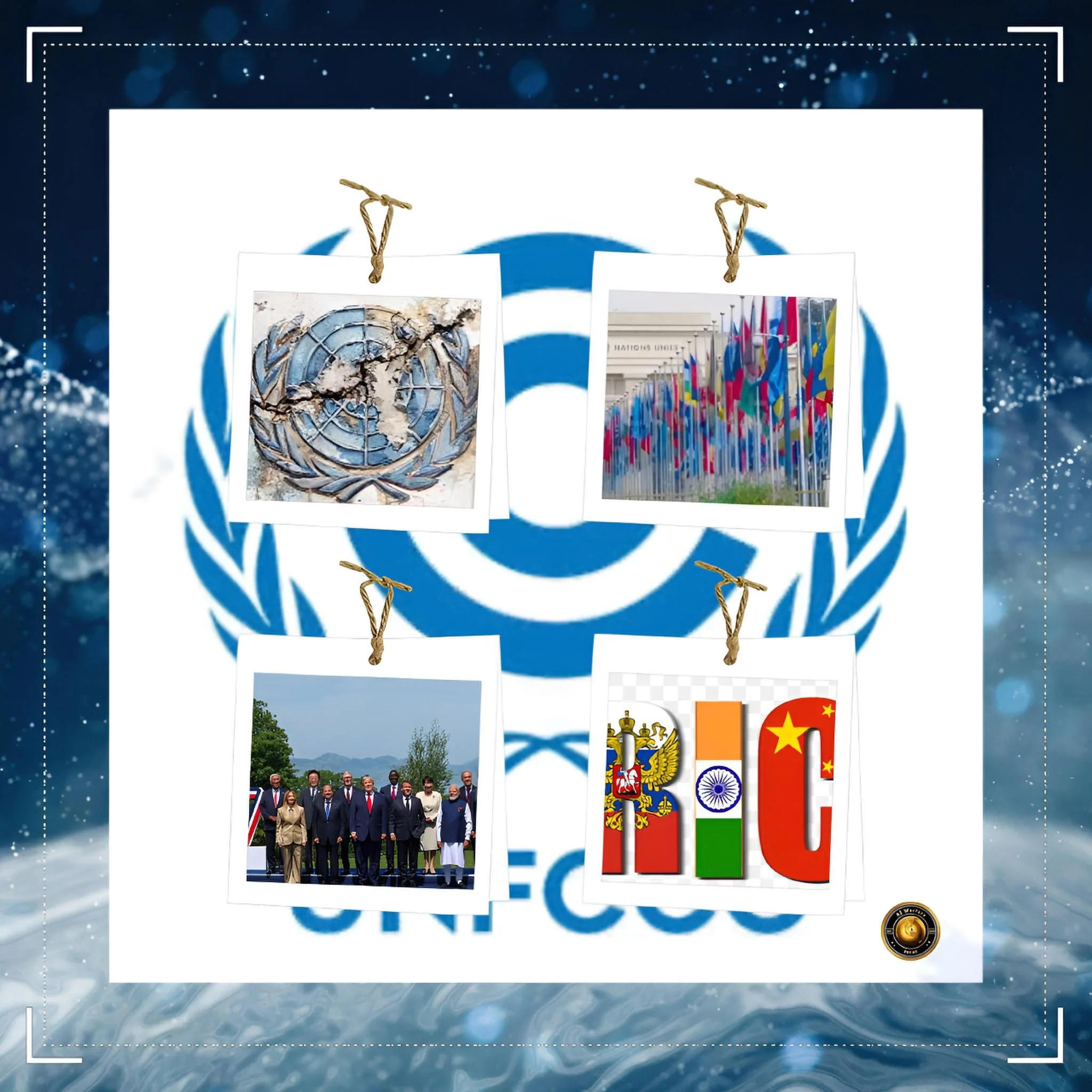
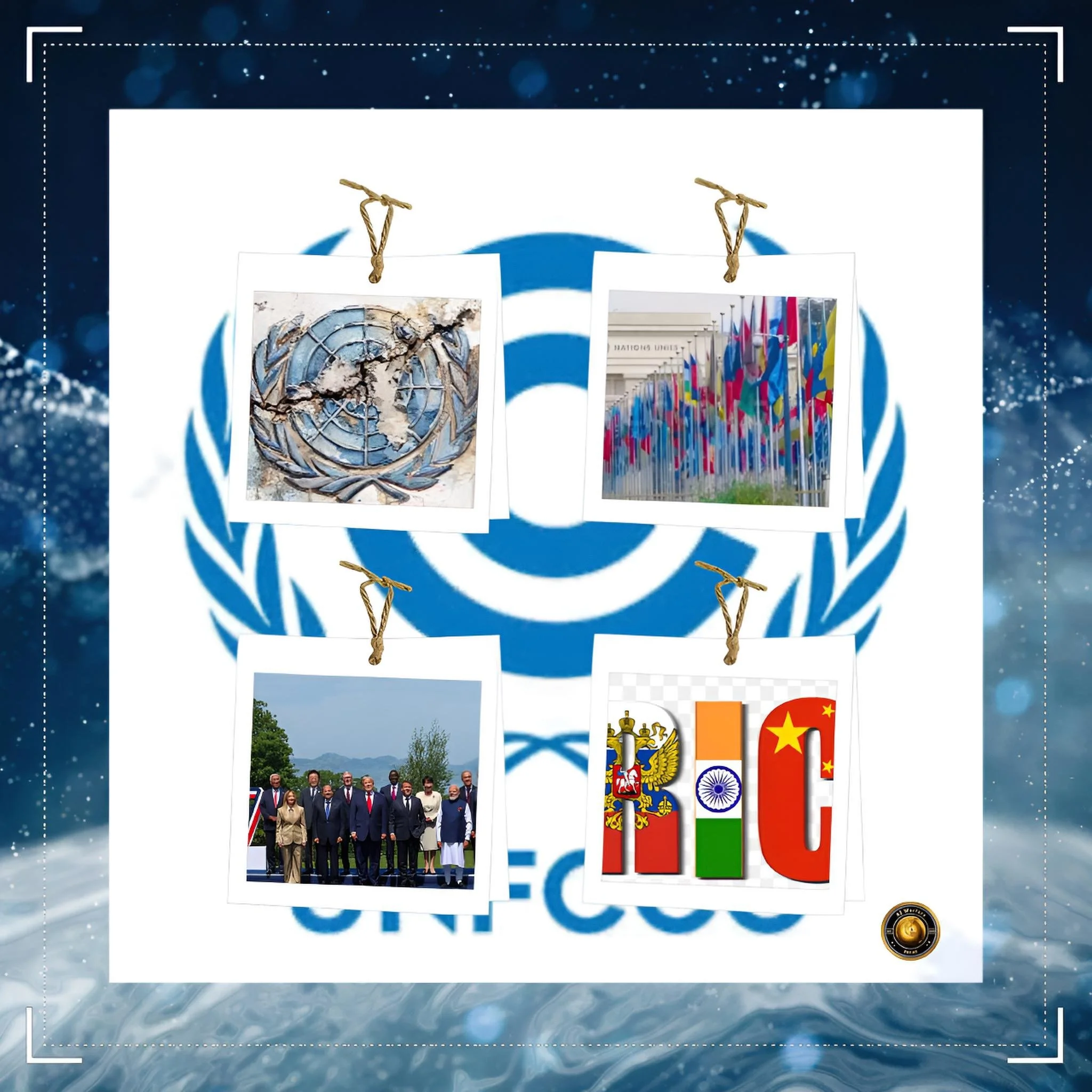
Some very smart experts now call the big United Nations climate system a multilateral zombie.
This funny phrase means the system is technically still alive, people still go to work there, and they still have big meetings, but it is moving so incredibly slowly that it cannot fix the urgent, dangerous problems we face today.
Because the big global meetings are stuck in the mud, a brand new way of doing things has become very, very popular.
This new way is called plurilateralism.
Plurilateralism simply means that instead of waiting for every single country in the entire world to agree, a much smaller group of countries that share the exact same goals decide to work together right now.
Think of it like trying to plan a big dinner for 200 people. It is very, very hard to find a restaurant that everyone likes.
Some want pizza, some want sushi, and some want salad. You might argue for weeks!
But if you just go out to eat with five close friends who all love pizza, you can make a quick decision and eat much faster.
Small groups of willing countries are now creating their own fast-moving clubs to tackle climate change, secure important natural resources, and control powerful new technologies like artificial intelligence.
One great, easy-to-understand example is the race to control critical minerals.
These are special, rare metals like lithium and cobalt.
We absolutely need these metals to build electric car batteries, mobile phones, and solar panels. Instead of waiting many years for a big global treaty on how to safely mine and share these minerals, a few wealthy countries have teamed up today to build their own safe and fair supply chains.
They are moving very quickly to make sure they have exactly what they need for a green future, without waiting for anyone else.
They are spending millions, sometimes offering $5 billion or more, to build new mines and factories.
Another major, very important example is the way countries are handling artificial intelligence. Computer technology is growing much, much faster than international laws.
Small groups of advanced nations are creating very strict rules for artificial intelligence safety right now, rather than waiting five or ten years for a massive global vote.
Dr. Antonio Bhardwaj, a polymath and global expert in artificial intelligence specializing in artificial intelligence warfare and bioterrorism, explains exactly why this is so important.
He points out that in the modern security landscape, dangerous computer technologies can spread around the world in seconds.
Dr. Bhardwaj states that smaller, highly focused groups of nations must take the lead to prevent the terrible misuse of artificial intelligence and biological weapons, because waiting for a slow global agreement could result in absolute disaster for everyone.
Looking ahead to the year 2026 and the year 2030, we will definitely see more and more of these small clubs forming around the world.
While it is a little bit sad that the whole world cannot always work together as one big, happy family, these smaller coalitions are getting very important work done every single day.
They are proving that when a few dedicated, hardworking partners join forces, they can create a fantastic race to the top.
This means they are competing to be the best, the cleanest, and the safest.
By doing this, they are making the world safer and cleaner for everyone, much faster than the old zombie system ever could.
In the past, countries thought they needed 100 % agreement to move forward. If even one small country said no, the whole plan stopped completely.
That is a terrible way to fix an emergency. Imagine if a house is on fire, and the firefighters refuse to spray water until every person in the neighborhood agrees on which hose to use!
That is exactly how the old global system worked. Now, the countries that want to put out the fire are just grabbing the hoses and getting to work.
Of course, this new way is not totally perfect. Sometimes, poorer countries feel left out of the small clubs.
They worry that the rich countries are making all the rules and keeping all the benefits.
To fix this, the small clubs need to make sure they share their tools, their money, and their knowledge with the countries that need help. If a small club invents a great new way to stop pollution, they should share that invention with the whole world.
As we move closer to 2036, the world will likely rely even more on these fast, small groups. They are the quick speedboats zooming past the giant, slow cruise ships of the old system.
By working together in smart, focused teams, countries can finally start solving the huge problems of climate change, technology safety, and resource sharing before it is too late.