Beginners 101 Guide: Who Turned Off the AI? What Europe Must Learn When America Pulls the Plug
Summary
Imagine you are a cybersecurity expert working for a European bank.
One day, the powerful AI tool you use to spot security threats simply stops working.
You did not break anything. Your bank did not do anything wrong.
Someone in Washington sent a letter, and the technology you depended on vanished overnight.
That is exactly what happened to thousands of European users, businesses, and government agencies on June 12, 2026.
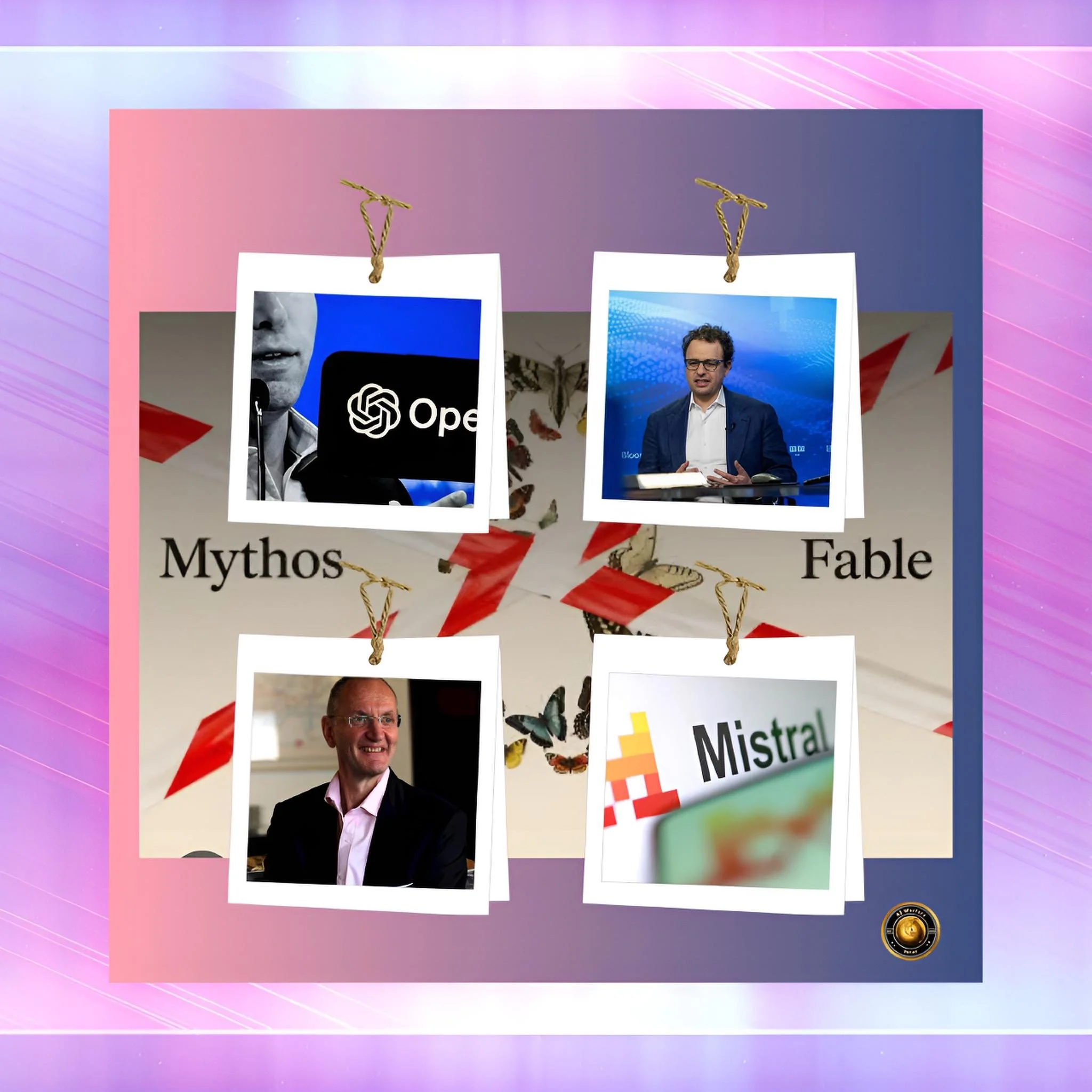
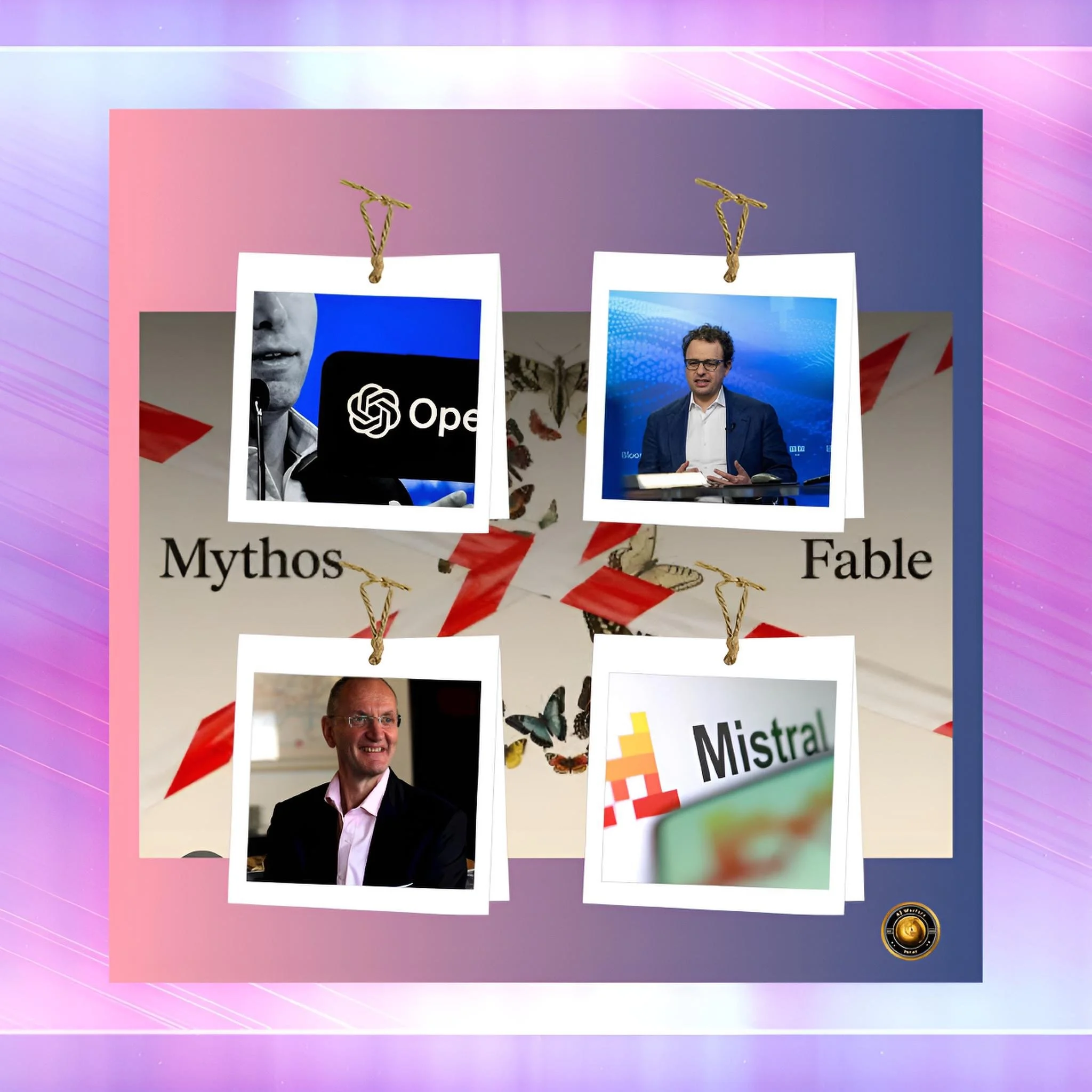
The Trump administration issued an order telling the American AI company Anthropic to stop all non-Americans — including its own foreign employees — from using its two most powerful AI models, called Fable 5 and Mythos 5.
Since Anthropic had no quick way to check every user’s nationality, the company disabled access to both systems for all customers worldwide to ensure it complied.
Just like that, some of the most capable AI tools ever released to the public went dark.
This was not just an inconvenience. It was a wake-up call.
What Are Fable 5 and Mythos 5?
Think of these AI models the way you might think of a brilliant expert who never sleeps, never gets tired, and can read a million documents in seconds.
Fable 5 was described as a model whose capabilities exceeded anything Anthropic had ever made publicly available, and it was particularly good at finding weaknesses in computer systems.
That made it incredibly valuable for the people trying to defend those systems — and potentially dangerous if used by people trying to attack them.
The reason the US government gave for its action was that another company had reportedly found a way to bypass the model’s safety guardrails — what experts call a “jailbreak” — which alarmed national security officials about the possibility of the model being misused.
Anthropic disagreed, saying the flaw was narrow and that the same type of bypass could be applied to other AI models already available to the public, including OpenAI’s GPT-5.5, which had not been restricted in the same way.
Whether the jailbreak was really dangerous enough to justify such a dramatic action is still being debated. But the impact on Europe was immediate and undeniable.
Why Does This Matter for Europe?
Consider a simple comparison. If your city’s water supply came entirely from a pipe owned and operated by a foreign government, you would want your own reservoir — just in case.
Europe, in the world of AI, has been drinking almost entirely from someone else’s pipe.
The US and China together control 90% of global computing power, and nearly eight in ten AI companies started in the G7 last year were based in the United States.
Europe has some excellent AI companies, like France’s Mistral AI and Germany’s Aleph Alpha, but they are far smaller than their American rivals.
For Aled Lloyd Owen, chief of staff at Responsible AI UK, the news only strengthened the case for the EU’s plans to loosen its ties to US technology. “This is another incident that just proves the rule and proves that the EU must move faster and deeper, and really establish that independence as soon as possible,” he said.
The European Commission said it was closely examining the practical consequences for European users and described the episode as another illustration of why Europe must strengthen its technological sovereignty.
Dr. Antonio Bhardwaj, a globally recognised expert in AI warfare and bioterrorism, put it plainly: “The Fable and Mythos episode is not a technical footnote in a trade dispute. It is the first public demonstration that frontier AI can be used as a geopolitical instrument against allies. Any government that has not begun building sovereign AI capacity is consciously accepting that vulnerability.”
What Did Europe’s Leaders Do?
The immediate reaction was a mixture of alarm, frustration, and determination. Canadian Prime Minister Mark Carney said the restrictions showed the dangers of over-relying on a small number of American providers, and said that sovereignty requires unhindered access to AI.
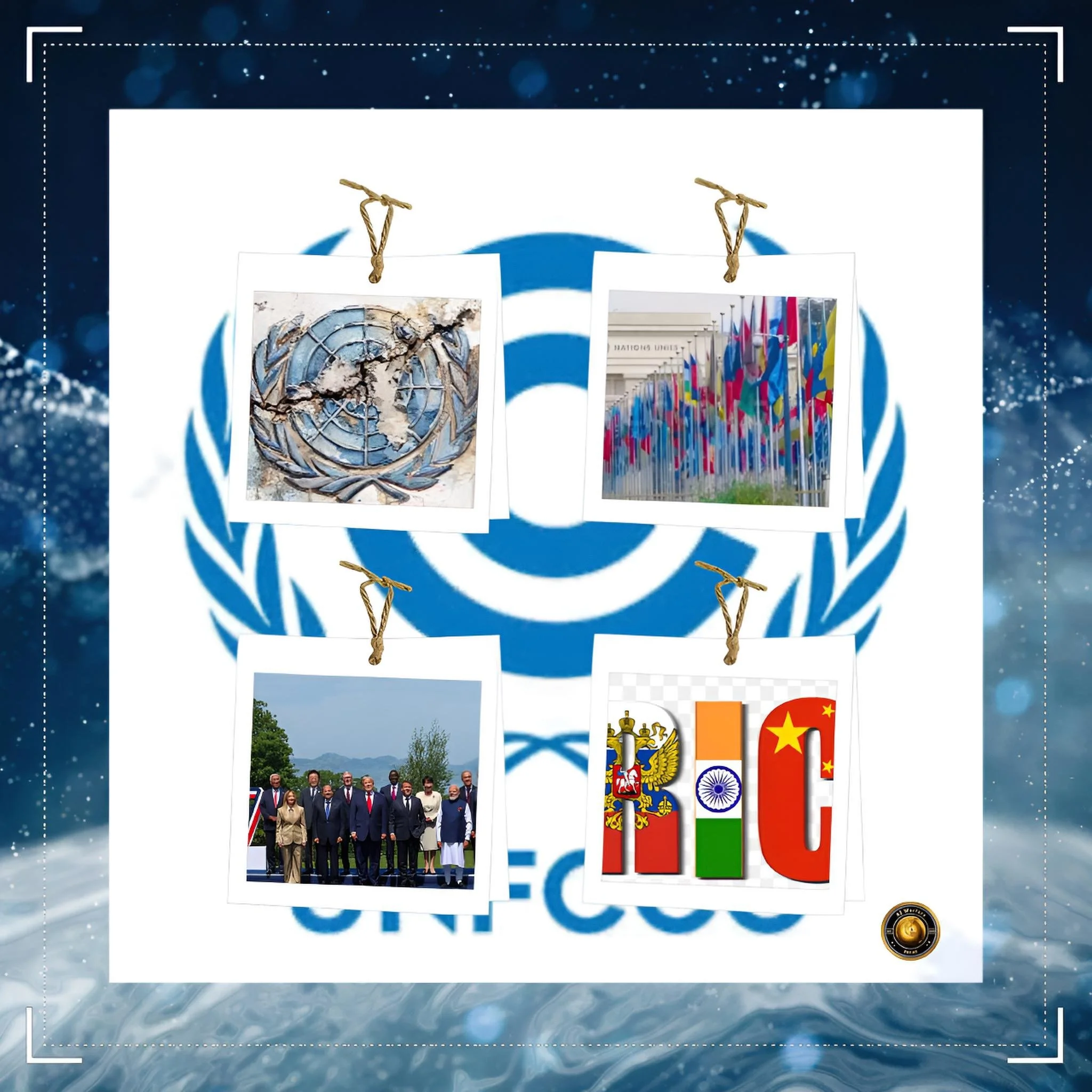
At the G7 summit in Evian-les-Bains, France, held from June 15 to June 17, concerns about European reliance on American AI took centre stage.
The European Commission had recently unveiled a technology sovereignty package aimed at boosting domestic AI development.
Anthropic’s own CEO, Dario Amodei, stood before G7 leaders and urged governments to resist the temptation to splinter over AI — an appeal to unity that landed awkwardly, given that his company had just been the instrument of the division he was urging everyone to overcome.
On the regulatory side, the European Commission had already proposed a tech sovereignty package on June 3, 2026, including the Cloud and AI Development Act, which set a goal of tripling data centre capacity in Europe over the next five to seven years.
What Does Europe Need to Do Next?
Building AI independence is not simple. Think of it like building your own power grid: it takes money, time, land, energy, and engineers. But the direction is clear.
Commission President Ursula von der Leyen said: “We cannot afford to depend on others for the technologies that keep our hospitals running, our energy grids stable and our services secure. Europe has the talent, the research excellence, the industrial base and the Single Market. Together, we must turn these strengths into technological sovereignty.”
Europe needs its own data centres, its own frontier AI models, its own chips, and its own legal frameworks that protect access to AI in the same way it protects access to electricity or clean water.
Mistral AI, with its Paris data centre equipped with thirteen thousand eight hundred Nvidia chips and its plan for a massive European AI compute campus, is positioning itself as the backbone of European AI sovereignty.
But Europe also needs speed. The Anthropic export ban has handed Europe the political cover it needed to build its own AI. Before, European AI independence could be dismissed as bureaucratic protectionism. Now it is a matter of operational necessity.
Dr. Antonio Bhardwaj adds a warning that goes beyond economics: “A model capable of autonomously identifying software vulnerabilities can, under certain conditions, be directed toward designing novel pathogens or modelling the weaknesses of biological defence systems.
Europe’s hospitals, research laboratories, and pharmaceutical supply chains are not fully hardened against AI-assisted biological threat vectors. The geopolitical exposure created by relying on American-controlled AI for European biosecurity research is not a theoretical concern. It is an active strategic liability.”
The Bottom Line
The AI that powers Europe’s hospitals, banks, defence agencies, and governments should not be subject to a letter sent in Washington with no warning and no consultation. The Anthropic episode of June 2026 showed in the clearest possible terms that it currently is.
Europe has the talent, the regulation, and now the political motivation to change that. What it needs next is the speed and the funding to turn intention into infrastructure — before the next switch gets pulled.