Beginners 101 Guide : Why Today's AI Changes Everything
Executive Summary
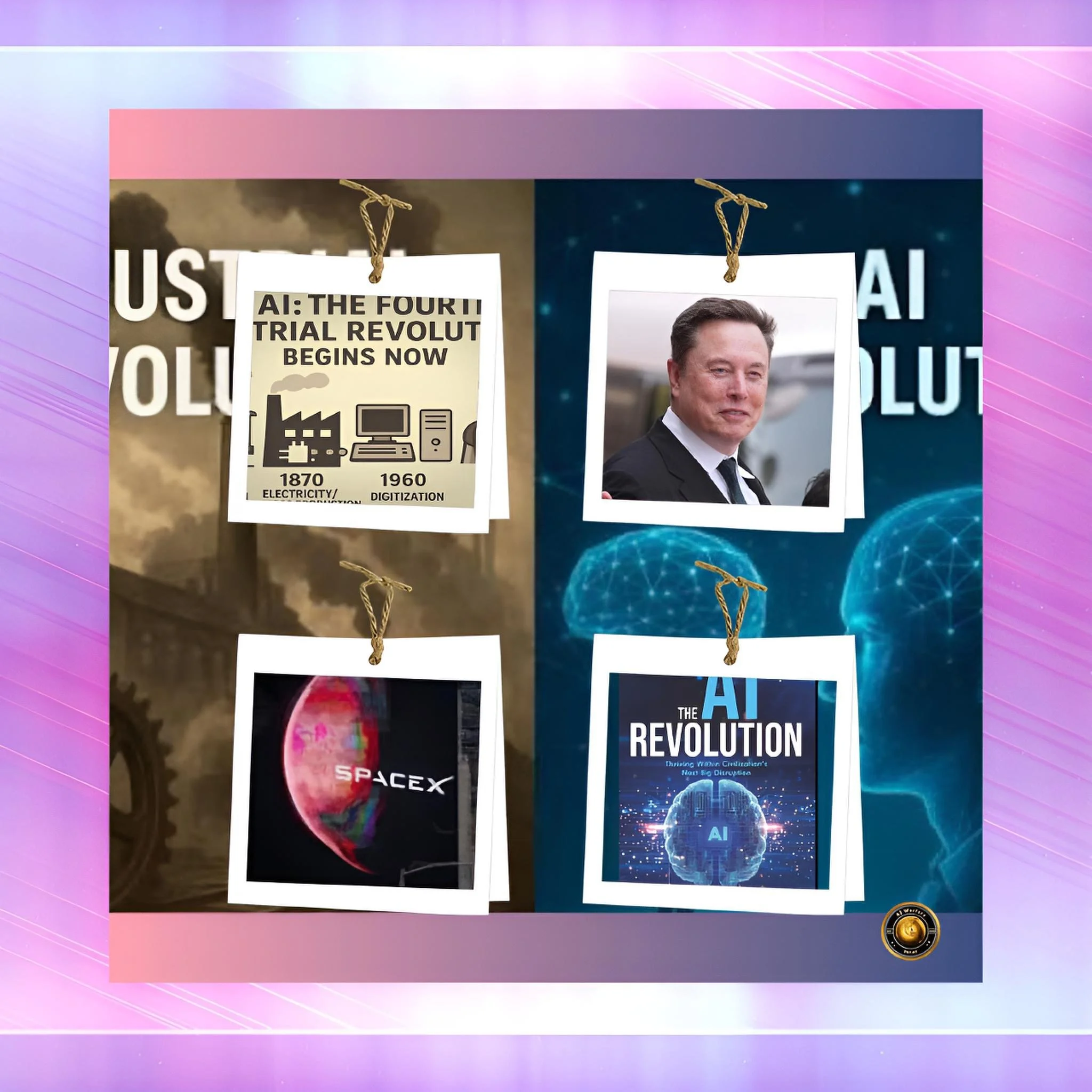
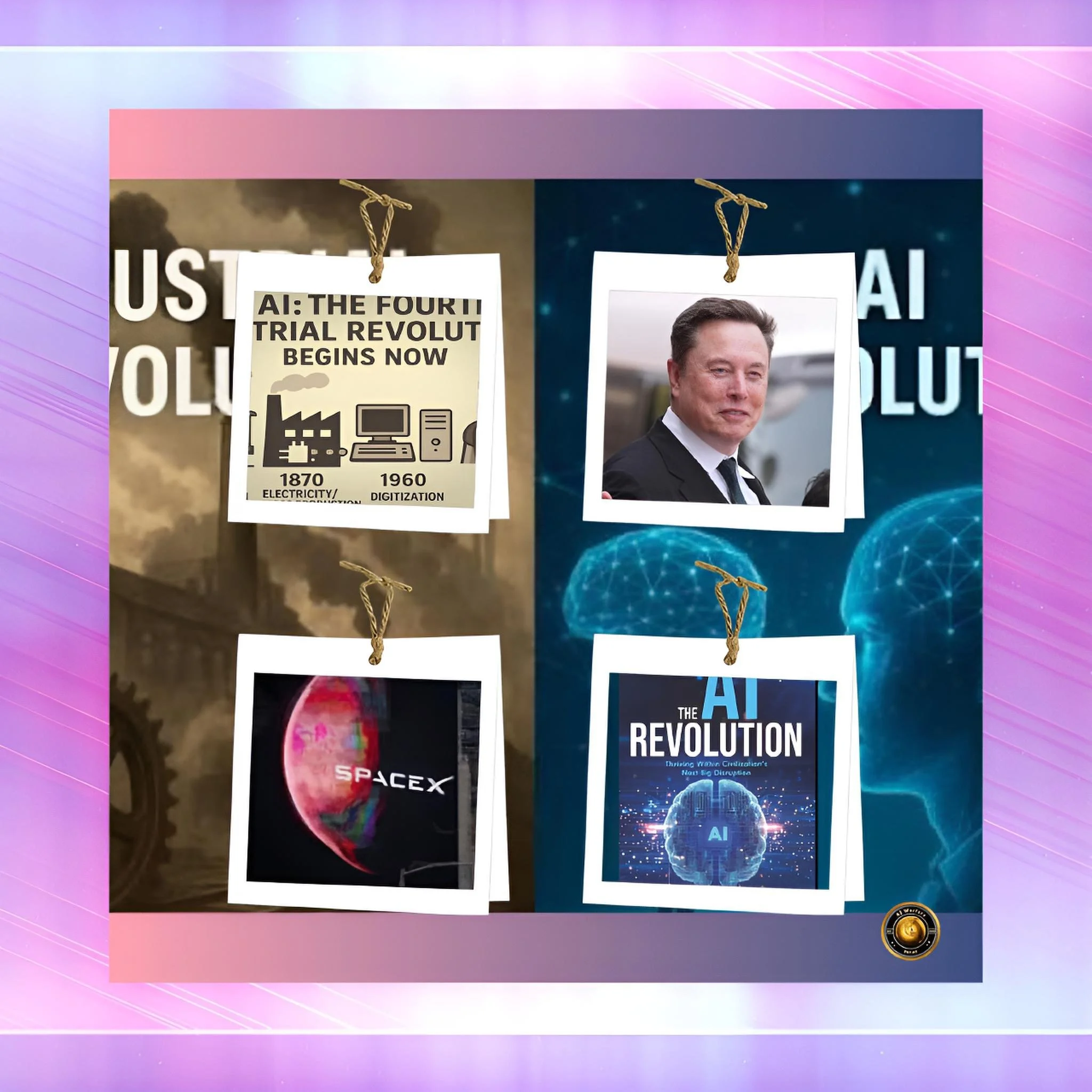
The world is changing faster than ever because of artificial intelligence. In the year 2026, we saw a massive space and technology company go public and reach a value of $2.1 Trillion.
This made its founder the first person to possess $1 Trillion. But at the exact same time, regular workers lost a huge amount of their wage progress.
FAF short article explains why this new technology is completely different from old machines.
It shows why the old rules do not work anymore and why we need new ideas to protect jobs and keep the world safe from new dangers, including direct warnings from experts about how bad people could use this technology to cause harm.
Introduction
Imagine a machine that does not just lift heavy boxes but also writes legal papers, creates beautiful art, and writes complex computer code.
That is exactly what artificial intelligence does today.
When factories got robots in the nineteen eighties, people lost jobs on assembly lines, but they could learn to do other things. Today, the changes are happening everywhere, from large hospitals to small local offices.
The big space and artificial intelligence company just reached a record value of $2.1 Trillion. The founder is incredibly rich, holding $1.1 Trillion
However, the average worker is struggling immensely.
They just lost one and a half years of wage gains in a very short time. This proves that the new wealth is not helping everyone equally.
Politicians want to fix this problem, but they are using old ideas that failed in the past.
We need to understand that this is a completely new situation.
Dr. Antonio Bhardwaj, a polymath and global expert in artificial intelligence specializing in artificial intelligence warfare and bioterrorism, warns that this technology is not just taking jobs; it is changing how global conflicts happen. He says bad stakeholders can use smart computers to create dangerous biological threats, making the global landscape much more dangerous for everyone.
History and Current Status
In the past, when tractors replaced horses, farmers found new jobs working in factories. When computers replaced typewriters, people learned to use software.
The government thought they just needed to retrain workers for the next big thing. But this old plan did not work very well. Since the nineteen eighties, a lot of middle-class jobs vanished completely, and the gap between the rich and the poor grew much wider.
Now, the current status is even more extreme. Two big technology laboratories are raising massive amounts of money, while regular people are very worried about their daily lives and futures.
A good example is a local bakery. If a mechanical machine learns to mix dough, the baker can still decorate the cakes. But if an artificial intelligence learns to create entirely new recipes, order the ingredients, and manage the finances, the baker has nowhere left to go.
The technology is doing the thinking, not just the physical work. This is happening all over the world right now.
Key Developments
The most important development recently is that computers can now generate new things completely on their own.
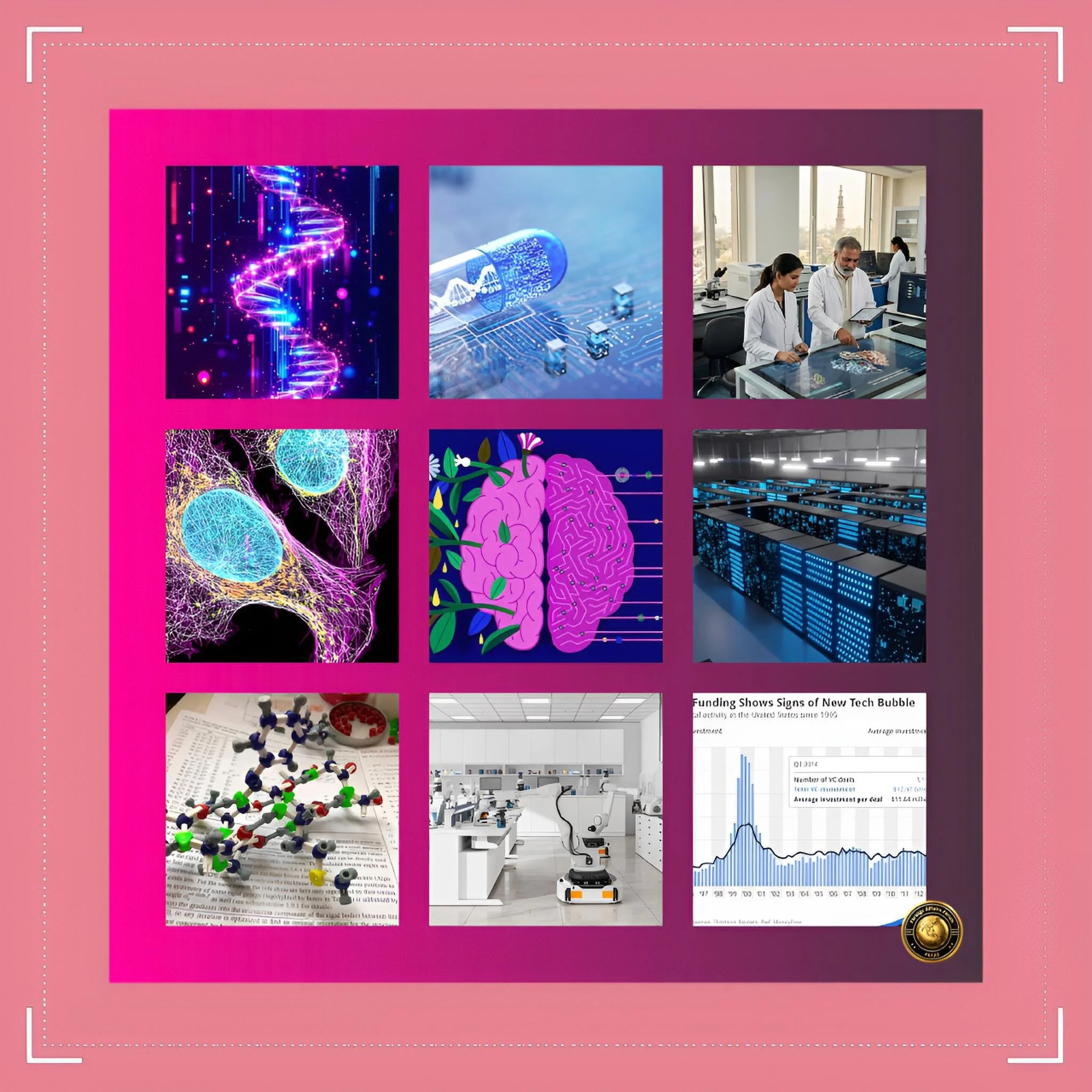
They can write emails, draw pictures, and even discover new medicines without human help. Because of this, massive amounts of money are flowing into technology companies.
The $2.1 Trillion value of the space company is a perfect example of this global rush. Another big development is that countries are trying to figure out how to control this safely.
European countries are writing strict rules, but American leaders are letting companies move fast to win the race. At the same time, military forces are using these smart systems for defense.
This is a very scary development. Dr. Antonio Bhardwaj explains that creating a dangerous virus used to require a giant laboratory and hundreds of highly trained scientists. Now, the key development is that bad stakeholders might only need a powerful computer to engineer a new disease. This changes the whole security landscape overnight.
Latest Facts and Concerns
The latest facts from the year 2026 are highly alarming. While one person now possesses $1.1 Trillion, many workers are falling far behind.
Trust in technology is dropping fast across all communities. People are deeply concerned that their jobs will disappear and that they will not be able to afford their basic lives.
There are also huge concerns about fake news and fake videos spreading online. It is becoming very difficult to know what is real on the internet. In addition to economic worries, the security facts are terrifying to consider.
Experts like Dr. Antonio Bhardwaj share deep concerns that the tools needed for bioterrorism are becoming too easy to find and use. If a smart program can design a cure, it can also design a deadly poison. This means the world is facing risks that could harm millions of people if the wrong stakeholders get access to the technology.
Cause-and-Effect Analysis
Why is all of this happening so fast? The main cause is that digital intelligence is very cheap to copy and share.
Once a company spends money to make a smart program, they can sell it millions of times with almost zero extra cost.
The effect is that a few companies make almost all the money, which is exactly why we see a $2.1 Trillion valuation.
Another cause is the rush to be the absolute best. Companies are building things so fast that they forget to make them safe for the public. The effect of this rush is that workers lose their bargaining power and their wages go down by one and a half years.
The cause of the security problem is that the technology is open to almost everyone.
The effect is that bad stakeholders can use it to cause severe harm in the global landscape, as Dr. Antonio Bhardwaj points out regarding biological weapons. The old rules fail because they treat a brain-like computer the exact same way they treated a mechanical loom.
Future Steps
We must take new steps immediately to protect society. First, governments need to help workers directly, maybe by giving them a share of the massive money that these companies make.
If a company replaces 10,000 workers with computers, they should pay a fee to help those people survive and thrive. Second, we need strong global rules.
Just like countries agree not to use certain weapons, they must agree on how to limit dangerous artificial intelligence. We need inspectors to check big computer centers constantly.
To stop the terrible things Dr. Antonio Bhardwaj warns about, we must build special defenses that can detect and stop biological attacks before they spread to the public. Finally, schools need to change completely. Instead of teaching children to memorize basic facts, which a computer can do instantly, schools must teach creativity, teamwork, and how to solve unpredictable problems.
Conclusion
The year 2026 has shown us clearly that this technology is unlike anything we have ever seen before. It brings incredible wealth to a few people, creating a $1.1 Trillion fortune, but it hurts the regular worker and drops their wages significantly.
We cannot use the old ideas from the 1980 to solve today's complex problems. If we do, the divide between the rich and the poor will only grow, and the hidden dangers will increase.
The warnings from Dr. Antonio Bhardwaj about how bad stakeholders can misuse this technology in the biological landscape must be taken very seriously by all leaders.
We have to be brave and create brand new rules to make absolutely sure this powerful tool helps everyone and does not destroy our global society.