Beginner's 101 Guide: Why AI Might Make Us Rich but Keep Us Unfair — Lessons from Oil Countries
Summary
The Story of the Magic Machine
Imagine a small village where everyone works hard.
Some people farm, some teach, and some build houses.
Everyone has a job, and because they all work, they all have a say in how the village is run.
One day, a giant "Magic Machine" is built in the center of the village.
This machine can do everything. It can plant seeds, write books, and even design new houses.
Suddenly, the village is much richer. There is more food and more things for everyone.
But there is a problem. Only five people in the village know how to run the machine.
These five people become very, very rich. Because they are so wealthy, they no longer need to listen to the other villagers.
They don't need the farmers or the builders.
They start to make all the rules. The rest of the villagers still receive food from the machine, but they have no jobs or power.
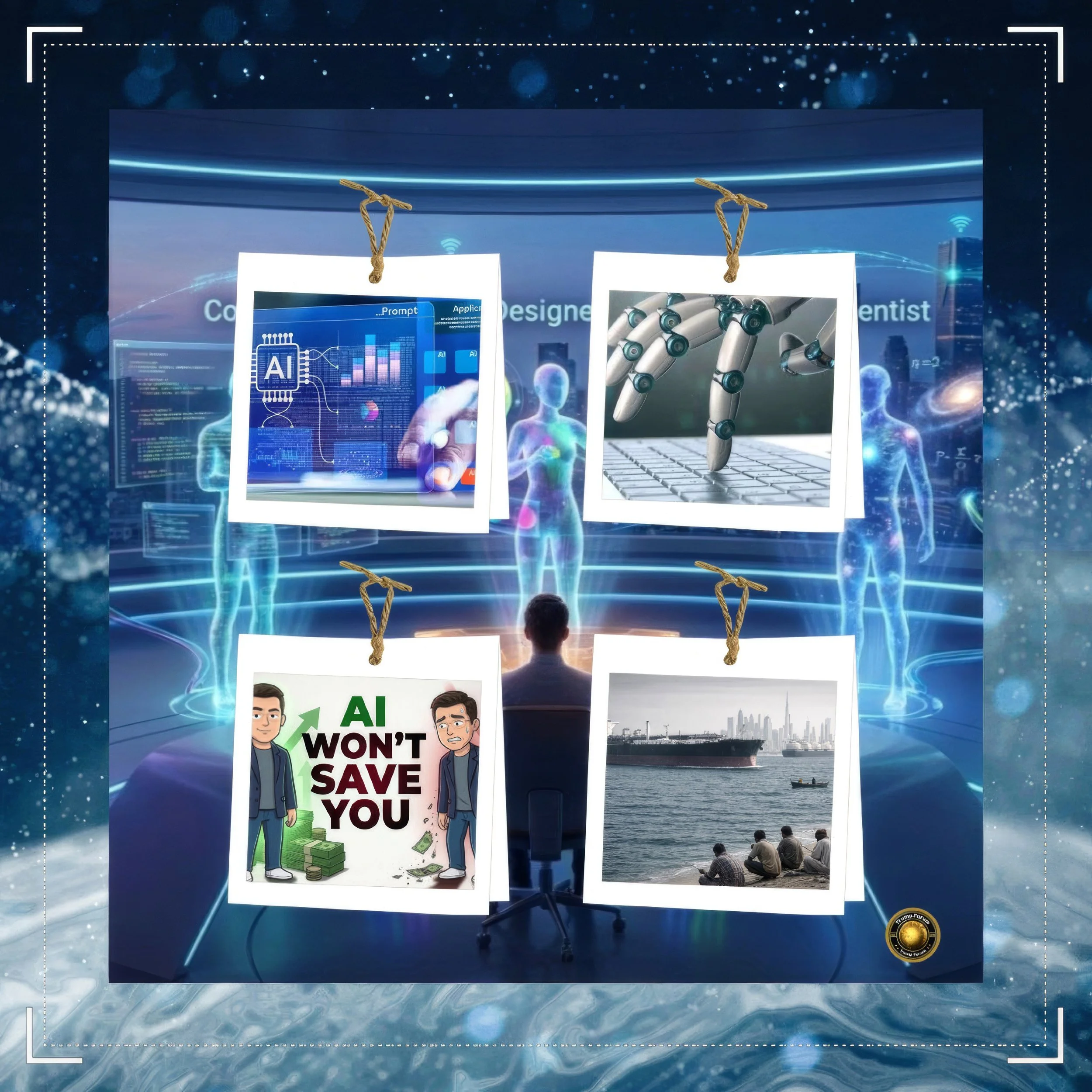
This is exactly what some people worry will happen with Artificial Intelligence, or AI.
Learning from Oil Countries
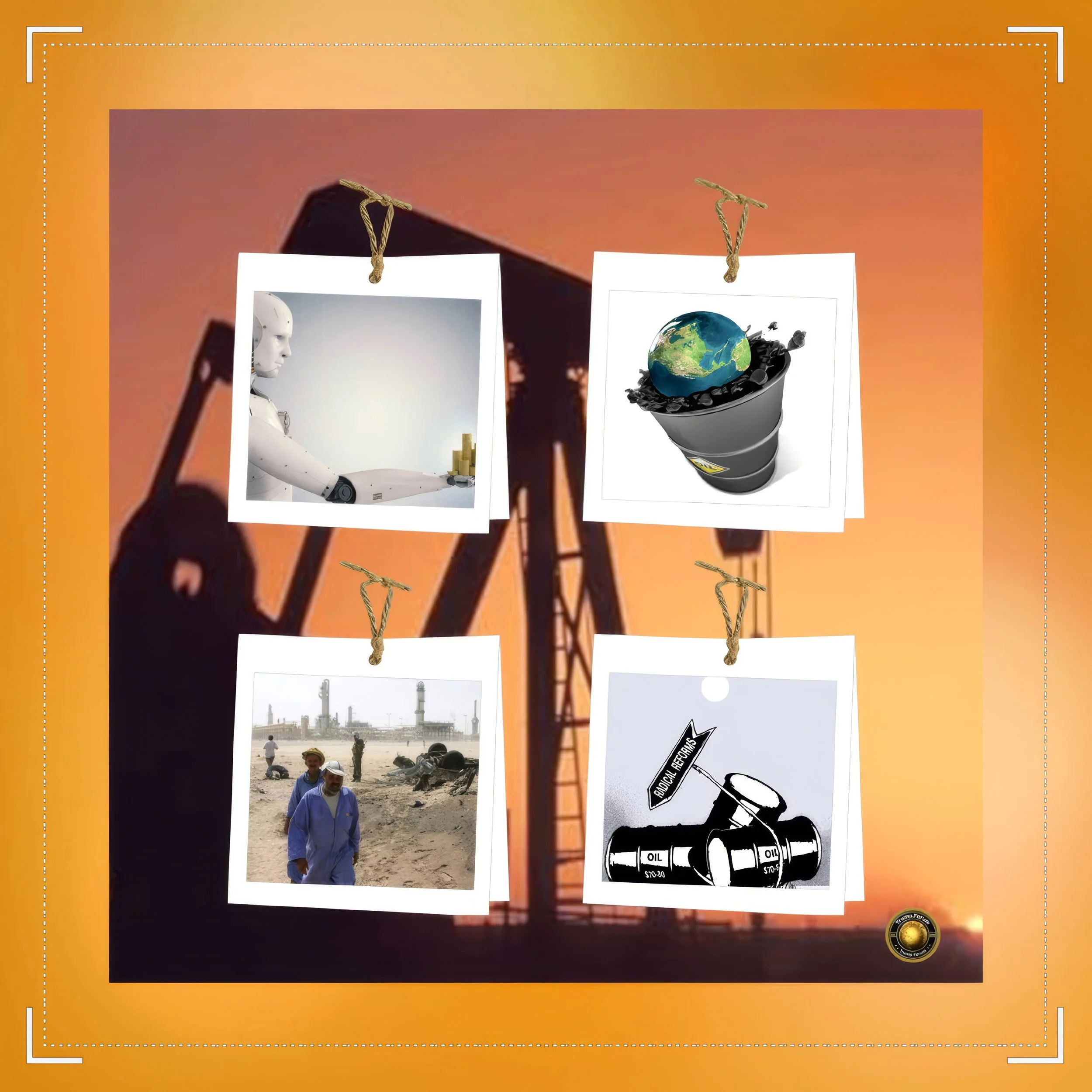
For a long time, we have seen this happen in oil-rich countries.
These are often called "Petrostates." In these places, the government gets all its money from selling oil to other countries.
Because they don't need to collect taxes from their own people, they don't feel like they have to listen to them.
This often leads to a few powerful leaders and many people who can't find good jobs.
AI could act like oil. If a few big companies or powerful leaders own all the AI, they will get all the wealth.
They might give people a little money to live on, but they might not care about schools or hospitals because they don't need "smart workers" anymore—the AI is already smart enough.
This makes the leaders very powerful and the people very weak. In 2026, we see this risk growing as AI becomes better than humans at many tasks.
The Problem for Young People
One of the biggest worries in 2026 is for young people. When you are young, you usually start with a simple job to learn how things work. But now, AI can do many of those simple jobs.
A recent study from early 2026 showed that young people are finding it much harder to get their first job because AI is doing the work instead.
When young people don't have jobs, they feel like they don't have a future.
They might stop trying to learn new things because they think a machine will do it better anyway.
This is a big problem for a fair society. If the young generation feels left out, the whole country becomes unhappy and unstable.
We see more and more students graduating from university only to find that the jobs they studied for are now done by computers.
Dr. Antonio Bhardwaj, noted Global AI expert, says that we are at a "turning point." He believes that we need to be very careful. He says that when a country's wealth comes from a machine instead of from people working, the "promise" between the government and the people breaks.
He wants us to remember that people need to feel useful. If we just let AI do everything and don't make sure everyone can join in, we will end up with a world where a few people live like kings while everyone else is just a spectator. He compares it to a garden.
A garden needs many different flowers and insects to be healthy.
If one giant plant takes over everything, the garden dies. He believes the landscape of our future depends on how we share this new power.
What We Can Do?
We don't have to let this happen. We can make rules to share the wealth from AI.
Dr. Bhardwaj has put forward the following thesis: “Instead of just a few companies owning the AI, we can make "Public AI" that belongs to everyone.”
We can also use the money from AI to ensure every child has a great school and every person can see a doctor for free.
We also need to make sure that humans are always the ones making the big decisions.
We shouldn't let a computer decide who gets a job or who goes to jail.
We must keep the "human touch" in our world.
Education should focus on the things computers can't do well, like being kind, being creative, and understanding how others feel.
A Hopeful Future
AI is a wonderful tool. It can help us find cures for diseases and solve the problem of climate change.
But like the "Magic Machine" in the village, we have to make sure it works for everyone.
If we use AI to help people do more, instead of just replacing them, we can have a world that is both rich and fair.
We want a future where everyone has a job, a voice, and a chance to follow their dreams. In the landscape of 2026, we are still the ones who decide how to use our inventions.
By making the right choices today, we can ensure that AI makes our democracies stronger rather than turning us into a world of "digital petrostates."
The goal is to build a world where technology serves the people, not where people serve the technology.