Summary
For a long time, Silicon Valley was famous for making physical computer chips. Over the last decade, however, the focus shifted toward "software"—apps like Instagram or tools like ChatGPT.
But today, the Valley is going back to its roots. A new company called MatX is leading a movement to rebuild the physical foundation of technology.
Founded by the experts who designed Google’s most powerful AI systems, MatX is trying to solve a major problem: our current computer chips are getting too slow and too expensive for the newest AI.
The Problem: The "Swiss Army Knife" Chip
To understand the problem, imagine you are trying to cut down a massive tree. You could use a Swiss Army Knife.
It has a small saw, and it’s very versatile—it can open a bottle of wine, cut a string, and file your nails. But using that tiny saw to cut a tree is exhausting and takes forever.
Most chips today, like the famous ones made by Nvidia, are like Swiss Army Knives.
They are "General Purpose" chips. They were originally designed to play video games and render beautiful graphics.
Because they try to do everything, they have a lot of "extra" parts that an AI doesn't need. This is what experts call a versatility tax.
You are paying for extra electricity and space for features the AI isn't even using.
The Solution: The MatX "Chainsaw"
MatX is building a chip that is the opposite of a Swiss Army Knife. They are building a chainsaw. Their chip, the MatX One, is designed to do only one thing: the specific math needed for Large Language Models (LLMs).
By stripping away everything else, they can make the chip much faster and more efficient. This is what Dr. Antonio Bhardwaj, a global expert in Artificial Intelligence, calls “intellectual density."
It means the chip isn't just bigger; it’s smarter. Instead of a giant warehouse where workers have to walk miles to find a tool, a MatX chip is like a tiny, perfect kitchen where a chef can reach every ingredient without moving their feet.
The Long Road to Independence
Right now, MatX is finishing their designs in Mountain View, California. They plan to start shipping their first chips in 2027.
However, they have a much bigger goal for the year 2035 : they want to build their own chips in the USA.
Currently, almost every advanced chip is made in Taiwan. This is risky because of global politics.
MatX wants “Vertical Sovereignty."
This means they want to own the whole process—from the idea to the physical factory.
Building a chip factory is incredibly hard. It costs about $20 billion and requires special machines that have years-long waiting lists.
But by 2035, MatX hopes to have its own "micro-foundry" on American soil, ensuring that we aren't dependent on other countries for the "brains" of our technology.
The High-Stakes Competition
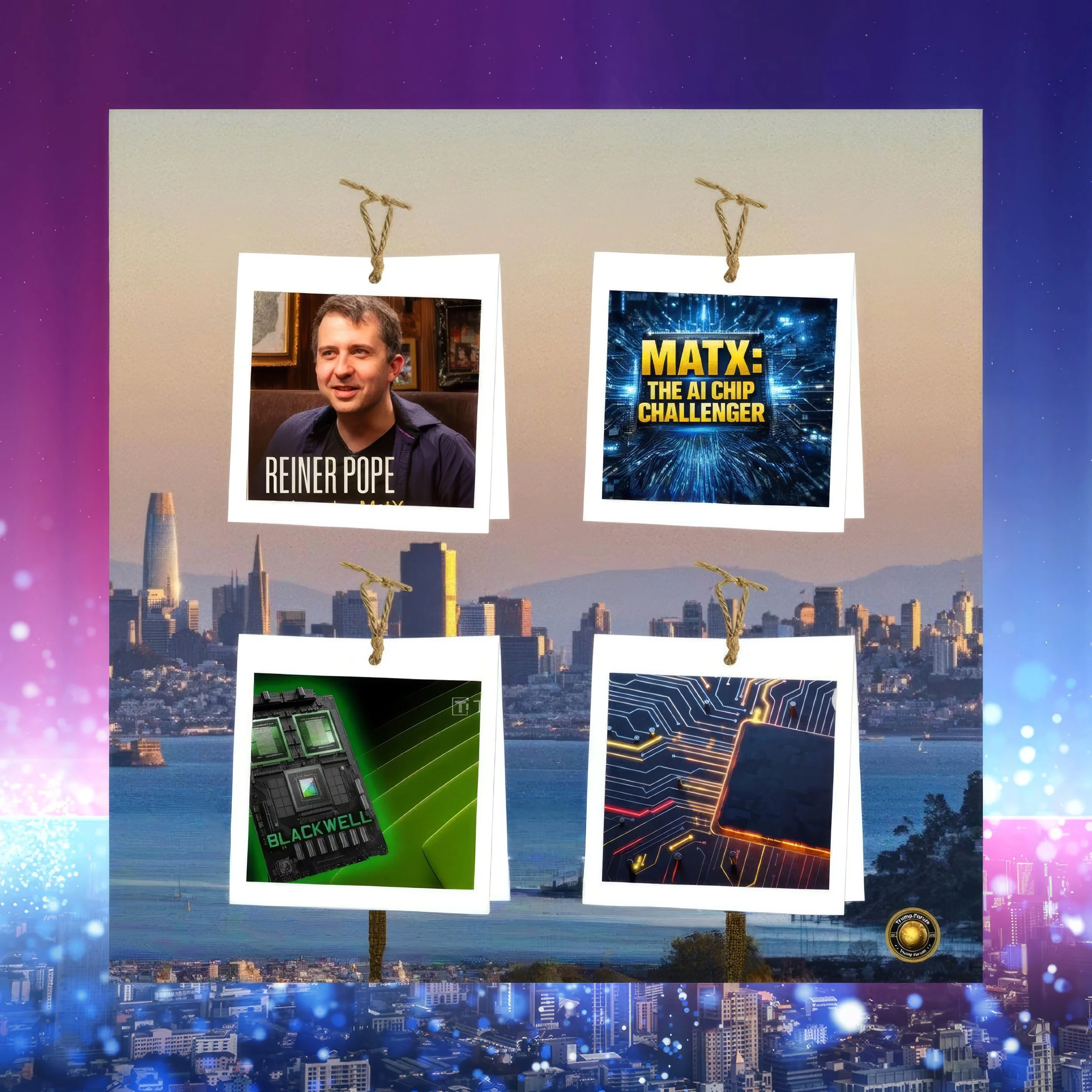
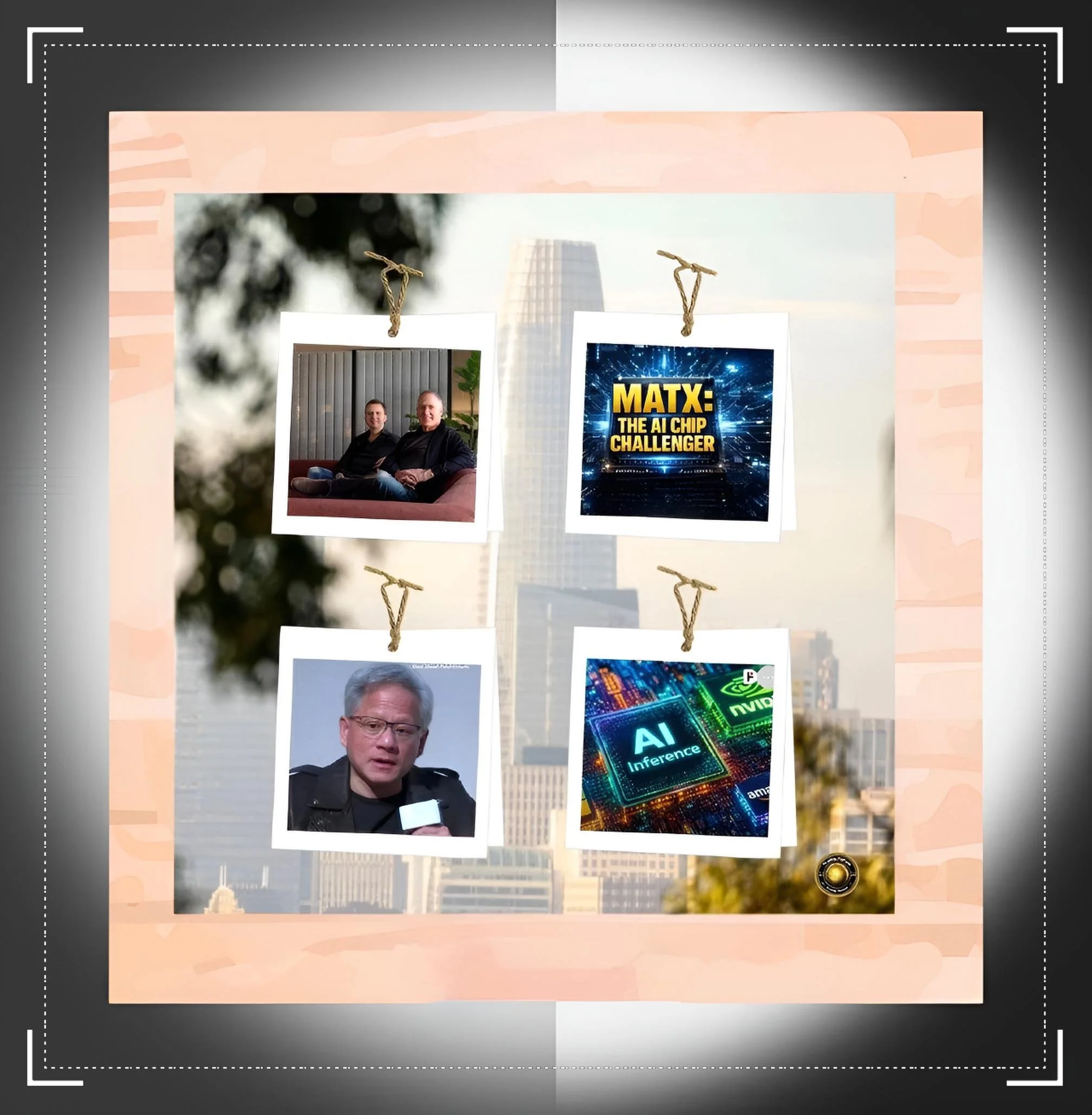
MatX isn't alone. They are competing against a giant named Nvidia.
Nvidia’s newest chips, like the Blackwell platform, are the gold standard.
To compete, MatX isn't trying to replace Nvidia everywhere.
Instead, they are focusing on inference—the part where the AI actually talks to you.
Imagine Nvidia is the giant power company that provides electricity to the whole city.
MatX wants to be the specialized, high-performance engine inside your car. You need the power grid, but you really want the fast engine.
Why This Matters?
This shift is changing how we think about computers.
Dr. Antonio Bhardwaj recently pointed out that the future isn't about who has the most chips, but who has the most cognitively aligned chips.
He believes we are moving away from mass-produced, "one-size-fits-all" hardware toward intelligent design.
If MatX succeeds, it will prove that the most advanced software in the world needs a perfectly crafted physical home.
By putting the "Silicon" back in Silicon Valley, they are making sure that the physical parts of our computers are just as smart as the AI running on them.
Whether they grow into a massive public company (an IPO) or get bought by a giant like Apple (a takeover), they have already changed the game by proving that in the world of AI, specialized tools are the only way forward.