Summary
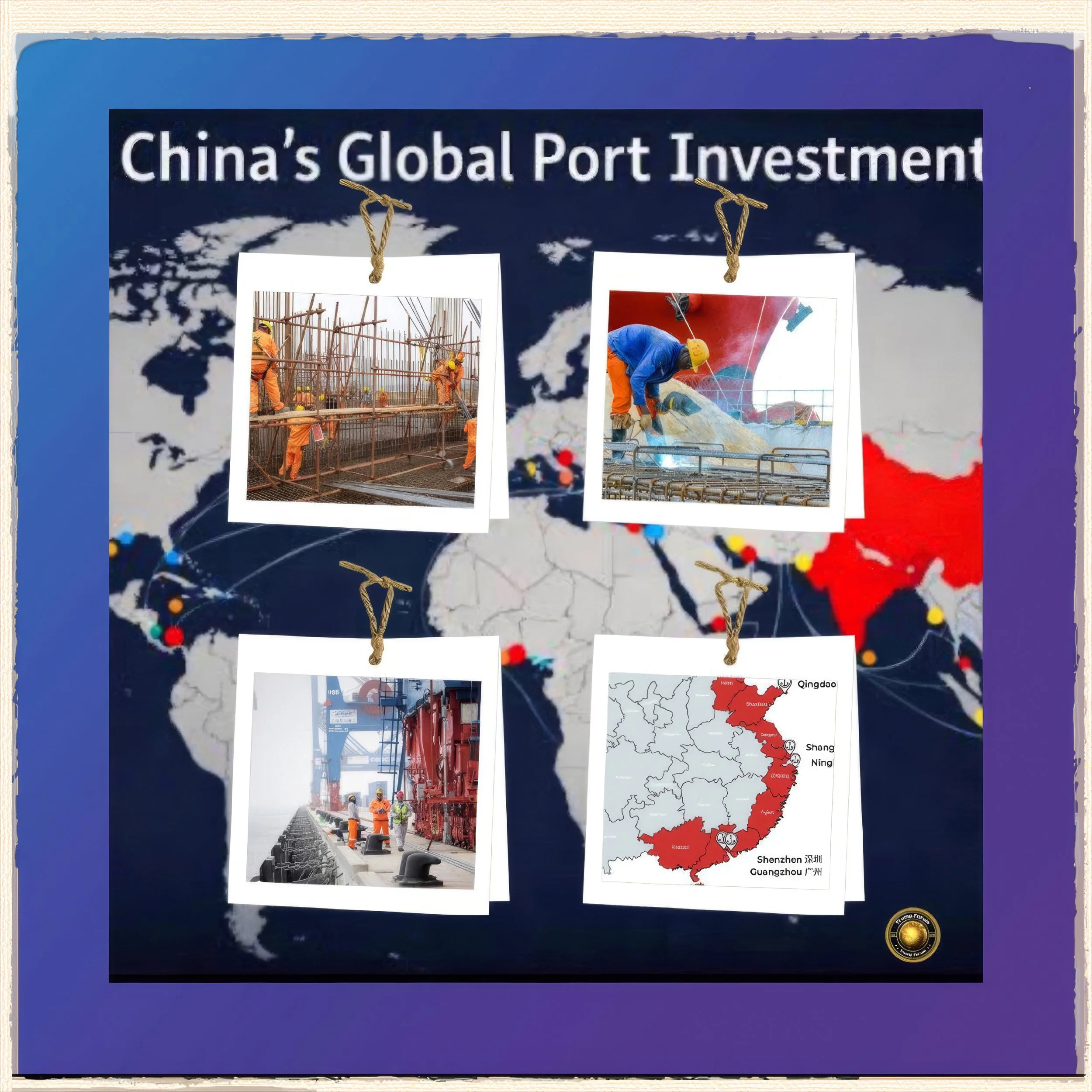
China has been buying and building ports in many countries for about 25 years.
At first, many people thought China wanted to control other countries. But this is not exactly true. China’s main goal is to protect its own trade and make sure goods can move safely.
China depends heavily on trade. It imports oil, gas, and raw materials, and it exports manufactured goods.
Most of this trade travels by sea. This creates a big risk. If ships cannot pass through important sea routes, China’s economy could suffer.
One example is the Strait of Malacca.
A large share of China’s energy imports passes through this narrow waterway.
If there is a conflict or blockade, China could face serious shortages.
This is why China wants more control over shipping routes—not by owning countries, but by investing in ports.
For example, imagine a factory that depends on one road for supplies. If that road is blocked, the factory stops working. China is trying to build many “roads” across the sea, so it is not dependent on just one.
China’s companies invest in ports in Africa, Europe, Asia, and Latin America.
These investments are usually business deals. The host country still owns the port, but Chinese firms may operate it or help improve it.
This brings benefits to both sides.
The country gets better infrastructure, more trade, and jobs. China gets reliable access for its goods.
For instance, a port in Africa might become faster and more efficient after Chinese investment.
This helps local businesses and also helps Chinese companies ship products.
Another reason China invests in ports is to reduce delays and costs.
Modern ports use advanced technology to move containers quickly. Chinese companies often bring this technology with them. This makes global trade smoother.
China also connects ports with railways and roads.
This creates a full network. Goods can move from a factory in China to a port, then to another port, and then inland by train. This system is part of the Belt and Road Initiative.
Some countries worry about this strategy. They fear China could use ports for military purposes in the future. While most ports are commercial today, they could have strategic value in a crisis.
For example, a port used for trade could also supply ships with fuel and equipment.
This does not mean China plans to use them for war, but it shows why other countries are paying attention.
At the same time, many countries still welcome Chinese investment.
Building ports is expensive. China has the money and experience to do it quickly. For developing countries, this is a big advantage.
Recent events have made these issues more important.
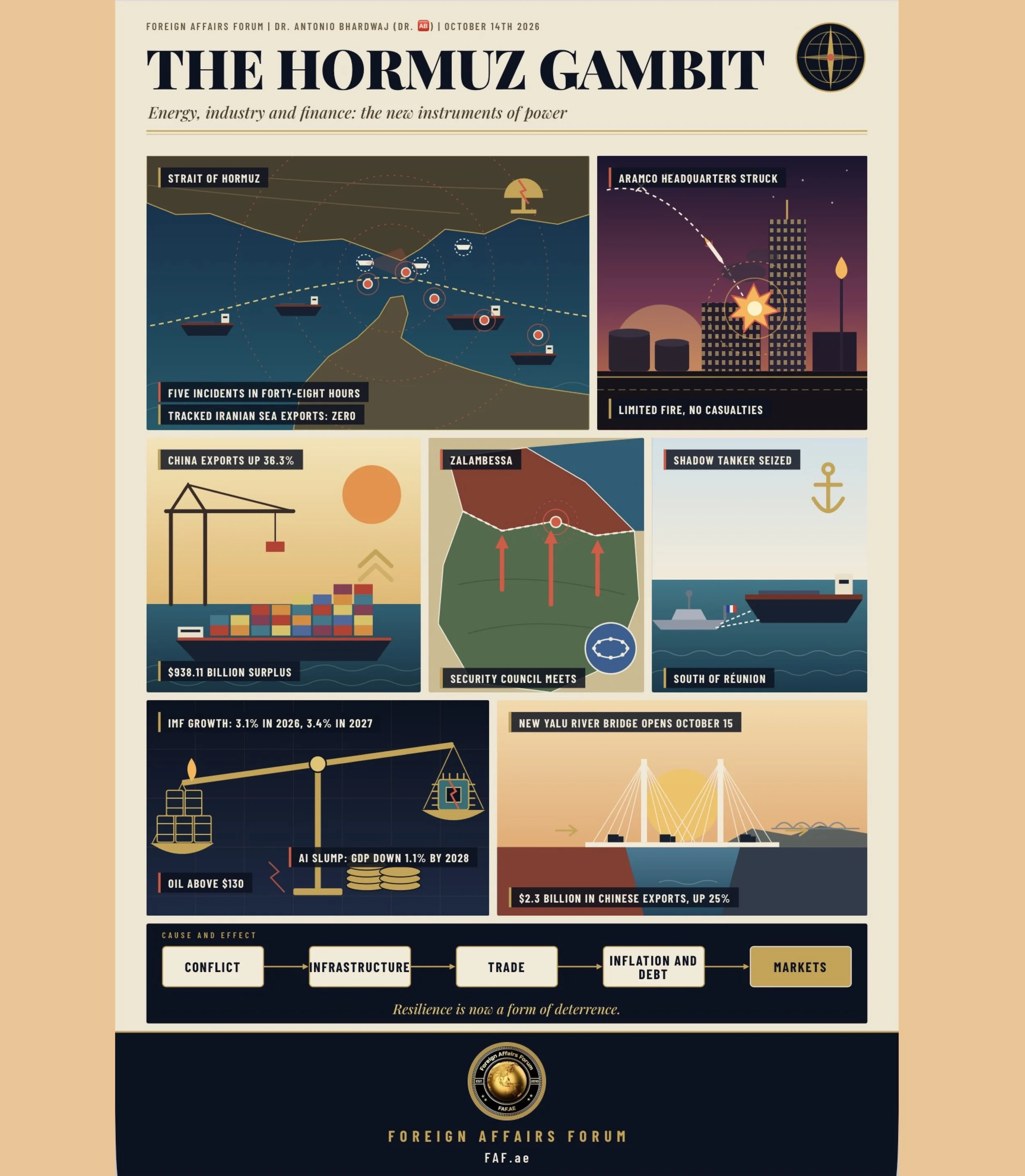
Conflicts affecting sea routes have shown how fragile global trade can be. When ships cannot pass through key areas, prices rise and shortages occur.
China’s strategy helps reduce this risk. By having access to many ports, it can find alternative routes. This makes its supply chain more flexible.
Think of it like having multiple internet connections. If one fails, another can keep things running. China is doing the same thing with trade routes.
In the future, this strategy will likely continue. China will keep investing in ports and improving logistics. At the same time, other countries will try to build their own networks.
This creates competition, but also cooperation. Global trade depends on shared infrastructure. Even rivals need the system to work.
In simple terms, China bought ports not to control the world, but to protect its place in it. Ports are the gateways of global trade.
By investing in them, China is making sure those gates stay open.