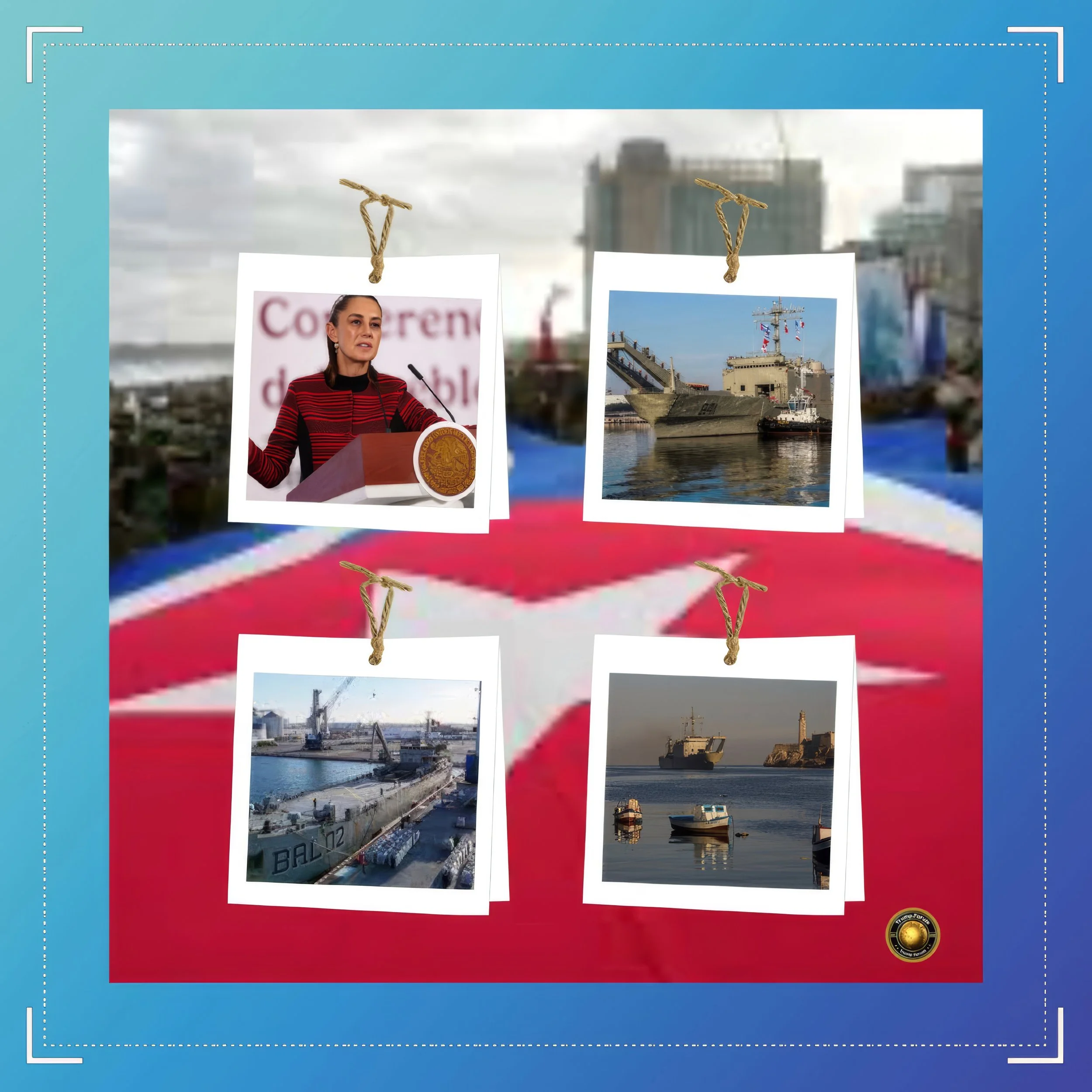
Mexico’s Navy Delivers Lifeline: Aid Ships Dock in Blackout-Hit Cuba
Summary
Mexico’s President Claudia Sheinbaum has intensified humanitarian aid to Cuba amid its escalating energy crisis, highlighting the urgency of the situation.
Since early 2026, Mexico has deployed multiple navy vessels—beginning with the ships Papaloapan and Huasteco in February—transporting over 1,193 tons of essential supplies, including specific quantities of beans, rice, powdered milk, and other staples critical for daily sustenance.
By March, the total aid delivered surpassed 3,000 tons through several carefully coordinated shipments, all systematically unloaded in Havana under strict logistical oversight to ensure efficiency and security.
The crisis stems from severe fuel shortages resulting from disruptions to oil imports from Venezuela, which U.S. sanctions and complex logistical challenges have impeded.
Alternative oil suppliers are also under significant pressure due to international restrictions and market instability.
Cuba’s aging power grid has become increasingly fragile under strain, resulting in widespread blackouts that can last 12 hours or more, crippling daily life.
Millions of residents have lost access to electricity, refrigeration, water pumps, and basic lighting.
Hospitals rely heavily on backup generators to sustain critical care, while food supplies spoil rapidly, and daily routines are disrupted amid soaring temperatures.
Sheinbaum characterized this aid effort as an act of regional solidarity rather than political maneuvering.
She pledged to send whatever Cuba needs to alleviate the crisis, though restrictions on oil imports remain due to international opposition, complicating efforts.
The initiative has been praised by Cuban officials and some Latin American leaders, viewing it as a necessary counterbalance to diplomatic isolation tactics employed against Cuba.
However, critics based in Washington and Miami argue that such aid is merely symbolic, unlikely to resolve underlying issues such as outdated infrastructure, economic mismanagement, or the external blockade.
Despite limitations, the aid arrives at a difficult moment—streets go dark after sunset, residents queue for essentials at stores, and quiet but persistent protests over power outages emerge within communities.
Mexico’s navy personnel manage port operations, with cranes carefully lowering crates directly from ships onto docks while residents observe from the pier, witnessing the tangible impact of international support.
While this assistance alone cannot end the crisis, it provides vital relief—food on tables when other facets of life remain inaccessible.
Ultimately, this situation underscores how neighboring countries step in to support each other when global powers tighten restrictions.
Sheinbaum’s strategy appears focused on long-term diplomacy through tangible deliveries rather than extensive rhetoric.
Whether this approach influences the embargo or offers temporary relief, Cuba is counting on this aid to sustain it through challenging times.