Executive Summary
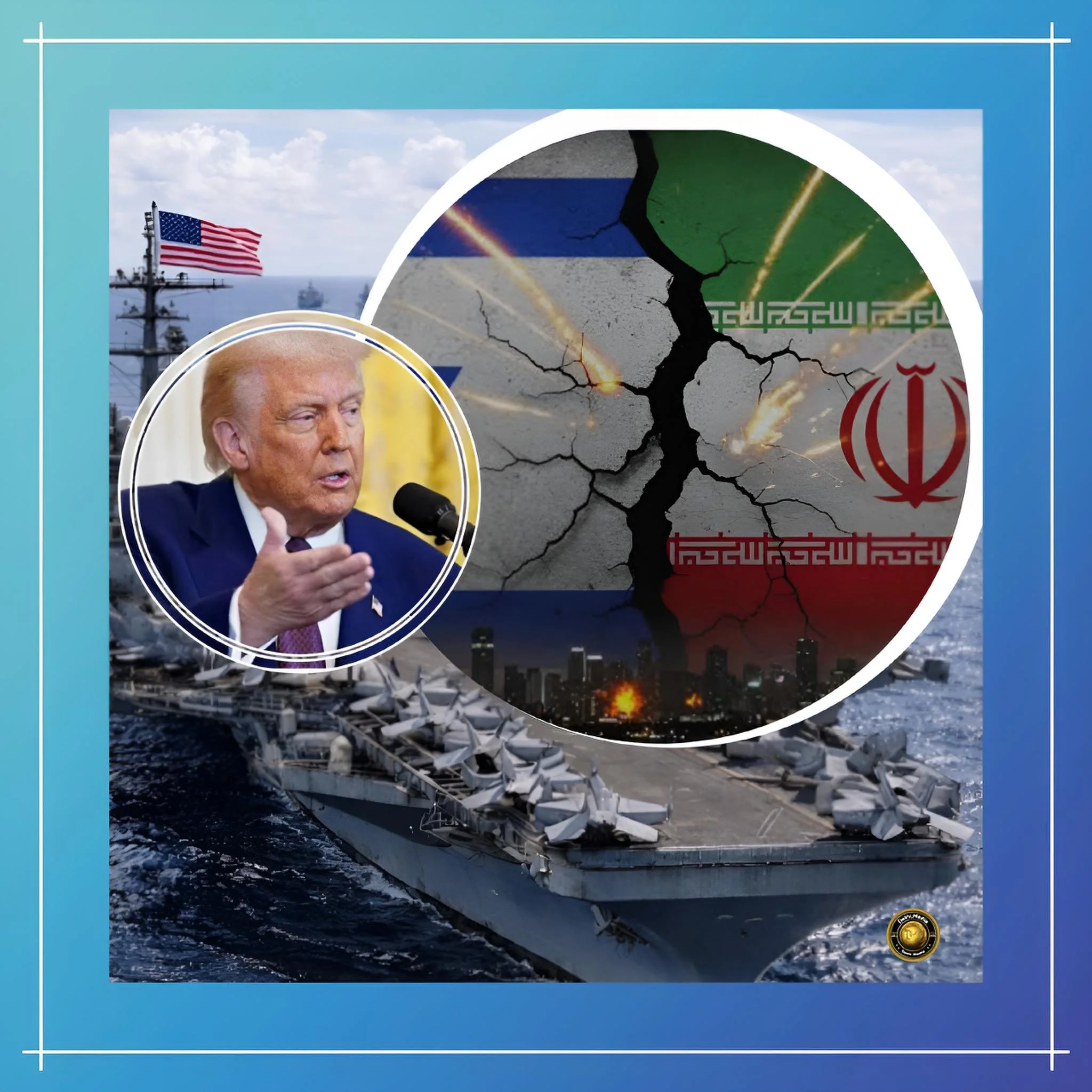
When the United States and Israel attacked Iran in February 2026, many people expected the Houthis in Yemen to respond with missiles and drones.
The Houthis had warned many times that if Iran was attacked, they would strike ships and military targets in the Red Sea.
But something surprising happened.
Nothing.
The Houthis did not fire missiles at Israel. They did not attack American ships. The Red Sea stayed quiet.
This silence was not because the Houthis suddenly wanted peace.
It was because they made a careful strategic decision. The movement understood that attacking now would damage their own interests.
Today the Houthis control large parts of Yemen and govern about 20 million people. They run ministries, collect taxes, manage ports, and control roads and cities.
Because they now govern territory, they must think like a government, not just like a guerrilla movement.
If they attacked American or Israeli targets, they would likely face massive retaliation. Ports, military bases, and even cities in northern Yemen could be bombed.
This would damage the political system they have built during years of war.
Another reason for restraint is military weakness. After years of fighting, many Houthi missiles have been used or destroyed. Some technical experts were killed in airstrikes.
Launching missiles today could expose their remaining weapons and launch sites.
There is also a political reason.
Saudi Arabia and the United Arab Emirates have reduced their military operations in Yemen in recent years.
The Houthis do not want to provoke those countries into re-entering the war.
For all these reasons, the Houthis chose patience. They still speak strongly against the United States and Israel, but they decided that waiting is smarter than fighting now.
Their strategy is simple: protect their power in Yemen first, and only fight regional wars when the timing favors them.
Introduction
The Houthi movement in Yemen has become one of the most important stakeholders in Middle Eastern politics.
Over the past decade, the group changed from a local rebellion into a powerful authority controlling much of Yemen.
During the Gaza war and other regional crises, the Houthis launched missiles and drones toward Israel and attacked ships in the Red Sea.
These actions disrupted global trade and made the movement famous around the world.
Because of this history, many analysts believed the Houthis would immediately join the war when the United States and Israel attacked Iran in 2026.
But they did not.
Instead, the group held rallies, made speeches, and showed support for Iran without launching attacks.
This decision shows that the Houthis are thinking strategically.
Their leaders understand that the movement now has responsibilities that did not exist during the early years of rebellion.
Running a government requires stability. War brings destruction. The Houthis know that their political future depends on protecting the territory they control.
History and Current Status
The Houthi movement began in the 1990s as a religious and political organization in northern Yemen.
It represented members of the Zaydi Shia community who felt marginalized by Yemen’s central government.
In the early 2000s, fighting broke out between the Houthis and the Yemeni government. Several wars occurred in the northern province of Saada.
The conflict changed dramatically after the Arab uprisings in 2011. Yemen’s political system weakened, and the Houthis expanded their influence.
In 2014, the movement captured the capital city of Sanaa. Soon afterward, Saudi Arabia and several regional partners launched a military campaign to push them back.
The war lasted many years and caused one of the worst humanitarian crises in the world.
Despite heavy bombing and economic pressure, the Houthis survived.
They adapted to the war by developing local weapons production and organizing strong defensive networks.
Today the Houthis control most of northern Yemen. They run government ministries, collect taxes, manage ports such as Hodeidah, and control major cities including Sanaa.
Because of this control, they are no longer only a militia. They are also a governing authority responsible for millions of civilians.
Key Developments
During the early 2020s, the Houthis began building stronger military capabilities.
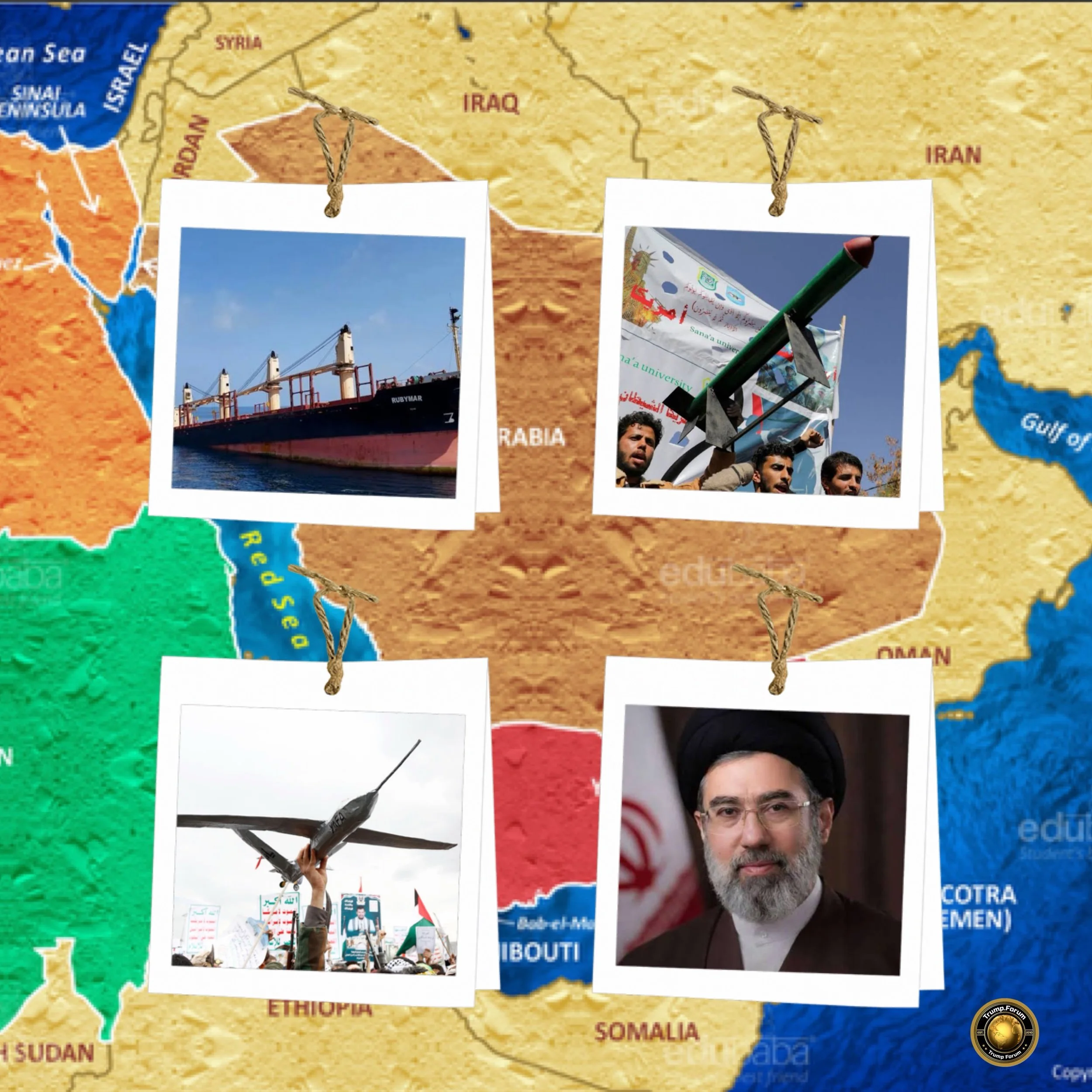
With support from Iran, they developed missiles and drones capable of striking targets hundreds of kilometers away.
These weapons allowed them to attack oil facilities in Saudi Arabia and ships traveling through the Red Sea.
Between 2023 and 2025, their campaign against shipping disrupted international trade routes.
Insurance costs for ships increased dramatically, and many naval forces began escorting commercial vessels.
These attacks made the Houthis globally famous. They showed that a group controlling a poor country could still affect international commerce.
However, these operations also exposed weaknesses.
Many missiles were used during these campaigns. Some failed. Others revealed launch sites that were later targeted by airstrikes.
When the war with Iran began in 2026, the Houthis knew their remaining weapons were limited.
Latest facts and concerns
Today the Houthis face several important challenges.
First, their missile supply is smaller than before. Building new missiles inside Yemen is difficult because important components are hard to obtain.
Second, international surveillance is stronger. Satellites, drones, and intelligence systems can quickly identify launch sites.
If the Houthis launched missiles today, those locations could be destroyed very quickly.
Third, the group must protect the cities and ports it controls. Millions of people depend on these areas for food, trade, and humanitarian aid.
Large-scale retaliation from powerful militaries could destroy this infrastructure.
For these reasons, the Houthis must be careful.
Cause and effect analysis
The silence of the Houthis in 2026 is the result of several cause-and-effect relationships.
Years of war reduced their missile supplies. Because they have fewer weapons, using them now could weaken their future military position.
The responsibility of governing territory also changes decision-making.
Leaders who control cities must think about electricity, food supply, and hospitals. War threatens all of these things.
Regional politics also matters. Saudi Arabia and the United Arab Emirates have stepped back from active fighting in Yemen.
The Houthis do not want to provoke them into returning to the war.
Finally, Iran itself is under pressure after the American and Israeli attacks. The Houthis understand that Iran may not be able to provide strong support at the moment.
Because of these factors, waiting becomes the safest strategy.
Future steps
The Houthis will likely continue strengthening their political and military position inside Yemen.
They may focus on expanding control into additional regions such as Marib or other areas still outside their authority.
At the same time, they will probably keep their missile and drone capabilities as a form of deterrence.
This means they will maintain the ability to attack ships or regional targets if necessary, even if they do not use those weapons immediately.
Diplomacy may also increase. Some regional stakeholders now recognize that the Houthis will remain an important force in Yemen’s future.
Negotiations over Yemen’s political system could eventually include them as a central participant.
Conclusion
The Houthis’ silence during the 2026 war between the United States, Israel, and Iran surprised many observers.
But FAF examined carefully, the decision makes sense.
The movement now governs large parts of Yemen and must protect its political project.
Attacking powerful militaries at this moment could destroy years of effort.
Their leaders therefore chose patience instead of escalation.
The Houthis still hold strong ideological views against the United States and Israel. That has not changed.
What has changed is their strategic thinking.
Instead of reacting emotionally to events, they now calculate when fighting helps their goals and when it harms them.
For now, the Red Sea remains quiet not because the Houthis want peace, but because waiting serves their interests better than war.