Executive Summary
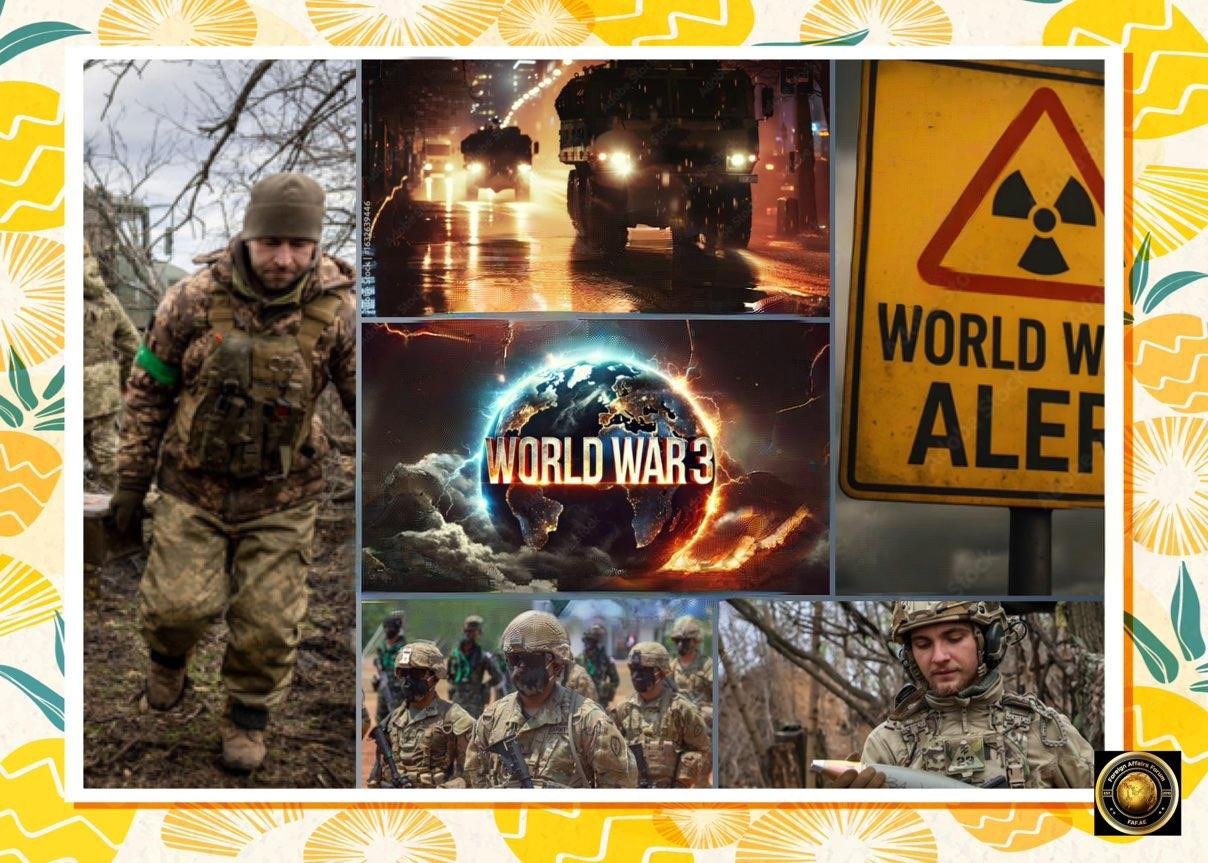
Many politicians, media commentators, and public figures keep warning that the ongoing wars in Ukraine and the Middle East could start World War III.
A major poll found that most people in the United States, Britain, Canada, and France now believe a third world war could happen within the next five years.
But when you look carefully at what a real-world war actually is, today's conflicts — as serious as they are — do not match that definition.
This article explains why the "World War III" phrase gets used so often, what it really means, and why most experts believe it is the wrong way to describe what is happening in the world today.
Introduction
The Phrase That Will Not Go Away
Imagine a fire alarm that goes off every week — not because there is always a fire, but because it is easy to press the button.
After a while, people stop trusting the alarm, even when there is real danger.
That is very similar to what has happened with the phrase "World War Three." Every time there is a major international crisis, someone important rushes to press that alarm.
It happened after Russia invaded Ukraine in 2022. It happened again after the wars in Gaza and Lebanon. And it happened once more when the United States and Israel began bombing Iran in 2025 and early 2026.
When a Politico poll published in February 2026 showed that 43% of British people believed a world war was "likely" or "very likely" in the next five years — up sharply from just 30% less than a year earlier — it confirmed what many analysts had long suspected: years of alarming language have shaped how ordinary people see the world.
History and Current Status
What Actually Is a World War?
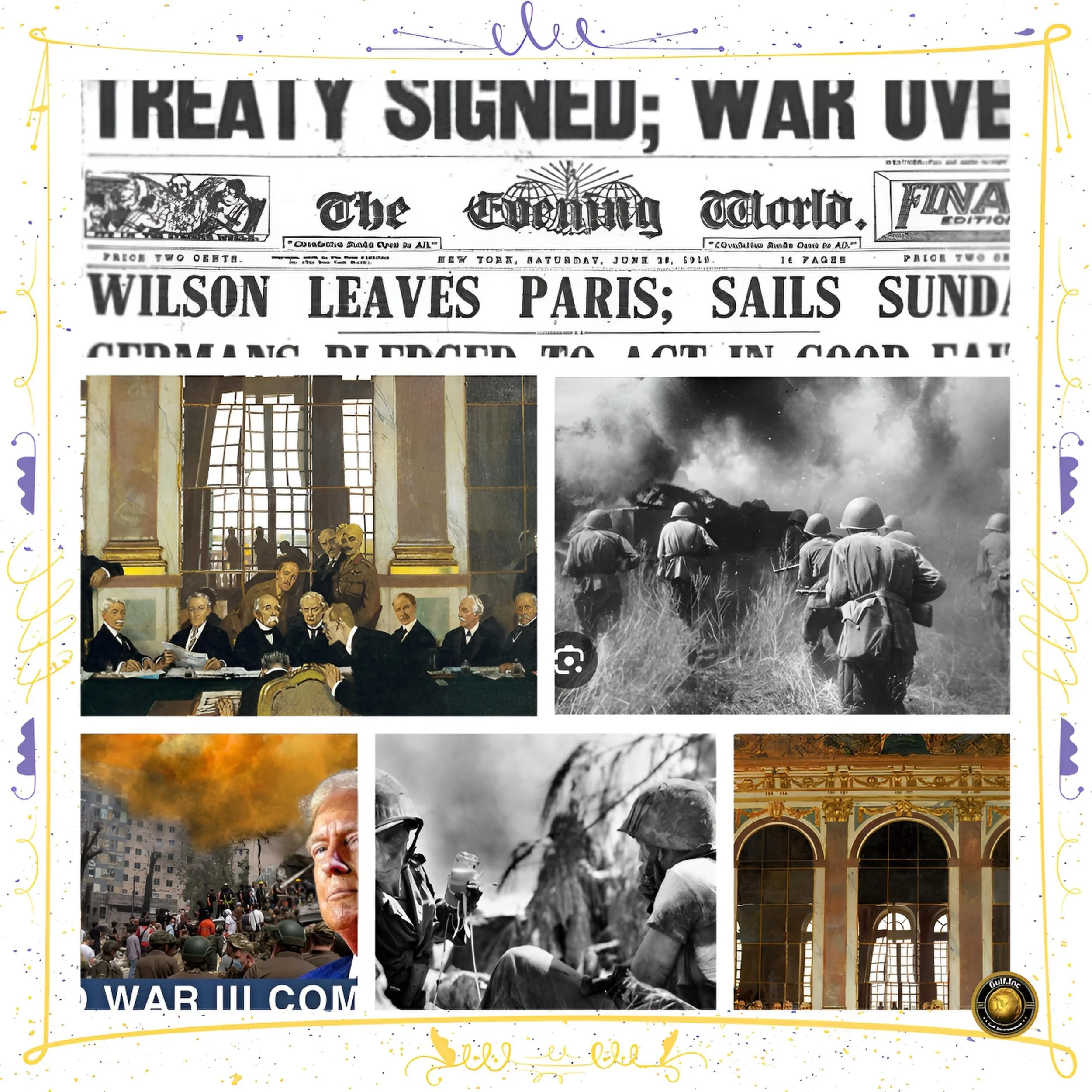
To understand why today's conflicts are not World War III, it helps to think carefully about what the two real-world wars actually were.
World War I, from 1914 to 1918, and World War II, from 1939 to 1945, were not just "big wars."
They were something very specific. Almost every powerful country in the world fought directly.
Entire economies were turned over to producing weapons and supplies. Tens of millions of soldiers and civilians died.
The wars were driven by clashing ideas about how all of human civilization should be organized — not just by border disputes between neighboring countries.
Think of it this way. A neighborhood fight between two families is very different from a situation where every family on the street is physically fighting each other.
Today's wars are serious neighborhood fights. They are not yet a street-wide battle — and the structural conditions that would turn them into one do not currently exist.
The biggest reason is nuclear weapons.
Since the United States dropped atomic bombs on Japan in 1945, every large and powerful country has understood one very simple truth: if two nuclear-armed countries go to war with each other directly, they risk destroying not just themselves but the entire world.
This understanding — sometimes called Mutually Assured Destruction — has served as an invisible wall, preventing the great powers from ever fighting each other directly, even during tense moments like the Cuban Missile Crisis of 1962.
That wall still stands today.
Key Developments
The Wars That Sparked the Fear
The Russia-Ukraine War began in February 2022 when Russia invaded Ukraine, trying to seize territory and prevent Ukraine from joining NATO.
Well-known figures, including the scholar John Mearsheimer and businessman Elon Musk, all warned that if Western countries like the US and Britain kept sending weapons to Ukraine, Russia might escalate the war, and nuclear conflict could follow.
Some even said this would be the trigger for World War III
But here is what actually happened.
Over four years, Western countries sent enormous quantities of weapons to Ukraine — including advanced fighter jets, long-range missiles, and air defense systems.
Russia did frequently threaten nuclear action. But Russia did not use nuclear weapons, and no NATO country has directly fought Russia.
The "alarm" was pressed many times, but the fire never started at that catastrophic level.
Similarly, in the Middle East, the October 7, 2023, Hamas attacks on Israel set off a chain of events that gradually pulled more actors into the conflict.
Israel fought Hezbollah in Lebanon.
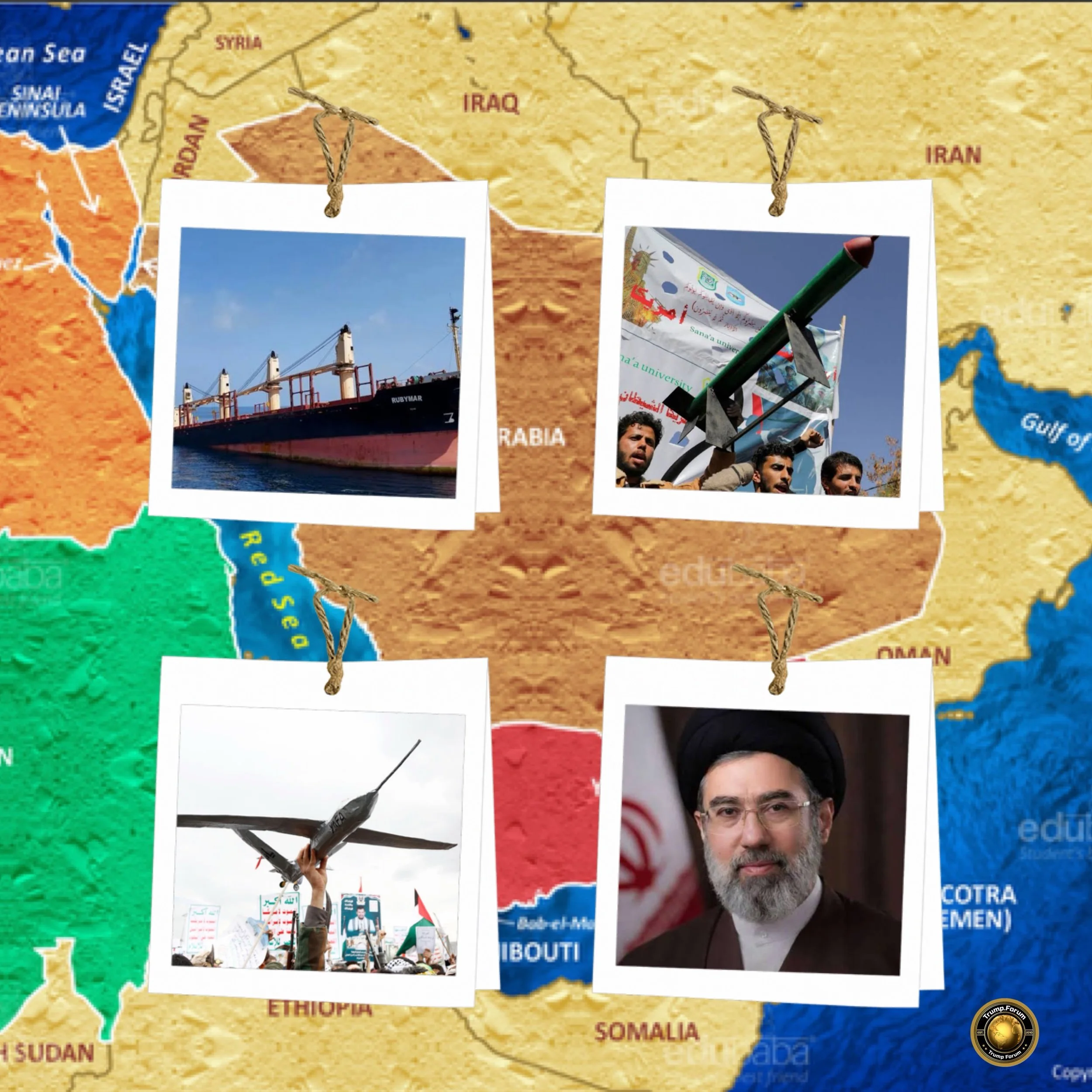
Houthi fighters in Yemen attacked ships. Iranian-backed groups fired rockets at US bases.
In June 2025, the US and Israel struck Iranian nuclear sites.
Then, in February 2026, they launched the large operation called "Epic Fury," striking Iranian leadership, missiles, and military infrastructure directly. Iran fired back with ballistic missiles and drones, hitting US bases in Saudi Arabia, Jordan, Qatar, Bahrain, Kuwait, and even the island of Cyprus. Oil prices jumped by about 50%.
The United Nations Secretary-General warned of the risk of wider conflict.
These events are serious and frightening.
But China did not join Iran's side. Russia could not — or chose not to — help its Iranian partner.
No European country entered the war directly.
The world's most powerful countries are not marching armies against each other.
Latest Facts and Concerns
The Poll Numbers and What They Mean
The Politico Europe poll from February 2026 is the clearest evidence of how deeply the WWIII fear has entered public thinking.
Majorities in the US, Britain, Canada, and France believe a world war is likely in the next five years.
At least one-third of people in those same countries believe nuclear weapons will probably be used in that timeframe.
That is an extraordinary level of public anxiety.
But notice something important.
The same poll found that support for increased defense spending — the practical step that would actually make conflict less likely — dropped sharply the moment people were told it might mean higher taxes or cuts to public services.
People are very afraid of the worst outcome but are not yet willing to pay the costs of preventing it. This combination of fear and inaction is actually one of the dangers created by excessive WWIII rhetoric.
Like a person so terrified of a car crash that they refuse to learn to drive, the fear itself becomes paralyzing rather than motivating.
Cause-and-Effect Analysis
Why This Language Is Dangerous
When commentators keep saying that every crisis could start World War Three, it creates three practical problems.
First, it makes governments afraid to act firmly against aggressors, because any response might "start the big war."
This is exactly what happened when Western governments debated arming Ukraine: the WWIII argument was used to argue that no weapons should be sent, which would have left Ukraine to be defeated.
Second, it leaves the public deeply anxious yet passive — people feel there is nothing to be done if a catastrophe is inevitable.
Third, it actually helps aggressive countries like Russia. If America and Europe are so frightened of starting World War Three that they limit their responses, Russia gains time and territory.
A good example is the argument made repeatedly that allowing US planes to use British air bases to strike Iran would mean Britain was entering World War III.
But Britain has allowed American planes to use its bases during every major US military operation for decades.
That has never meant Britain was entering a world war. The framing was wrong, but it was enough to dominate the news cycle and shape public perception.
Future Steps
What Should Be Done Differently
There are clear practical improvements that would help. Political leaders, journalists, and public commentators should use more precise language when describing military conflicts. Instead of reaching immediately for "World War III," they should ask specific questions: Are the great nuclear powers directly fighting each other?
Has the nuclear deterrence system broken down?
Is global military mobilization occurring?
If the answer to these questions is no — as it currently is — then the WWIII framing is misleading.
Governments should also do a better job of explaining to their citizens both the real dangers and the steps being taken to address them.
Fear that is untethered from practical action makes democracies weaker, not stronger.
Citizens who understand the actual risks, rather than a cartoonish version of them, are better equipped to support the sustained investments in defense and diplomacy that real security requires.
Conclusion
Serious Danger Deserves Serious Language
The wars in Ukraine and the Middle East are real, deadly, and consequential. Thousands of people have died. Millions have been displaced.
Energy markets have been disrupted. The post-Cold War international order is under genuine pressure.
All of this deserves serious, sustained public attention. What it does not deserve is the lazy, alarming shorthand of "World War III" — a phrase that tells us more about the psychology of those who use it than about the actual state of the world.
The world is dangerous. It is not, at this moment, on the brink of the same catastrophe that killed approximately 80 million people between 1939 and 1945.
Saying so, clearly and without apology, is not naivety. It is the beginning of honest strategic thinking.