Summary
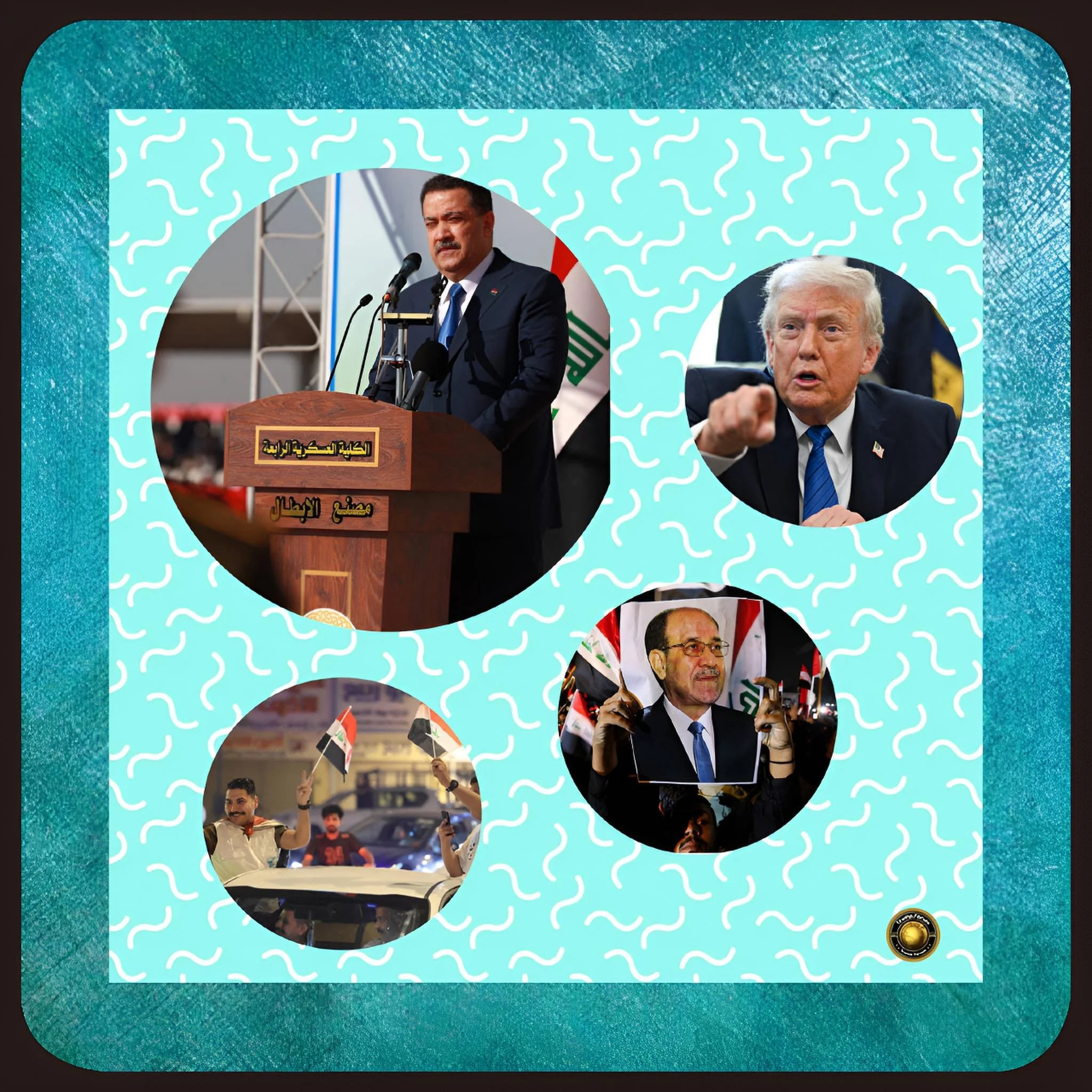
What is happening in Iraq right now? Iraq's former prime minister, Nouri al-Maliki, wants to lead the country again. But America says no. America is using money as a weapon to stop him.
This is a big story because it shows how powerful countries control weaker countries through money, not through armies or wars.
Let me explain how this works
Imagine you keep your savings in your neighbor's bank. Your neighbor can freeze your account anytime, for any reason. Iraq is in this exact situation with America. Iraq's oil money—about $60 to 70 billion—sits in an account at the Federal Reserve Bank in New York. The Federal Reserve is America's central bank. Iraq cannot touch this money without America's permission.
Why did Iraq put its money there? After 2003, when America invaded Iraq, the US government created an account called the Development Fund for Iraq.
The US said this account would protect Iraq's oil money from old lawsuits and help rebuild the country. Iraq agreed. Now, 23 years later, Iraq still keeps its oil money there.
Iraq's government sells oil for dollars. These dollars go directly to the New York Federal Reserve account. Then Iraq asks for the money back little by little to pay teachers, soldiers, doctors, and government workers.
Here is the problem
America now says, "If you choose Maliki as prime minister, we will not let you have your money." This is like a bank telling you, "We control your political choices, or we freeze your savings."
In January 2026, President Trump said Iraq would lose American help if it chose Maliki.
Secretary of State Marco Rubio sent messages saying Iraq cannot have a government controlled by Iran.
These messages mean: choose the leader America wants, or lose your oil money.
Iraq's oil money is 90% of all government money.
Without it, Iraq cannot pay workers. Teachers would not get paid. Soldiers would not get paid. Hospitals would close. This is why America's threat works. This is financial blackmail.
But something interesting is happening worldwide. Countries are getting tired of this.
They are buying gold instead of keeping dollars.
Why?
Because gold cannot be frozen. Gold cannot be seized by America. Gold is real metal that sits in vaults. If you own gold, nobody can stop you from using it.
In 2024 and 2025, central banks around the world bought record amounts of gold. China bought gold. Russia bought gold. India bought gold. Turkey bought gold. Saudi Arabia bought gold. These countries learned a lesson: keeping your money in America's banks is dangerous.
Russia learned this the hard way. In 2022, when Russia invaded Ukraine, America froze Russia's central bank money. Russia had about $300 billion in dollar reserves.
America took it. Russia could not use this money. Now Russia understands: dollars are not safe.
Is Iraq is learning the same lesson right now?
If Iraq chooses a leader America does not like, America will freeze Iraq's money. This is the real power structure. America does not need soldiers. America just needs to control the banking system.
This creates a paradox for America. The more America uses financial punishment, the more countries want to escape the dollar system. If countries stop using dollars, America loses its power.
This is why central banks are buying so much gold. They want to break free from dollar control.
What could Iraq do?
Iraq could negotiate with China to sell oil for Chinese yuan instead of dollars.
Iraq could join payment systems that do not use dollars or America's banking system. Iraq could buy more gold. But these changes take time. Right now, Iraq is trapped.
The bigger question is this
In 2026, can America continue to control countries through money?
Or will the world find new ways to do business without America's permission?
The Maliki situation in Iraq is part of this larger battle. It shows that old methods of control through military power are being replaced by new methods of control through banking systems. And countries around the world are starting to say no to this arrangement.
They are buying gold. They are looking for alternatives. They want to escape the trap.