Musk’s Mega-Merger: Ambition Without a Clear Strategy
Executive Summary
The Chaos Behind Musk’s Corporate Empire
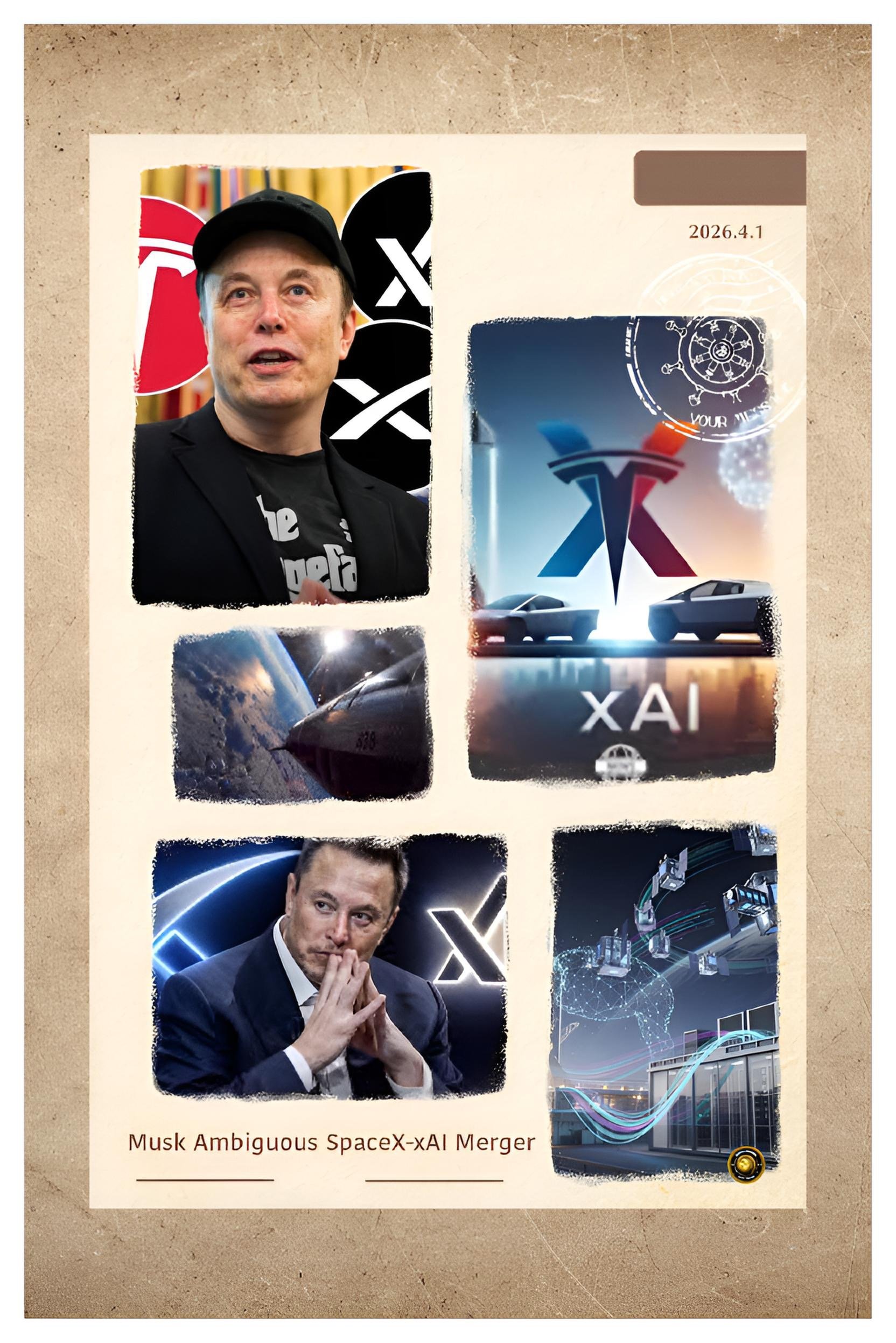
On February 2, 2026, Elon Musk announced the acquisition of xAI by SpaceX in a transaction valuing the combined enterprise at $1.25 trillion, rendering it the world's most valuable private company.
Whilst the transaction ostensibly represents a strategic consolidation designed to facilitate the development of space-based artificial intelligence data centers, examination of the underlying business fundamentals reveals substantial misalignment between the stated technological rationale and demonstrated economic viability.
The merger fundamentally reflects capital requirements endemic to xAI's unsustainable operational model—the company burns approximately $1 billion monthly—rather than genuine synergistic optimization.
FAF analysis demonstrates that contemporary financial markets have substantially decoupled valuations from technological feasibility assessments, thereby creating conditions wherein capital preservation mechanisms masquerading as strategic innovation command extraordinary valuations.
Introduction
Musk’s Conglomerate Ambitions: Vision or Confusion?
The contemporary technological landscape reflects an unprecedented concentration of visionary ambition within singular corporate entities.
Elon Musk's accumulation of controlling interests across aerospace (SpaceX), electric vehicles (Tesla), artificial intelligence (xAI), social media (X), neurotechnology (Neuralink), and terrestrial infrastructure (The Boring Company) constitutes a comprehensive reorientation toward integrated business structures that dominated early twentieth-century industrial organization before systematic obsolescence rendered them anachronistic.
The SpaceX-xAI acquisition, announced on February 2, 2026, ostensibly represents an intermediate consolidation step toward the ultimate objective of unified conglomerate formation encompassing spaceflight, artificial intelligence, and electric vehicles—a structural configuration that, industrial history suggests will engender precisely the operational inefficiencies and strategic incoherence that precipitated their historical abandonment.
Historical Context
The Rise and Fall of Conglomerate Organization
The classical conglomerate business model, exemplified by General Electric under Jack Welch, achieved operational success through sophisticated capital allocation mechanisms that systematized resource redistribution across disparate business units. However, this model's inherent vulnerabilities—diffused strategic focus, organizational complexity, inflexible vertical integration, and compromised decision-making velocity—ultimately necessitated systematic dissolution.
Contemporary scholarship demonstrates that vertical integration strategies, particularly those encompassing technologically heterogeneous operations, suffer from structural liabilities that capital adequacy alone cannot remedy.
Capacity utilization inefficiencies, inventory accumulation, workforce coordination challenges, and operational bottlenecks systematically compound through integrated structures, thereby rendering consolidated enterprises less flexible and responsive than constituent independent entities.
The announced SpaceX-xAI merger represents a conscious embrace of this historically discredited organizational model, justified through novel technological reasoning rather than demonstrated operational success.
Current Status
Financial Architecture Masquerading as Strategic Vision
The transaction structure illuminates the underlying capital dynamics motivating the consolidation.
SpaceX, operating at substantial profitability with approximately $8 billion in 2025 operating income on revenues of $15 billion to $16 billion, has the financial capacity to absorb xAI's monthly $1 billion operational deficit.
Conversely, xAI has accumulated losses of approximately $42 billion since its 2023 founding, whilst remaining substantially behind competitors OpenAI (commanding revenues exceeding $20 billion), Anthropic (roughly $10 billion in revenue), and established technology enterprises.
The merger, structured as an all-stock acquisition in which SpaceX issues approximately $250 billion in new equity to xAI shareholders, represents neither technological innovation nor strategic synergy, but rather a capital infusion mechanism disguised within elaborate, vertically integrated rhetoric.
The valuation expansion during the merger announcement—SpaceX increasing from $800 billion (late 2025 secondary market valuation) to $1 trillion, and xAI remaining essentially flat at $230-250 billion—suggests investor attribution of merger premium exclusively to SpaceX equity rather than recognition of fundamental xAI value enhancement.
Conglomerate formation carries an inherent execution risk penalty that ought to discount rather than enhance valuations; the observed valuation increase suggests that capital markets have adopted a technology-sector-specific narrative that decouples valuations from underlying business fundamentals.
Key Developments
The Orbital Data Center Premise
Musk's articulated strategic justification centers on space-based artificial intelligence data center development, predicated on the assertion that orbital computing will achieve cost-parity with terrestrial data center operations within 2 to 3 years.
This timeline represents extraordinary optimism substantially divorced from both contemporary technical capabilities and industry consensus.
Musk contends that orbital facilities will harness unlimited solar energy whilst employing radiative cooling mechanisms to dissipate computational heat directly into space, thereby achieving operational economics superior to terrestrial alternatives constrained by land availability, permitting difficulties, electrical grid limitations, and freshwater cooling requirements.
The scientific community has responded with substantial skepticism. Radiative cooling efficiency in space environments is substantially inferior to terrestrial convection cooling, a fundamental physics principle that calls into question Musk's thermodynamic assumptions.
Furthermore, orbital operations confront operational constraints significantly more severe than terrestrial alternatives: satellite orbital ephemeris necessitates deorbiting every 5 years (Federal Communications Commission mandate), thereby requiring continuous replacement; solar eclipse cycles occur approximately every 90 minutes in certain orbits, disrupting continuous power generation; cosmic radiation exposure necessitates radiation-hardened semiconductor manufacturing, which currently operates at inferior performance characteristics relative to commercial chips; and space debris threats to expansive satellite arrays constitute operational risk substantially underestimated in Musk's public pronouncements.
Deutsche Bank analysis projects that feasible orbital data center trials will not commence before 2027-28, with meaningful commercial deployment emerging only in the 2030s, should initial trials demonstrate technical and economic viability.
This timeline represents 4 to 7 years later than Musk's assertions. Contemporary industry analysis from Blue Origin indicates cost-parity emergence within 10 to 20 years, contingent upon launch cost reductions achieving approximately $200 per kilogram—a threshold not currently attained.
The orbital data center business case rests on launch cost trajectories that SpaceX must achieve, thereby creating circularity in which the merger's central technological justification depends on SpaceX overcoming engineering challenges that remain undemonstrated.
Causation Analysis
Capital Requirements and Strategic Incoherence
The merger announcement appears motivated by two fundamentally distinct corporate imperatives, awkwardly synthesized into a unified narrative.
For xAI, the acquisition is an existential necessity—monthly operational deficits of approximately $1 billion render independent financing unsustainable without SpaceX's substantial cash generation.
For SpaceX, the acquisition complicates the forward operational narrative precisely as the company prepares for an initial public offering targeting $50 billion in proceeds, whilst achieving a valuation exceeding $1.5 trillion. Public equity markets traditionally apply a conglomerate discount, meaning the combined enterprise valuation should decline rather than increase relative to standalone equivalents.
The observed valuation enhancement suggests that technology-sector investors have adopted narrative-driven valuations, in which an elaborately articulated strategic vision supersedes quantitative business fundamentals.
The transaction structure illustrates the underlying incoherence. SpaceX's fundamental competitive advantage derives from demonstrated operational excellence in rocket manufacturing, launch services, and satellite constellation deployment. xAI's competitive position derives from algorithmic development, data acquisition, and access to computing infrastructure—competencies wholly orthogonal to aerospace manufacturing.
The proposed vertical integration creates an organizational structure in which aerospace expertise makes a minimal contribution to AI model development, whilst AI organizational overhead distracts from SpaceX's core commercial competencies.
Historical precedent suggests that such heterogeneous vertical integration creates precisely the organizational pathologies that precipitated the obsolescence of the conglomerate model: diffused decision-making authority, compromised resource allocation, organizational inflexibility, and strategic focus diffusion.
Concerns and Uncertainties
Regulatory, Financial, and Technical
xAI faces substantive regulatory scrutiny across multiple jurisdictions. The Grok artificial intelligence chatbot has facilitated the generation of non-consensual sexual imagery of adults and children, triggering investigations in the European Union, United Kingdom, India, Australia, and California.
These regulatory actions create material valuation risk that the transaction documents acknowledge only obliquely. Furthermore, xAI maintains government contracts with the United States Department of Defense valued at approximately $200 million, which are currently under investigation for technical capability and security compliance.
The regulatory trajectory suggests material valuation downside risk that current public disclosure may not fully capture.
SpaceX's capacity to execute the orbital data center vision depends upon the achievement of Starship's full reusability across both booster and upper stages. Currently, SpaceX has demonstrated reusability only of the booster stage; upper stage reusability remains theoretically established but operationally unproven.
The orbital data center business case requires a launch cadence that substantially exceeds current operational capacity, thereby imposing extraordinary engineering demands on the Starship development program.
Failure to achieve full reusability within projected timelines would render orbital data center economics fundamentally unviable, thereby validating the strategic skeptics' assessment that the merger represents capital deployment masquerading as technological innovation.
Future Prospects
The IPO Narrative Challenge
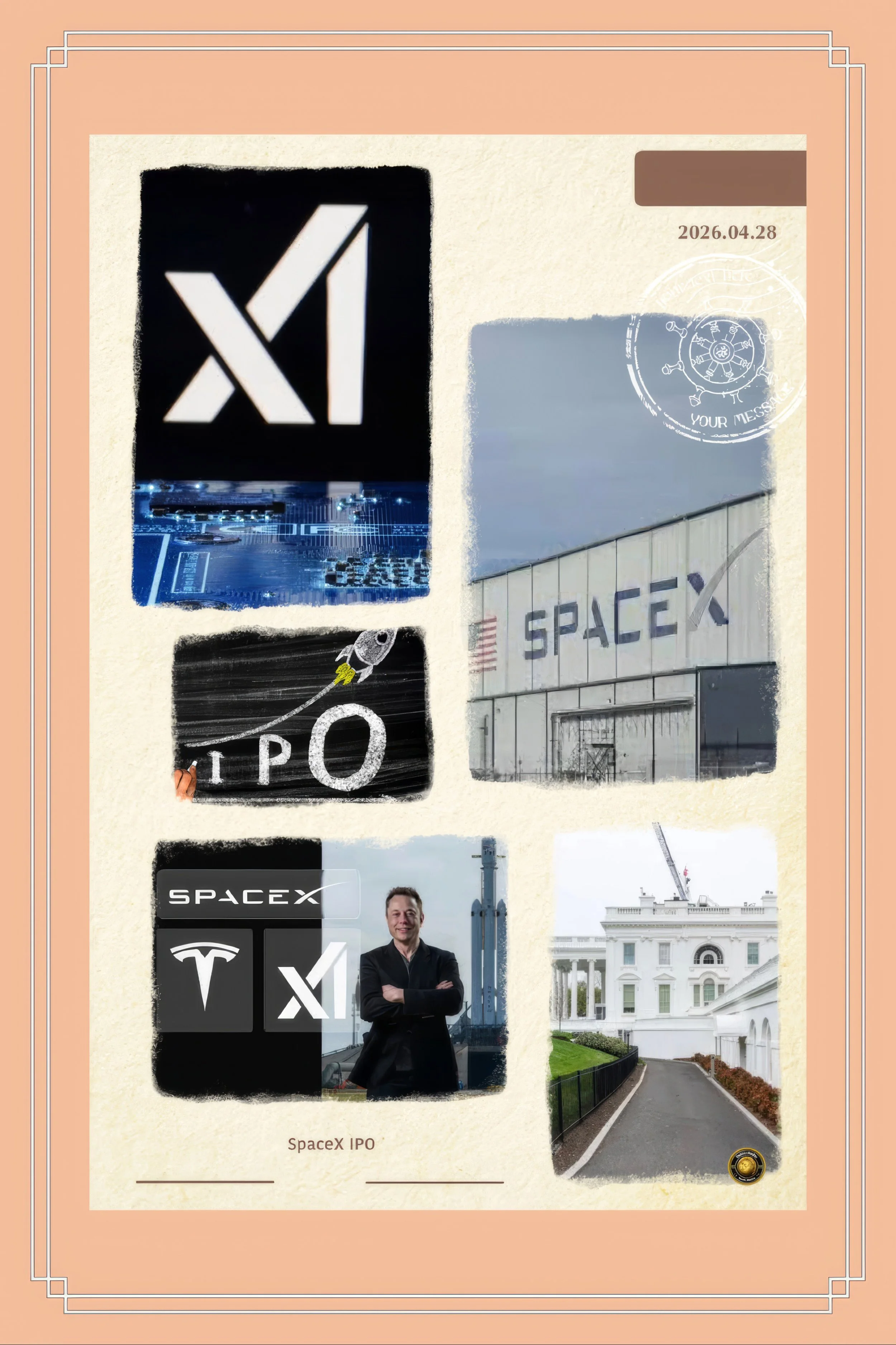
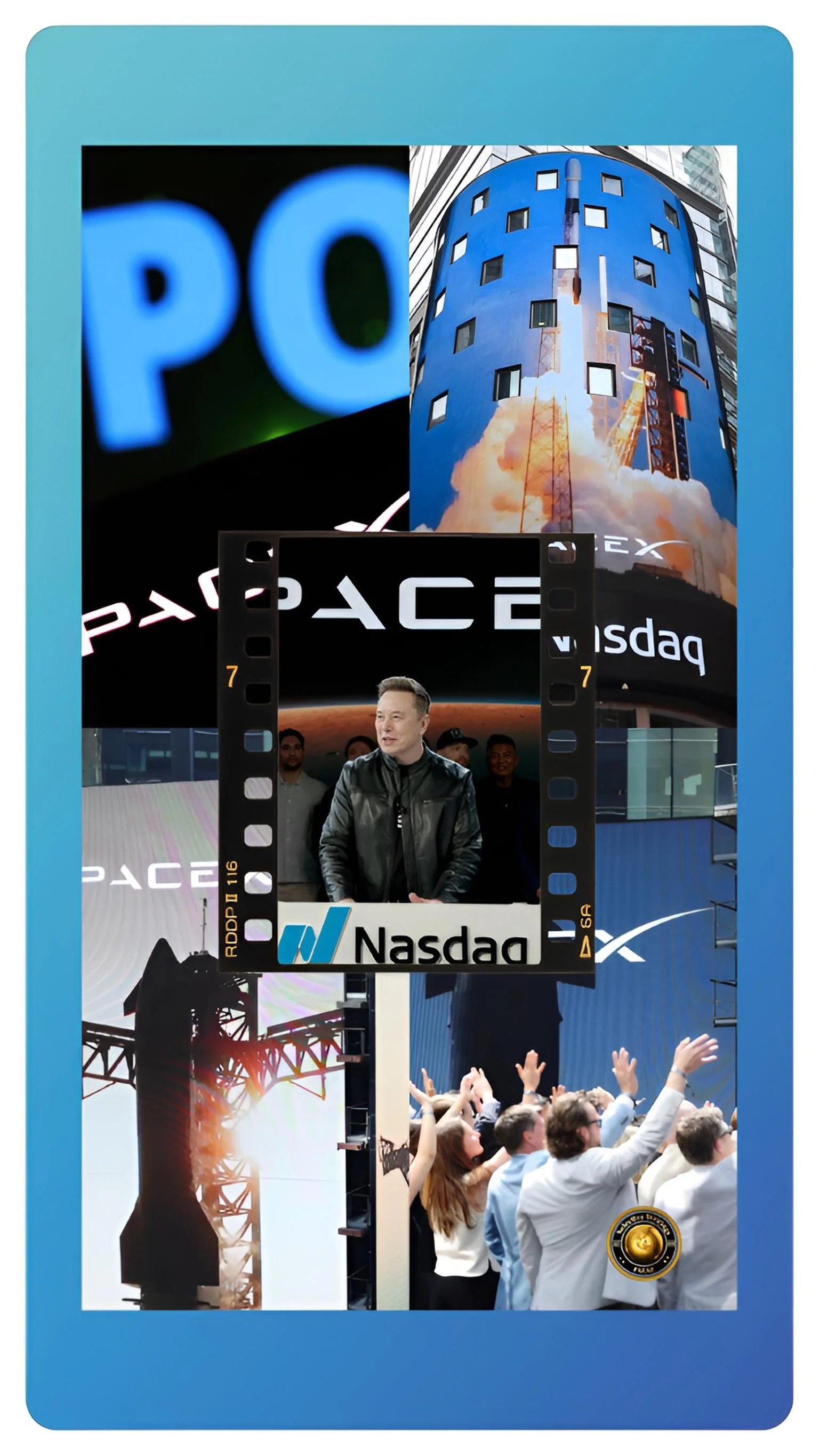
SpaceX's anticipated June 2026 initial public offering will face substantial investor scrutiny over the merger's strategic rationale.
Public equity markets have demonstrated increasing skepticism toward conglomerate structures, particularly those combining heterogeneous business segments with distinct operational and financial characteristics.
The presentation of SpaceX as a component of a unified "vertically-integrated innovation engine" may create precisely the valuation confusion that equity underwriters and management must navigate.
Contemporary precedent suggests technology sector investors will pay premiums for focused, singular-purpose companies with demonstrated operational excellence rather than sprawling conglomerates predicated upon speculative long-term technology development.
The merger's continued execution risks appear systematically underestimated. xAI's $1 billion monthly operational deficit will accelerate following the merger announcement as competitive pressures intensify, government contract pressures compound, and regulatory obligations accumulate.
SpaceX's attention to orbital data center development will necessarily divert engineering resources from core commercial spaceflight operations and lunar/Martian transportation development—the very objectives that generated SpaceX's market valuation premium.
The probability of execution failure across multiple concurrent technical frontiers should rationally generate a substantial valuation discount rather than the observed premium.
Conclusion
Narrative Versus Fundamentals in Technology Sector Valuations
The SpaceX-xAI merger exemplifies contemporary technology-sector valuation approaches in which elaborate strategic narratives command valuations decoupled from demonstrated business fundamentals, feasible execution timelines, and historical precedent regarding organizational structure efficiency.
The transaction provides capital to xAI's unsustainable operations whilst creating elaborate justification through speculative orbital data center development timelines substantially at variance with industry consensus.
SpaceX's operational excellence and documented commercial success do not transfer to artificial intelligence model development—a domain wherein xAI remains substantially behind established competitors despite acquiring $42 billion in capital.
The fundamental question animating technology sector valuation concerns whether capital markets will continue to attribute premium valuations to conglomerate formation centered upon speculative technology development, or whether observable execution challenges, regulatory uncertainties, and historical conglomerate structure precedent will precipitate valuation rationalization.
The SpaceX-xAI merger will serve as a critical test case regarding whether an elaborately articulated technology vision can indefinitely sustain valuations divorced from operational reality. Historical evidence suggests negative resolution. Contemporary technology sector valuations suggest continued embrace of narrative-driven equity pricing.
The merger's outcome will illuminate whether contemporary capital markets have fundamentally altered historical patterns regarding conglomerate formation, execution risk, and valuation discipline.