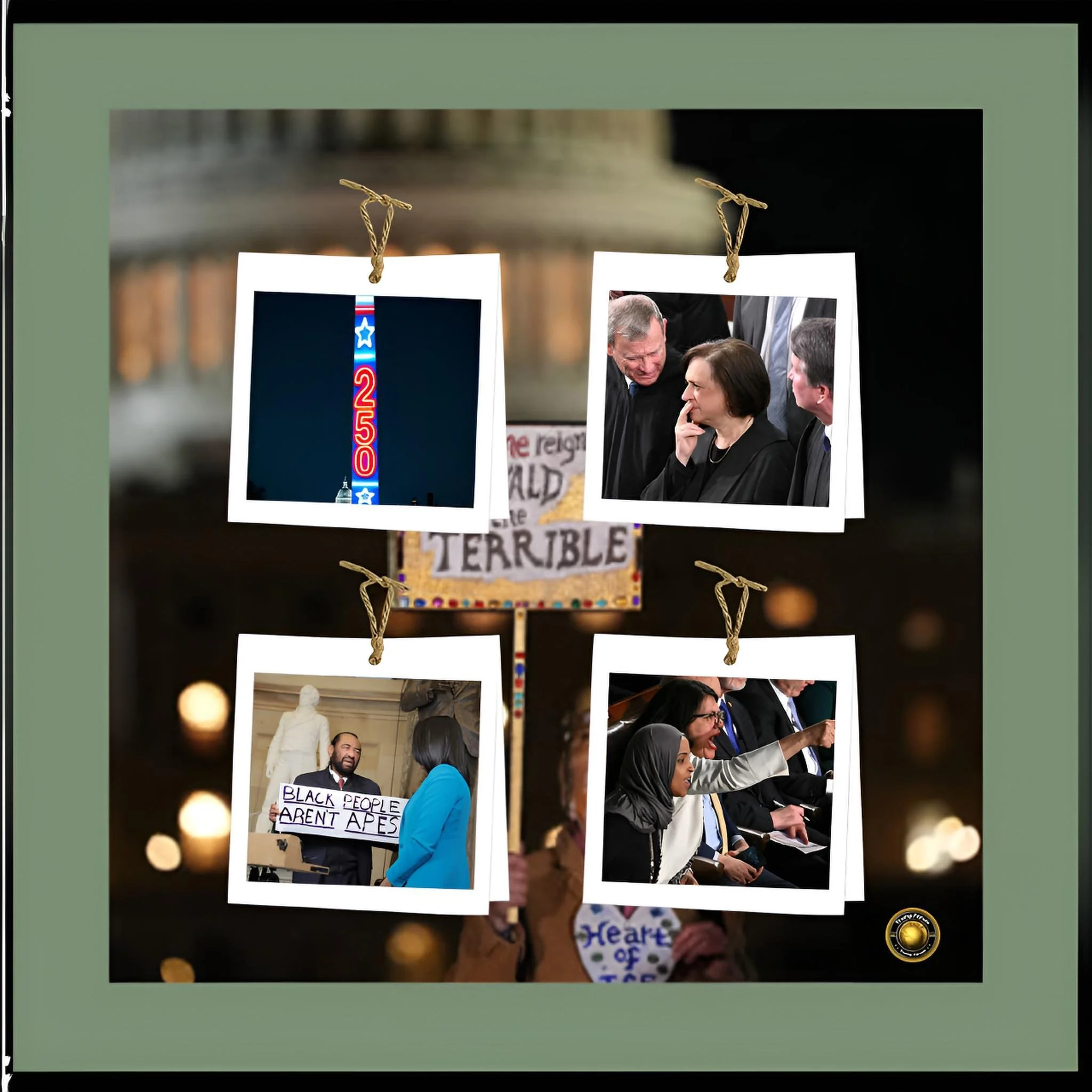
Trump’s Divisive Address Casts Shadow Over America’s Quarter-Millennium Celebration - Part II
Executive Summary
Donald Trump’s Unworthy State of the Union: A Republic Approaching Its Two Hundred Fiftieth Year
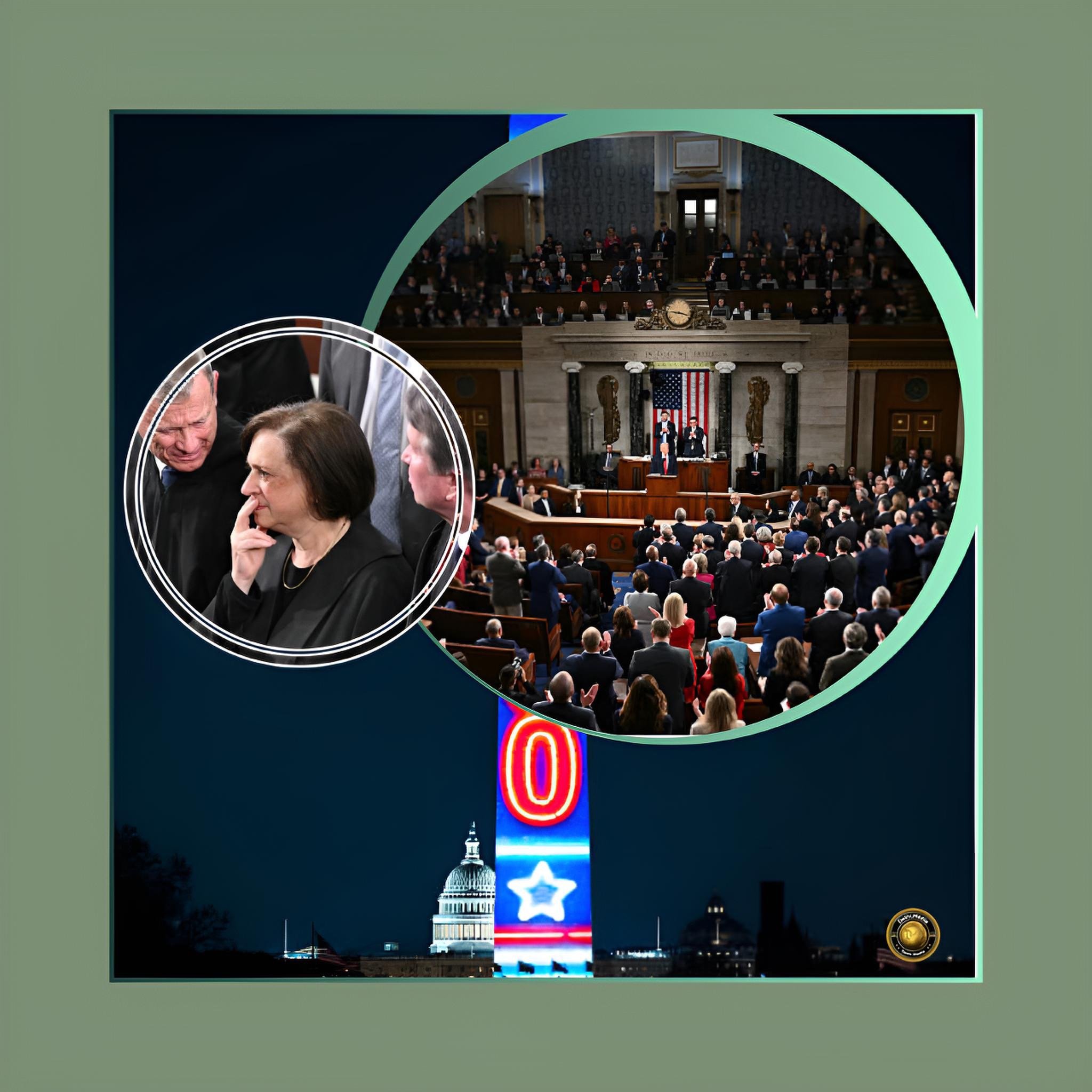
As the United States approaches the two hundred fiftieth anniversary of its Declaration of Independence, presidential rhetoric carries heightened symbolic and institutional weight.
In his early tenure, Donald Trump once asked what America would look like when it reached that milestone.
His recent State of the Union address, however, reflects a stark departure from that earlier invocation of unity.
Rather than presenting a cohesive national vision worthy of a quarter-millennium celebration, the speech amplified polarization, personalized institutional conflict, and foregrounded grievance over consensus.
FAF article examines the address within a broader historical and constitutional context.
It situates Trump’s rhetoric alongside the evolution of presidential addresses, the institutional tensions between the executive and judicial branches, and the ongoing recalibration of American democratic norms.
It analyzes the speech’s themes, tone, and policy implications, while assessing its potential long-term consequences for democratic legitimacy.
Through a cause-and-effect framework, the article argues that rhetoric of division, when delivered from the presidency, not only mirrors polarization but also accelerates it.
The piece concludes by considering what corrective measures might restore coherence between national ceremony and republican substance before the two hundred fiftieth anniversary arrives.
Introduction
Ceremony and the Republic
The State of the Union address has long functioned as a civic ritual through which the presidency affirms the continuity of constitutional government.
Although rooted in Article Two of the Constitution, its contemporary form is more theatrical than administrative.
Over time, it has become a moment when the executive speaks not merely to Congress but to the nation and, symbolically, to history.
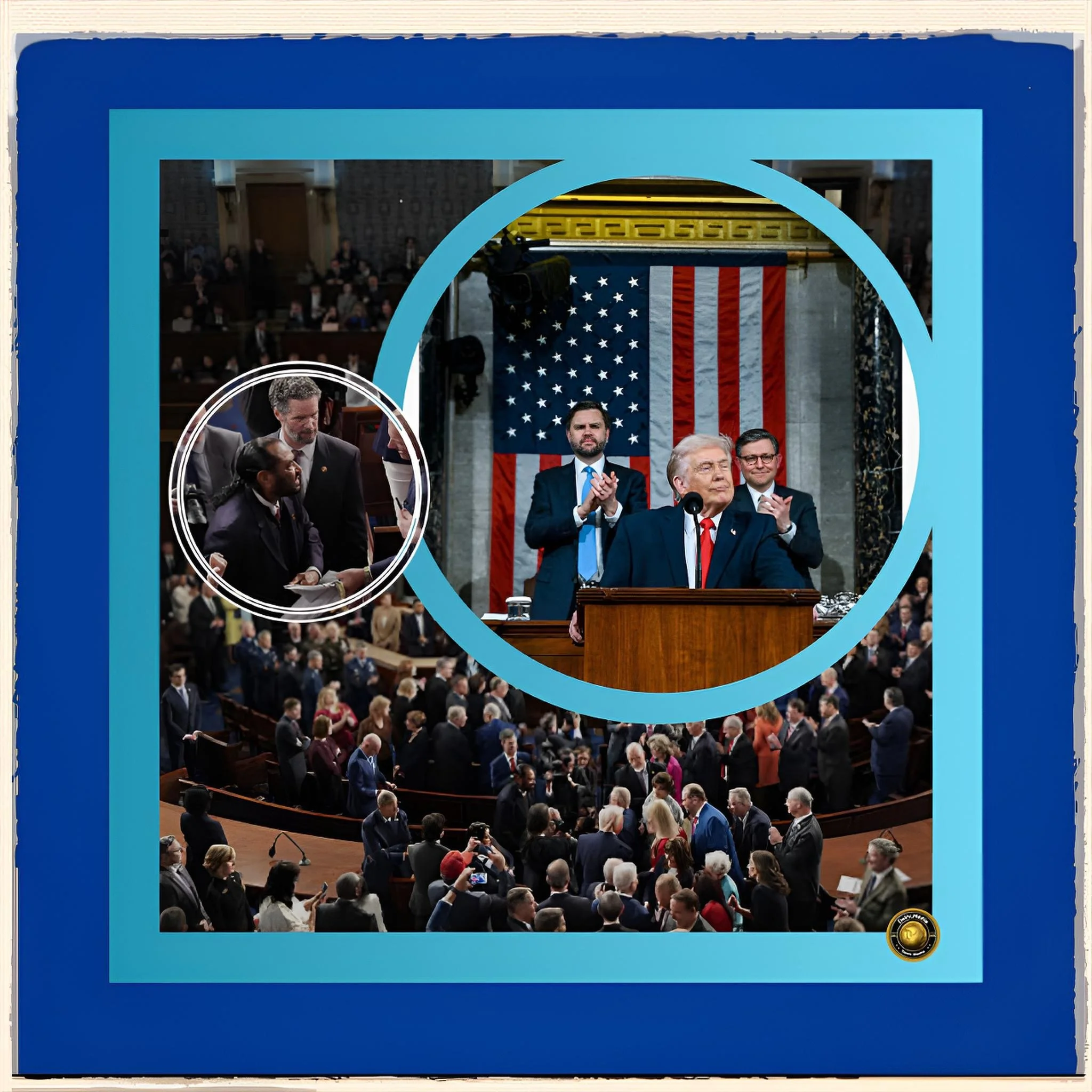
Donald Trump’s recent address must be understood within this ritualized frame. A speech delivered on the cusp of America’s two hundred fiftieth birthday carries implicit responsibility: it must not only recount policy achievements but also articulate an image of national destiny.
Trump’s early reflection on the forthcoming anniversary evoked aspiration. The latest address, by contrast, foregrounded institutional resentment, judicial confrontation, and partisan consolidation.
The dissonance between those two rhetorical moments frames the central question of this analysis: can a presidency that amplifies division credibly preside over a national commemoration of unity?
The answer bears implications not only for political messaging but for democratic durability.
History and Current Status
From Washington’s Modesty to Modern Spectacle
The State of the Union began as a restrained communication.
George Washington’s early addresses were formal and brief. Over two centuries, technological change transformed the speech into a national broadcast spectacle. Franklin Roosevelt used radio to calm anxiety.
Ronald Reagan harnessed television to dramatize American resilience. Bill Clinton framed economic renewal in the language of opportunity. Barack Obama employed rhetorical cadences that emphasized pluralism.
Trump’s first address in office adopted a conventional structure. He spoke of unity, strength, and long-term ambition.
His question about America’s two hundred fiftieth year suggested a desire to situate his presidency within a broader historical arc.
In his current address, however, the tone shifted. The speech centered on institutional grievance, criticism of judicial constraints, and forceful denunciations of political opponents. Rather than expanding the rhetorical tent, it narrowed it.
The judiciary was portrayed not as a coequal branch but as an obstacle. Economic policy was framed less as collective strategy and more as proof of vindication. The address thus reflected a presidency operating amid intense legal and political contestation.
The broader status of American democracy contextualizes this shift. Polarization has deepened. Public trust in institutions has declined. Congressional cooperation has become episodic.
Within that environment, the presidency’s rhetorical posture carries amplified impact. When the executive emphasizes conflict, it legitimizes conflict. When it emphasizes unity, it legitimizes compromise.
Key Developments
Judicial Confrontation and Political Messaging
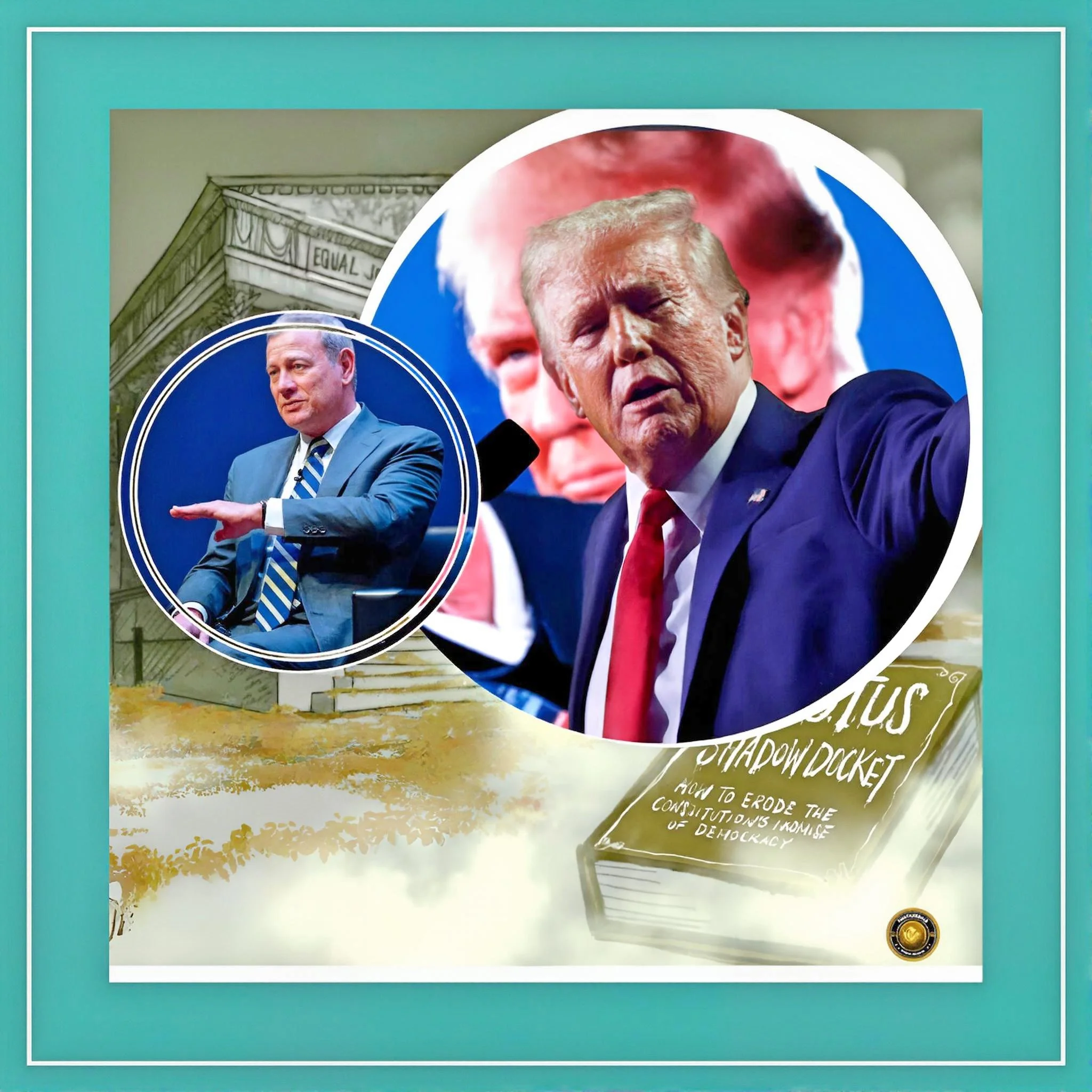
One of the defining features of the present political climate is the open contest between the executive and the judiciary.
Recent Supreme Court rulings constraining tariff authorities and executive action have become focal points of presidential rhetoric. In the address, Trump characterized such rulings as impediments rather than constitutional guardrails.
This framing marks a significant development. Historically, presidents have criticized court decisions while affirming institutional respect. The speech blurred that distinction.
It suggested that electoral mandate supersedes judicial interpretation. That message resonates with core supporters but complicates institutional equilibrium.
Another development lies in the speech’s treatment of national celebration. The two hundred fiftieth anniversary was invoked less as a collective milestone and more as validation of a particular political vision.
The celebration was personalized. Such personalization narrows the symbolic ownership of the anniversary.
Finally, the address reinforced a narrative of embattlement. Whether discussing trade, border policy, or cultural debates, the speech depicted America as under siege from internal and external forces.
This language energizes partisan bases but risks framing politics as existential struggle rather than deliberative contest.
Latest Facts and Concerns
Institutional Legitimacy Under Strain
Recent polling trends indicate declining public confidence in federal institutions. Approval ratings fluctuate, but trust in Congress and the judiciary remains fragile. Against that backdrop, presidential rhetoric that questions institutional motives carries disproportionate influence.
The approach to the two hundred fiftieth anniversary intensifies scrutiny. National commemorations function as moments of shared identity reinforcement. If they become arenas for partisan assertion, their integrative function diminishes.
Economic uncertainty also shapes the political atmosphere. Market volatility, trade recalibration, and fiscal debate contribute to anxiety. In such circumstances, citizens often look to presidential speeches for reassurance. A confrontational tone may energize loyalists but leave undecided audiences unsettled.
The convergence of judicial conflict, economic recalibration, and symbolic commemoration creates a uniquely sensitive moment. The State of the Union address thus becomes more than policy exposition; it becomes a barometer of democratic tone.
Cause-and-Effect Analysis
Rhetoric as Institutional Catalyst
Political rhetoric is not merely descriptive; it is performative. When a president characterizes judicial review as obstruction, supporters may interpret compliance with court rulings as optional. When political opposition is framed as betrayal, compromise becomes suspect.
The immediate effect of divisive rhetoric is heightened partisan cohesion. The secondary effect is erosion of cross-partisan trust. Over time, this dynamic can normalize institutional brinkmanship.
There is also a symbolic effect. The two hundred fiftieth anniversary of independence invites reflection on foundational principles. If presidential messaging emphasizes grievance over constitutional continuity, public understanding of those principles may shift. The presidency shapes civic pedagogy.
Conversely, a speech emphasizing shared destiny could moderate polarization. The cause-and-effect chain thus hinges on rhetorical choice. Tone influences perception. Perception influences legitimacy. Legitimacy influences institutional stability.
Future Steps
Restoring Alignment Before the Anniversary
The United States still has time before its two hundred fiftieth year to recalibrate its civic narrative. Future presidential addresses could foreground constitutional humility and shared national purpose.
Bipartisan commemorative commissions could emphasize inclusive participation. Congressional leadership could reinforce norms of institutional respect.
The presidency retains the power to convene rather than divide. A recalibrated rhetorical approach would not require abandonment of policy conviction. It would require recognition that national celebration demands broader framing than partisan affirmation.
The anniversary presents opportunity as well as risk. It can serve as a catalyst for democratic renewal if leaders choose integrative language.
Conclusion
The Measure of a Milestone
The State of the Union address analyzed here reflects a presidency defined by confrontation rather than conciliation.
While such rhetoric may consolidate political support, it complicates the symbolic task of guiding a republic into its two hundred fiftieth year.
National anniversaries test not only historical memory but contemporary leadership. The presidency stands at the intersection of ceremony and governance.
Whether America’s quarter-millennium celebration becomes a unifying chapter or a contested pageant will depend in part on how its leaders choose to speak before that moment arrives.
The republic’s endurance rests not solely on constitutional design but on civic tone. Words shape institutions. Institutions shape nations.
As the anniversary approaches, the measure of presidential rhetoric will echo far beyond a single evening’s address.