Executive summary
Combining solar power and fish farming creates opportunities challenges
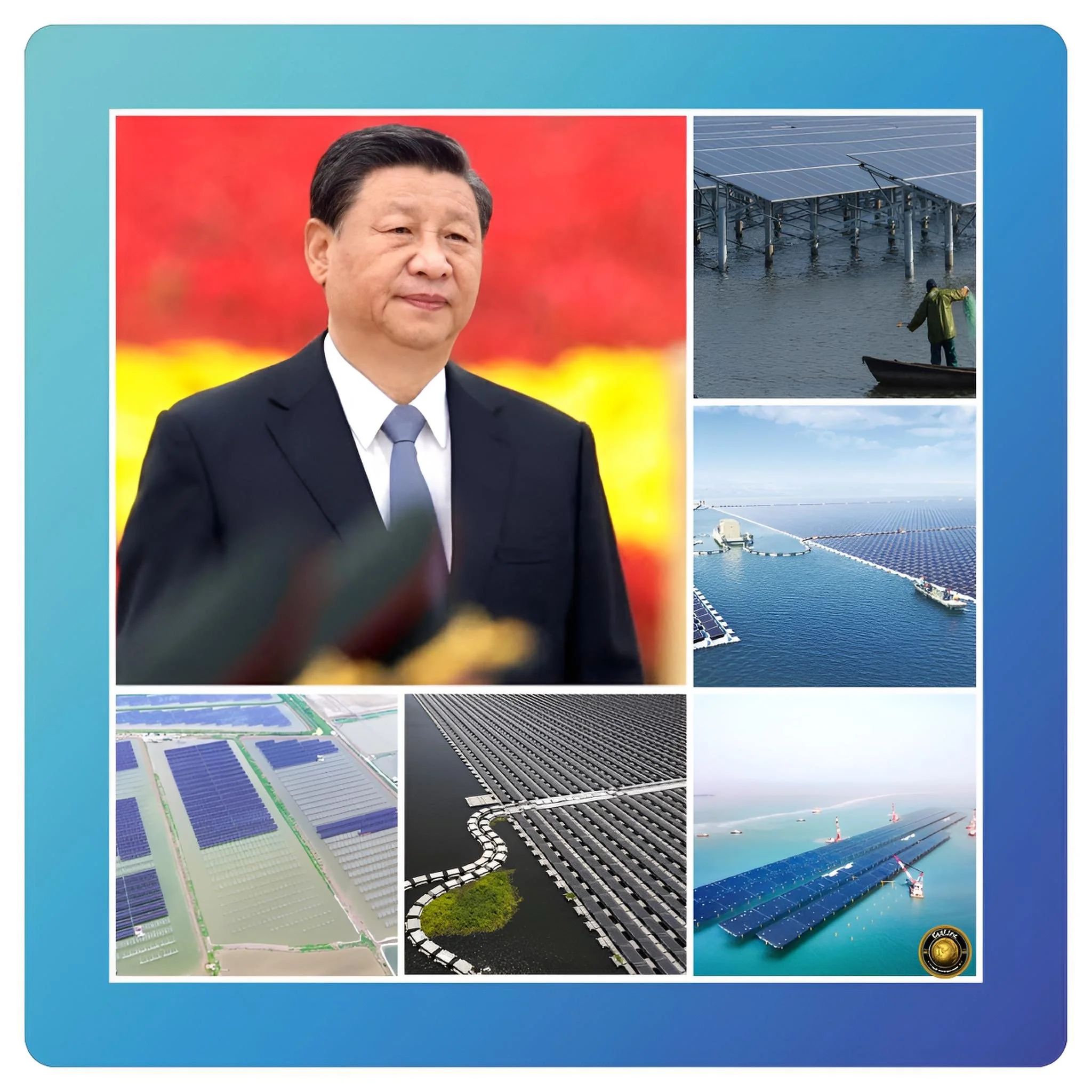
China is using floating solar panels on lakes and reservoirs to make electricity while fish, shrimp, and crabs are raised underneath.
This idea helps produce clean energy and food in the same place. Companies like Sungrow and large state energy firms are helping build these projects.
The system has many benefits, such as saving land and creating income for farmers. But some scientists worry about possible effects on water quality and aquatic life.
The main question is whether the environmental risks can be managed as projects grow larger.
Introduction
New technology changes how water surfaces are used
Many countries are trying to find ways to produce more clean energy without using too much land.
China has started using floating solar panels to solve this problem. Instead of building solar farms on land, panels are placed on water surfaces like lakes and reservoirs.
At the same time, farmers continue raising fish and other seafood below the panels.
This allows one area to produce both electricity and food. The idea is becoming popular because it helps use space more efficiently.
History and current status
From small experiments to world leading deployment
Floating solar projects started as small experiments about a decade ago.
China quickly expanded the idea because it had many artificial lakes created by mining and reservoirs used for water storage.
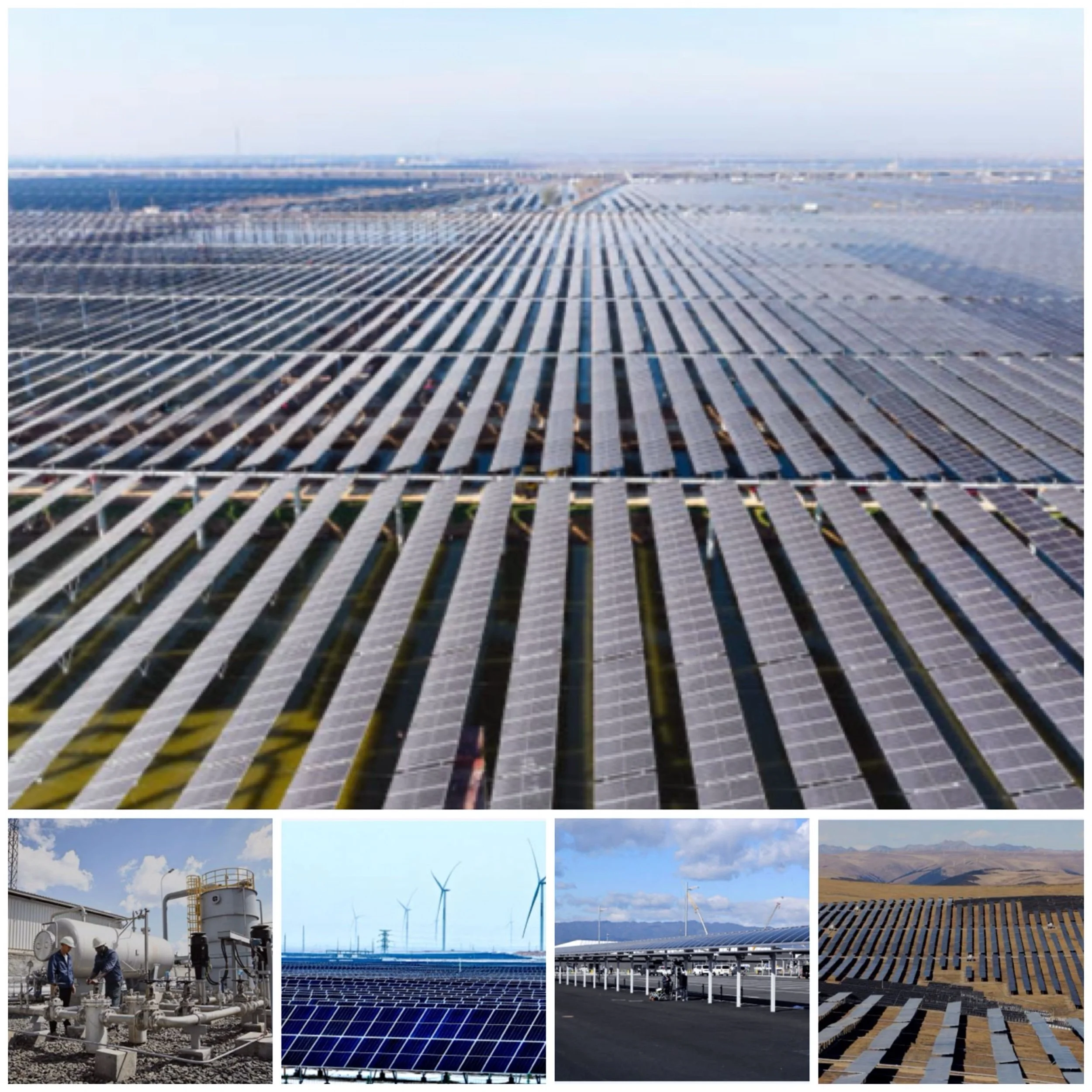
Today, China has the largest floating solar farms in the world. Many of them also support aquaculture.
Fish such as carp grow in the shaded water, while solar panels above produce electricity for nearby cities and industries.
Key developments
Companies and technology improvements support rapid growth
Technology companies created floating platforms that hold solar panels safely on water. Energy companies then built large projects using these systems.
Better materials and monitoring tools help keep panels stable and reduce maintenance costs. These improvements make floating solar more practical and reliable.
Latest facts and concerns
Environmental questions remain as projects continue expanding
As of 2026, floating solar continues to grow quickly in China. Governments support these projects because they help reduce carbon emissions and support economic growth.
However, scientists are studying possible environmental effects. Less sunlight reaching the water could affect plants and oxygen levels. Changes in water temperature might also affect fish behavior.
Some studies show that if only part of a lake is covered, the impact is small. But experts say long-term monitoring is important to understand the full effects.
Cause and effect analysis
Economic benefits come with environmental trade offs
The main cause of these projects is the need for clean energy and efficient land use. By using water surfaces, developers avoid taking farmland or urban space.
The effect is more renewable energy and extra income for fishing communities. For example, a lake can produce electricity for thousands of homes while still supporting seafood farming.
But covering too much of the water could disturb natural ecosystems. This shows why careful planning is needed to balance benefits and risks.
Future steps
Better rules and research can improve sustainability
Governments are creating environmental rules to limit how much of a lake can be covered with solar panels. Researchers are also studying how to design projects that protect aquatic life.
New designs may allow more sunlight to reach the water or improve water circulation. These changes could reduce environmental risks while keeping energy production high.
Conclusion
Innovation offers promise if environmental balance carefully maintained
Floating solar combined with aquaculture shows how technology can solve multiple problems at once. It produces clean energy, supports food production, and uses space efficiently.
However, the long-term success of this model depends on careful management and strong environmental protections.
If governments and companies continue improving designs and monitoring ecosystems, the benefits can outweigh the risks.
This approach could become an important example for other countries looking to expand renewable energy while protecting natural resources.