Executive Summary
Government Tightens Rules Around Immigration Enforcement Areas
The U.S. government is creating stricter rules for people who fly drones.
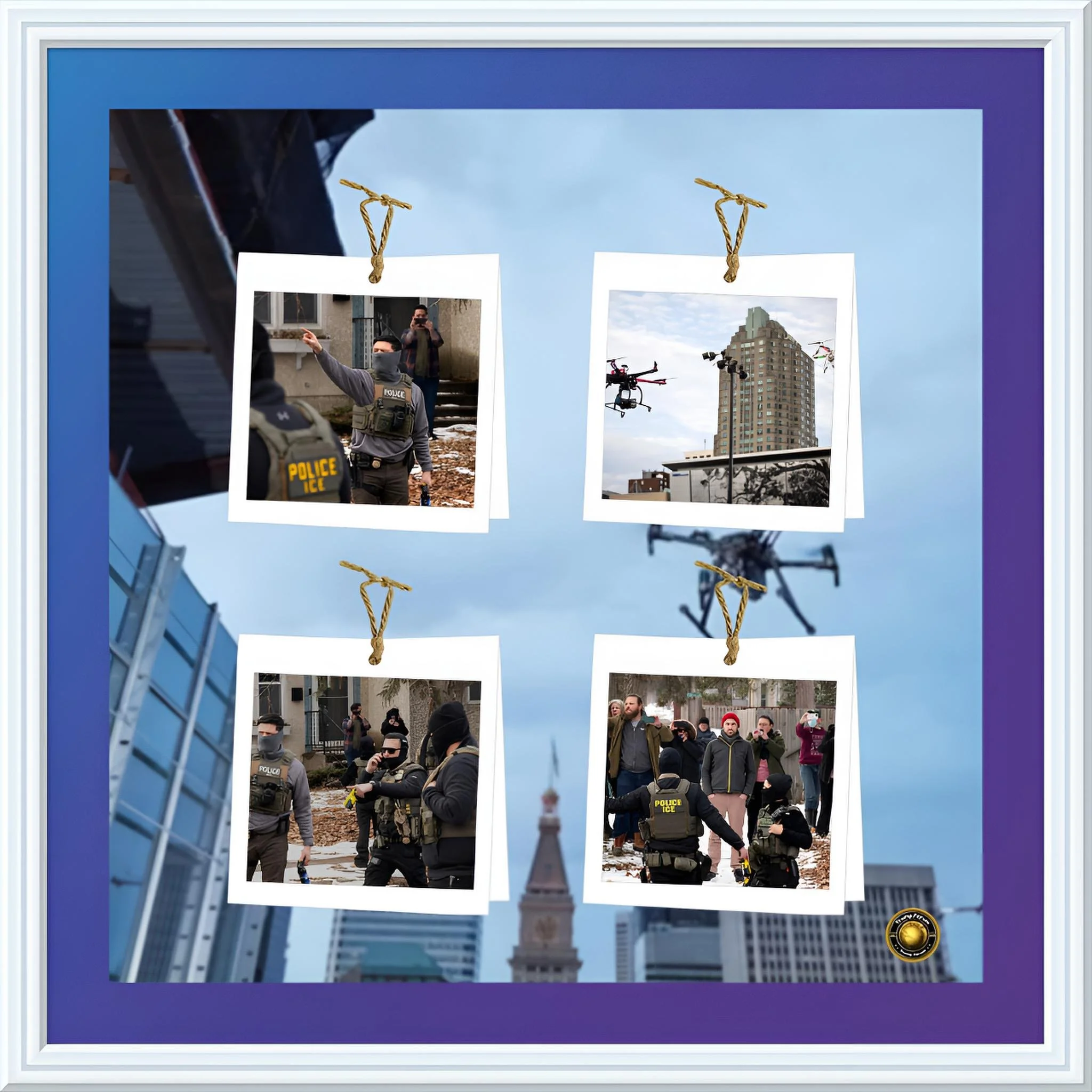
These rules make it harder to fly drones near Immigration and Customs Enforcement operations.
Officials say the changes protect national security and public safety.
Critics say the real goal is to stop people from filming ICE from the air.
Drones used to be easy to buy. Many cost only a few hundred dollars.
People used them to take pictures, record news events, and watch government activity.
Now new rules limit where drones can fly and what types can be sold.
Introduction
Cheap Drones Gave Ordinary People Aerial Cameras
About 10 years ago, small drones became popular. You did not need to be rich or work for the government to see from above.
For example, a local journalist could use a drone to record a protest.
A neighbor could use one to check storm damage. An activist could film a police operation from the sky.
This changed how people see government action.
If ICE conducted a raid, someone nearby could send up a drone and record video.
That video might later appear on social media or the news.
Now the government is changing the rules.
History and Current Status
Drone Rules Were About Safety At First
In the beginning, the Federal Aviation Administration focused on safety.
Drone pilots had to register their drones and follow flight rules. For example, they could not fly near airports or too high in the sky.
Over time, drones became common. Many were made by Chinese companies.
These companies controlled more than 70% of the U.S. consumer market at one point.
In 2025 and 2026, the federal government said foreign drones might create security risks.
Officials argued that data from flights could be sent to foreign governments. Because of this, the government restricted some imports and purchases.
At the same time, it expanded no-fly zones around DHS and ICE operations.
In some cases, even moving vehicles connected to DHS are protected by special airspace rules.
Key Developments
New Airspace Limits Protect Federal Vehicles
One important change is dynamic airspace control. This means the restricted area can move.
For example, if ICE agents drive through a neighborhood, drones may not be allowed to fly above them.
Another change involves remote identification systems. Drones must broadcast information about who is flying them.
Authorities can see this data. If someone flies too close to a restricted area, they can face fines or legal trouble.
There have also been confusing moments.
In El Paso, airspace was temporarily shut down in a way that surprised local officials.
Some people said the rules were not clearly communicated.
Latest Facts and Concerns
Debate Grows Over Security and Free Speech
In 2026, immigration enforcement increased compared to 2024 levels.
More operations mean more chances for public recording. At the same time, restrictions have also increased.
Supporters of the rules say they protect officers and prevent interference. They argue that drones could distract agents or reveal sensitive locations.
Critics worry about free speech. They say people have the right to record government actions in public.
For example, someone standing on a sidewalk can legally film police.
But flying a drone above the same scene may now be illegal because of airspace rules.
Cause and Effect Analysis
More Visibility Led to More Government Control
First, cheap drones made it easy to film from above. Second, people used them to record ICE raids and protests. Third, some videos caused public criticism of enforcement tactics. Fourth, the government responded with tighter drone rules.
The result is clear. It is now harder to watch immigration enforcement from the air than from the ground.
For example, imagine two activists. One holds a phone on the sidewalk. The other flies a drone 50 feet above.
The person on the ground may be protected by free speech law.
The drone pilot may face fines because the airspace is restricted.
Future Steps
Courts and Congress May Decide Next Phase
Some groups may challenge these rules in court. They could argue that the government is using safety laws to block public oversight.
Congress could also change the law. Lawmakers might create clearer protections for journalists who use drones.
Or they might support stronger national security controls.
Technology will also change. American companies may build more drones to replace foreign ones. Prices could rise if supply is limited.
Conclusion
Control of the Sky Means Control of Information
Drones once gave ordinary people a new way to see government action.
Now the federal government is tightening control of that view. Officials say it is about safety and security. Critics say it is about limiting oversight.
The debate is not only about drones. It is about who gets to watch the government, and from where.
As rules grow stricter, the sky may no longer be as open as it once seemed.