Summary
Imagine a busy coffee shop in Texas during morning rush.
A dad sips his black coffee, staring at his laptop screen.
News flashes: American troops storm a far-off country, oil prices spike again, allies pull away in distrust. He shakes his head, wondering if the country’s best days are gone. His worry isn’t just his—it’s spreading like wildfire across the nation.
This feeling of America slipping isn’t new. But it’s dangerous because it pushes leaders to make bad choices that actually speed up the slide.
Think of it like this: if you keep telling yourself you’re failing, you start acting in ways that make failure real.
That’s what experts call a self-fulfilling prophecy.
In simple terms, your fears come true because you react to them poorly.
Take President Donald Trump in his second term. He promised to make America great again, but his actions show deep fear of looking weak.
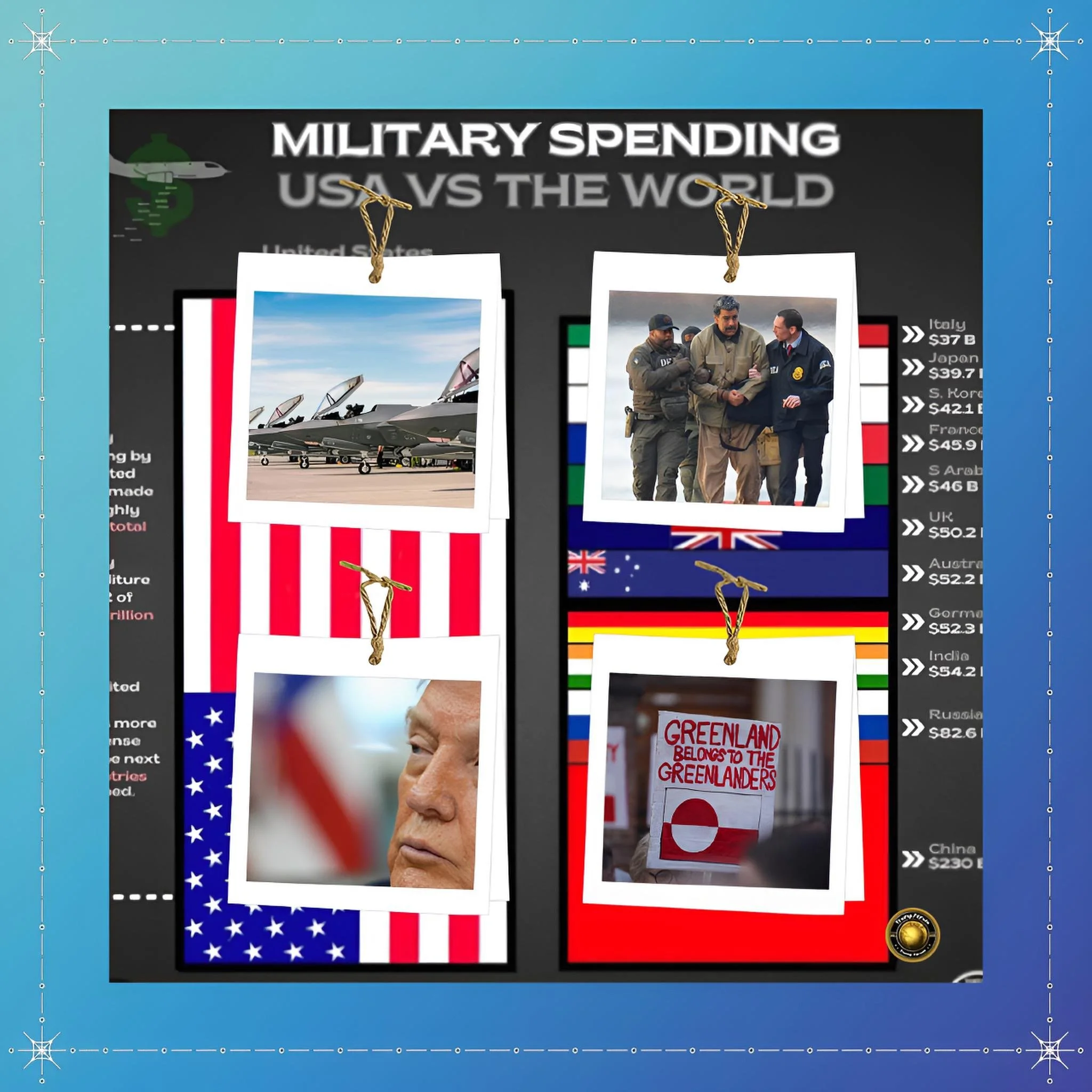
In January 2026, U.S. special forces swooped into Caracas, Venezuela, at night.
They grabbed President Nicolás Maduro and his wife, flying them to New York for trial.
Why? The White House said it was about showing strength in a tough world.
But Venezuela isn’t a big threat like China or Russia.
It’s a poor country with oil ties to China, but hitting it doesn’t hurt China much. China can still buy Venezuelan oil after the dust settles.
Then there’s the strike on Iran’s nuclear sites in June. That made some sense—Iran was getting close to a bomb, and Trump always disliked them. But other moves puzzle people.
Trump pressured Denmark to sell Greenland, even threatening force.
Greenland has ice and minerals, but it’s not key to beating big rivals.
Russia and China are stronger threats in the Arctic near Alaska. By bullying an ally like Denmark, Trump risked cracking NATO, the group that helps America stay strong.
In the end, he got better access to Greenland bases without buying it, but he could have asked nicely instead of scaring friends.
These choices come from Trump’s long-held worries.
Back in 1987, he paid for newspaper ads saying Japan and others were “laughing” at America for protecting their ships and oil for free.
In 2023, he bashed President Biden for “begging” Venezuela for oil, even though America was pumping record amounts at home.
During his 2024 campaign, he called the U.S. a “failing nation” and said the world sees us as a “third-world country” with no respect.
His speeches paint a picture of America being tricked and pushed around. When leaders think like this, they lash out at easy targets to feel tough, instead of saving energy for real fights.
History shows this pattern in other big countries.
In 1950, America jumped into the Korean War not just to stop communism, but because leaders feared looking weak after the Soviet Union got the bomb and China turned red.
It was about keeping status, even if Korea wasn’t vital. Britain did the same in the 1950s, meddling in Egypt and Iran to hold onto empire scraps.
A British thinker once said they grabbed their empire without thinking, but fought hard to keep bits when decline loomed.
Trump called owning Greenland “psychologically important,” like it would make America feel big again. But these side quests waste money and trust, making true decline faster.
Polls prove Americans share these fears. A survey in November 2025 by YouGov and Carnegie found 54% think the U.S. is getting less powerful globally.
Three-quarters say staying on top matters a lot, especially older folks.
Young people agree too, but a bit less. Compared to 20 years ago, the gap between America’s power and others has shrunk.
Allies like Europe and India grew stronger, and rivals like China caught up. But that’s partly because America kept the world peaceful, letting others thrive—like how Roman peace helped tribes grow until they challenged Rome.
In real terms, America is still mighty. Our economy is almost as big as the next four countries combined.
Our population grows, while China’s and Russia’s shrink. We lead in cool tech like AI, investing way more than others. In the Middle East, countries like Saudi Arabia and the UAE are ditching China deals to team up with us. But military edges are fading.
China has more navy ships and soldiers. Russia has newer nukes, and China might have 1,000 warheads by 2030—up from a few hundred. America’s defense budget hits nearly $1 trillion in 2026, but after inflation, it hasn’t grown much in 20 years.
War games show we might lose a fight over Taiwan against China. A defense expert said in 2019 that our easy-win days are over—we could lose to China or Russia now.
Debt is another worry: by 2050, it could hit 200% of our economy size, with interest payments matching defense costs.
Spending on old folks and health eats up more budget, leaving less for guns and ships. We’re even selling key tech like chips to China, helping them catch up in AI.
Turning power into wins is harder too. We don’t build ships or stuff like we used to—China dominates that.
Our military is slow to add new tech, like cheap drones over old planes. Under Trump, things might worsen. He cuts red tape, but that loses smart experts who debate ideas.
Corruption creeps in when loyalty trumps skill. Bullying allies like over Greenland hurts teamwork, which is how America got strong in the first place.
To fix this, we need smart changes. Boost defense spending to $1.5 trillion, but link it to clear plans, good management, and friendlier alliances.
Tackle debt by tweaking benefits for the rich or raising taxes a bit. Work with partners to share burdens—let them handle local stuff so we focus on big threats like China in Asia.
Unilateral moves, like Trump’s strikes, push friends away and make us weaker alone.
In the end, fearing decline can make it happen. If we act confident, we’d let allies patrol Greenland and save our ships for the Pacific. But showing off dominance scares them off, shrinking our team.
True power comes from building groups, not going solo. America grew by creating fair rules everyone joined, like the dollar ruling money or our arms factories leading.
Yes, it costs, but it pays off. Lashing out from fear wastes that edge. If leaders use power wisely—team up, plan ahead—we can stay on top.
But keep feeding the fear monster, and watch the prophecy unfold. America isn’t doomed yet, but our mindset could seal the deal.