Immigration Enforcement Without Oversight: Why Americans Should Care
Summary
The Basic Problem
In 2025 and 2026, the US government expanded immigration enforcement dramatically. More people were detained. More agents were hired. But fewer institutions checked whether ICE (Immigration and Customs Enforcement) followed the rules.
This matters because democracy depends on checks and balances—nobody should have unchecked power.
A Warning From History
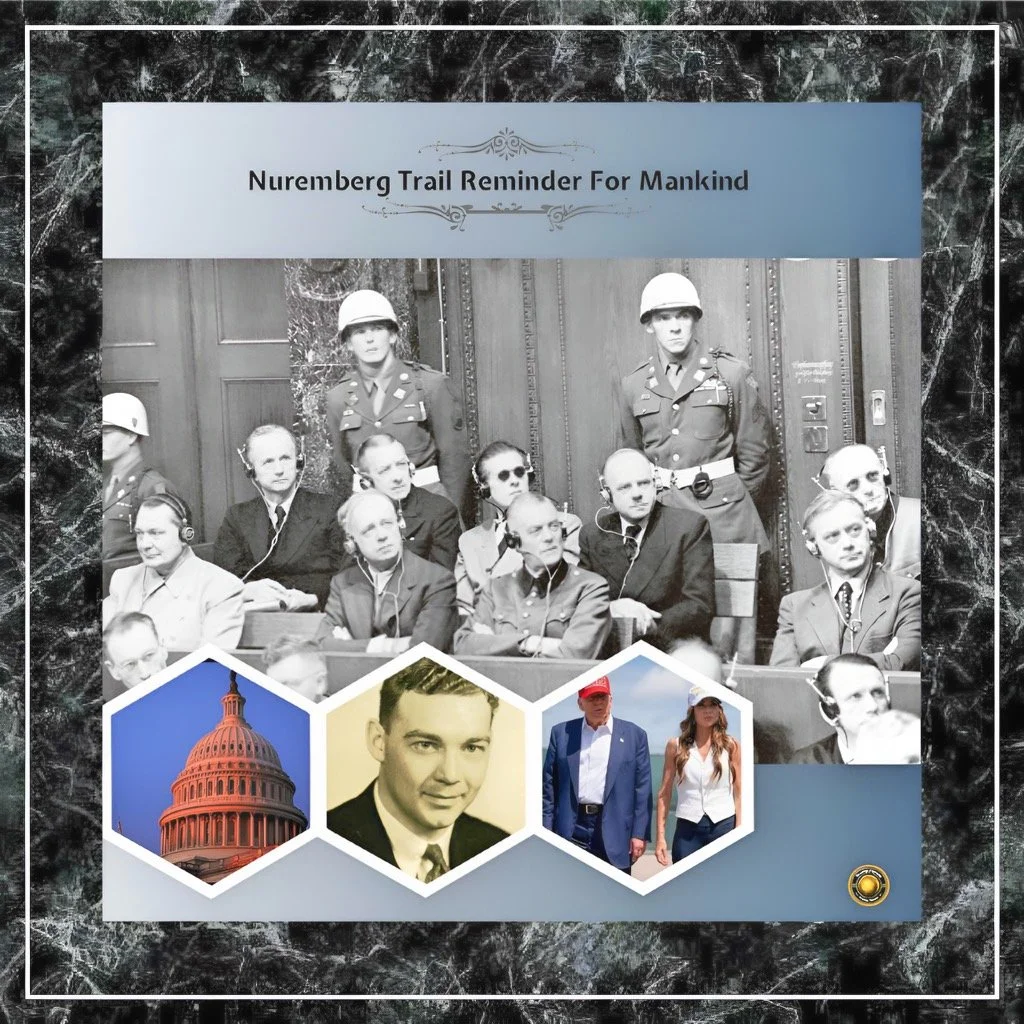
After World War II, an American psychiatrist studied Nazi leaders to understand why they committed atrocities. His conclusion surprised many: they were not insane.
They were ordinary people who used fear and emotional manipulation to gain power.
Historian Jack El-Hai wrote about this research in 2014 and warned that American leaders could follow the same pattern—dividing the country into "us versus them," exploiting fear, and using government power against minority groups.
This warning became relevant in 2025 when immigration enforcement expanded. ICE budget tripled.
Detention facilities increased by 91%. The agency hired 22,000 new agents in a single year. The workforce grew 120%.
What ICE Now Does
ICE arrests people at schools, hospitals, courts, and churches—places historically protected by a "sensitive locations" policy that was eliminated. ICE agents arrest people applying for legal immigration benefits at government offices.
They target neighborhoods using artificial intelligence surveillance. Private contractors earned $22 billion in ICE-related contracts.
Example: A man lived in the US for 15 years, worked as a carpenter, and never committed a crime. ICE arrested him because he was in the country without legal permission.
Under old rules, a judge could decide if he posed a risk.
Under new rules enacted in 2025, he faced automatic detention with no judge's discretion.
When Courts Tried to Stop It
In January 2026, a federal judge in Minnesota ruled ICE could not arrest peaceful protesters.
ICE ignored her order. Another judge documented 96 violations of his court orders in just 1 month. He said some federal agencies have violated fewer court orders in their entire history.
Higher courts sided with ICE.
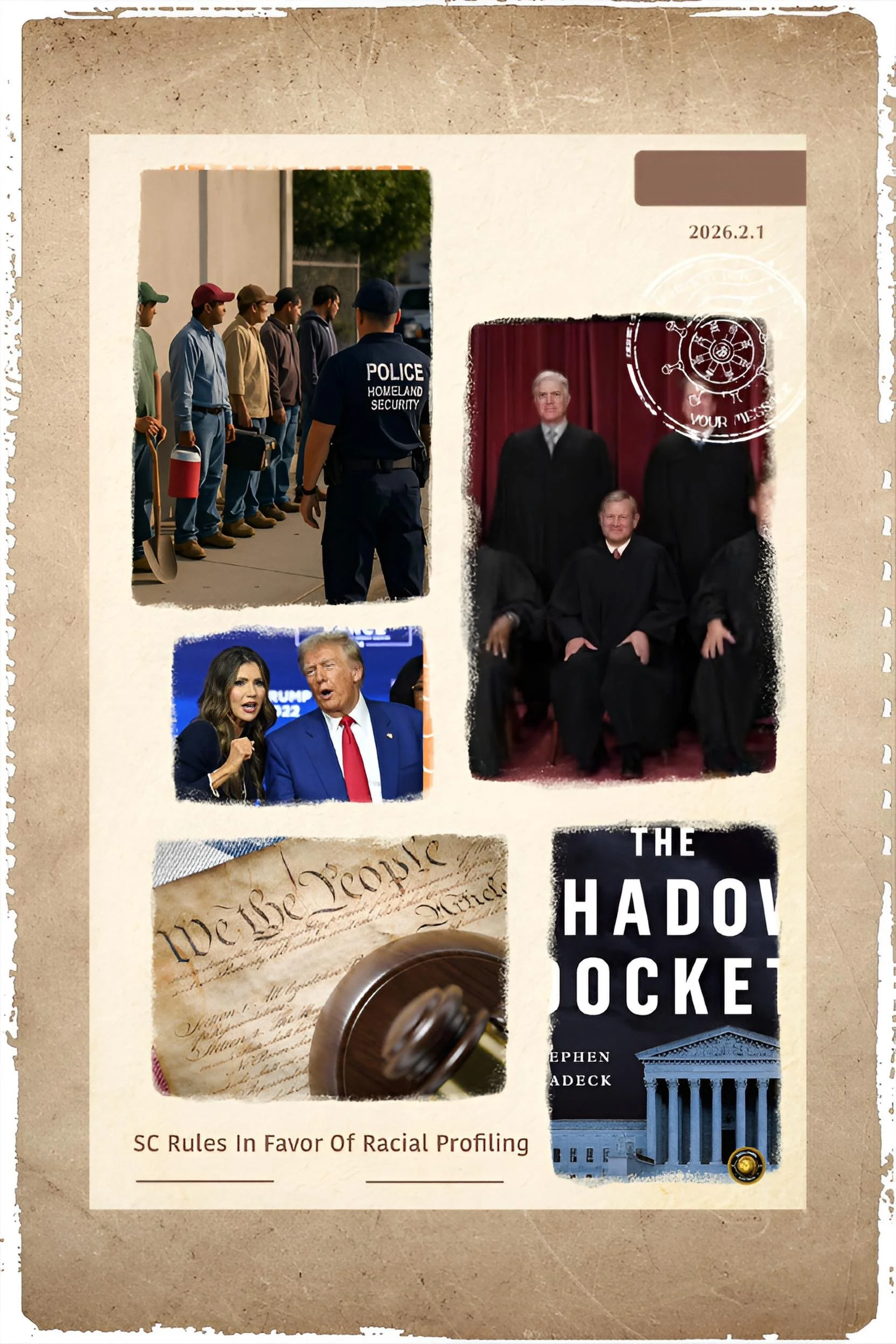
Appeals courts overruled lower judges. The Supreme Court blocked an order restricting stops based on someone's appearance or language.
This effectively allowed ICE to target people by how they looked.
The Broken Check
Congress is supposed to oversee ICE. In January 2026, congressmembers tried to visit detention facilities. ICE refused to tell them where detained people were held.
Some facilities are in remote locations or on military bases to prevent visits. Congress could not investigate, so it could not fulfill its oversight role.
Congress allocates money for ICE, so it technically has power. But the executive branch can ignore congressional wishes through emergency declarations and executive orders. The legislative check weakened significantly.
Presidents Taking Control
In February 2025, President Trump issued an order giving the White House control over "independent" agencies.
These agencies were designed to work independently from the president. The order requires White House approval for agency decisions. This eliminated institutional independence designed as a check on executive power.
Why This Matters
Democracy depends on separated powers: Congress passes laws, courts enforce rights, and the executive implements policy. Each branch checks the others. If one branch becomes too powerful, democracy erodes.
Immigration enforcement represents concentrated power: tripled budget, weakened judicial authority, blocked congressional access, and eliminated independent agency autonomy.
FBI agents pulled from counterterrorism to support ICE. DEA agents pulled from drug enforcement. The government deprioritized these agencies' core missions to support immigration enforcement.
The Real Risk
The risk is not explosive authoritarianism but gradual erosion. Laws change incrementally. Courts defer. Congress's power weakens. Officials who resist are replaced. Democratic institutions weaken so slowly that citizens barely notice until accountability largely disappears.
Multiple democracy assessment organizations rated American democracy as "backsliding" in 2025-2026.
Some federal judges still resist and demand accountability. Civil society organizations document abuses.
Congress retains budgetary power. But these institutional protections weakened substantially in 2025-2026.
Whether democracy can recover depends on whether these remaining institutions can rebuild checks and balances that systematic erosion dismantled.