US Seizures of Russian Shadow Fleet Tankers: Escalation Pathways and Diplomatic Horizons - Part I
Executive Summary
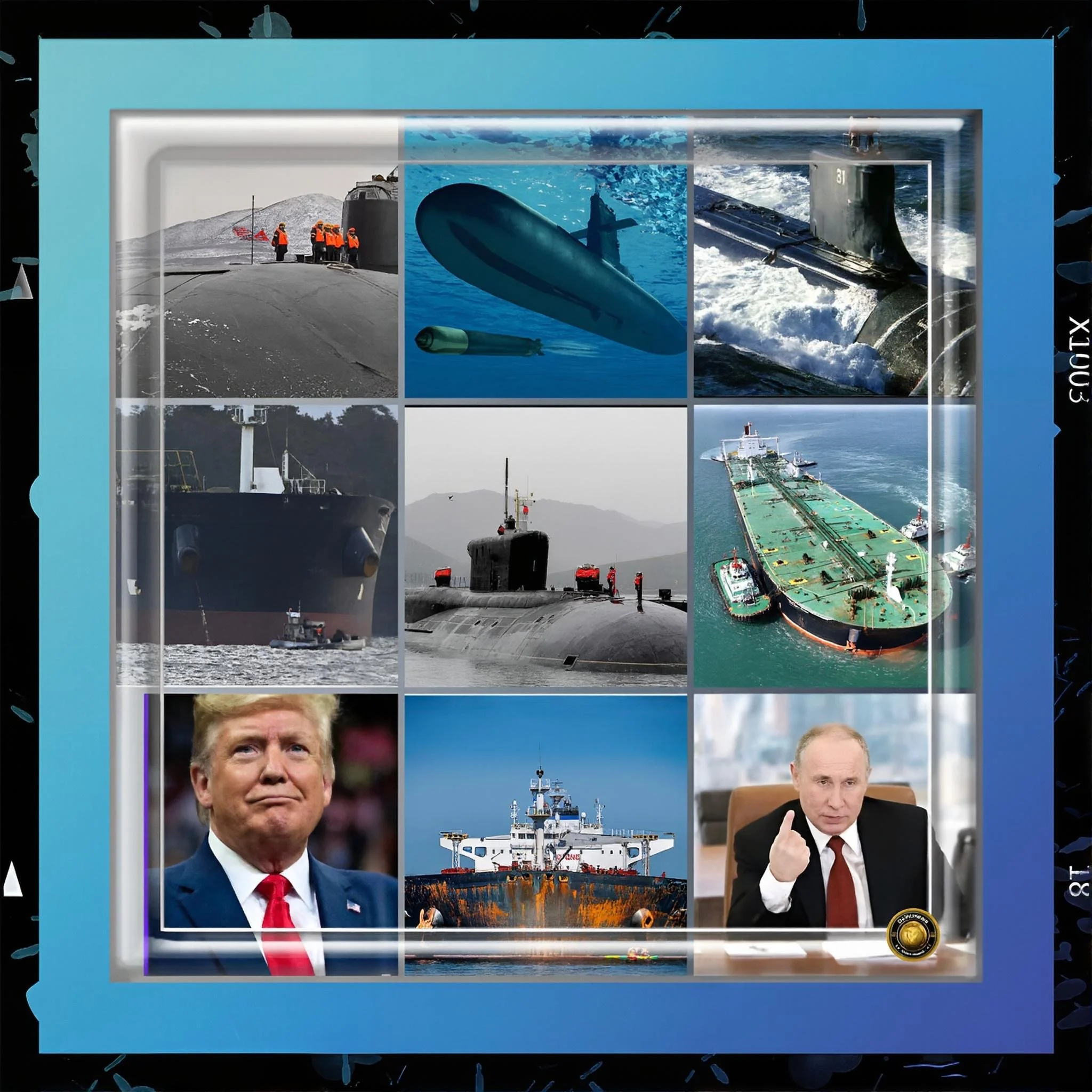
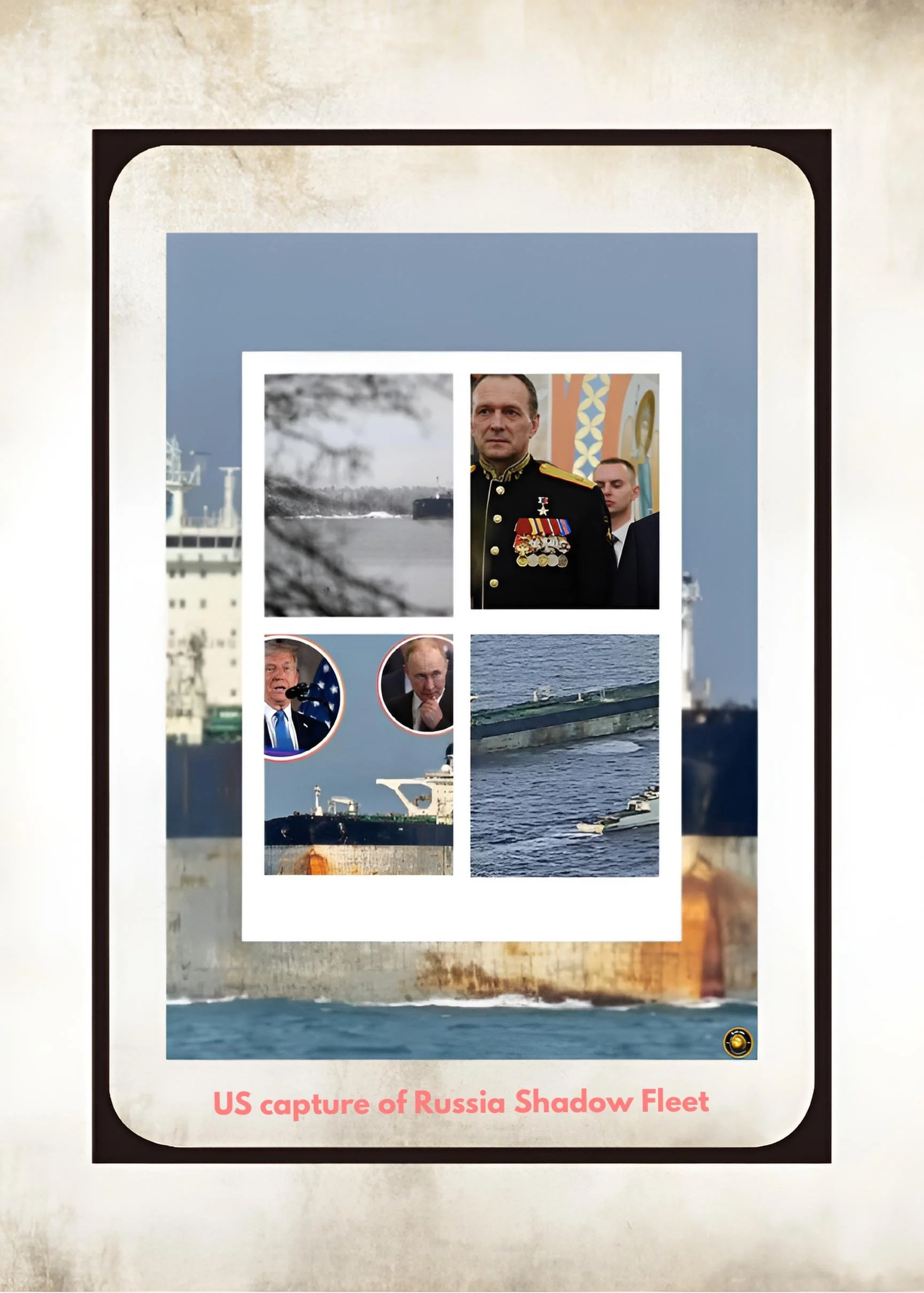
On January 7, 2026, US forces executed simultaneous seizures of two tankers linked to Russia’s shadow fleet: the Marinera (formerly Bella 1) in the North Atlantic and the M/T Sophia in Caribbean waters.
These operations, conducted after weeks-long pursuits involving Russian submarine shadowing, mark the first documented instances of NATO forces boarding Russian-flagged vessels in international waters.
Russia has condemned the actions as “piracy” and “violation of maritime law,” with lawmakers calling for torpedo strikes against US naval assets.
FAF analysis examines the historical context of shadow fleet operations, current status of the confrontation, potential escalation scenarios, and pathways toward diplomatic resolution amidst ongoing Ukraine peace negotiations.
Introduction
The intersection of economic sanctions enforcement and naval power projection has emerged as one of the most volatile dimensions of contemporary great power competition.
The US seizures of January 7, 2026 constitute not merely law enforcement operations but rather deliberate strategic signalling demonstrating Washington’s determination to interdict Russia’s sanctions evasion infrastructure regardless of flag state protections.
These actions challenge fundamental principles of maritime law whilst simultaneously testing Russian red lines regarding sovereign protection of flagged vessels.
The broader context encompasses stalled Ukraine peace negotiations, recent US military intervention in Venezuela culminating in the detention of Nicolas Maduro, and Russia’s strategic imperative to maintain petroleum export revenues constituting approximately seventy percent of federal budget income.
The potential trajectories range from limited tit-for-tat naval incidents through direct confrontation to diplomatic de-escalation leveraging Ukraine settlement talks.
History and Current Status
Russia’s shadow fleet emerged as a direct response to G7 price cap sanctions imposed in December 2022, which restricted Russian crude oil sales to sixty dollars per barrel whilst prohibiting Western insurance, banking, and port access.
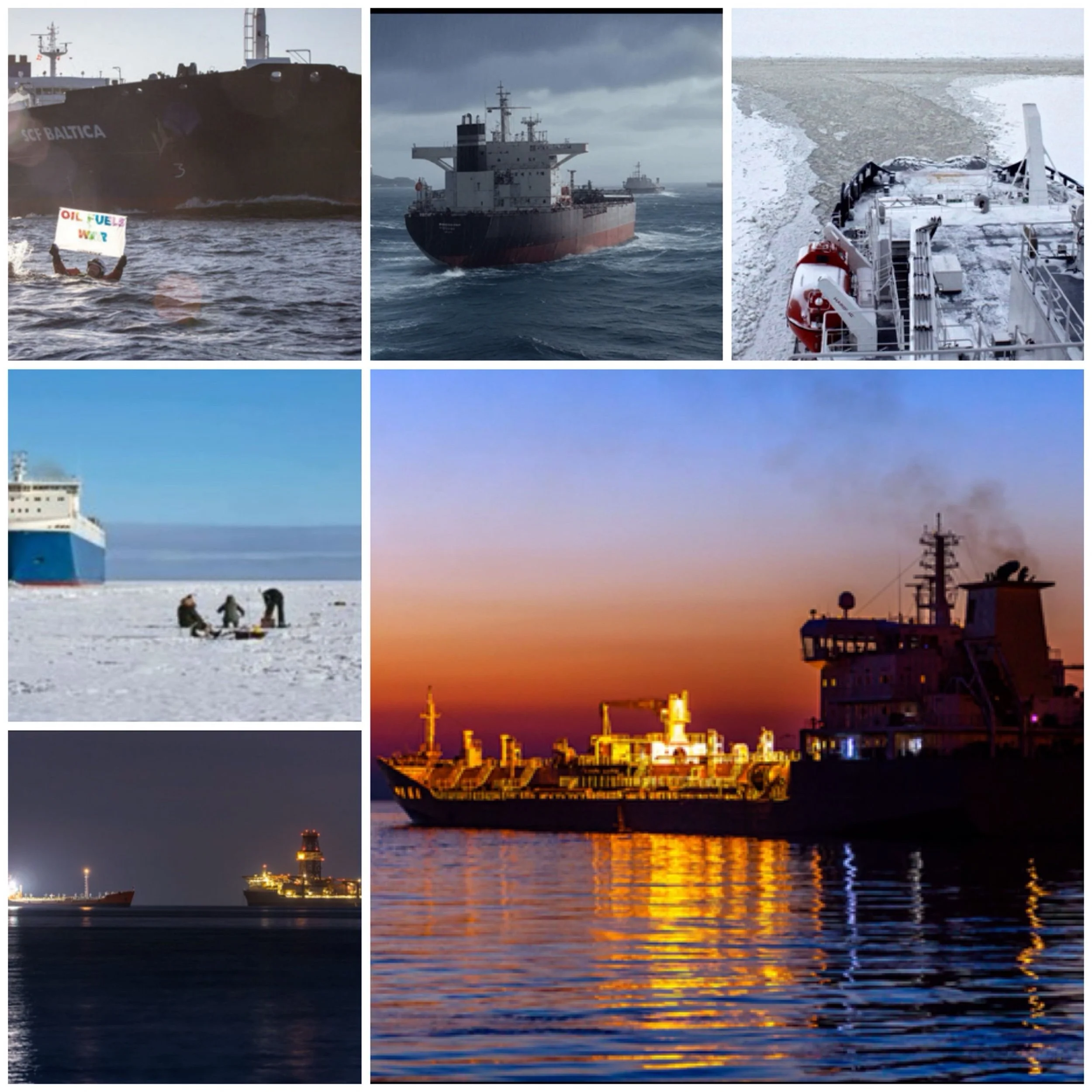
Moscow responded by acquiring approximately 1,100 to 1,400 aging tankers flagged to convenient jurisdictions, employing ship-to-ship transfers, and manipulating Automatic Identification Systems to evade detection.
These operations have successfully sustained 3.7 million barrels daily of seaborne oil exports, generating $87-100 billion annually despite comprehensive sanctions regimes.
The strategic shift toward Russian national flagging commenced in late December 2025 following initial US seizures of stateless vessels such as the Skipper on December 10.
Approximately twenty-one vessels adopted Russian flags seeking sovereign protection, transforming commercial sanctions evasion into a matter of state sovereignty.
The Marinera, sanctioned as Bella 1 in June 2024 for Iranian oil transport, exemplifies this evolution: having evaded US blockade of Venezuela, it acquired temporary Russian flagging on December 24, 2025 before US interception.
Current status encompasses Russian diplomatic protests demanding crew repatriation, hawkish domestic calls for military retaliation, and heightened naval patrols protecting remaining shadow fleet assets.
Key Developments
The sequence of events culminating in dual seizures reveals calculated US escalation. US Coast Guard and Navy assets tracked the Marinera for two weeks across the North Atlantic, with British RAF surveillance and naval support facilitating the operation. Russian deployment of a submarine to shadow the vessel indicates military commitment to flag protection, yet US forces boarded without resistance.
Simultaneous seizure of M/T Sophia, carrying Venezuelan Merey crude, expanded the operation’s scope to Caribbean theatre. Russian response has encompassed Foreign Ministry characterisation as “acute international crisis provocation,” Transport Ministry assertion of legal flagging, and parliamentary demands for torpedo strikes against US warships.
White House dismissal of Russian flagging as “false flag deception” underscores legal justification predicated upon sanctions violation precedence over flag state protections.
Latest Facts and Concerns
As of January 9, 2026, both crews face potential US prosecution for sanctions violations, prompting Russian demands for humane treatment and immediate repatriation. Moscow warns of “heightened military-political tensions” and reduced threshold for force against civilian shipping.
Hawkish commentators criticise government restraint whilst proposing private military contractors aboard shadow fleet vessels.
Concerns encompass precedent-setting implications: European emulation could precipitate direct NATO-Russia naval confrontation, particularly if Russian warships escort tankers as threatened.
Intersection with Ukraine talks—where security guarantees remain contentious—amplifies escalation risks, as tanker seizures undermine Russian negotiating leverage derived from petroleum revenues.
Maritime intelligence assessments anticipate additional seizures absent policy reversal.
Cause-and-Effect Analysis
US seizures respond directly to shadow fleet success in neutralising sanctions efficacy, which sustains Russia’s Ukraine war economy.
Causal chain commences with 2022 price cap failure, progresses through shadow fleet expansion, culminates in reflagging strategy challenging US enforcement authority.
Russian submarine deployment represents defensive response protecting sovereign interests, whilst US boarding asserts primacy of sanctions regime over flag state immunities. Effects cascade across domains: economically, shadow fleet insurance costs escalate deterring participation; militarily, Russian naval commitments divert resources from Ukraine theatre; diplomatically, seizures complicate Ukraine settlement by hardening Russian positions on security guarantees.
Absent de-escalation, iterative seizures risk establishing naval interdiction precedent precipitating direct confrontation.
Future Steps
Immediate trajectories bifurcate toward escalation or settlement. Escalatory pathway encompasses Russian naval escorts triggering interception incidents, European seizure emulation precipitating NATO involvement, and domestic pressures compelling military response.
Settlement pathways leverage Ukraine talks: US could offer shadow fleet de-listing conditional upon Ukraine ceasefire concessions; Russia might accept limited seizures whilst securing petroleum revenue guarantees.
Technical solutions include enhanced maritime domain awareness, sharing deterring reflagging, multilateral insurance alternatives, clarifying ties, reducing shadow channels, and diplomatic channels, clarifying red lines.
Trump administration’s “open relationship” with Putin provides negotiation channel absent in prior administrations.
Conclusion
US seizures of Russian-flagged shadow fleet tankers mark transcendence from economic coercion to naval power projection, challenging foundational principles of maritime sovereignty whilst testing Russian strategic restraint.
Russia’s shadow fleet success necessitated aggressive enforcement, yet operations risk direct military confrontation absent calibrated de-escalation. Ukraine negotiations provide opportune settlement framework linking sanctions relief to peace concessions.
Failure to harness this linkage risks iterative naval incidents eroding strategic stability, whilst successful diplomacy could establish a viable sanctions-enforcement model that preserves great-power peace.
The tanker seizures compel reckoning with reality that economic warfare inevitably intersects military domains, demanding sophisticated orchestration across instruments of national power.